Description
Product Introduction (Anti-Template)
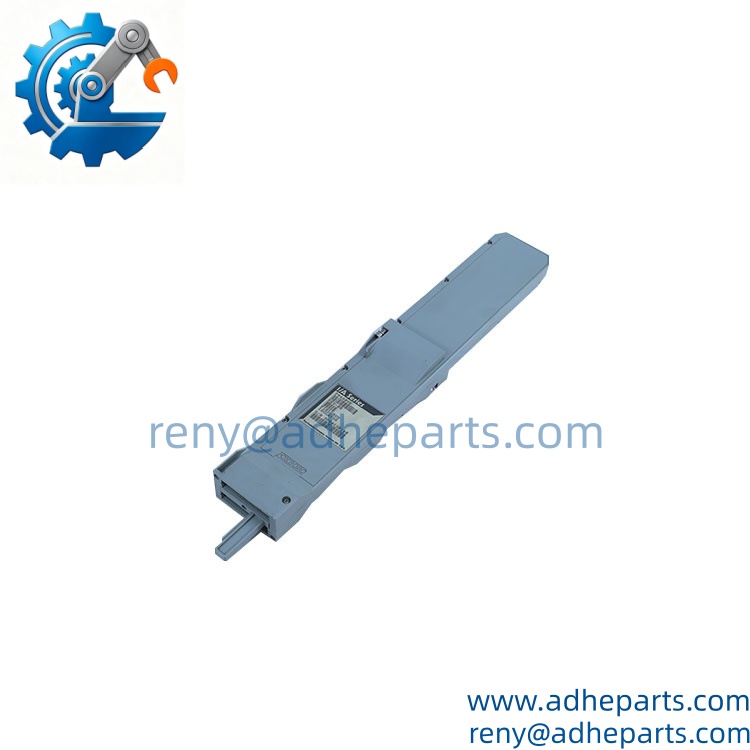
When a legacy I/A Series fieldbus begins showing intermittent communication faults, replacing the controller is often the wrong first move. FOXBORO P0400VE is identified as a Fieldbus Isolator used within the I/A Series architecture, where isolation helps separate fieldbus circuits and reduce the effect of electrical disturbances on connected control equipment.
The part is associated with the older P0400-series I/A hardware family and is also cross-referenced with fieldbus-related FBM equipment. Because detailed electrical ratings are not consistently published for this exact part number, the installed system documentation and the markings on the original unit should be treated as the controlling specification.
Key Technical Specifications
| Parameter | Value |
|---|---|
| Manufacturer | FOXBORO / Invensys |
| Model | P0400VE |
| Product Type | Fieldbus Isolator |
| System | I/A Series Distributed Control System |
| Primary Function | Fieldbus electrical isolation |
| Application | Industrial process-control fieldbus |
| Hardware Family | P0400-series I/A hardware |
| Related Hardware | FBM03 / FBM04 and associated fieldbus equipment |
| Communication Architecture | I/A Series fieldbus |
| Installation | System-specific fieldbus/control assembly |
| Isolation Function | Electrical isolation between fieldbus sections |
| Condition | New Original / New Surplus / Refurbished |
| Approx. Shipping Weight | 3 lb / 1.36 kg |
| HS Code | 85389099 |
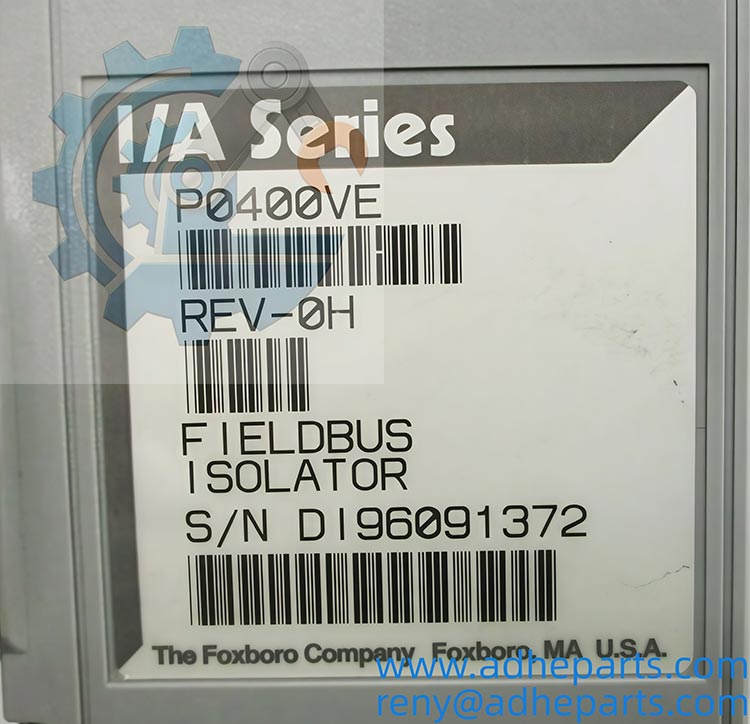
The core identification is well supported: P0400VE = Fieldbus Isolator. Inventory records also place it alongside P0400-series fieldbus and FBM hardware, while other equipment references identify it specifically with the I/A Series.
A useful procurement detail is that variants such as P0400VE-0H and P0400VE-H appear in equipment records. Do not automatically treat every suffix as interchangeable; compare the complete marking and revision on the installed unit before ordering.
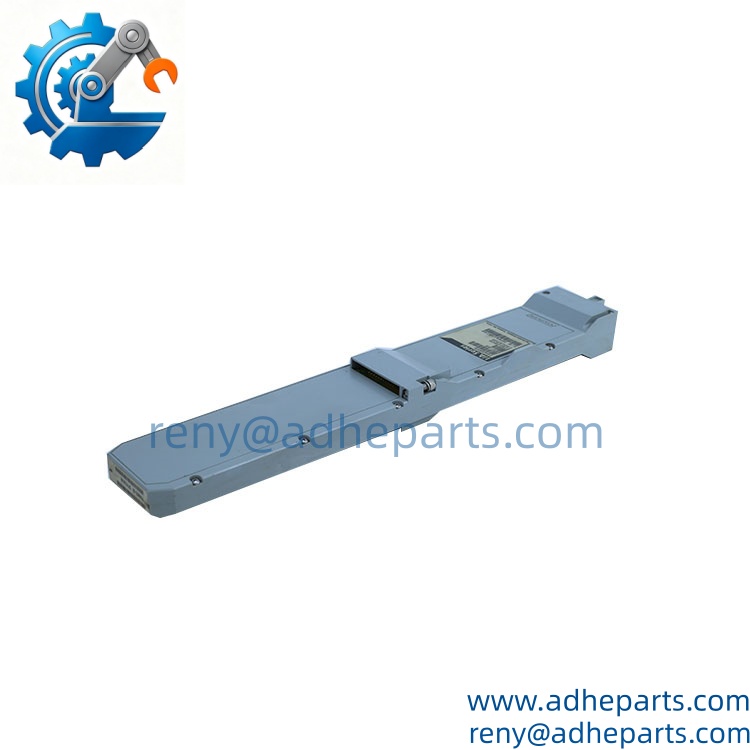
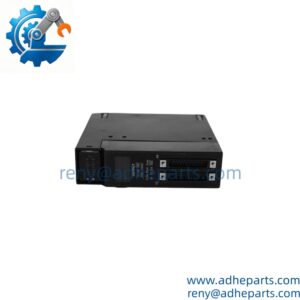
P0400VE front
Field Application & Technical Pitfalls (The Engineer’s Guide)
P0400VE is a relatively small component with a potentially large troubleshooting impact. In an older DCS cabinet, a fieldbus isolation problem can appear as a communication failure somewhere else in the network, which makes the fault easy to misdiagnose.
- I/A Series fieldbus networksThe is used as a fieldbus isolator within the I/A Series architecture. Its job is associated with separating or protecting portions of the fieldbus electrical path rather than performing process I/O itself.
- FBM-related control installationsThe appears in equipment inventories alongside FBM03, FBM04, and other P0400-series fieldbus hardware. This makes it particularly relevant when maintaining older I/A Series installations containing legacy fieldbus modules.
- Legacy DCS maintenanceFor an aging control system, keeping a tested fieldbus isolator on the shelf can be economically sensible. The component itself is relatively small; the production loss caused by an extended communication fault is not.
Three replacement pitfalls deserve particular attention:
- Variant mismatch: Check the complete part number and revision. , -0H, and -H appear as separate identifiers in equipment records. Do not order based only on the prefix.
- Network topology: A fieldbus isolator is not simply a generic signal repeater. Verify exactly where the original unit sits in the fieldbus architecture and which upstream/downstream devices are connected to it.
- Electrical assumptions: Publicly available records do not provide a sufficiently consistent set of detailed voltage, current, and isolation ratings for every variant. Do not apply a generic voltage figure from an unrelated P0400-series module.
Do not troubleshoot this component by randomly moving fieldbus cables. Record the original terminal arrangement first. On a large cabinet, the third terminal block from the left can look almost identical to the fourth, and one misplaced connection may create a second fault while you are trying to find the first.
Lesson learned: A fieldbus communication fault is traced to a suspected isolator, so the maintenance team replaces it immediately. The network remains unstable because the actual problem was an incorrect cable termination upstream. The replacement was functional; the fault diagnosis was not.
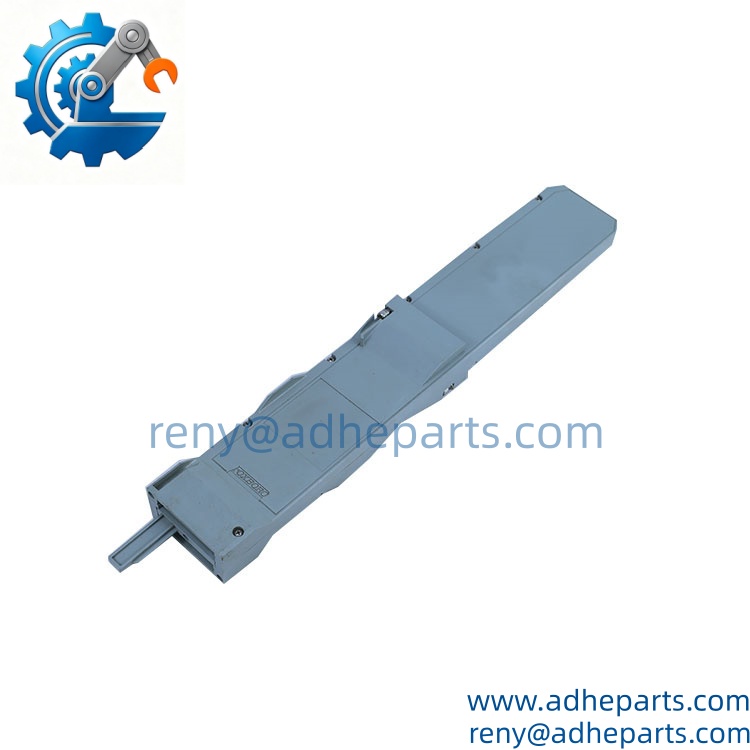
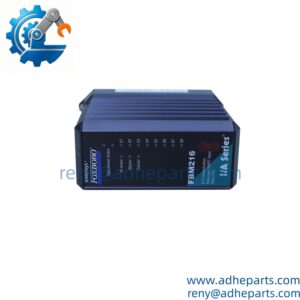
P0400VE backside
Quality Control (QC) SOP & Transparency
- Inbound Verification
- Verify the complete marking .
- Check for suffixes or revisions such as -0H or -H.
- Inspect the enclosure, connectors, terminals, and mounting points.
- Check for corrosion, contamination, damaged contacts, or evidence of previous repair.
- Compare the physical layout with the customer’s existing unit where possible.
- Live Rig Testing
- Use a compatible I/A Series fieldbus test environment where available.
- Verify correct installation orientation and connector arrangement.
- Energize the unit using the verified system configuration.
- Establish communication across the appropriate fieldbus sections.
- Check for intermittent communication loss or abnormal diagnostic behavior.
- Verify isolation behavior using an approved test setup rather than improvised high-voltage testing.
- Parameter Testing
- Verify fieldbus signal continuity.
- Check communication stability under normal operating conditions.
- Test the isolation function using suitable instrumentation.
- Check for abnormal leakage or unintended electrical continuity between isolated sections.
- Record measured values against the applicable I/A Series documentation.
- Final QA & Packaging
- Record the exact model, revision, serial information, and test results.
- Apply a QC-passed identification label.
- Protect connectors and terminals against mechanical damage.
- Use anti-static packaging appropriate for the electronic assembly.
- Provide the applicable test record and a 12-month warranty under the agreed warranty terms.
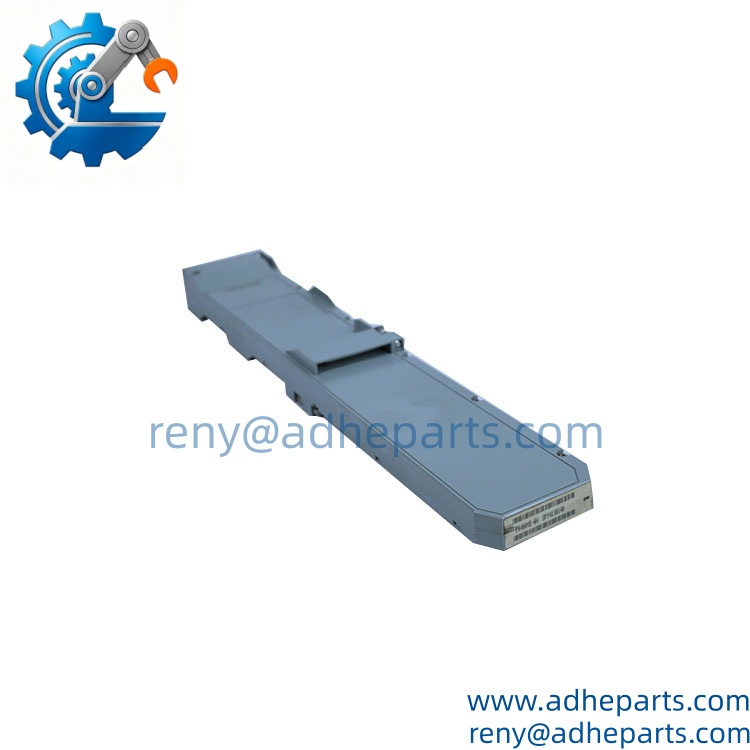
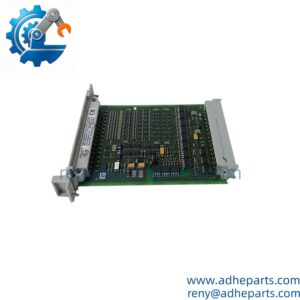
P0400VE sideview
Frequently Asked Questions (FAQ)
Q1. What is FOXBORO ?
It is an I/A Series Fieldbus Isolator used within the legacy Foxboro process-control architecture. It is intended for fieldbus isolation rather than conventional analog or digital process I/O.
Q2. Is an FBM module?
No. It should not be confused with an FBM I/O module. The is identified specifically as a Fieldbus Isolator, while nearby P0400-series numbers can identify individual FBM types.
Q3. Which I/A Series equipment is it associated with?
It belongs to the older -series I/A hardware environment and appears in inventories alongside FBM03, FBM04, and related fieldbus equipment. The exact compatibility should still be checked against the cabinet configuration.
Q4. Is the same as -0H?
Not necessarily. Both identifiers appear in equipment records, but the suffix can represent a particular revision or configuration. Confirm the complete marking on the installed unit before substitution.
Q5. Can it be hot-swapped?
Do not assume so. The safe replacement procedure depends on the specific I/A Series cabinet and fieldbus architecture. Unless the applicable maintenance procedure explicitly permits live replacement, isolate the relevant power and fieldbus circuits first.
Q6. How can I confirm exact compatibility before purchasing?
The most useful information is the complete label, revision/suffix, cabinet location, connected fieldbus modules, and photographs of the connectors and wiring. That information can distinguish a straightforward replacement from a potentially incompatible variant.
Q7. What warranty is available?
A 12-month warranty can be provided under the agreed supply terms. For this legacy fieldbus component, I recommend confirming the complete part number and revision before shipment, particularly if the customer’s existing unit carries an additional suffix.
Pre:Foxboro FBMSVH | Electro-Hydraulic Servo Control Module
Next:Foxboro P0903ZE | Low-Speed Fieldbus Isolator