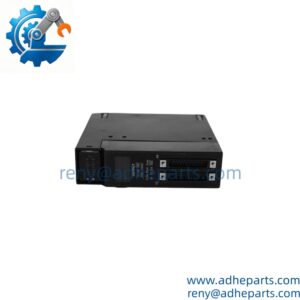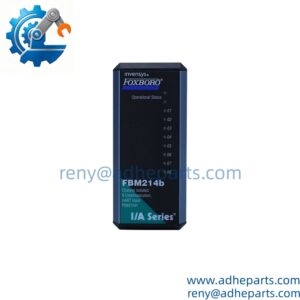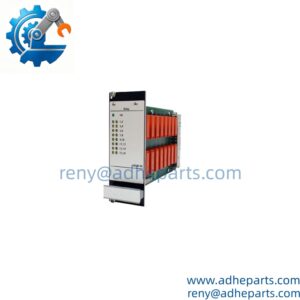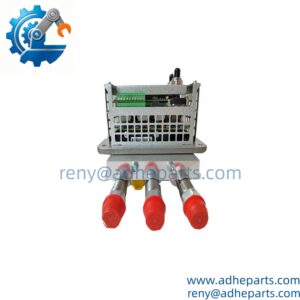
Description
Note: Many products are not yet listed. Please contact us for more product information. Our supply channels are constantly expanding, and we currently have 20 stable shared supply channels. Please confirm the model, product, price, and all other necessary information with customer service before placing an order. We offer new, refurbished, and used products, and prices are adjusted according to the year of the item you require.
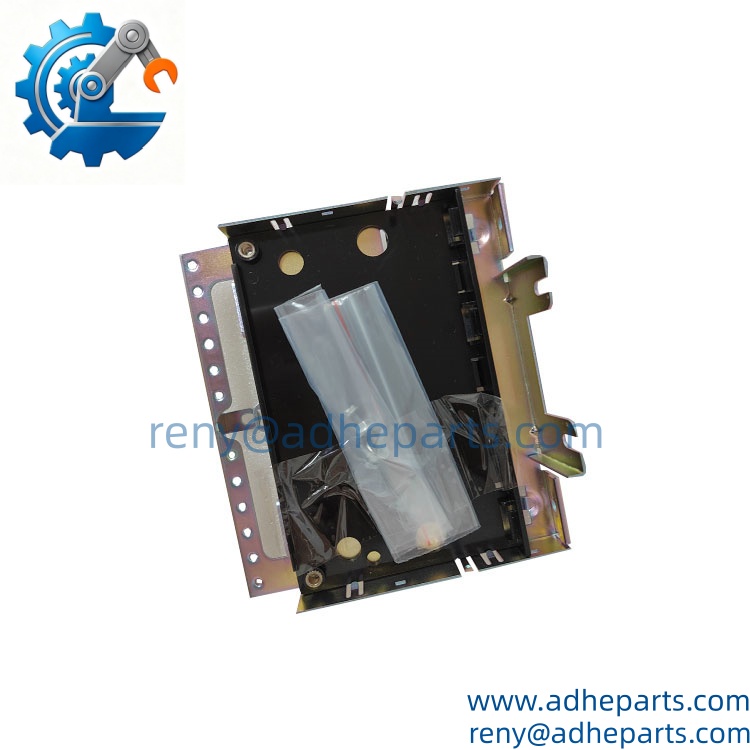
GE IS230SNRTH2A | 10‑Channel Isolated Temperature Input
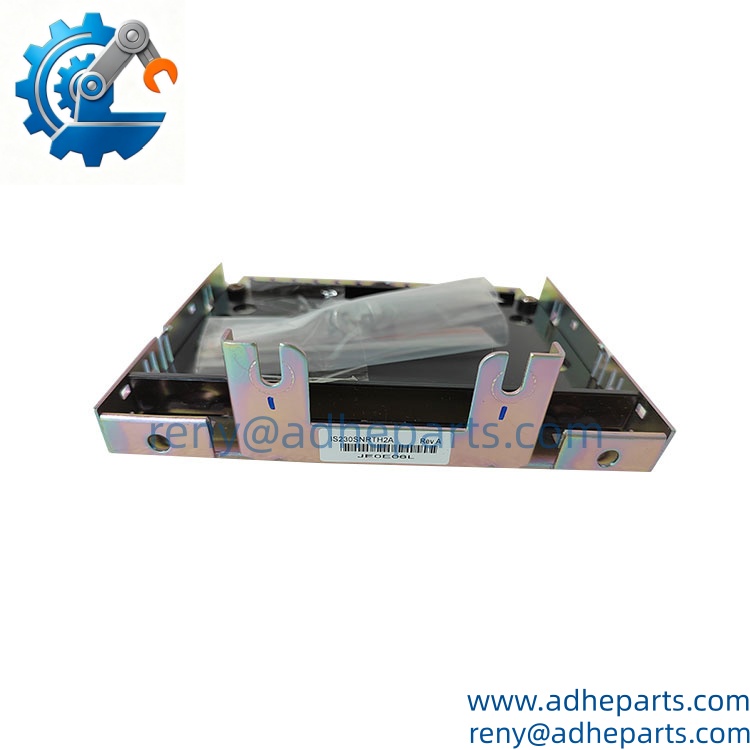
GE IS230SNRTH2A | 10‑Channel Isolated Temperature Input
Key Technical Specifications
| Parameter | Value |
|---|---|
| Model Identifier | IS230SNRTH2A |
| Input Channels | 10 galvanically‑isolated RTD inputs |
| Supported Sensor Types | Pt100, Nickel, Copper RTD variants |
| A/D Conversion Resolution | 16‑bit per channel |
| Measurement Range | ‑200 °C to +850 °C (sensor‑dependent) |
| Channel Isolation | Channel‑to‑ground isolation |
| Communication Interface | IONet backplane for Mark VIe rack |
| Module Supply Voltage | 18‑30 VDC nominal (24 VDC field supply) |
| Operating Temperature | ‑30 °C to +65 °C ambient cabinet range |
| Storage Temperature | ‑40 °C to +85 °C |
| Relative Humidity | 5‑95 %, non‑condensing |
| Form Factor | Standard Mark VIe plug‑in I/O pack |
| Mounting | Installs into Mark VIe I/O carrier slots |
| Weight | 0.64 kg |
Product Introduction
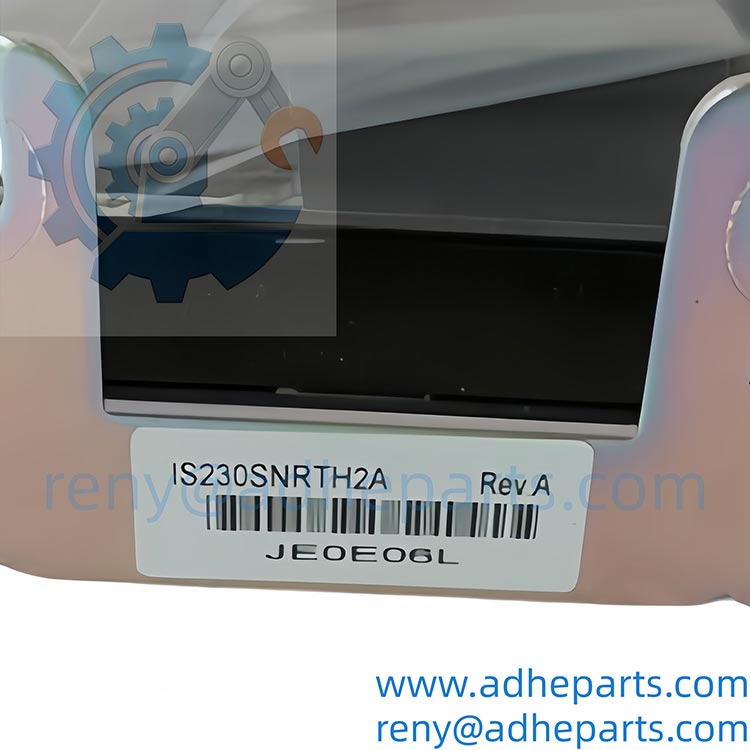
When turbine casing or bearing temperature readings drop out and protection logic loses critical process feedback, the IS230SNRTH2A delivers high‑fidelity RTD acquisition for Mark VIe turbine‑control racks. It conditions raw resistance signals from field temperature sensors and feeds calibrated digital values to system controllers through the IONet backplane bus.
Each input channel maintains isolation to suppress common‑mode noise found in high‑vibration power‑generation cabinets. Honestly, per‑channel isolation cuts down false temperature alarms triggered by ground‑loop interference. It draws operating power from the rack carrier and does not require separate local power feeds for field sensors.
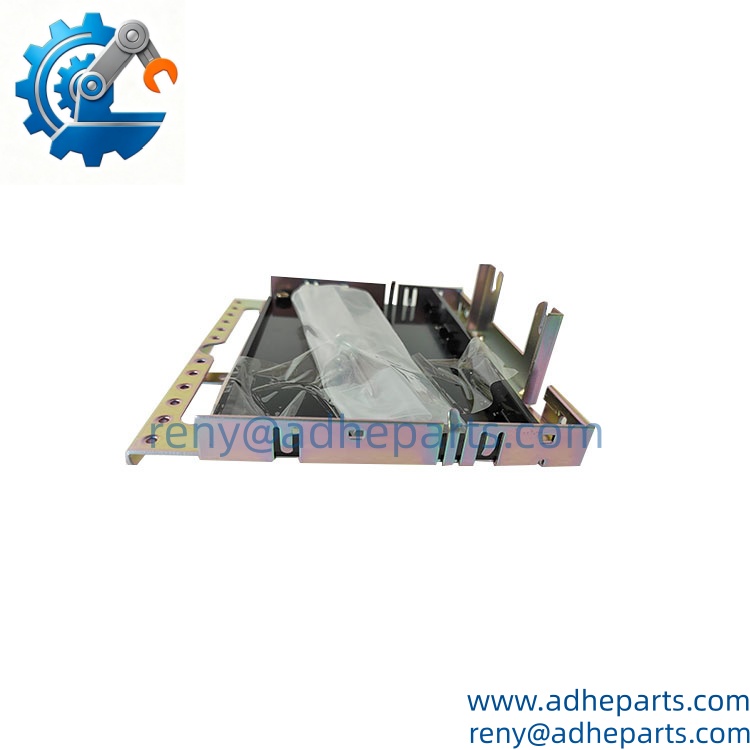
GE IS230SNRTH2A | 10‑Channel Isolated Temperature Input
QC, Procurement & Logistics SOP
- Inbound Verification. Confirm full part number IS230SNRTH2A, hardware revision marking, and OEM label authenticity. Cross‑reference serial numbers with internal inventory logs to reject modified or salvaged assemblies.
- Live Rig Testing. Seat module inside validated Mark VIe carrier rack. Execute power‑on initialization, run full channel calibration simulation, validate IONet communication throughput, and log all channel response results for buyer records.
- QA & Anti‑Static Packaging. Complete visual inspection for connector wear or board‑trace damage. Seal unit inside ESD‑shielded bag and place within foam‑cushioned rigid shipping carton.
- Global Logistics & Export Compliance. Assign optimized HS classification for temperature‑acquisition industrial I/O hardware to reduce customs hold‑up risks. Heavy‑duty shock‑absorbent packaging works for air or sea freight —though customs clearance in parts of the Middle East might add 3‑4 days. All export documentation follows cross‑border shipping requirements.
Technical Pitfalls & Integration Warnings
- Firmware / IONet Rev Mismatch. An IS230SNRTH2A with newer module firmware paired against an older Mark VIe controller baseline will trigger partial channel dropout. A technician can observe healthy power‑LED status during bench setup, yet see intermittent invalid temperature readings under live turbine vibration. Match I/O pack firmware revision to host controller baseline before commissioning.
- Sensor Type Configuration Errors. Loading Pt100 calibration profiles while nickel‑RTD sensors are physically wired produces offset temperature values. The system reports numeric readings without flagging configuration faults, leading operators to accept incorrect bearing‑temperature data. Double‑check sensor type mapping for every channel after module swap.
- Field‑wiring incompatibility. Re‑using old two‑wire RTD cabling intended for earlier I/O modules introduces lead‑resistance drift. Bench simulation with short test leads shows clean readings; long field runs produce slow measurement drift under thermal load. Deploy three‑wire RTD wiring per hardware documentation.
- ESD destruction during unboxing. Service technicians touching exposed backplane gold‑finger contacts without grounded wrist straps can inflict latent circuit harm. The module can pass static bench checks and begin throwing sporadic channel faults after repeated cabinet thermal cycles. Grounding procedures apply whenever the circuit board sits outside its protective bag.
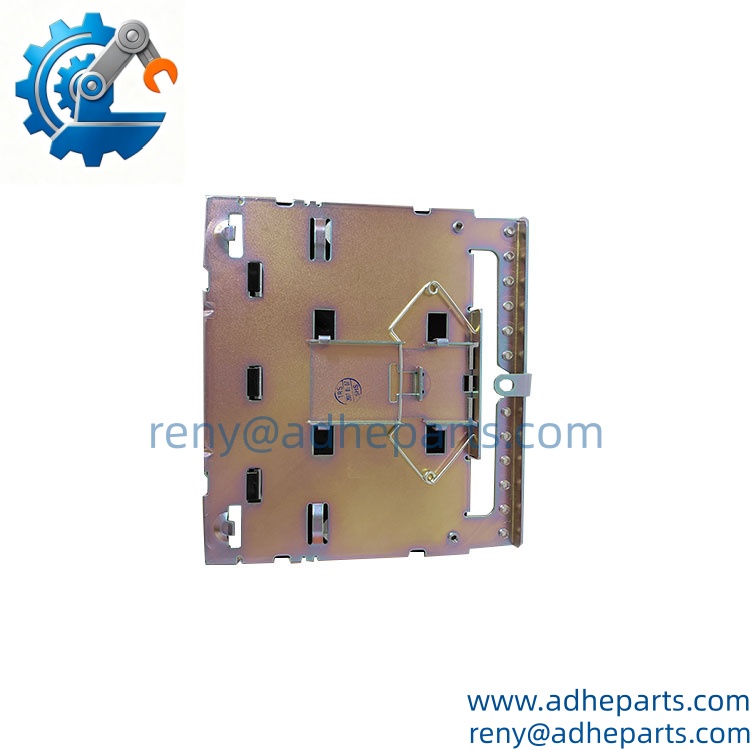
GE IS230SNRTH2A | 10‑Channel Isolated Temperature Input
Frequently Asked Questions (FAQ)
What global lead times should I budget for this IS230SNRTH2A order? Stocked units ship within 1‑3 business days. Add 8‑15 days transit for remote territories; final arrival timelines shift with local customs processing.
What shipping and customs arrangements apply for this Mark VIe RTD module? Air freight fits urgent turbine‑outage replacement jobs. Sea freight lowers total cost for bulk spare‑part batches. Pre‑classified commodity documentation is supplied; destination‑side import compliance remains buyer responsibility.
Can I hot‑swap the IS230SNRTH2A inside a live energized Mark VIe carrier? Do not hot‑swap. Removing this I/O pack under power can corrupt IONet bus traffic and disrupt adjacent modules on the same carrier. Always set the associated IONet node to maintenance mode and cut rack carrier power before insertion or removal.
Does offer backward compatibility with legacy Mark VIe racks? It fits standard Mark VIe I/O carriers. Extremely old carrier hardware with worn backplane contacts can create noisy IONet communication. Inspect carrier contact condition when working with long‑deployed legacy racks.
What documentation ships with the unit? Internal validation test report, packing list, and cross‑border compliance paperwork get provided. Hard‑copy manufacturer manuals are not included; digital datasheet files can be shared on request.
What happens if one RTD input channel fails on‑site? Remaining channels keep acquiring temperature data. Map the faulted channel out of turbine protection logic and schedule module replacement at your next planned outage window.
Can I mix alongside other Mark VIe I/O pack types within a single carrier? Mixed‑I/O carrier configurations operate normally. Keep total IONet bandwidth limits in mind; high‑density mixed‑signal setups can create subtle bus‑latency constraints for the host controller.
Pre:GE IS220PPROS1B | Emergency Turbine Protection Module
Next:GE IS420ESWBH3A | Direct Replacement IONet Module