Description
Note: Many products are not yet listed. Please contact us for more product information. Our supply channels are constantly expanding, and we currently have 20 stable shared supply channels. Please confirm the model, product, price, and all other necessary information with customer service before placing an order. We offer new, refurbished, and used products, and prices are adjusted according to the year of the item you require.
Key Technical Specifications
| Parameter | Specification |
|---|---|
| Manufacturer | Motorola Computer Group / Emerson |
| Product Family | MVME7100 |
| Product Type | VMEbus Single-Board Computer |
| Processor | Freescale/NXP MPC8640D or MPC8641D |
| Processor Architecture | Dual-core PowerPC e600 |
| Processor Frequency | 1.067 GHz or 1.33 GHz |
| System Memory | 1 GB, 2 GB, or 4 GB DDR2 ECC, depending on variant |
| VMEbus Interface | VME64 with 2eSST support |
| Maximum VMEbus Transfer Rate | Up to 320 MB/s with 2eSST |
| Ethernet | Four integrated Gigabit Ethernet controllers |
| Flash Memory | 128 MB NOR flash; NAND flash configuration varies |
| Expansion | Two PMC-X sites |
| Additional Expansion | PCI Express connection for compatible XMCspan expansion |
| USB | USB 2.0 |
| Form Factor | 6U VMEbus, single slot |
| Dimensions | Approximately 233 × 160 × 20 mm |
| Supported Operating Systems | Board support packages available for VxWorks, LynxOS, and Linux |
Sources: MVME7100 technical documentation and product specifications. Exact memory and flash configurations depend on the full model number.
Product Introduction (Anti-Template)
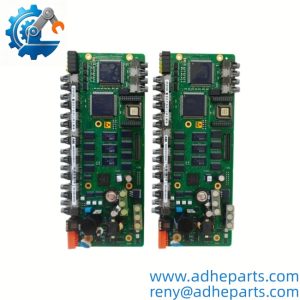
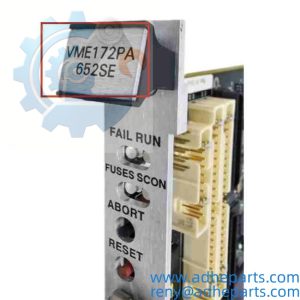
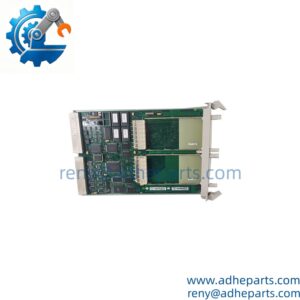
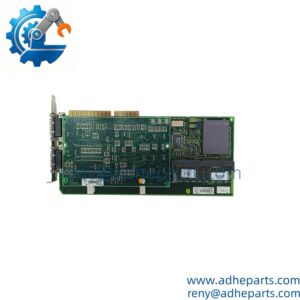
Operating as a high-performance embedded processor board, the Motorola MVME7100 combines a dual-core PowerPC e600 processor with ECC-protected DDR2 memory and a VMEbus interface supporting 2eSST transfers. Depending on the specific variant, the processor operates at 1.067 GHz or 1.33 GHz. Four Gigabit Ethernet controllers, USB 2.0, and dual PMC-X expansion sites provide connectivity for complex embedded computing and control applications.
The MVME7100 is a board family, not a single fixed hardware configuration. Before ordering a replacement, confirm the complete model suffix, processor type, installed memory, flash capacity, rear transition module, and operating-system image. A board that fits the same VME slot may still be unsuitable if its boot configuration or expansion hardware differs.
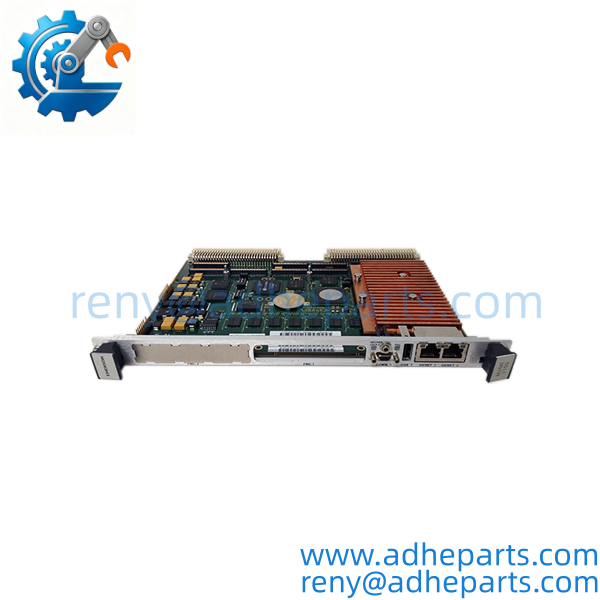
MVME7100
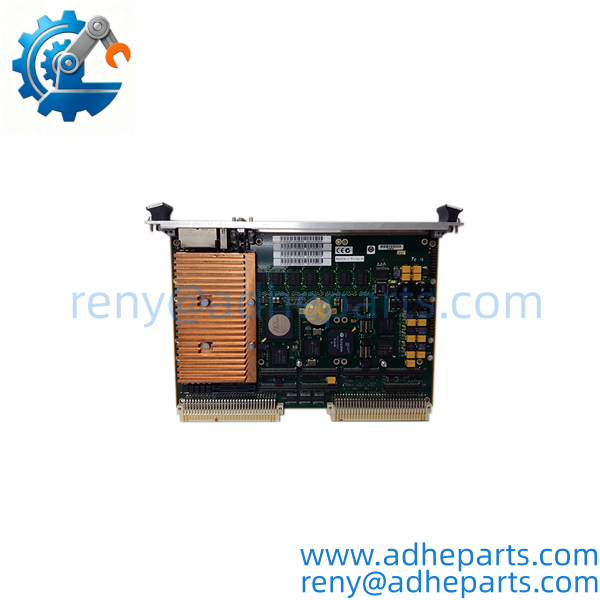
MVME7100
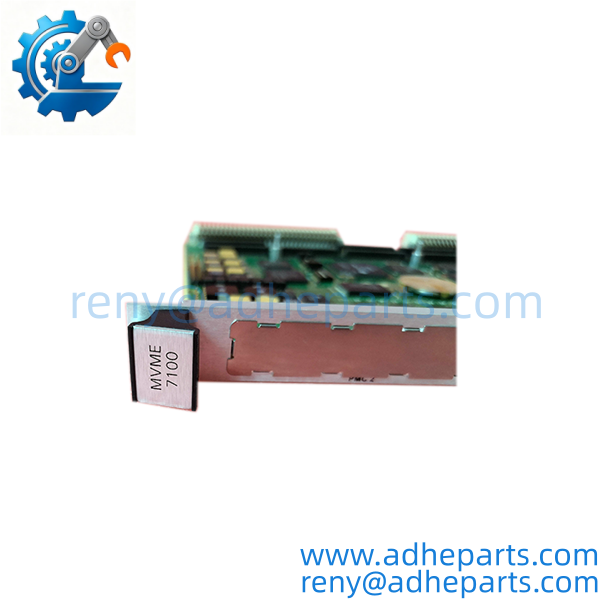
MVME7100
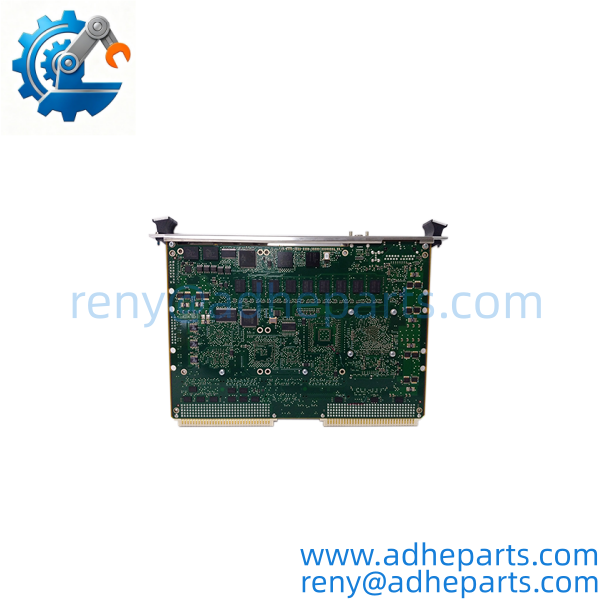
MVME7100
QC, Procurement & Logistics SOP
- Inbound Verification: Check the full MVME7100 model number, processor configuration, memory capacity, flash specification, connectors, and visible PCB condition. Record the label and revision information.
- Live Rig Testing: Confirm the available test scope before purchase. Where compatible VME test equipment is available, check power-up, firmware access, memory detection, Ethernet connectivity, and relevant interface diagnostics.
- QA & Anti-Static Packaging: Inspect the VME connectors and expansion interfaces. Document the board condition and use ESD-protective packaging with additional protection for exposed connectors.
- Global Logistics & Export Compliance: Confirm destination, shipping method, commercial documents, and applicable customs classification before dispatch. Air and sea freight options can be discussed according to order requirements.
Technical Pitfalls & Integration Warnings
- Processor and Memory Mismatch: MVME7100 variants differ in processor speed and memory capacity. For example, replacing a 1.33 GHz, 2 GB unit with a 1.067 GHz, 1 GB version may affect application performance or fail to meet software requirements. Verify the complete model number.
- Boot Firmware and Operating-System Compatibility: The board may depend on a specific boot image, PPC firmware configuration, and board support package. A replacement with different firmware or boot parameters may not load the existing application. Confirm the installed software environment before commissioning.
- VMEbus and Rear I/O Incompatibility: Check the backplane configuration, VMEbus settings, rear transition module, PMC-X cards, and any XMCspan expansion. Incorrect rear I/O hardware or incompatible bus settings can prevent peripheral communication.
- ESD and Cooling Risks: Static discharge can damage onboard processors and memory. Use ESD protection and ensure the VME chassis provides appropriate airflow. Follow the equipment manufacturer’s power-isolation procedure before inserting or removing the board.
Frequently Asked Questions (FAQ)
Q1: What is the Motorola used for?
It is a 6U VMEbus single-board computer for embedded processing and specialized control or computing systems. It combines a dual-core PowerPC processor with memory, Ethernet, and expansion interfaces.
Q2: What processor does the use?
Depending on the model, it uses an MPC8640D running at approximately 1.067 GHz or an MPC8641D running at approximately 1.33 GHz. Confirm the full model suffix before ordering.
Q3: How much memory does it support?
Documented configurations include 1 GB, 2 GB, and 4 GB of DDR2 ECC memory. The exact capacity depends on the board variant.
Q4: Is the compatible with every 6U VME chassis?
Not automatically. Verify the VMEbus backplane, power requirements, cooling, rear transition module, and expansion-card configuration. Physical fit alone does not establish system compatibility.
Q5: Can the board be hot-swapped?
Do not assume hot-swap support. Follow the VME chassis and system manufacturer’s instructions, and isolate power as required before replacing the processor board.
Q6: What is the international delivery lead time?
Lead time depends on the exact variant, processor and memory configuration, condition, testing requirements, and destination. Confirm stock and dispatch timing before placing an order.
Q7: Can international shipping and export documentation be arranged?
Shipping options and commercial documentation can be discussed according to the destination and order requirements. Confirm freight charges, estimated transit time, and required documents before dispatch.