Description
Note: Many products are not yet listed. Please contact us for more product information. Our supply channels are constantly expanding, and we currently have 20 stable shared supply channels. Please confirm the model, product, price, and all other necessary information with customer service before placing an order. We offer new, refurbished, and used products, and prices are adjusted according to the year of the item you require.
Product Introduction
Degraded speed‑input hardware can produce unstable shaft‑speed readings and trigger false overspeed‑protection trips on rotating‑equipment.
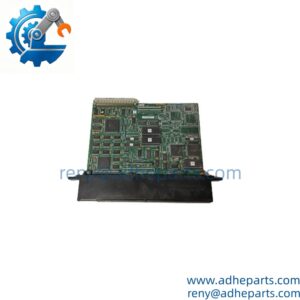
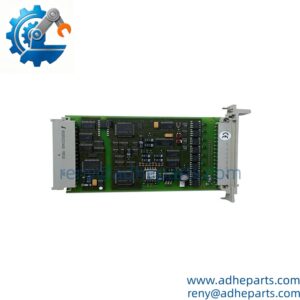
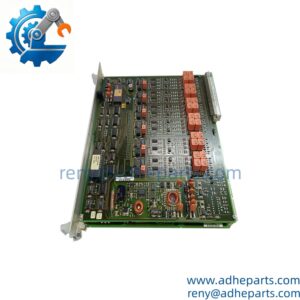
This LYT000A is a dedicated pulse‑acquisition card for Hitachi legacy HIDIC‑S10 control racks. It receives raw pulse signals from magnetic pick‑up probes, performs signal conditioning and digitization, and transmits calculated rotational‑speed values to the rack CPU. Input‑side opto‑isolation helps block field‑side electrical noise, though probe‑cable shielding quality directly impacts long‑term measurement stability —though your mileage may vary depending on pulse‑probe gap‑setting at site.
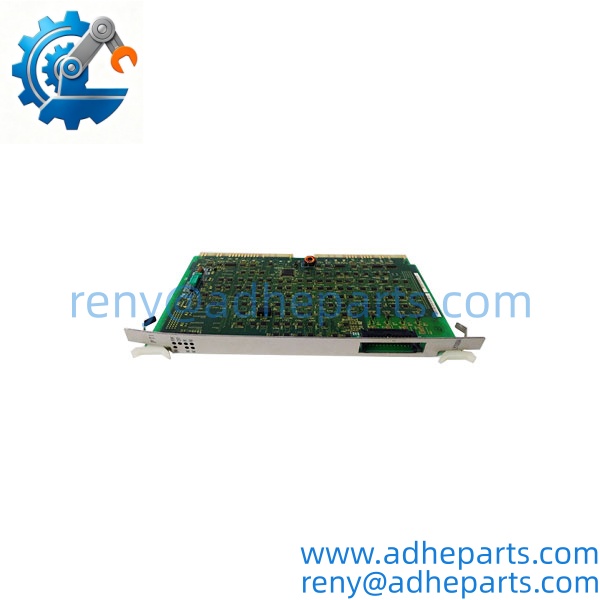
LYT000A
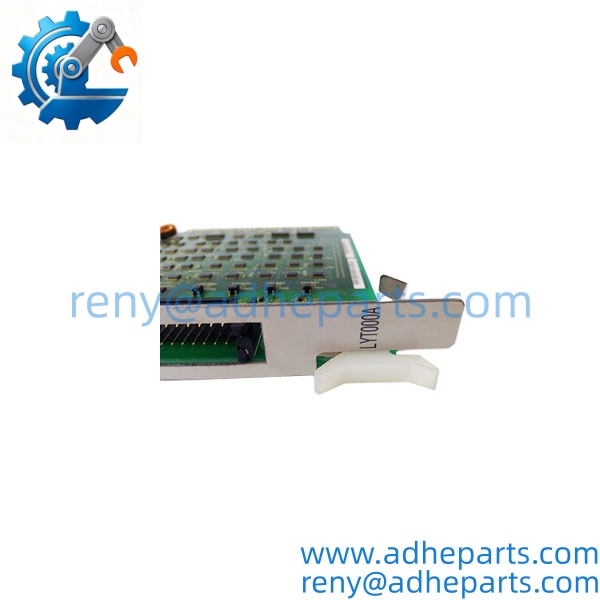
LYT000A
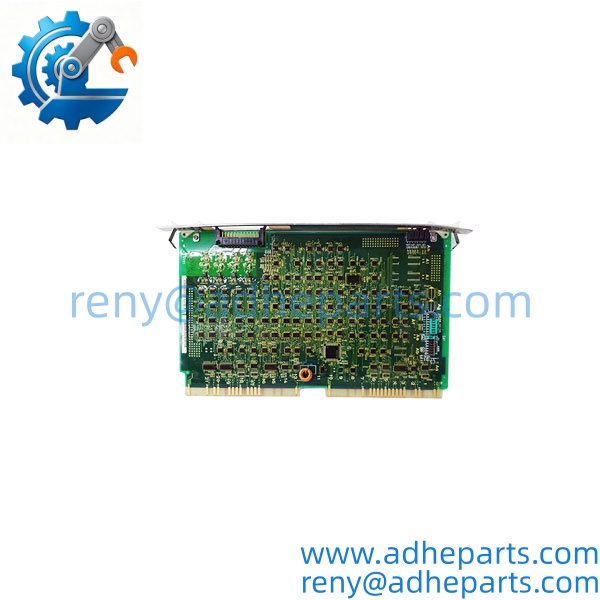
LYT000A
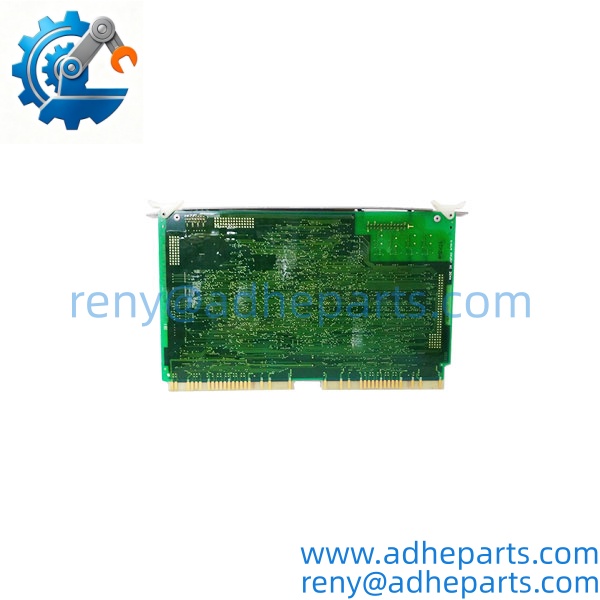
LYT000A
Key Technical Specifications
| Parameter | Value |
|---|---|
| System Compatibility | Hitachi HIDIC‑S10 control rack system |
| Signal Source | Magnetic pick‑up / speed‑probe pulse input |
| Isolation | Opto‑coupler isolation between field‑side and backplane bus |
| Form Factor | Plug‑in rack‑mount PCB, ejector latch mechanism |
| Backplane Interface | HIDIC‑S10 gold‑plated edge‑connector |
| Status Indicators | Front‑panel multi‑LED for power, signal‑active and fault status |
| Operating Supply | 5 VDC logic power from rack backplane |
| Operating Ambient | 0 °C ~ +55 °C cabinet ambient, non‑condensing |
| Protection Class | IP20 (for cabinet‑installation only) |
| Function | Pulse‑to‑speed conversion, overspeed‑alarm pre‑processing |
Field Application & Technical Pitfalls (The Engineer’s Guide)
This speed‑input module serves three typical legacy‑power‑plant scenarios. Thermal‑power‑unit turbine control racks process shaft‑speed pulse signals for overspeed‑protection logic. Cogeneration‑plant auxiliary control cabinets monitor steam‑turbine rotating‑speed. Heavy‑industry large‑compressor control racks acquire tachometer‑pulses for machine‑protection interlocks.
Critical technical pitfalls during replacement:
- Backplane edge‑connector incomplete seating: The dual ejector latches on both sides of the card must fully click‑locked. Partial insertion creates intermittent pulse‑signal loss that only appears under cabinet‑vibration conditions, without obvious LED fault alarm.
- Probe‑input‑wiring mis‑assignment: Mix‑up of multi‑channel pulse terminals will corrupt speed‑measurement or loss of redundant‑speed‑monitoring. Photograph original wiring before disassembly.
- ESD damage to analog pulse‑front‑end: Even with rack‑power switched off, static‑discharge can degrade sensitive pulse‑conditioning circuits. No robust conformal‑coating on some unit batches, so ESD wrist‑strap is mandatory during card‑swap.
A site‑maintenance team replaced a suspected faulty LYT000A during short‑planned outage. They inserted the new module without fully locking both ejector latches and re‑connected field wiring without photo‑reference. After turbine roll‑up, shaft‑speed readings dropped‑out intermittently only at high‑rotational‑speed. Technicians spent multiple shifts troubleshooting magnetic‑probe hardware and probe‑air‑gap before discovering incomplete card‑seating and mis‑assigned field‑terminals. Always lock both ejector latches firmly and document original wiring layout before removal.
Quality Control (QC) SOP & Transparency
- Inbound Verification: Match silkscreen part‑number LYT000A and serial‑marking with OEM packing documentation. Inspect PCB for solder‑repair traces, component‑damage. Check gold‑plated edge‑connector fingers for scratching or oxidation. Verify ejector‑latch mechanical integrity.
- Live Rig Testing: Insert module inside HIDIC‑S10 test‑rack chassis. Energize rack backplane power. Complete power‑on self‑test and validate front‑panel LED status sequence. Inject simulated pulse‑signals to each channel; verify pulse‑acquisition and speed‑calculation function. Stress‑test by gently wiggling the card in‑slot to expose intermittent‑connection issues.
- Parameter Testing: Run continuity‑and‑isolation test for each pulse‑input channel. Check backplane‑bus‑pin continuity. Verify opto‑isolation dielectric‑performance between field‑side and logic‑side circuits.
- Final QA & Packaging: Apply protective plastic‑cover over edge‑connector fingers. Seal module inside static‑shield anti‑static bag. Affix QC‑passed label including test‑run timestamp. Pack with rigid‑foam padding to avoid PCB‑trace and connector mechanical‑damage in transit.
Frequently Asked Questions (FAQ)
Can I hot‑swap LYT000A while HIDIC‑S10 rack remains powered?No. This legacy‑HIDIC‑S10 hardware does not support hot‑swap. Shut‑down rack‑control‑power before removing or inserting the card. Live‑power card‑handling risks destroying sensitive analog‑circuitry and backplane traces.
What system racks are compatible with LYT000A?Purpose‑built exclusively for Hitachi HIDIC‑S10 rack‑system. It cannot drop‑in for other Hitachi controller‑families. Verify exact load‑capacity with OEM datasheet before integration.
What warranty‑coverage applies for new‑surplus LYT000A modules?Twelve‑month functional‑warranty applies. Warranty excludes damage from ESD‑events, improper‑card‑seating, field‑side over‑voltage transients, cabinet‑over‑temperature. Minor shelf‑storage cosmetic‑marks do not void coverage.
How do I distinguish genuine OEM‑surplus hardware from rebuilt aftermarket copies?Genuine OEM boards carry crisp silkscreen‑marking, original‑component‑layout and undamaged gold‑edge‑fingers. Rebuilt units often show hand‑repaired solder‑joints or replaced discrete‑components. Well, technically legitimate OEM‑repaired‑units exist, so full‑pulse‑simulation bench‑testing serves as final‑validation.
Will I need to modify control‑system configuration after replacement?If installing identical‑model and keep original‑channel‑wiring assignment, normally no‑configuration‑change required. Always verify live‑speed‑read‑back after commissioning.
What field‑symptoms indicate a failing ?Intermittent loss of shaft‑speed‑reading, jittery speed‑value fluctuation, spurious overspeed‑alarm triggering, loss of pulse‑channel visibility. These symptoms can also come from defective magnetic‑probes or degraded field‑cabling, isolate the module on test‑rig for confirmation.
Is still under OEM active‑production?This is discontinued legacy‑HIDIC‑S10 component. Once genuine‑surplus‑stock depletes, sourcing lead‑times extend significantly. Confirm stock‑availability well ahead of planned‑equipment‑outage‑windows.