Description
Note: Many products are not yet listed. Please contact us for more product information. Our supply channels are constantly expanding, and we currently have 20 stable shared supply channels. Please confirm the model, product, price, and all other necessary information with customer service before placing an order. We offer new, refurbished, and used products, and prices are adjusted according to the year of the item you require.
Key Technical Specifications
| Parameter | Value |
|---|
| Module Type | Serial Link Controller (communication interface module) |
| System Platform | Emerson Ovation DCS (Westinghouse legacy architecture) |
| Serial Ports | 1 × RS-232; 1 × RS-485 (4-wire, multi-drop capable) |
| Max Data Rate | Up to 115 kbps (RS-232) / up to 3.125 Mbps (RS-485) |
| Reported Protocol Support | Modbus, DNP3, PROFIBUS DP (verify protocol support for your hardware revision) |
| Rack Compatibility | EMOD and PMOD module positions; R1120 CPU systems |
| Diagnostics | Front-panel LED status indicators; Ovation workstation diagnostic reporting |
| Maintenance | Hot-swap capable when supported by the baseplate |
| Operating Temperature | −40°C to +70°C (claimed in multiple listings; verify per OEM manual) |
| Storage Temperature | −55°C to +85°C (per distributor data) |
| Protection Rating | IP20 (control-room rack mounting) |
| Dimensions / Weight | ~160 × 100 × 30 mm / ~0.32 kg (0.7 lb) — verify against unit label |
| Lifecycle Status | Discontinued by manufacturer; supported via secondary market |
| Country of Origin | USA |
The module’s documented role is serial data exchange within Ovation architectures — it links EMOD and PMOD modules and works directly with the R1120 CPU platform. Interface options span RS-232 and 4-wire RS-485 with data rates up to 3.125 Mbps on the RS-485 port, and published listings report Modbus, DNP3, and PROFIBUS DP protocol support. The claimed operating range of −40°C to +70°C with IP20 protection comes from distributor data rather than an Emerson manual we could cite directly — confirm it before specifying the module for harsh-environment service. On sourcing risk: the manufacturer has discontinued this module, yet many plants still depend on it for legacy operation.
Product Introduction
The Emerson 1C31166G02 is a serial link controller for the Ovation distributed control system — the module that puts an RS-232/RS-485 port on a Westinghouse-era Ovation rack. It handles the data exchange between the Ovation controller and external serial devices: third-party PLCs, intelligent instruments, RTUs, and plant SCADA front ends.
Its engineering value today is continuity. Ovation fleets in power generation still run hundreds of these links, and the 1C31166G02 is one of the few hardware paths that keeps a legacy serial integration alive without re-engineering the interface. A working spare on the shelf means a failed link is an afternoon’s work, not a project.
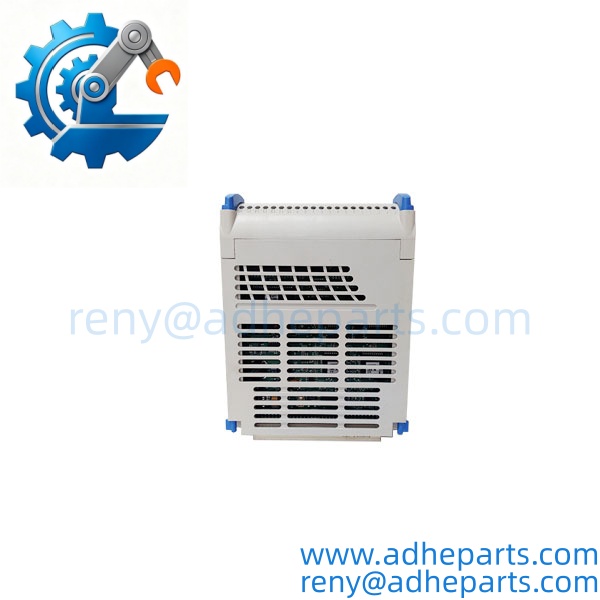
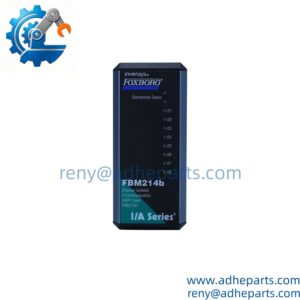
1C31166G02
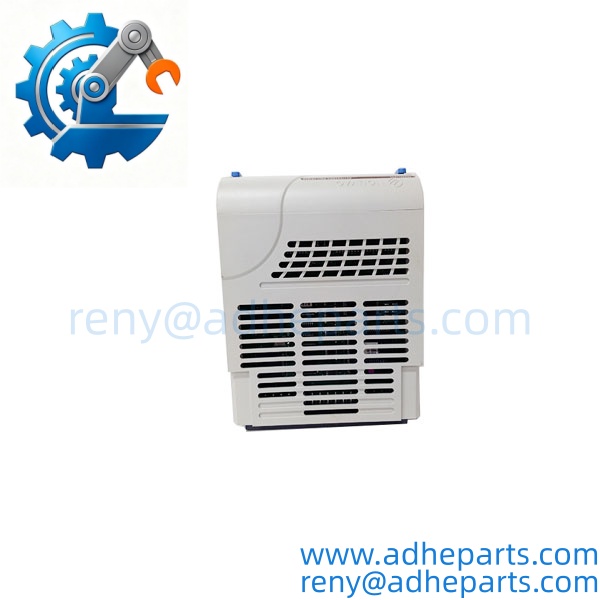
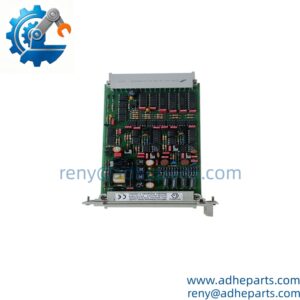
1C31166G02
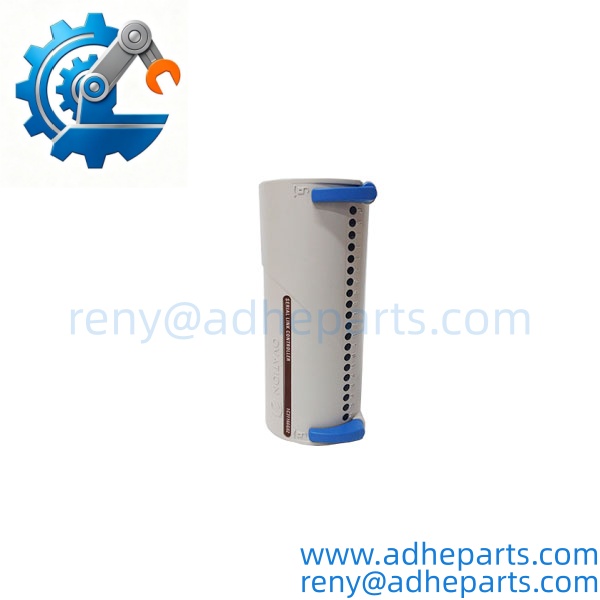
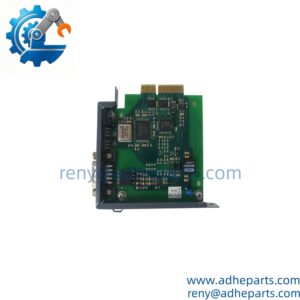
1C31166G02
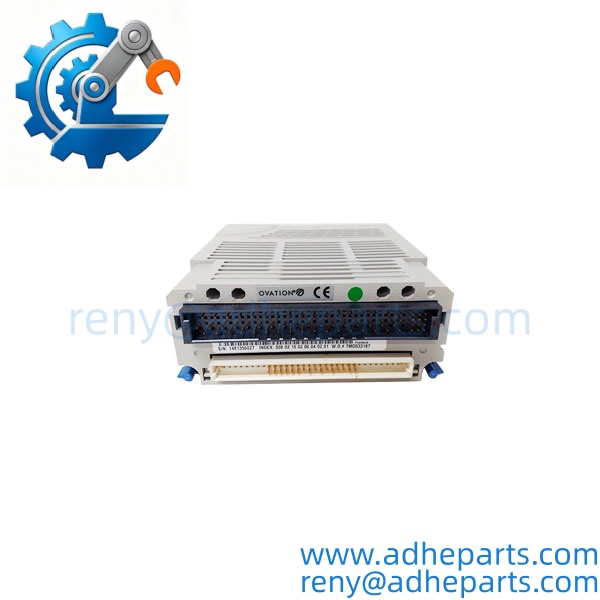
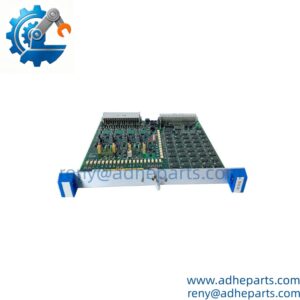
1C31166G02
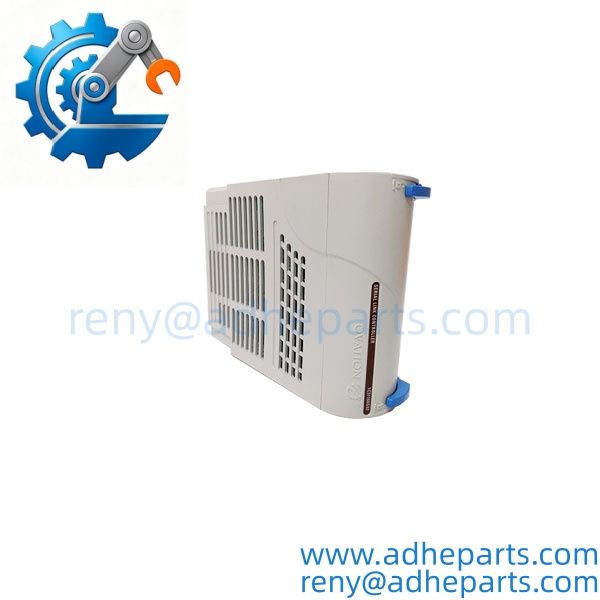
1C31166G02
Application Scenarios & Field Experience
Part 1 — The Engineering Pain Point
Legacy Ovation plants built their SCADA and third-party integrations on serial links — Modbus polls to older PLCs, DNP3 feeds to plant historians, PROFIBUS segments to remote skids. Every one of those links terminates in a module like the 1C31166G02. When the module fails, the DCS loses visibility or control of that island of equipment, and the alarm flood is generic: “communication failure.” Because the module is discontinued, plants without a spare face weeks of sourcing while operators run the affected equipment manually.
Part 2 — Specific Application Scenarios
- Power Generation — Plant SCADA / RTU interface: The RS-485 port polls balance-of-plant PLCs and relays over multi-drop Modbus. DNP3 support suits utility telemetry feeds where the Ovation system reports unit status to a grid operator.
- Third-Party PLC Integration — Serial gateway: Older skid packages (water treatment, fuel forwarding) built around serial-only PLCs connect to the Ovation I/O network through this module instead of an external protocol converter, keeping the interface inside the DCS diagnostic umbrella.
- Legacy Instrument Integration — Smart device links: Analyzers, weigh scales, and turbine vibration monitors with RS-232 serial output stream data directly into the Ovation database without a middleware PC.
- Spares Strategy — Fleet standardization: Utilities running multiple Ovation units standardize on one configured 1C31166G02 spare per site, covering any serial link failure across the fleet.
Part 3 — Field Story
A biomass plant lost its fuel-handling PLC visibility one evening — the DCS showed the conveyor and bunker data frozen, with operators making feed decisions blind. The cause was a failed serial link controller in the I/O rack. The night-shift technician pulled the site spare 1C31166G02, moved the terminal wiring across, and restored the link inside an hour. The original module went back as a bench repair candidate; the plant added a second spare to the stores list the following week.
Standard Operating Procedure (SOP) for Quality Control
Every 1C31166G02 unit we ship passes this four-stage process:
- Visual & Origin Inspection
- Label verification first: unit label photographed and read back to the buyer before dispatch — given conflicting descriptions of this part number in the aftermarket, the label must read Serial Link Controller and match the Ovation I/O database entry
- OEM label typography, Westinghouse/Emerson branding, and date codes checked against known genuine units
- Anti-counterfeit review: PCB silkscreen, connector quality, component date-code consistency
- Live Rig Testing
- Bench power-up in a compatible Ovation rack position with a known-good R1120-class CPU
- RS-232 port exercised with a terminal/loopback at full published baud rate
- RS-485 4-wire port verified on a live multi-drop segment with a responding Modbus slave
- Front-panel LED sequence and Ovation diagnostic reporting confirmed
- Firmware Verification
- Hardware revision index read from the label and cross-checked against the buyer’s existing unit before shipment
- Communication parameters dumped and archived so the buyer’s configuration can be restored 1:1
- ESD-Safe Packaging
- Module sealed in anti-static bag with desiccant and humidity indicator
- Edge connectors protected, foam-cushioned double box, QC certificate and label photo enclosed
Frequently Asked Questions (FAQ)
Q1: How do I know the 1C31166G02 you’re selling is the module I actually need? A: Ask us for a photo of the physical unit label before you order — and check it against your failed unit and your Ovation I/O database. Honestly, this part number has a sourcing problem: listings across the secondary market describe it variously as a serial link controller, an analog input module, a digital I/O module, and even a controller module. That is exactly why our QC SOP starts with label verification and why we send you the photo first. If your old module label reads “Serial Link Controller,” this unit is the right class of hardware.
Q2: What warranty do you offer? A: 12 months from shipment on new surplus and refurbished units alike. Legacy communication modules can develop intermittent port failures that bench testing does not always catch, so we test both serial ports at full published data rates under load — and if a unit fails in service inside the warranty window, we replace or repair it at our cost.
Q3: Is it in stock, and how fast does it ship? A: This module is discontinued by the manufacturer, so availability is finite and pricing reflects scarcity. We confirm physical stock against your order before quoting a ship date; typical dispatch is 1–3 business days from confirmed stock, with expedited options for line-down situations. Our honest advice: if your plant still runs these links, secure your spares now rather than after a failure.
Q4: Will a replacement unit work with my existing configuration? A: In most cases, yes — the link parameters (baud rate, parity, protocol mode, addressing) are configured in the Ovation database and application, not burned into the module. The hardware revision index should match or exceed your failed unit; we read and record it before shipping, and we archive the communication parameters from your old unit if you send us its configuration dump. If your integration relies on a specific protocol option (Modbus vs. DNP3 vs. PROFIBUS), verify that support against the OEM manual for your revision — published listings claim all three, but protocol support can vary by hardware index.
Q5: What are the installation pitfalls? A: Three things we see repeatedly. First, RS-485 wiring polarity: A/B reversed is the classic silent failure — no link, no diagnostic clue. Verify against the rack wiring records, not memory. Second, power down the rack position before seating the module; use a wrist strap — these Westinghouse-era boards tolerate rough treatment but not ESD. Third, match the port configuration to the existing network: a 4-wire RS-485 multi-drop will not come up if the replacement defaults to 2-wire mode or a mismatched baud rate, and on a running plant that shows up as a lost SCADA feed at the worst possible moment. Bench-test the link configuration offline before the swap.