Description
Note: Many products are not yet listed. Please contact us for more product information. Our supply channels are constantly expanding, and we currently have 20 stable shared supply channels. Please confirm the model, product, price, and all other necessary information with customer service before placing an order. We offer new, refurbished, and used products, and prices are adjusted according to the year of the item you require.
Key Technical Specifications
| Parameter | Value |
|---|---|
| Manufacturer | HIMA |
| Model Number | F8621A |
| Order Number | 984862160 |
| Product Type | Coprocessor Module |
| Compatible System | HIMA H41q / H51q HIQuad |
| Processor | HD 64180 |
| Clock Frequency | 10 MHz |
| Memory | 384 KB Static Memory (CMOS-RAM and EPROM) |
| Communication Interfaces | 2 × RS-485, Half-Duplex |
| Electrical Isolation | Galvanic Isolation on RS-485 Interfaces |
| Baud Rate | 300–57,600 bps, depending on configuration |
| Operating Voltage | 5 V DC |
| Current Consumption | Approximately 360 mA |
| Dimensions | Approximately 187 × 128 × 20 mm |
| Weight | Approximately 0.16 kg |
Technical note: Specifications are based on available product documentation and technical references. Confirm hardware revision, memory configuration, firmware, and electrical requirements against the applicable HIMA documentation before installation.
Product Introduction
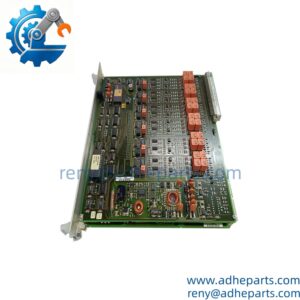
The HIMA F8621A is a coprocessor module designed for HIMA H41q and H51q HIQuad programmable electronic safety systems. It handles auxiliary processing and serial communication tasks, providing two galvanically isolated RS-485 interfaces for communication with external industrial equipment.
Its HD 64180 microprocessor, 384 KB static memory, and dual-port RAM interface support data exchange with the central processing unit. For legacy safety installations, maintaining the correct F8621A hardware and firmware configuration is essential when replacing a failed communication module or restoring an existing system.
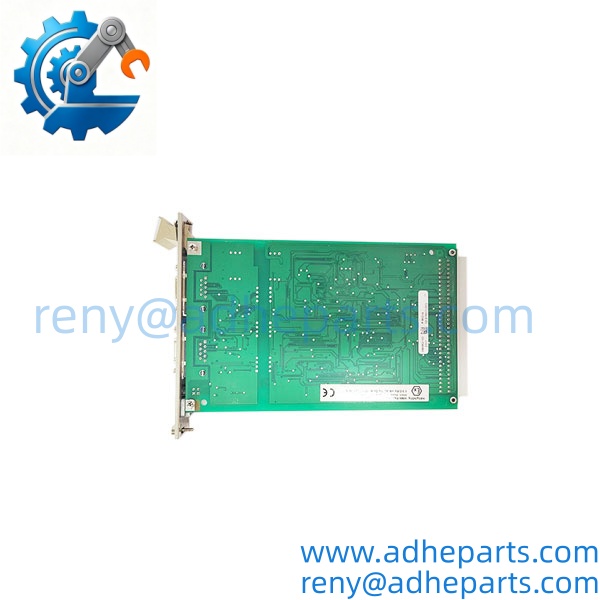
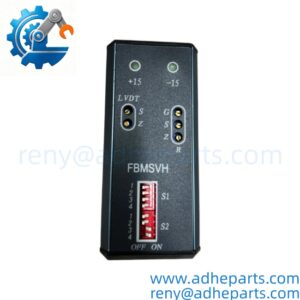
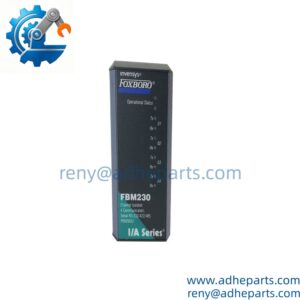
F8621A
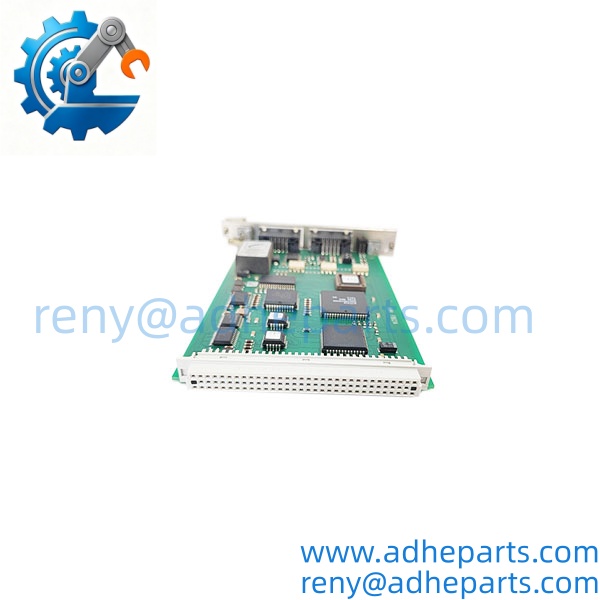
F8621A
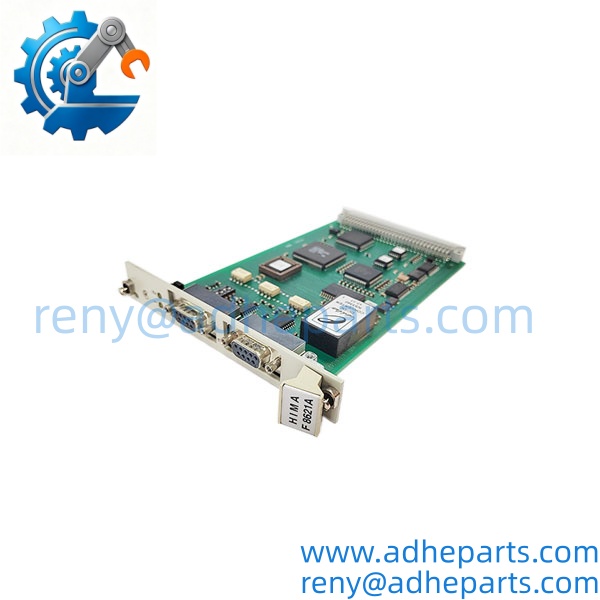
F8621A
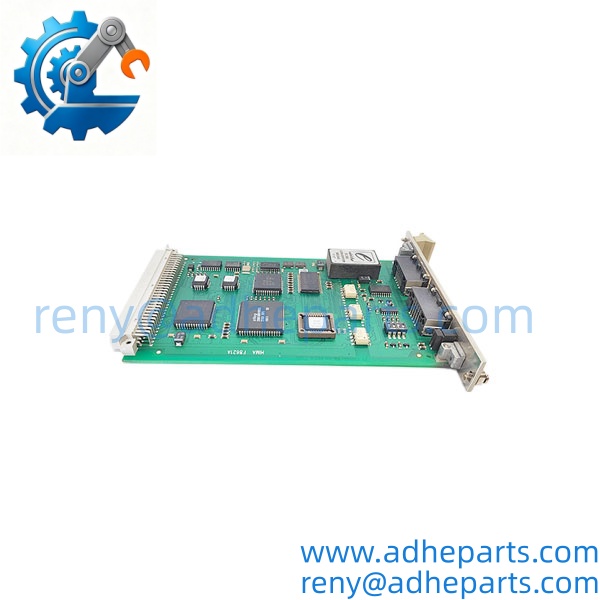
F8621A
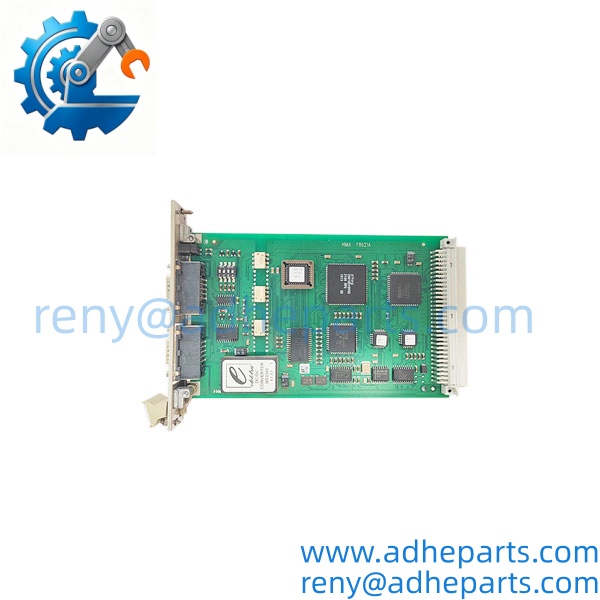
F8621A
Application Scenarios & Field Experience
Part 1 – Engineering Challenges
In continuous-process facilities, communication faults between a safety controller and external equipment can complicate troubleshooting and disrupt plant operations. A failed communication coprocessor may interrupt serial data exchange with supervisory systems or field devices.
The F8621A addresses this requirement within compatible HIMA HIQuad installations. Its dual RS-485 interfaces support serial communication, including Modbus-related applications. Here is the catch: replacing the physical module alone does not guarantee communication recovery. The original protocol configuration, firmware, and system parameters must also be checked.
Part 2 – Typical Application Scenarios
1. Oil & Gas – Pipeline Safety Monitoring
- Process: Pipeline pressure monitoring and emergency shutdown systems.
- Requirement: Serial communication between the safety controller and external monitoring equipment.
2. Petrochemical – Process Safety Systems
- Process: Reactor protection and process interlocking.
- Requirement: Auxiliary communication processing within an existing HIMA safety controller architecture.
3. Power Generation – Plant Control Integration
- Process: Turbine auxiliary systems and plant monitoring.
- Requirement: Serial data exchange between compatible safety systems and supervisory equipment.
4. Chemical Manufacturing – Safety Instrumented Systems
- Process: Reaction vessel protection and emergency shutdown.
- Requirement: Reliable communication between the HIMA safety platform and external serial devices.
Part 3 – Illustrative Field Case
A chemical processing facility experienced intermittent communication failures between its legacy HIMA safety controller and an external monitoring system. Initial checks identified abnormal communication behavior associated with the F8621A coprocessor. The maintenance team replaced the suspected module with a verified compatible unit and restored the original communication parameters. After checking the RS-485 connections and protocol handshake, communication was re-established.
Illustrative engineering scenario, not a documented customer case or a claim of a specific field installation.
Standard Operating Procedure (SOP) for Quality Control
Every F8621A supplied for industrial control applications should undergo model-specific inspection before dispatch.
1. Visual & Origin Inspection
- Verify the model number and product identification label.
- Inspect the PCB, connectors, component surfaces, and housing.
- Check available OEM packaging, labels, and identification markings.
- Examine signs of corrosion, physical damage, unauthorized modification, or previous repair.
- Record product condition and available origin documentation.
2. Live Rig Testing
- Inspect power supply requirements before applying power.
- Perform power-on checks using compatible test equipment.
- Check diagnostic indicators and module operating status.
- Verify RS-485 interface operation where suitable test equipment and configuration are available.
- Check communication handshakes and data exchange under an applicable test setup.
3. Firmware Verification
- Record identifiable firmware and hardware revision information.
- Compare revisions against the intended H41q/H51q system configuration.
- Verify communication parameters and protocol compatibility where accessible.
- Flag any revision differences for engineering confirmation before shipment.
4. ESD-Safe Packaging
- Handle electronic assemblies using ESD-protected procedures.
- Place the module in anti-static packaging.
- Add protective cushioning against mechanical shock.
- Use moisture-resistant outer packaging when required.
- Verify the shipping label, model number, and packing information before dispatch.
5. Pre-Shipment Documentation
- Provide actual product photographs upon request.
- Arrange live video inspection before shipment.
- Confirm the supplied model, condition, and warranty terms.
- Provide tracking information after dispatch.
Frequently Asked Questions (FAQ)
Q1: Is the HIMA compatible with other HIMA safety controller models?
A: The is associated with the HIMA H41q and H51q HIQuad platforms. Do not assume compatibility with HIMax or HIMatrix systems simply because they share the same manufacturer. Check the rack configuration, hardware revision, and system engineering documentation before ordering.
Q2: What warranty do you provide for the HIMA ?
A: We offer a 12-month warranty, subject to the confirmed order terms. The warranty covers qualifying product-related failures under normal operating conditions. Physical damage, incorrect installation, and unauthorized modifications are excluded.
Q3: Is the HIMA available from stock, and how quickly can it ship?
A: Stock availability and condition must be confirmed against the actual unit before ordering. We can provide product photographs and arrange a live video inspection. For available stock, our standard shipping arrangement is generally within one week after payment, subject to order confirmation.
Q4: Can firmware mismatches cause problems when replacing an ?
A: Yes. Firmware and hardware revision differences can affect system recognition, communication behavior, and configuration compatibility. Before replacement, record the existing module’s revision information and verify the required firmware against the installed HIMA system. Do not assume that two modules with identical model numbers are automatically interchangeable across every configuration.
Q5: What should engineers check before installing a replacement ?
A: Pay particular attention to these points:
- Confirm the correct rack position and module orientation.
- Verify the 5 V DC backplane supply requirements.
- Check RS-485 wiring, polarity, shielding, and termination.
- Confirm baud rate, parity, and Modbus configuration where applicable.
- Verify the module revision and existing system configuration.
Important: Never remove or insert the module under power unless the specific HIMA system documentation explicitly permits that operation. An incorrect replacement procedure can trigger a safety system fault or process trip. Follow the approved maintenance procedure and establish the required process safety conditions before installation.