Description
Note: Many products are not yet listed. Please contact us for more product information. Our supply channels are constantly expanding, and we currently have 20 stable shared supply channels. Please confirm the model, product, price, and all other necessary information with customer service before placing an order. We offer new, refurbished, and used products, and prices are adjusted according to the year of the item you require.
Key Technical Specifications
| Parameter | Value |
|---|---|
| Form Factor | Half‑height slot for standard 3500 rack |
| Ethernet Interface | RJ‑45 10BASE‑T (10 Mbps only), Modbus‑TCP server |
| Serial I/O (sub‑module dependent) | RS‑232 / RS‑422 / RS‑485 Modbus RTUBaker Hugh… |
| Typical Power Draw | 5.0‑5.6 W, backplane poweredBaker Hugh… |
| Data Refresh Rate | Max 1‑second full‑rack data update cycle |
| Operating Temperature | ‑30 °C to +65 °C (‑22 °F‑149 °F)Baker Hugh… |
| Status Indicators | OK LED, TX/RX rack‑bus activity LEDBaker Hugh… |
| Supported Protocols | Modbus‑TCP, Modbus RTU, BNC host protocol for configuration tool access |
| Hot‑Swap | Yes; can be replaced while rest of TSI rack remains online |
| Certifications | c‑UL‑us, CE for rotating‑machinery protection applications |
| Critical Note | Does NOT allow write access to TSI protection setpoints over Modbus; configuration changes require local TDI port |
Product Introduction
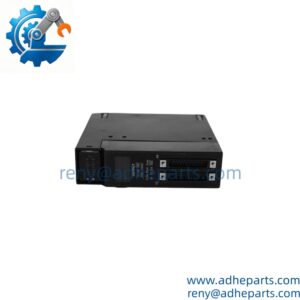
Unlike monitor cards that process raw transducer signals, the 3500/92 acts purely as a translation bridge between the 3500 internal rack bus and plant‑level host systems. It does not execute any protection voting logic, yet a misconfigured gateway can fully cut off DCS visibility of turbine alarm and vibration data.
Honestly, many site crews underestimate register‑map management. Swapping hardware and loading old configuration files can shift register offsets, so every replacement demands a spot‑check of live DCS tag values, not just link status.
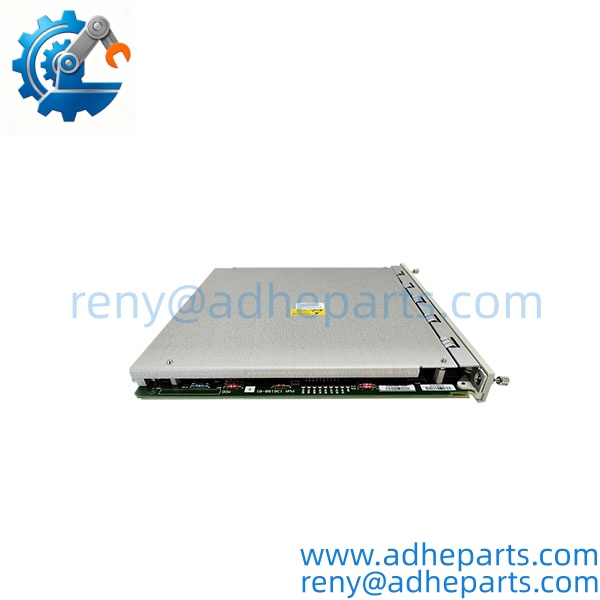
3500/92
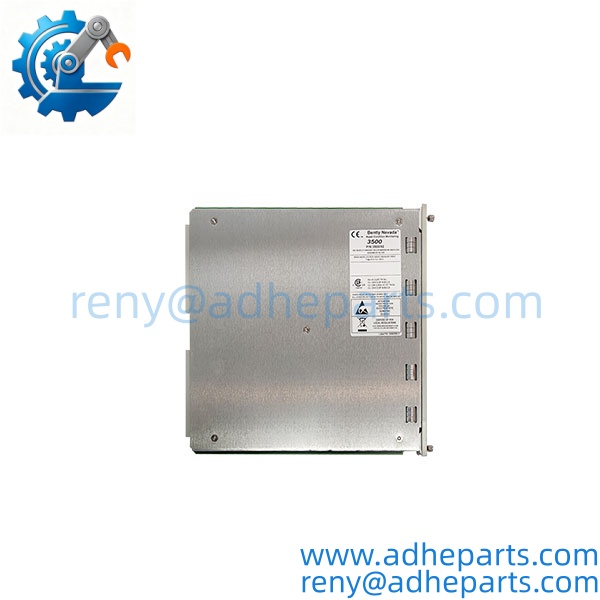
3500/92

3500/92
QC, Procurement & Logistics SOP
- Inbound Verification: Match full nameplate including sub‑module suffix code; capture serial and hardware revision. Inspect RJ‑45 jack and backplane gold edge contacts for scratching or oxidation.
- Live Rig Testing: Install in valid 3500 rack, apply backplane power. Confirm OK and TX/RX LED behavior. Validate Ethernet link negotiation, run Modbus‑TCP read test against simulated rack data, verify register‑map output consistency. Record firmware revision clearly.
- QA & Anti‑Static Packaging: Place module inside static‑shield bag. Use foam inserts to protect RJ‑45 port and edge connector. Enclose printed bench‑test summary sheet inside outer carton.
- Global Logistics & Export Compliance: Apply optimized HS code classification to reduce inspection hold‑ups. Carton reinforced for air or sea freight with shock warning labels. Full export documentation prepared, —though customs clearance in the EU might add 2 days.
Technical Pitfalls & Integration Warnings
- Firmware Rev Mismatch: A power‑plant site fitted a down‑revision 3500/92 into an existing rack. The Ethernet link pinged fine, but certain vibration registers returned invalid values, and some Modbus function codes threw exceptions. Protection logic stayed intact, yet DCS lost valid machinery data. Match firmware revision to your existing rack configuration standard.
- Configuration file loss risk: IP address, unit ID, and custom Modbus register map live inside module non‑volatile memory. A maintenance technician installed surplus hardware without reloading gateway parameters. Ping worked, but Modbus port 502 stayed closed. Always re‑apply full gateway configuration after hardware swap, do not rely on factory defaults.
- Wiring/Terminal incompatibility: This unit only supports 10 Mbps Ethernet. Connecting to auto‑gigabit switch ports without forcing port speed to 10‑Mbps half‑/full‑duplex creates unstable, intermittent link flapping. Several facilities spent hours troubleshooting DCS timeouts before fixing switch port hard‑setting.
- ESD destruction during unboxing: Ethernet physical‑layer circuits carry static vulnerability. A technician performing cabinet hot‑swap without wrist strap caused latent damage. Unit passes ping tests idle, but drops burst Modbus traffic under heavy rack‑data load during real turbine transients.
Frequently Asked Questions (FAQ)
Q: What lead times apply sourcing 3500/92 for urgent TSI‑DCS communication failure? A: Bench‑verified surplus stock can ship within 1‑3 working days. Factory‑new lead times vary by exact suffix sub‑module option; some variants carry multi‑week production cycles.
Q: What shipping and customs considerations apply cross‑border for this gateway module? A: Air freight fits urgent rotating‑asset monitoring outages; sea freight works best for scheduled turnaround projects. Complete export documentation is supplied. Some destination sites request machinery‑protection‑related documentation, which can extend local clearance timelines.
Q: Can I hot‑swap 3500/92 while the 3500 TSI rack stays online? A: Mechanical hot‑swap is supported. While swapping, all Modbus‑TCP and serial communication to DCS / SCADA drops completely. TSI protection, alarm and trip logic on other rack modules keeps running unaffected.
Q: Will 3500/92 allow me to modify alarm trip setpoints from DCS over Modbus‑TCP? A: No. Modbus interface is read‑only for process and status data. All protection‑setting edits must happen through the local TDI configuration port, never via network gateway.
Q: Does 3500/92 serve as direct drop‑in replacement for older 3500/90 gateway? A: Slot fit matches, but you must re‑build and download your complete Modbus register map. Old register offsets will not translate one‑to‑one. Expect DCS tag re‑mapping work post‑installation.
Q: What hidden defects appear commonly on pre‑owned 3500/92 units? A: Degraded Ethernet PHY that fails under high‑data burst load, worn gold backplane contacts, and outdated firmware with known Modbus function‑code bugs. Bench Modbus stress testing catches most of these risks.
Q: After installing surplus 3500/92, do original machinery‑protection system approvals remain automatically valid? A: Nameplate markings stay intact on hardware. The gateway itself does not impact protection voting logic, yet end‑user must complete full DCS‑TSI data‑validation test. Surplus hardware does not come with renewed OEM system‑level approval.