Description
Note: Many products are not yet listed. Please contact us for more product information. Our supply channels are constantly expanding, and we currently have 20 stable shared supply channels. Please confirm the model, product, price, and all other necessary information with customer service before placing an order. We offer new, refurbished, and used products, and prices are adjusted according to the year of the item you require.
3. Key Technical Specifications
Do not order against this table alone. I cannot confirm the module type, channel count, or electrical ratings from the model number. Match every line against the OEM datasheet for your specific system.
| Parameter | Value |
|---|---|
| Model | 5466-316 |
| Brand | Woodward |
| Product Family | Verify — confirm the host control platform |
| Module Type | Verify — confirm whether this is a controller, I/O card, communication module, or power supply |
| Compatible System | Verify — confirm the rack, chassis, or cabinet |
| Number of Channels | Verify with OEM datasheet |
| Input / Output Signal Type | Verify with OEM datasheet |
| Signal Range | Verify with OEM datasheet |
| Accuracy | Verify with OEM datasheet |
| Isolation | Verify — channel-to-channel and channel-to-ground |
| Power Supply | Verify — voltage rail and current draw |
| Connector Type | Verify — connector arrangement varies by build |
| Status Indicators | Verify — LED arrangement varies by revision |
| Operating Temperature | Verify for your cabinet ambient |
| Storage Temperature | –40 °C to +85 °C (typical — verify) |
| Humidity | 5% – 95% RH, non-condensing |
| Mounting | Verify — rack, panel, or DIN rail |
| Weight | Verify with OEM datasheet |
| Certifications | Verify on the specific unit’s label |
4. Product Introduction
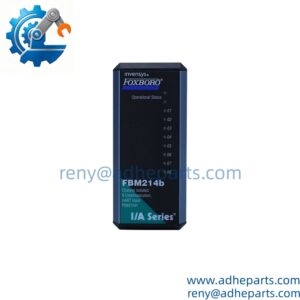
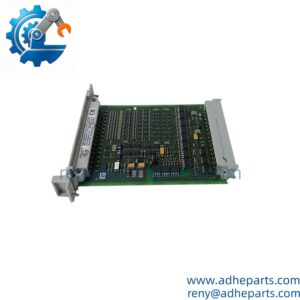
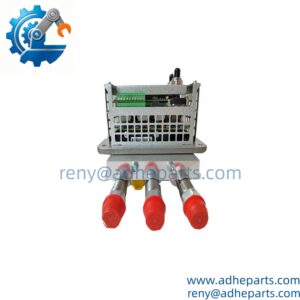
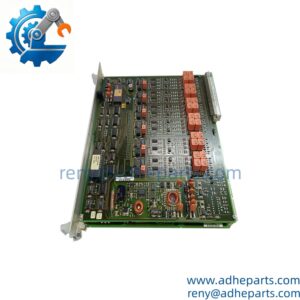
The Woodward 5466-316 is a Woodward control component whose exact function I cannot confirm from the model number alone. The 5466 prefix appears in Woodward’s control and I/O product lines, but without the host platform or a label photo, I cannot tell you whether this is a CPU, an I/O module, a communication card, or a power supply. I am not going to guess.
Here is what I can tell you as a straight answer: on Woodward hardware, compatibility is platform-specific and often revision-specific. A module that fits one rack may not initialize in another if the firmware revision is different or the backplane pinout varies. Before you order, read the label on the existing unit and cross-reference it against the OEM datasheet for your system. If you send me a photo of the part and the rack it came out of, I will confirm what you are looking at.
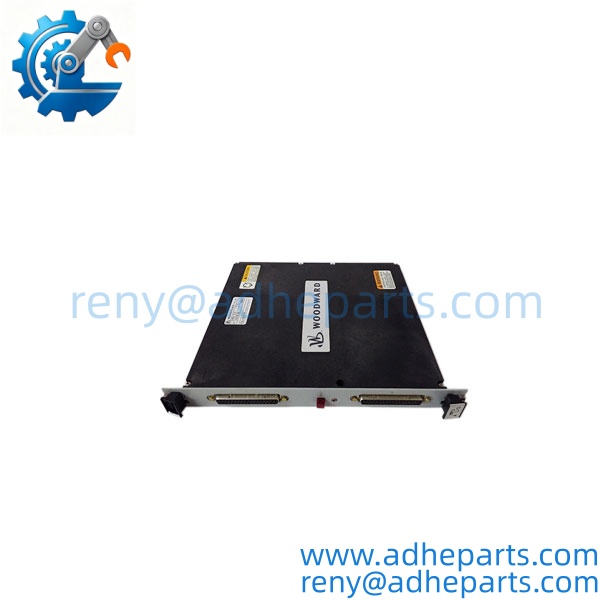
5466-316
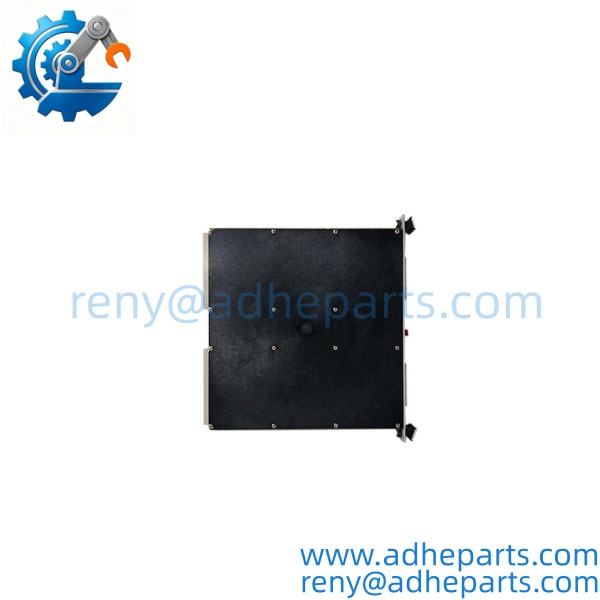
5466-316
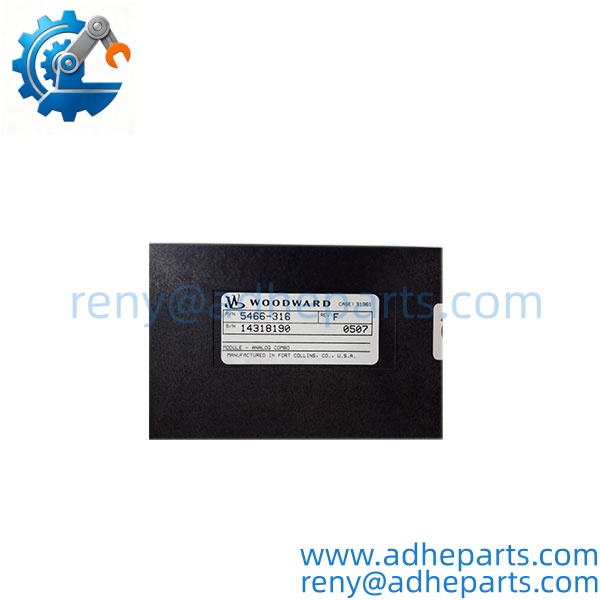
5466-316
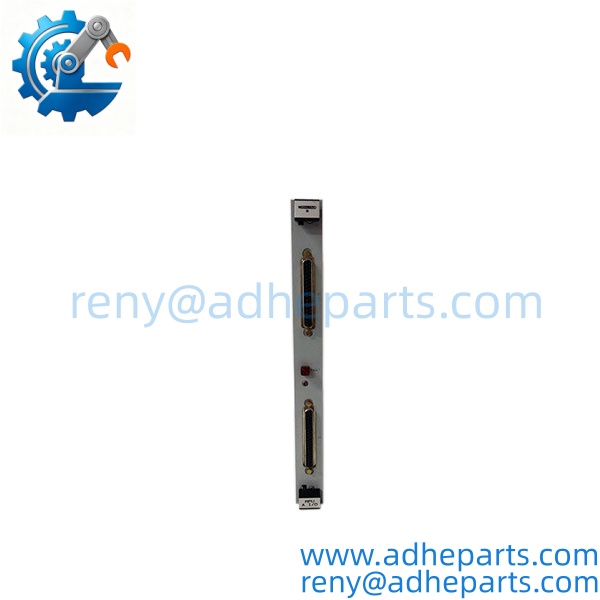
5466-316
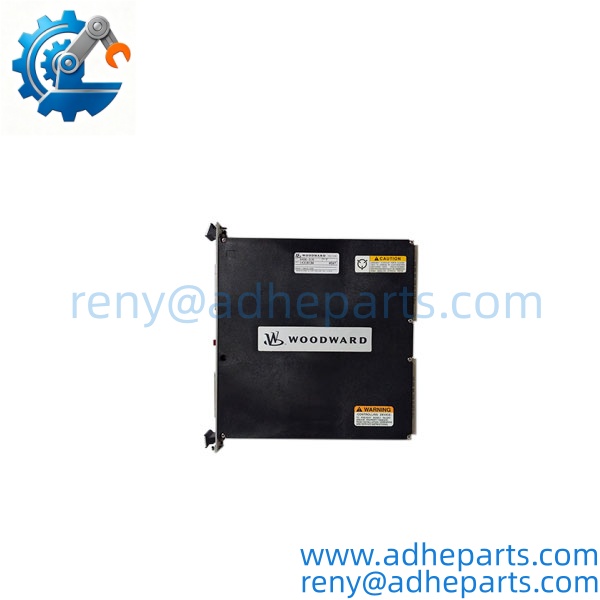
5466-316
5466-316
5466-316
5466-316
5466-316
5466-316
5. Application Scenarios & Field Experience
Part 1 – Narrative Paragraph
The failure that costs the most on a legacy control module is a mismatched revision that passes a bench check and still fails in the rack. I have seen a plant replace a control card with a newer revision and then chase a “communication fault” for a week. The card was fine. The backplane handshake had changed between revisions, and the controller would not recognize the module. On Woodward hardware of this generation, the revision suffix is not a cosmetic detail — it governs the firmware image and sometimes the connector keying. That is the rule that matters more than any single specification on the datasheet.
Part 2 – Numbered List (Application Scenarios)
- Power Generation – Turbine Control System Maintenance – The module is used in a Woodward control rack for steam or gas turbine auxiliary monitoring. A mismatched revision causes the controller to reject the module, and the operator loses visibility on the affected points.
- Oil & Gas – Compressor Station Control – Used to condition or communicate signals from field instruments. The module must match the rack’s input type and the field device’s output range, or the reading will be scaled incorrectly.
- Marine – Vessel Engine Control – The module interfaces engine sensors and actuators to the control system. A failed channel shows up as a frozen value or a non-responsive actuator.
- Industrial Plants – Legacy Control Retrofit – Used where a Woodward control system is still in service and the OEM no longer stocks the exact revision. Replacement is often the only path short of a full controller migration.
Part 3 – Short Field Story
A power plant had a legacy Woodward control system on a boiler auxiliary that started logging intermittent “I/O fault” alarms. The crew had replaced the field transmitter and the cable. The fault kept coming back. We asked for the module revision before shipping anything. It turned out the replacement module the plant had installed months earlier was a different revision than the original — same base part number, different suffix. The controller was rejecting the module under load, and the fault only appeared when the boiler was at high fire. We supplied a matching revision, and the alarms stopped. The hardware had been fine — the revision was wrong.
6. Standard Operating Procedure (SOP) for Quality Control
- Visual & Origin Inspection – We verify the Woodward marking, the 5466-316 model string, and the date code. We inspect connectors and the housing for cracks or moisture ingress. A module with a damaged connector or evidence of rework is rejected.
- Part Number and Revision Documentation – We read and photograph the full part number, the revision suffix, and any serial number or date code. That record ships with the module so you can compare it against the unit you are replacing.
- Compatibility Cross-Check – We verify the part number against the OEM documentation for the system you specify. A module that does not match the requested application is set aside rather than shipped.
- Power-Up Self-Test – The module is powered on a bench fixture at the specified rail voltage. We verify it initializes without a fault and that the status indicators show normal operation.
- Signal Path Verification – For signal conditioning modules, we apply a known input and measure the output against the OEM specification. Accuracy must stay within the datasheet limit.
- Isolation Test – We apply the rated isolation voltage between channels and between a channel and ground. Leakage current must stay below the datasheet limit.
- ESD-Safe Packaging – The module is wrapped in anti-static film, seated in a conductive foam insert with the connectors protected, and packed in a double-wall carton with static warning labels.
7. Frequently Asked Questions (FAQ)
Q1: What is the function of the Woodward 5466-316?
A: I cannot confirm the exact function from the model number alone. The 5466 prefix appears in Woodward’s control and I/O product lines, but I cannot tell you whether this is a CPU, an I/O module, a communication card, or a power supply. Send us a photo of the label and the rack or cabinet it came out of, and we will confirm it against the OEM documentation before you order.
Q2: Is this module compatible with all Woodward control systems?
A: No. Woodward hardware of this generation is system-specific and often rack-specific. A module that fits one chassis may not initialize in another if the firmware revision is different or the backplane pinout varies. Confirm compatibility against your system’s documentation before ordering.
Q3: What is the warranty on this module?
A: We offer a 12-month warranty from the ship date. It covers manufacturing defects under normal operating conditions. It does not cover damage from incorrect installation, mechanical impact, or operation beyond the rated range. For electrical components, the warranty is void if the part shows evidence of overvoltage or reversed polarity. Every module ships with a test report where applicable.
Q4: Do you actually have this in stock?
A: This is legacy inventory, and I will not pretend otherwise. Stock on Woodward modules of this class varies by revision, and the exact suffix you need may not be on the shelf. Confirm availability before you plan an outage. If we are out, we will tell you what we actually have rather than quote a date we cannot hold.
Q5: Any installation pitfalls I should watch for?
A: Four. First, power down the rack before inserting or removing the module — these modules are not hot-swap capable. Second, record the revision suffix and any jumper or switch settings from the old module before you remove it; the settings are not always stored in the controller. Third, confirm the revision on the replacement matches the module you are removing. Fourth, after the swap, verify the module is recognized by the controller and that the signal path is correct before you return the system to service. A module that powers up is not necessarily communicating correctly.