Description
Note: Many products are not yet listed. Please contact us for more product information. Our supply channels are constantly expanding, and we currently have 20 stable shared supply channels. Please confirm the model, product, price, and all other necessary information with customer service before placing an order. We offer new, refurbished, and used products, and prices are adjusted according to the year of the item you require.
Product Introduction
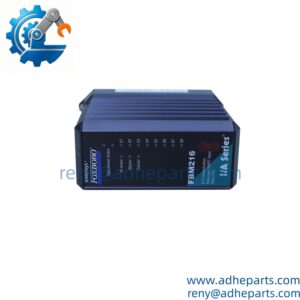
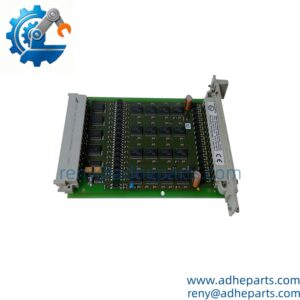
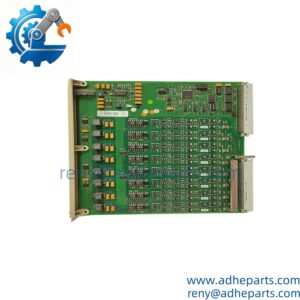
The AO3481 is a core analog output component for Tricon fault‑tolerant safety systems. Built around full triple modular redundancy, three independent internal processing lanes execute parallel computation and voting before driving each analog output channel. This architecture prevents single‑lane hardware faults from corrupting the field control signal.
Each channel delivers 4‑20 mA for modulating control valves, shutdown valve positioners and other safety‑related final elements. Built‑in diagnostics flag open‑circuit loops, short‑circuit conditions and internal lane mismatch. Hot‑swap capability permits online module replacement under running process conditions for supported Tricon firmware revisions. OEM manufacturing has ended; most end‑users procure AO3481 for spare‑part stock and emergency swap‑outs on existing installed SIS infrastructure. Full post‑replacement proof testing is mandatory for safety‑compliance validation.
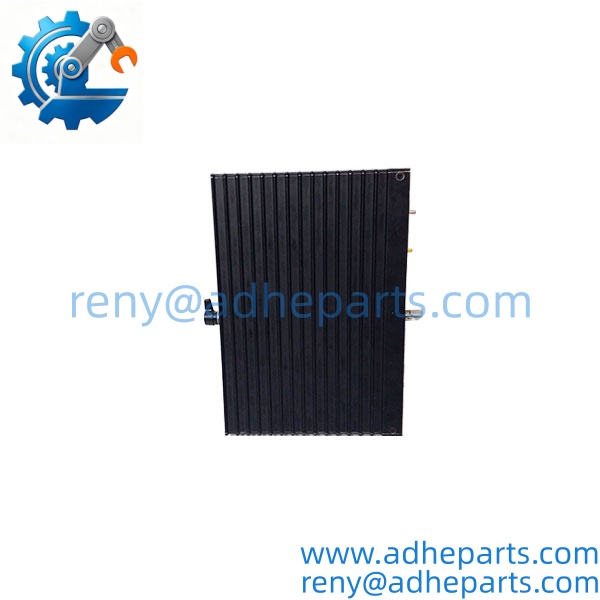
AO3481
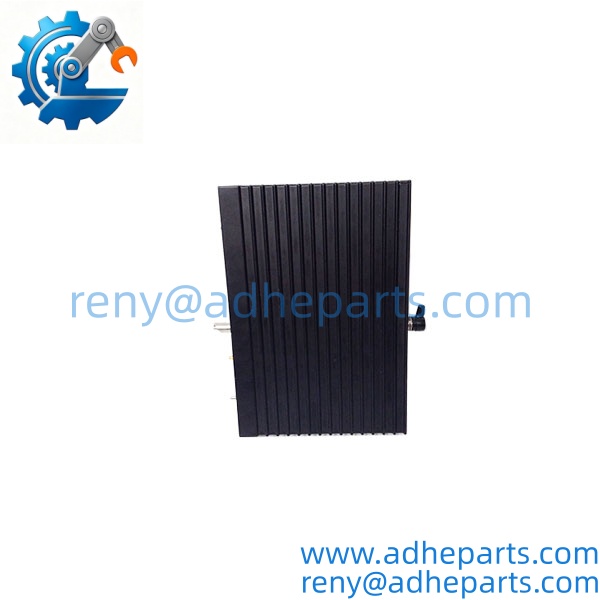
AO3481
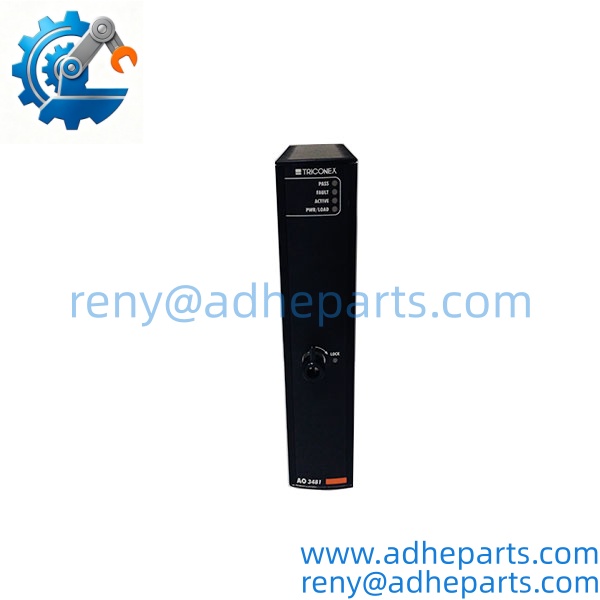
AO3481
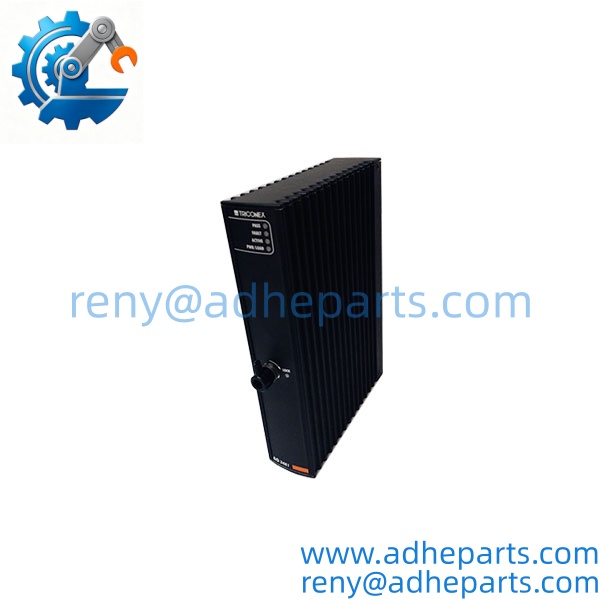
AO3481
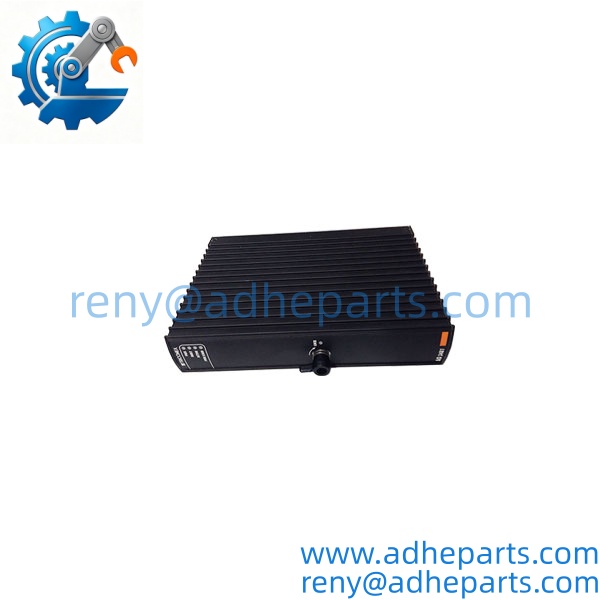
AO3481
Key Technical Specifications
| Parameter | Value |
|---|---|
| Architecture | TMR Triple Modular Redundancy, 2‑out‑of‑3 hardware voting |
| Number of Output Channels | 4 galvanically isolated analog output channels |
| Signal Range | 4‑20 mA controlled; 0‑22 mA over‑range capability |
| Output Accuracy | ≤ 0.25 % Full‑Scale Range |
| Resolution | 12‑bit |
| External Loop Supply | Max 32 VDC, nominal 24 VDC |
| Diagnostic Functions | Open‑wire detection, short‑circuit detection, lane‑to‑lane mismatch monitoring |
| Safety Certification | SIL3 IEC 61508, FMEDA documented |
| Feature Support | Hot‑swap (Tricon MP firmware v10 and above) |
| Per‑Channel Configuration | User‑selectable fail‑safe state per individual channel |
| Operating Ambient Temperature | ‑40 °C … +70 °C |
| Relative Humidity | 5‑95 % non‑condensing |
| Isolation Rating | Channel‑to‑backplane galvanic isolation |
| Lifecycle Status | Discontinued, no new OEM production; spare‑part only |
| Weight | 0.80 kg |
Field Application & Technical Pitfalls (The Engineer’s Guide)
Critical Industrial Scenarios
- Refinery & petrochemical ESD systems: Modulating shutdown valves and control valve positioners within safety‑instrumented loops for process over‑pressure and over‑temperature protection.
- LNG and gas‑processing plants: Fire‑and‑gas linked analog outputs driving process trip valves on Tricon SIS racks.
- Power‑generation safety systems: Safety‑related analog modulation for turbine steam valves in Tricon‑based safety racks.
Technical Pitfalls (Bold Warnings)
- ⚠️ Firmware / main‑processor version incompatibility: Hot‑swap and full diagnostic functionality only work on Tricon MP firmware v10 or newer. Installing an AO3481 into older chassis may trigger backplane bus faults, missing channel diagnostics or silent lane‑mismatch conditions without obvious hardware alarms. Always cross‑validate module firmware revision against host system before deployment.
- ⚠️ Mandatory safety proof‑test after replacement: Power‑on self‑test and TriStation online health status do not satisfy site safety compliance. After any module swap‑out, perform full channel‑by‑channel signal injection proof‑test to validate output accuracy, voting response and configured fail‑safe behavior. Skipping proof‑testing creates regulatory compliance risk.
- ⚠️ Mechanical keying damage risk: AO3481 uses dedicated mechanical keying on the edge connector. Forcing the module into a mismatched slot will destroy backplane connector pins and module circuitry. Inspect key profile prior to insertion; never force seating action.
- ⚠️ Ground‑loop induced output offset: Multiple grounding points on shielded field cabling create ground‑loop currents, introducing measurable 4‑20 mA offset error without triggering module fault diagnostics. Apply single‑point cabinet‑side shielding grounding practice for all analog output loops.
- ⚠️ ESD vulnerability during maintenance: Internal DAC and voting circuitry are highly static‑sensitive. Handling without ESD wrist strap and anti‑static mat can cause latent partial‑lane damage that only appears under high‑temperature operating conditions, producing intermittent lane‑mismatch alarms in service with no immediate bench‑test failure.
- ⚠️ Hot‑swap limitations in hazardous classified areas: While hardware supports hot‑swap, hot‑plug removal / insertion is prohibited inside classified hazardous zones unless area is confirmed non‑hazardous per site work‑permit rules.
Real‑world field anecdote: A petrochemical site swapped an AO3481 spare module during online operation. The host Tricon main processor ran legacy v9 firmware. Module seated with no front‑panel fault LEDs, TriStation showed module “OK” status. Over three weeks run‑time, one internal TMR lane drifted; lane‑mismatch diagnostics failed to activate due to firmware incompatibility. Safety‑loop proof‑test during next planned outage uncovered output deviation exceeding allowable error band. Upgrading main‑processor firmware and re‑performing full proof‑test corrected the condition.
Quality Control (QC) SOP & Transparency
- Inbound Verification: Confirm exact part number AO3481, serial number and hardware revision. Full visual inspection: examine edge‑connector keying pins for bending, burn marks or physical damage. Inspect front‑panel LED indicators, chassis for impact scratches or over‑heat discoloration. Reject units showing signs of field short‑circuit burn damage.
- Bench Power‑Up Test: Install module on validated Tricon test rack with compatible main‑processor firmware. Complete power‑on self‑diagnostic cycle; verify no persistent hardware‑fault or lane‑mismatch flags in TriStation diagnostic viewer. Review internal fault event log for historical channel errors.
- Channel Simulation Testing: Configure each channel across multiple set‑points spanning full 4‑20 mA range. Measure analog output value and confirm accuracy stays within published ±0.25 % FSR tolerance. Artificially induce open‑loop and short‑loop conditions to validate diagnostic alarm triggers. Force single‑lane fault conditions to verify TMR voting function and alarm reporting. Validate configurable fail‑safe state response.
- Final QA & Packaging: Document full bench‑test report including accuracy readings and diagnostic trigger results. Fit anti‑static protective cover over edge connector. Seal inside static‑shield bag, apply internal QC‑passed sticker recording test date and inspector ID. Package within heavy‑duty shock‑absorbent transit carton.
Frequently Asked Questions (FAQ)
Can I perform hot‑swap replacement while the SIS system remains online? Hardware hot‑swap is functional only with Tricon main‑processor firmware version v10 or higher. Even when supported, hot‑swap shall not be executed inside classified hazardous areas without proper work‑permit clearance.
What warranty terms apply for surplus or refurbished ? Twelve‑month standard warranty applies. Warranty excludes damage caused by ESD mishandling, field‑side short‑circuits, ground‑loop damage, firmware‑mismatch mis‑application, and omissions of mandatory on‑site safety proof‑testing. End‑user retains full responsibility for SIS loop commissioning and compliance validation.
Is there a direct drop‑in OEM replacement for discontinued ? No pin‑to‑pin drop‑in successor. Platform migration requires rack modification, I/O base rewiring, full SIS re‑validation and proof‑testing. Most facilities rely on bench‑tested surplus / refurbished for existing Tricon installations.
Will bench testing on our test rack satisfy site SIL compliance requirements? Bench testing validates module‑level hardware performance only. Full site‑specific proof‑test connected to actual field final control elements is mandatory to meet IEC 61511 safety‑loop compliance; bench‑test results cannot substitute for field proof‑test.
What does a lane‑mismatch alarm indicate? A lane‑mismatch alarm signals deviation among the three internal TMR processing lanes. It indicates hardware degradation or signal drift. The module maintains safe output via voting logic, but the fault must be resolved promptly; continued operation with unresolved lane mismatch erodes SIL‑3 redundancy coverage.
Does support HART protocol signals? Standard does not natively support HART. HART‑enabled field devices require dedicated HART‑compatible I/O base hardware. Confirm base catalog number during system design.
今天 10:45