Description
Note: Many products are not yet listed. Please contact us for more product information. Our supply channels are constantly expanding, and we currently have 20 stable shared supply channels. Please confirm the model, product, price, and all other necessary information with customer service before placing an order. We offer new, refurbished, and used products, and prices are adjusted according to the year of the item you require.
3. Product Introduction (Anti-Template)
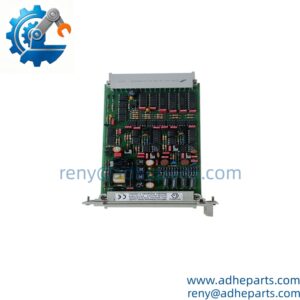
Safety instrumented systems depend on reliable detection of proximity switches and limit sensors. The F3237 provides eight monitored input channels specifically designed for NAMUR sensors and resistor-wired contacts in HIMA fail-safe controllers.
It continuously supervises each field circuit for open-wire and short-circuit conditions while meeting requirement classes AK 1 through AK 6. Plants that run HIMA safety systems keep this module on the critical-spares list because loss of a safety input card can force multiple interlocks into a safe state until a replacement is installed and validated.
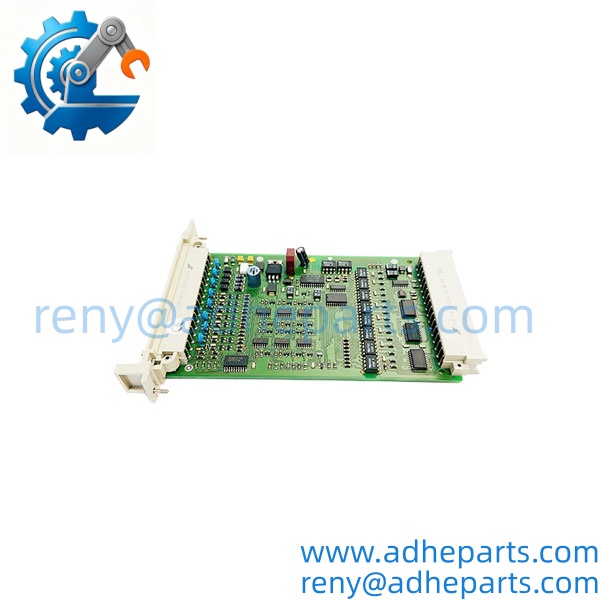
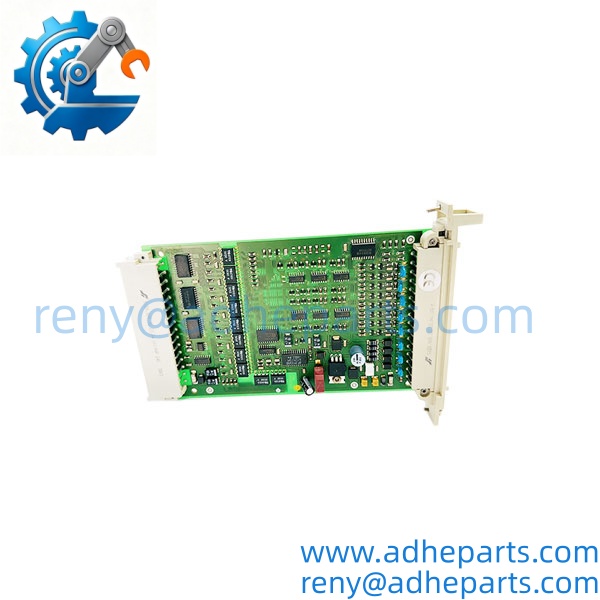
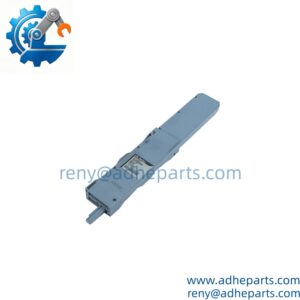
F3237
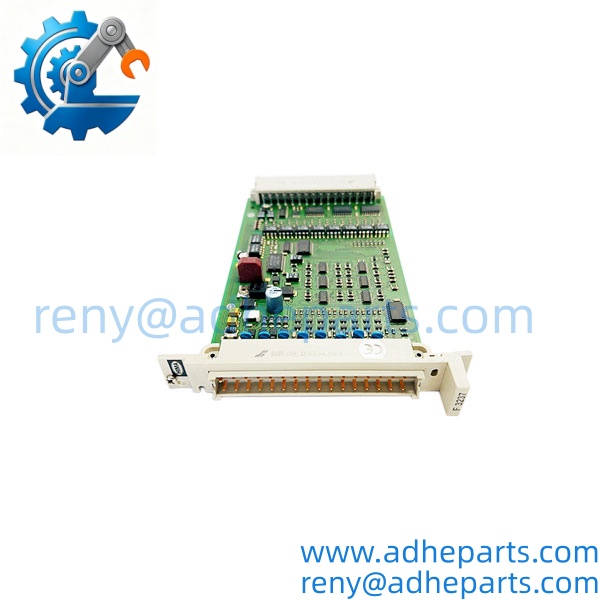
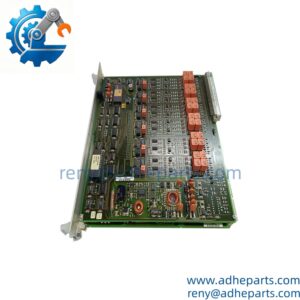
F3237
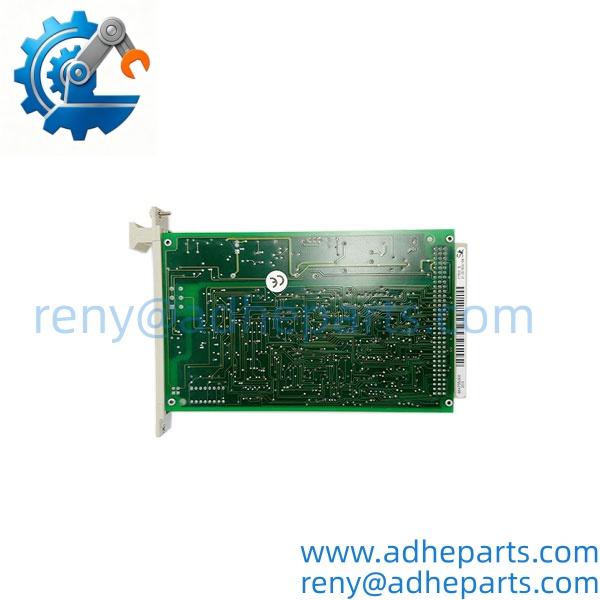
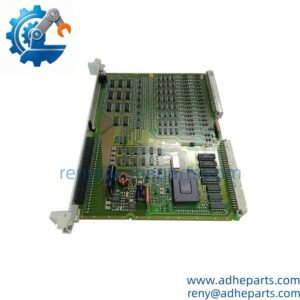
F3237
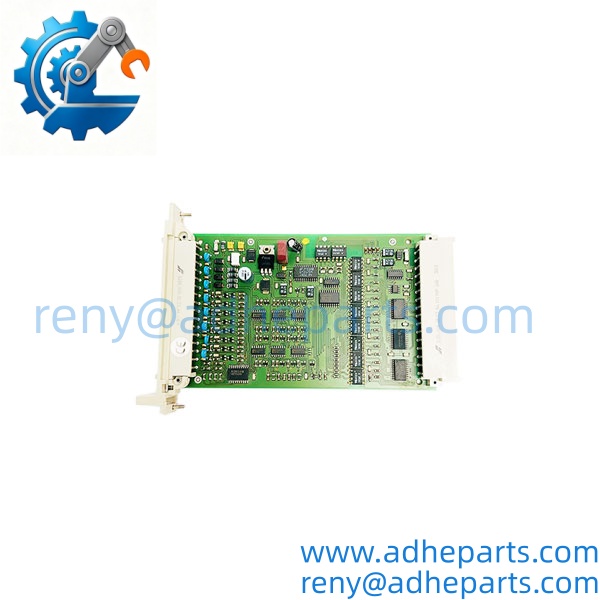
F3237
4. Key Technical Specifications
| Parameter | Value |
|---|---|
| Input Channels | 8 |
| Sensor Type | NAMUR proximity switches (DIN 19234 / EN 60947-5-6) and resistor-wired sensors |
| Safety Requirement | AK 1 to AK 6 |
| Switching Time | Approximately 10 ms |
| 0-Signal Current | 0.35 – 1.2 mA |
| 1-Signal Current | 2.1 – 6.0 mA |
| Wire-Break Threshold | ≤ 0.28 mA |
| Short-Circuit Threshold | ≥ 6.5 mA |
| Sensor Supply | 8.2 V |
| Max Line Resistance | 50 Ω |
| Max Cable Length | 1000 m (0.5 mm²) |
| Space Requirement | 4 TE |
| Power Consumption | 5 V / 90 mA; 24 V / 170 mA |
5. Field Application & Technical Pitfalls (The Engineer’s Guide)
This module is used in emergency shutdown systems, burner management, compressor protection, and reactor interlocks where NAMUR proximity switches provide the primary safety status. Continuous line monitoring and automatic self-tests support high diagnostic coverage.
Three pitfalls appear during replacement:
Sensor compatibility – some low-current NAMUR sensors can fall below the wire-break threshold in the undamped state; a parallel resistor may be required.
Cable resistance and length – exceeding 50 Ω or 1000 m can shift the operating points and generate false diagnostics.
Shunt resistor integrity – the internal 681 Ω shunt resistors are critical; damage or incorrect replacement affects threshold accuracy.
One plant replaced a module and immediately saw multiple wire-break alarms. The new card was healthy; several field sensors produced less than 0.28 mA in the open state. Adding the recommended parallel resistors restored normal operation.
6. Quality Control (QC) SOP & Transparency
- Inbound Verification – OEM labeling, part number, and revision are photographed and checked against the packing list; any signs of prior field use are noted.
- Live Rig Testing – module is installed in a known-good HIMA chassis, powered, and exercised with simulated NAMUR signals on multiple channels.
- Parameter Testing – 0/1 thresholds, wire-break and short-circuit detection, and self-test behavior are verified.
- Final QA & Packaging – unit is sealed in an anti-static bag with desiccant, fitted with a QC-passed label showing test date and technician ID, then double-boxed for shipment.
7. Frequently Asked Questions (FAQ)
What sensors can be connected to the F3237?
NAMUR proximity switches according to DIN 19234 / EN 60947-5-6 and resistor-wired sensors.
Does it monitor for line faults?
Yes. The module continuously detects both wire-break (≤ 0.28 mA) and short-circuit (≥ 6.5 mA) conditions.
What safety requirement class does it support?
AK 1 through AK 6.
How many channels does it provide?
8 independent input channels.
What warranty comes with a new-surplus unit?
Twelve months from shipment against defects in materials and workmanship when installed within the published ratings.
How do I confirm the module is healthy after installation?
Apply system power, inject known 0-signal and 1-signal currents on several channels, verify correct status in the safety controller, force a wire-break and short-circuit condition on a test channel, and confirm that diagnostics are reported correctly with no unexpected module faults.