Description
Note: Many products are not yet listed. Please contact us for more product information. Our supply channels are constantly expanding, and we currently have 20 stable shared supply channels. Please confirm the model, product, price, and all other necessary information with customer service before placing an order. We offer new, refurbished, and used products, and prices are adjusted according to the year of the item you require.
3) Key Technical Specifications
| Specification | Details |
|---|---|
| Manufacturer | General Electric |
| Model | IS220UCSAH1A |
| Controller Designation | UCSA |
| Product Family | Mark VIe |
| Processor | Freescale PowerQUICC II Pro |
| Processor Clock | 667 MHz |
| Control Role | Real-time application execution and I/O coordination |
| Network Architecture | IONet-based distributed I/O |
| Installation | Panel-mounted |
| Operating Temperature | 0 to +60°C, according to GE product-family documentation |
| Cooling | Convection |
| Storage Temperature | -40 to +85°C, according to GE product-family documentation |
| Humidity | Up to 95%, non-condensing |
| System Configuration | Simplex, dual, or TMR, depending on the overall system design |
Specification note: GE’s published product-family material confirms the processor and environmental information. The exact port assignment, memory configuration, power-input limits, and installed firmware should be confirmed against the applicable IS220UCSAH1A hardware manual and nameplate before being used for engineering substitution.
4) Product Introduction — Anti-Template
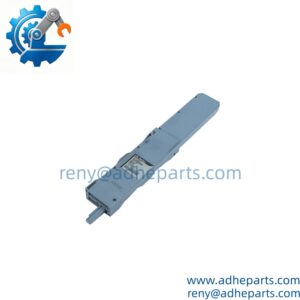
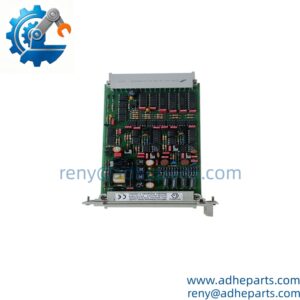
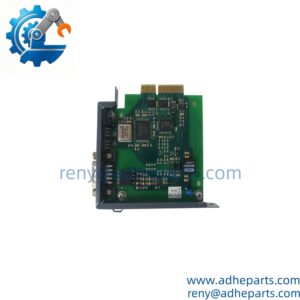
The GE IS220UCSAH1A Mark VIe controller serves as a computing component in turbine automation systems, executing application logic and coordinating data exchange with distributed I/O hardware. It supports the control architecture used to manage equipment status, sequencing, and process-related operating functions.
For maintenance teams, the controller should be treated as part of a configured control system rather than an independent plug-in CPU. The existing application, IONet topology, controller redundancy, and firmware revision all affect replacement planning. Matching the part number is essential, but it does not eliminate the need for system-level verification.
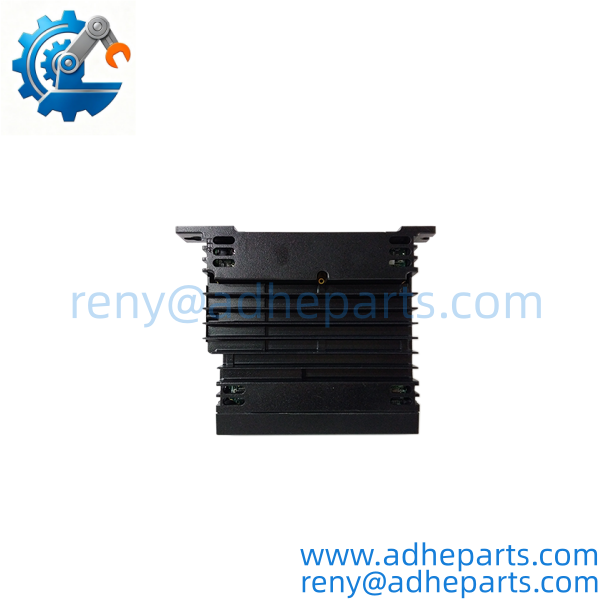
IS220UCSAH1A
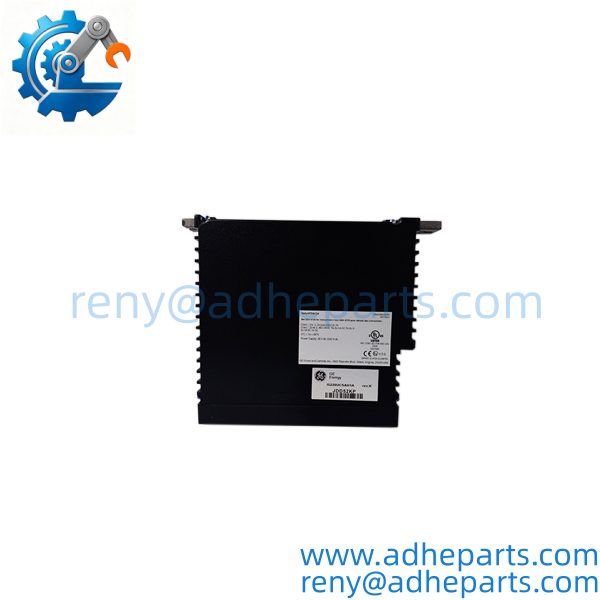
IS220UCSAH1A
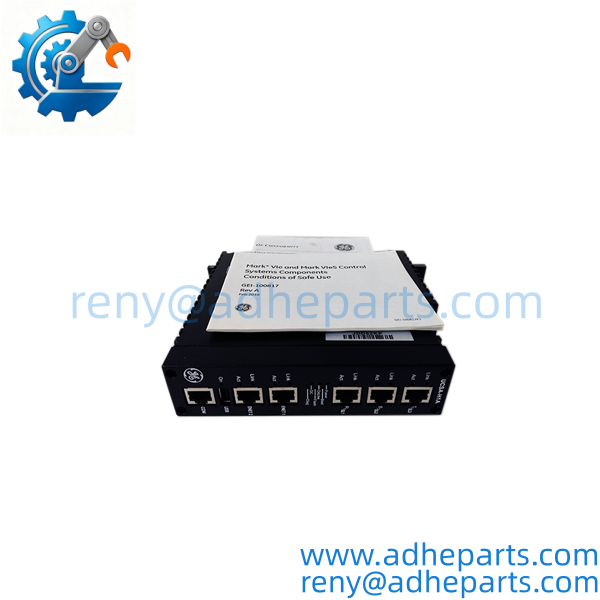
IS220UCSAH1A
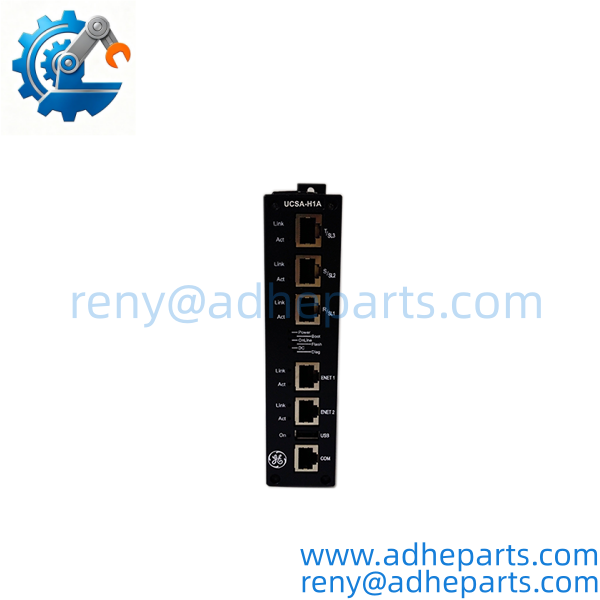
IS220UCSAH1A
5) QC, Procurement & Logistics SOP
1) Incoming Inspection
Before shipment, verify:
- Complete part number: IS220UCSAH1A
- Nameplate, serial number, and hardware revision
- Housing, mounting points, and connector condition
- Signs of overheating, corrosion, impact, or prior repair
- Connector pins and power-interface condition
- Any available service or test records
Photograph the actual unit and identification label for buyer confirmation.
2) Electrical and Functional Verification
Testing should use a compatible Mark VIe test environment and an approved procedure.
- Inspect power connections and protective grounding.
- Confirm controller startup and diagnostic indications.
- Verify controller recognition by the intended system.
- Check IONet communication with the configured I/O network.
- Confirm application and hardware configuration compatibility.
- Review controller fault logs and communication status.
- Perform system-level checks before authorizing operational use.
A successful power-up test alone does not demonstrate that a controller can execute the customer’s turbine application correctly.
3) Application and Configuration Backup
Before replacing an installed controller, document the existing hardware configuration, application version, controller role, network connections, and redundancy arrangement.
Back up the application and relevant configuration using the approved engineering tools and site procedure. Do not assume a replacement controller contains the original control logic or configuration.
4) ESD Protection and Packaging
Use ESD-safe handling and protective packaging. Secure the controller against movement, protect connectors from impact, and use a rigid outer carton with suitable cushioning and moisture protection.
5) Global Logistics and Export Compliance
Confirm the following before dispatch:
- Agreed Incoterms rule and delivery destination
- Lead time and shipment method
- Commercial invoice and packing list
- Country-of-origin documentation
- Applicable export-control and destination requirements
- Customs classification based on the actual product and transaction
Suggested commercial description:
GE Mark VIe UCSA Turbine Control Processor, Model IS220UCSAH1A
6) Technical Pitfalls & Integration Warnings
1) Do Not Confuse the Controller with an I/O Pack
The IS220UCSAH1A is a controller processor, not a conventional analog or digital I/O module. It executes application logic and coordinates communication with the distributed I/O system.
2) Verify the Controller Architecture
GE Mark VIe systems can use simplex, dual, or triple-modular-redundant configurations. The number of controllers and I/O networks depends on the system design. A replacement must match the required controller role and redundancy configuration.
3) Check IONet and Network Configuration
Confirm the correct network connections, cable routing, controller identity, and I/O assignments. An incorrectly configured network can prevent the controller from communicating with its intended I/O modules even when the hardware itself is functional.
4) Firmware and Application Compatibility
Verify the installed firmware, application version, and engineering-tool compatibility before commissioning. Do not assume that the same model number guarantees that the existing application can be loaded without further checks.
5) Confirm the Exact Hardware Revision
Check the complete part number and revision against the installed system documentation. Do not substitute a newer controller family or a different processor variant solely because it belongs to the Mark VIe family.
6) Turbine Safety and Commissioning
Controller replacement can affect sequencing, permissives, alarms, and protective functions. Follow the approved maintenance procedure, preserve required interlocks, and complete the necessary functional checks before returning the turbine or compressor to service.
7) Frequently Asked Questions
Q1: What is the GE ?
It is a UCSA controller processor for GE Mark VIe turbine control systems.
Q2: What processor does the use?
GE documentation identifies a 667 MHz Freescale PowerQUICC II Pro processor.
Q3: Is the a PLC I/O module?
No. It is a controller processor that executes control logic and coordinates the distributed I/O architecture.
Q4: Can it be used in a redundant turbine control system?
Mark VIe supports simplex, dual, and TMR architectures, but the exact controller role and hardware configuration must be verified for the target installation.
Q5: Can I replace it with an IS420UCSBH1A?
Do not assume direct interchangeability. The and IS420UCSBH1A are different controller models with different processor hardware. Verify system compatibility, firmware, application requirements, and the manufacturer’s replacement guidance before substitution.
Q6: What information should I provide when requesting a quotation?
Provide the complete model number, nameplate and revision photos, installed Mark VIe system configuration, controller role, and any relevant fault messages.
Q7: What should be verified after installation?
Confirm startup diagnostics, controller recognition, IONet communication, application compatibility, controller redundancy status, and relevant control-system checks before returning equipment to service.