Description
Note: Many products are not yet listed. Please contact us for more product information. Our supply channels are constantly expanding, and we currently have 20 stable shared supply channels. Please confirm the model, product, price, and all other necessary information with customer service before placing an order. We offer new, refurbished, and used products, and prices are adjusted according to the year of the item you require.
3. Product Introduction
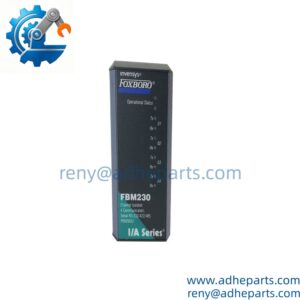
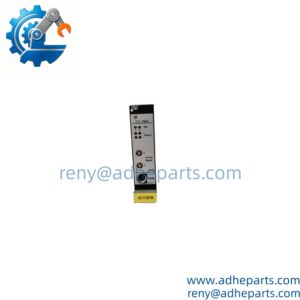
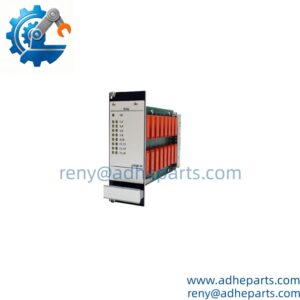
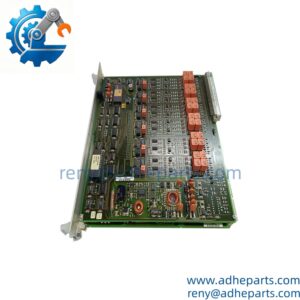
As a conformal-coated relay output module in ABB’s S800 I/O family, the IORE63-20-CC drives solenoids, contactors, and lamps from a remote I/O station. It seats on an S800 base and communicates through the station’s bus interface, with sixteen isolated relay contacts doing the switching. The CC suffix matters: the coating protects the board in humid, corrosive, or dusty cabinets where a standard card would corrode (—though your mileage may vary depending on the cabinet environment). Replacement speed is the real edge when a bank of outputs welds shut.
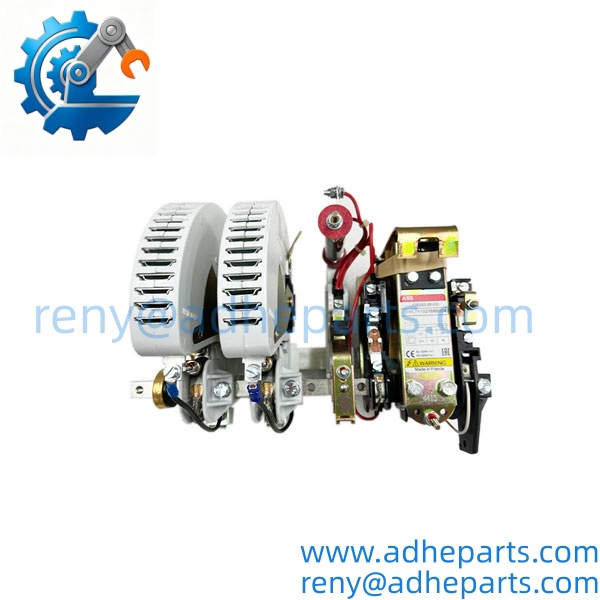
IORE63-20-CC
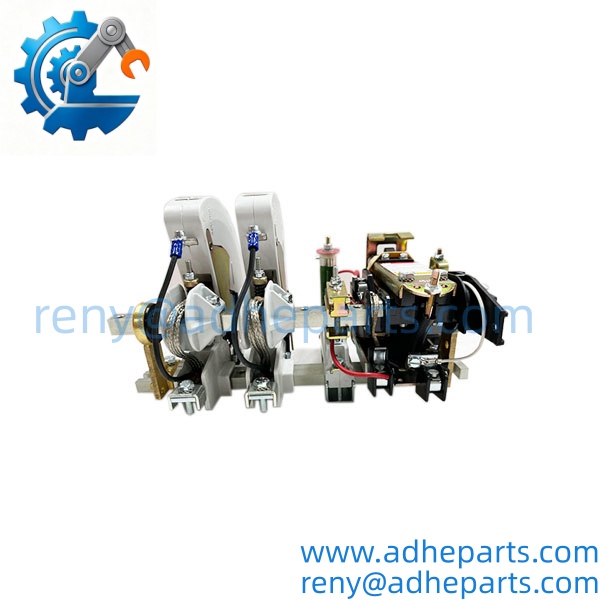
IORE63-20-CC
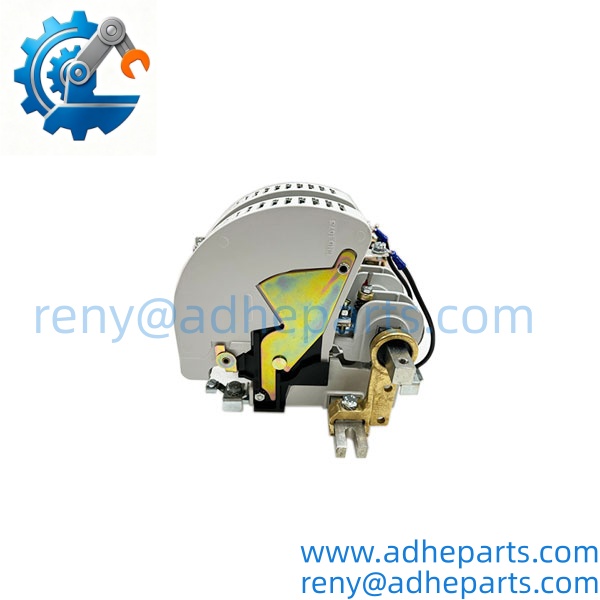
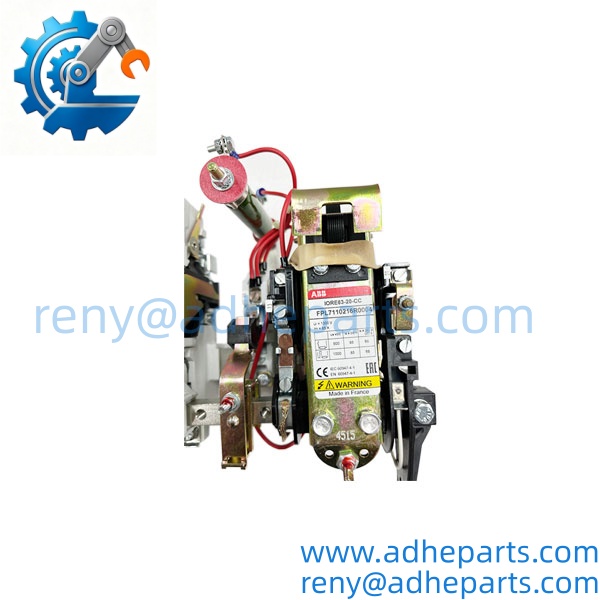
IORE63-20-CC
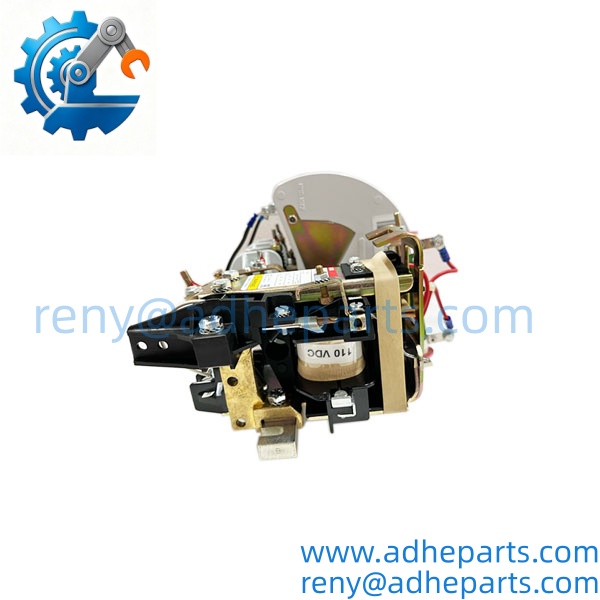
IORE63-20-CC
4. Key Technical Specifications
| Parameter | Value |
|---|---|
| Catalog Number | IORE63-20-CC |
| Brand | ABB |
| Product Type | S800 I/O digital relay output module, conformal coated |
| Host Platform | S800 I/O base — confirm base part number and slot restrictions |
| Output Points | 16 relay output channels — verify exact count with OEM datasheet |
| Output Type | Isolated relay contacts — normally open per channel |
| Contact Rating | Verify exact per-point and per-group rating with OEM datasheet |
| Load Voltage | AC and DC within contact rating — confirm exact limits with OEM datasheet |
| Coating | Conformal coating (CC) for harsh environments |
| Communication | S800 I/O bus via station bus interface unit — confirm station addressing |
| Configuration | Station configuration file; output mapping must match the slot |
| Operating Temperature | Verify exact range with OEM datasheet |
| Hot Swap | Confirm permission in the OEM manual before live removal |
5. Field Application & Technical Pitfalls (The Engineer’s Guide)
Where this module is critical:
- Chemical and petrochemical plants where corrosive atmospheres eat standard boards and the conformal coating earns its keep.
- Water and wastewater stations with humid cabinets, where relay outputs drive pump starters and alarm lamps.
- Remote I/O stations on material handling or packaging lines where mixed AC/DC loads sit in one panel.
Three pitfalls that bite during replacement:
- Contact rating versus inrush current. Warning: a relay rated for a resistive load does not automatically handle a contactor coil or solenoid inrush. Inductive loads pull several times rated current at pickup, and a relay that looks fine on a lamp bank will weld its contacts on a coil. Check the load type, not just the steady-state amps.
- Common grouping and terminal mapping. Warning: the module groups outputs into commons, and a replacement revision can look identical while the terminal order differs. Photograph the terminal block before removal and confirm the common grouping against the OEM drawing. A swapped common ties two independent circuits together.
- Coating damage, group supply fusing, and hot-swap permission. Warning: the conformal coating is the whole point of the CC build. Do not scrape it with a probe tip or solvent-clean the board, because you trade a working module for a corrosion path. Confirm each group’s supply and fuse before power-up. Do not assume live removal is allowed — remove station power and ground yourself before touching the backplane connector.
Lesson learned: A technician replaced a failed relay module, powered up, and watched a contactor coil chatter at every cycle. Root cause: the replacement revision grouped commons differently, and two outputs shared a return path. The module was good; the terminal map was not. Two hours of troubleshooting for a five-minute photo.
6. Quality Control (QC) SOP & Transparency
- Inbound Verification. Each module is checked against the OEM packing list, label typography, serial number format, and date-code range. Coating condition and connector state are logged before the unit enters stock.
- Live Rig Testing. The module is seated on a compatible S800 I/O base with a bus interface test fixture. We power on, confirm station recognition, and switch each relay output through a resistive load while measuring contact continuity.
- Parameter Testing. Contact resistance, isolation between channels and backplane, and backplane current draw are checked against the OEM datasheet where published. Undocumented values are flagged for buyer confirmation rather than guessed.
- Final QA & Packaging. The module ships in an anti-static bag with a QC-passed label, a test record showing the revision and output readings we verified, and photos of the terminal layout when available.
7. Frequently Asked Questions (FAQ)
Can I hot-swap this module in a live I/O station? Do not assume so. Some hardware supports live removal, but the OEM manual and your site procedure decide. If live removal is not explicitly permitted for that base, remove station power first.
How do I confirm it matches my station? Send the base part number, bus interface unit model, station address, old module label photo, and the loop drawing. We cross-check the catalog number and test record before shipping. Exact fit still depends on the OEM support matrix for your station.
What’s the warranty? 12 months from delivery for functional failure under normal operation. Terminal blocks and fuses, if present, carry a 90-day replacement guarantee.
How can I tell genuine OEM from refurbished? Genuine units carry the original ABB label with consistent typography and a traceable serial number. Refurbished units carry our QC tag in addition to the OEM label, and we disclose condition on the quote.
What does the CC suffix actually mean? Conformal coating — a protective film over the board for humid, corrosive, or dusty environments. It is not a license to skip cabinet sealing, but it extends service life where a standard board would corrode.
Will it drive a contactor coil directly? Only if the coil inrush and holding current sit inside the contact rating with margin. Add suppression across the coil, because a missing snubber shortens contact life and can fault the output path.
What do you need to quote the right replacement? Base part number, bus interface unit model, station address, old label photo, and loop drawing. That five-minute upload prevents most wrong-part returns.