Description
Note: Many products are not yet listed. Please contact us for more product information. Our supply channels are constantly expanding, and we currently have 20 stable shared supply channels. Please confirm the model, product, price, and all other necessary information with customer service before placing an order. We offer new, refurbished, and used products, and prices are adjusted according to the year of the item you require.
3. Key Technical Specifications
| Parameter | Value |
|---|---|
| Product Designation | 573-935-202C |
| Manufacturer | Vibro-Meter (Meggitt) |
| Type | Circuit Board / PCB Assembly |
| Typical Application | Vibration monitoring, machinery protection, or signal conditioning systems |
| Form Factor | Printed circuit board (exact dimensions variant-dependent) |
| Compatibility | Vibro-Meter / VM600-related or legacy monitoring systems |
| Function Category | Signal processing, amplification, or interface board |
4. Product Introduction (Anti-Template)
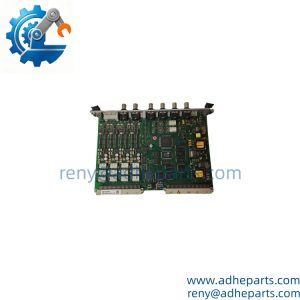
The 573-935-202C is a circuit board manufactured by Vibro-Meter for use in industrial vibration and machinery monitoring systems. It forms part of the electronic hardware that supports signal conditioning, amplification, or interfacing functions within the broader Vibro-Meter product range.
These boards are typically installed inside monitoring racks, protection systems, or associated electronics enclosures. Because Vibro-Meter equipment is widely used on critical rotating machinery (turbines, compressors, generators), replacement boards must match the original hardware revision to maintain system integrity and diagnostic compatibility. Exact functionality depends on the specific system configuration in which the board is used.
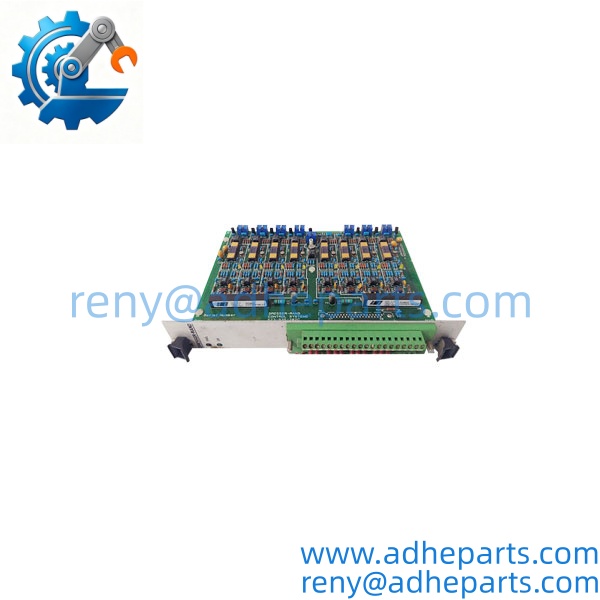
573-935-202C
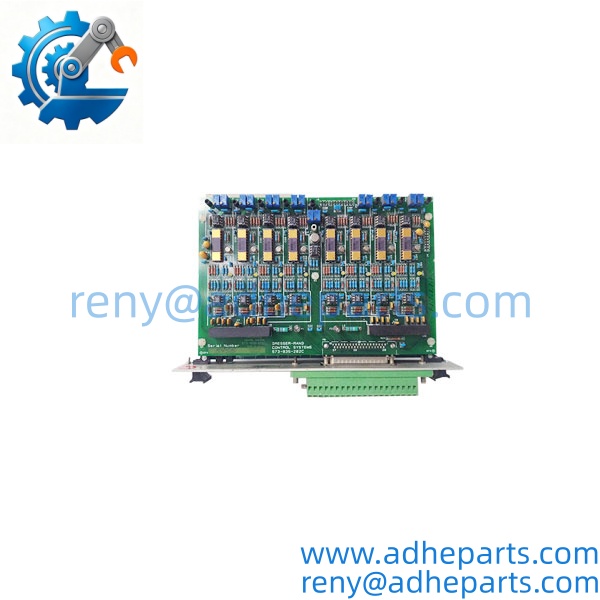
573-935-202C
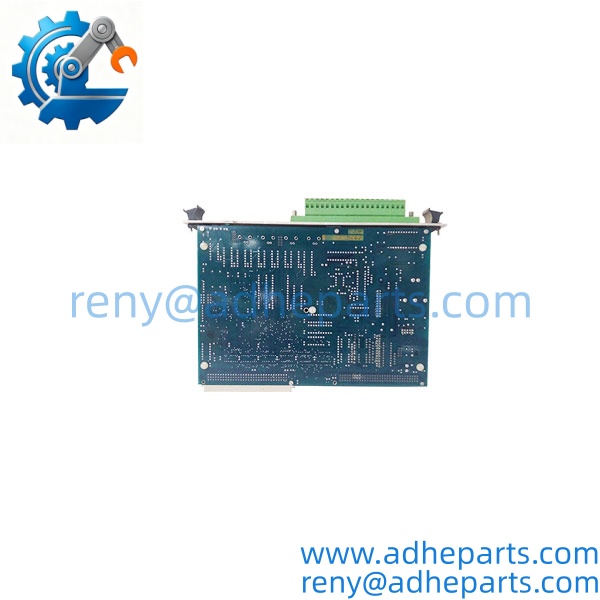
573-935-202C
5. QC, Procurement & Logistics SOP
- Inbound Verification – Confirm full part number (573-935-202C), revision marking, connector condition, and absence of physical damage or corrosion. Photograph all labels.
- Live Rig Testing – Install in a compatible Vibro-Meter chassis or test fixture where possible, apply power, and verify basic board recognition or signal path continuity.
- QA & Anti-Static Packaging – After inspection, protect all connectors and edge contacts, clean the board, and seal in anti-static shielding with desiccant.
- Global Logistics & Export Compliance – Classify under the correct HS code for industrial electronic circuit boards. Packaging must protect against electrostatic discharge and mechanical shock; export documentation is prepared to minimize customs delays.
6. Technical Pitfalls & Integration Warnings
Revision Matching – Circuit boards in monitoring systems are often revision-sensitive. Installing a mismatched revision can cause communication failures or incorrect signal processing.
ESD Sensitivity – As a precision electronic assembly, the board is vulnerable to electrostatic discharge. Always use proper ESD precautions during handling.
System Compatibility – Confirm that the board is intended for the specific Vibro-Meter system or rack in use. Not all boards are interchangeable across different product generations.
Connector Integrity – Bent or contaminated connectors can prevent proper seating and lead to intermittent faults once installed.
7. Frequently Asked Questions (FAQ)
What is the realistic global lead time for a verified 573-935-202C?
As a specialized Vibro-Meter board, availability depends on surplus stock. Typical lead time after verification is 5–15 business days plus standard air freight.
What is the 573-935-202C?
It is a circuit board / PCB assembly used in Vibro-Meter vibration monitoring and machinery protection equipment.
Who manufactures it?
Vibro-Meter (part of Meggitt).
Is it a complete monitoring module?
No. It is a circuit board component, typically used inside a larger monitoring or protection system.
Can it be used across different Vibro-Meter systems?
Only if the hardware and revision are confirmed compatible with the target system. Cross-generation interchangeability is not guaranteed.
What should be checked before ordering a replacement?
Exact part number including the “C” revision, physical appearance of the original board, and the system model in which it is installed.
Is documentation readily available?
Detailed public datasheets for this specific board are limited; identification is primarily through the part number and supplier listings.