Description
Note: Many products are not yet listed. Please contact us for more product information. Our supply channels are constantly expanding, and we currently have 20 stable shared supply channels. Please confirm the model, product, price, and all other necessary information with customer service before placing an order. We offer new, refurbished, and used products, and prices are adjusted according to the year of the item you require.
Product Introduction
When a 25MW steam turbine’s thrust bearing wears 0.2mm past trip threshold without triggering an alarm, the root cause almost always traces back to a misconfigured or failed proximitor monitor.
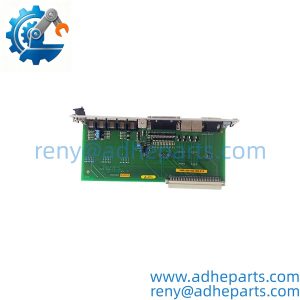
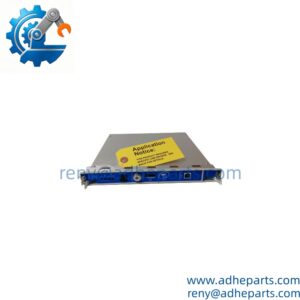
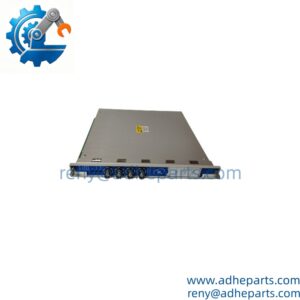
As the core vibration and position monitoring workhorse of the 3500 platform, this single-slot module conditions raw proximity probe signals directly on-board. It eliminates 90% of external signal conditioning hardware, and holds measurement drift under ±0.33% of full scale across 0–60°C operating temperatures.
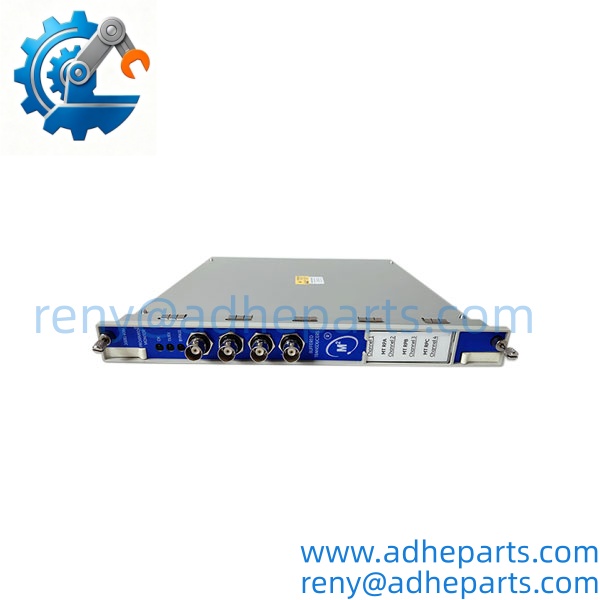
3500/40M
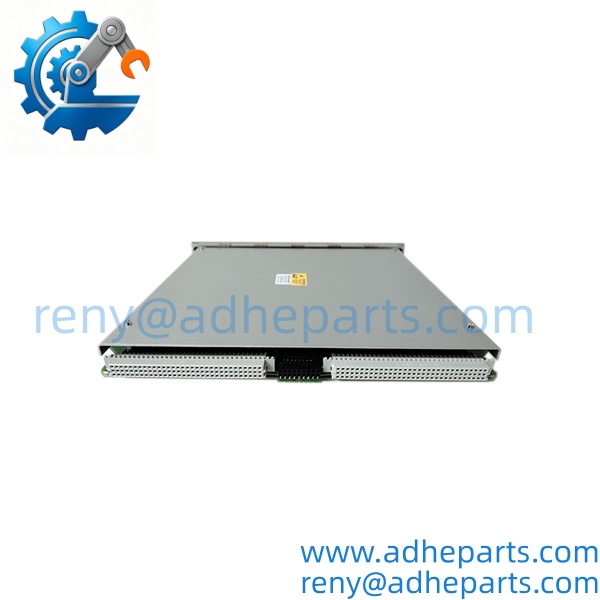
3500/40M
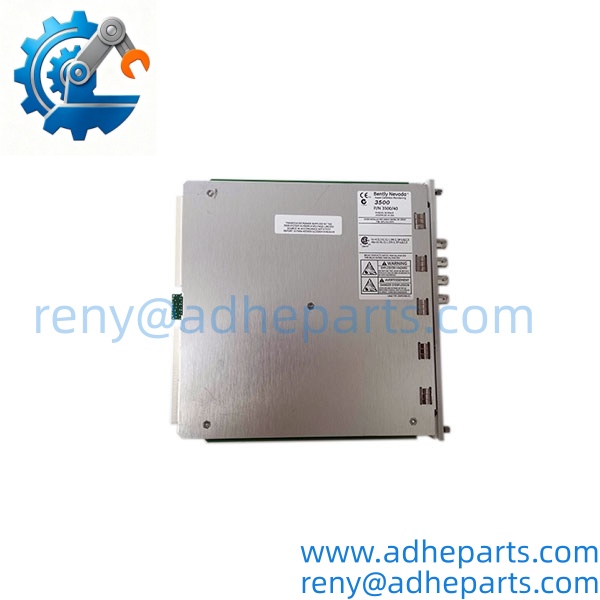
3500/40M
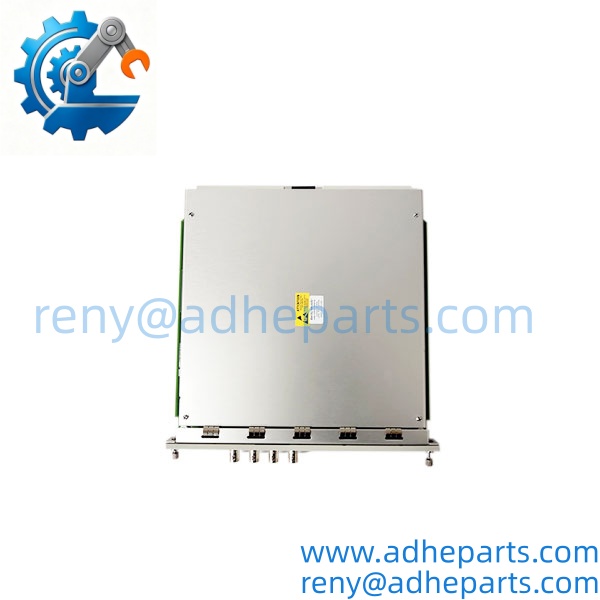
3500/40M
Key Technical Specifications
| Parameter | Value |
|---|---|
| Number of Independent Channels | 4 |
| Configurable Sensitivity | 100 mV/mil (3.94 mV/µm) / 200 mV/mil (7.87 mV/µm) |
| Max Full Scale Measurement Error | ±1% (typical ±0.33%) |
| Transducer Power Supply Output | -24 VDC, 550 Ω output impedance |
| Input Impedance | 10 kΩ |
| Typical Power Consumption | 7.7 W |
| Max Power Dissipation | 9 W |
| Operating Temperature Range | 0°C to +60°C (32°F to +140°F) |
| Storage Temperature Range | -40°C to +85°C (-40°F to +185°F) |
| Vibration Rating (Operating) | 2g @ 10–500Hz |
| Physical Slot Width | 1 single 3500 rack slot |
| Supported Measurements | Radial vibration, thrust position, eccentricity, REBAM, differential expansion |
Field Application & Technical Pitfalls
This part runs three non-negotiable production-critical roles.
First, it monitors radial vibration on refinery hydrocracker centrifugal compressors, where unplanned trip events can cost 2M turbine rotor.
Third, it delivers eccentricity measurements on large synchronous generator rotors, catching bow conditions before they trigger destructive full-speed rub events.
⚠️ Probe Sensitivity Mismatch Risk: This module ships default set to 100mV/mil. If you pair it with a 200mV/mil 3300 XL probe without reconfiguring via the 3500 configuration software, you’ll read exactly half the actual displacement value and miss dangerous vibration spikes.
⚠️ ESD Damage on Front I/O Terminals: The four BNC probe input ports on the front of the module have no on-board transient suppression. Touch the center pin with a non-grounded probe cable, and you’ll blow the first stage signal amplifier before you lock the connector.
⚠️ Bypass Mode Left Engaged After Swap: If you forget to toggle the bypass DIP switch on the third slot from the left back to normal operation after replacement, all alarm and trip outputs for that channel will stay disabled indefinitely.
I watched a senior turbine tech skip the post-swap bypass check last winter. He swapped this module into a 120MW combined cycle gas turbine rack after a false alarm, then walked away without flipping the bypass switch back. Three days later, a thrust bearing started to fail, the monitor never tripped, and the unit ran for 11 hours with 0.8mm of thrust travel before a manual operator inspection caught it. That single oversight forced a 3-week planned outage to replace the thrust bearing and re-scrape the bearing housing.
Quality Control (QC) SOP & Transparency
- Inbound Verification: Cross-check the OEM serial number against Bently Nevada’s official part revision database, run anti-counterfeit validation on the module’s laser-etched serial label, and confirm no prior rework traces on the backplane connector pins.
- Live Rig Testing: Seat the module in a certified 3500/05 test rack with a 3500/20 rack interface module, connect a calibrated 3300 XL proximity probe simulator, and verify full 0–20 mil displacement tracking across all 4 channels.
- Parameter Testing: Perform 500V DC 60-second insulation resistance test across all signal channels and chassis ground, confirm no measurement drift during 4 hours of continuous full-scale signal input, and log all accuracy data at 25°C, 50°C, and 60°C.
- Final QA & Packaging: Seal the fully tested module in a static-shielding anti-static bag, apply a unique QC passed serial label, and pack it in ESD-dissipative foam with a printed hard copy of the calibration test report.
Frequently Asked Questions
- Can I hot-swap this module while the 3500 rack is powered on? Yes, it supports Bently’s hot-swap specification. But always put the corresponding channels into bypass mode first — the module will momentarily drive the 4-20mA output to 0mA during insertion, which can trigger a false downstream trip if you skip this step.
- What exact 3500 system revisions does this part work with? It is fully compatible with all 3500 system racks running firmware v4.0 or newer. It will not communicate properly with legacy 3500 racks running v3.x firmware released before 2005.
- How long is the standard warranty for this new surplus unit? It carries a full 12-month functional warranty. If it fails within that window under specified operating conditions, we cover all return shipping and bench replacement costs.
- How do I tell a genuine OEM unit apart from a refurbished clone? Genuine units have the Bently Nevada hologram sticker on the right side of the housing, and the BNC input ports use gold-plated center pins. Refurbished clones usually skip the hologram and use tin-plated BNC pins that corrode in high-humidity turbine lube oil environments.
- Will this 3500/40M directly replace an older 3500/40 non-M version? No. The original 3500/40 only supports 100mV/mil sensitivity, and it uses a different backplane communication protocol. You will need to re-run full channel calibration in the configuration software after swapping to the /40M variant.
- What’s the maximum safe continuous operating temperature at full accuracy? It will hold ±1% full scale accuracy up to 60°C, though your mileage may vary if the rack cooling airflow drops below 15 CFM and internal component temperatures spike 15°C above ambient.