Description
Note: Many products are not yet listed. Please contact us for more product information. Our supply channels are constantly expanding, and we currently have 20 stable shared supply channels. Please confirm the model, product, price, and all other necessary information with customer service before placing an order. We offer new, refurbished, and used products, and prices are adjusted according to the year of the item you require.
Product Introduction
When a critical compressor trips on high vibration and you have zero post-event waveform data to diagnose the root cause, the missing piece is almost always a failed TDI module.
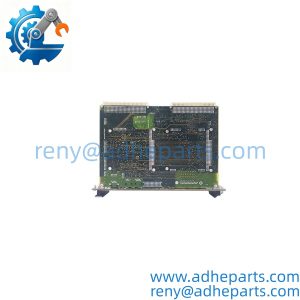
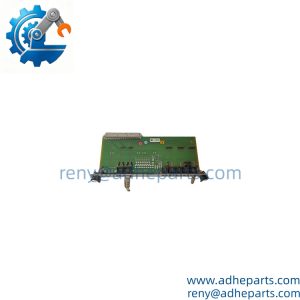
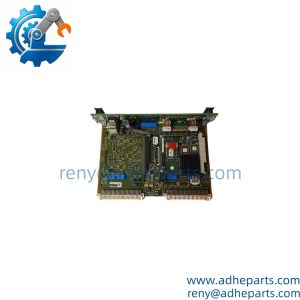
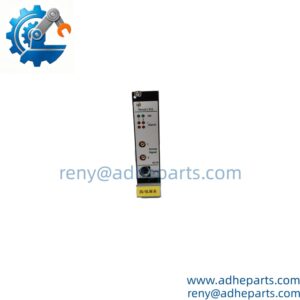
This full-height 3500 series module combines the core rack interface role with high-speed transient data capture. It pulls time-synced waveform data from up to 48 vibration channels at 102.4kHz, and it streams that data directly to your System 1 condition monitoring platform without dropping a single sample.
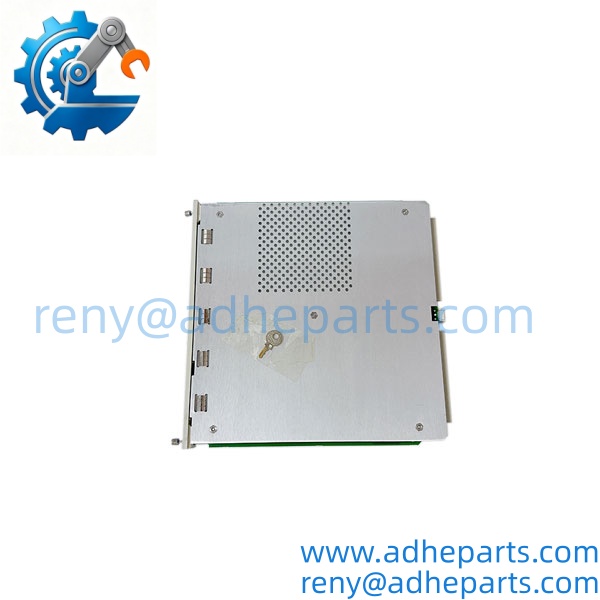
138607-01
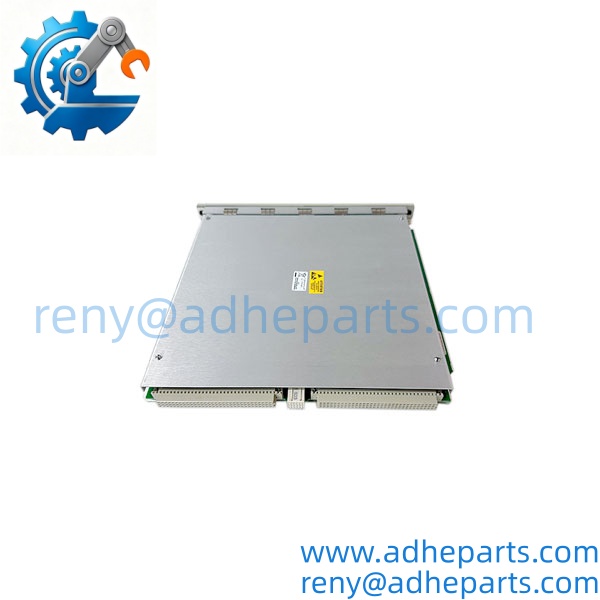
138607-01
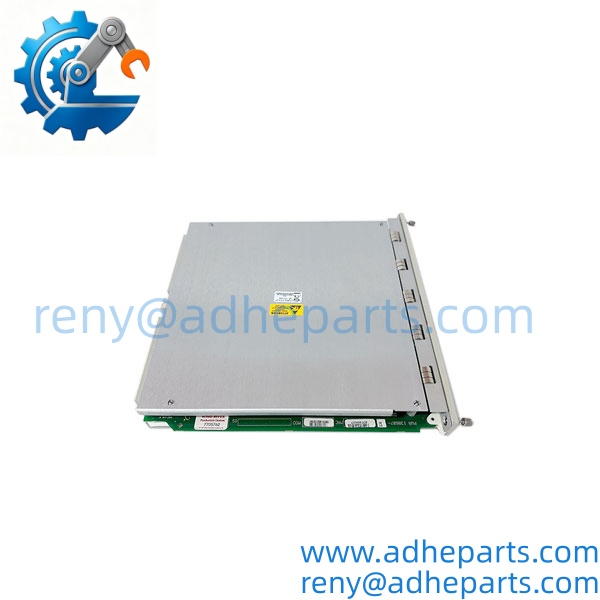
138607-01
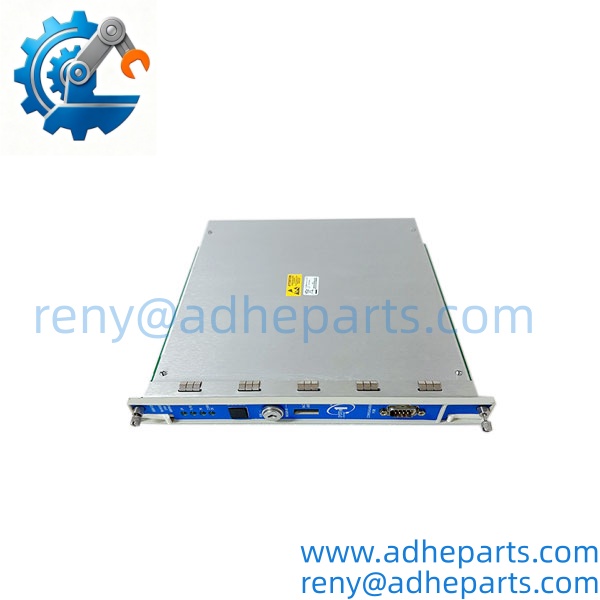
138607-01
Key Technical Specifications
| Parameter | Value |
|---|---|
| Max Sampling Rate | 102.4 kHz |
| A/D Resolution | 16-bit |
| Total Supported Data Channels | 48 |
| Communication Interfaces | 10/100Mbps Ethernet, Front Panel USB-B |
| Power Consumption | 10.5 W |
| Operating Temperature Range | -40°C to +70°C |
| Storage Temperature Range | -40°C to +85°C |
| Input Impedance | ≥ 50 kΩ |
| Physical Form Factor | Full-height 3500 rack single slot |
| Hot-Swap Support | Full RIUP hot-swap compatible |
| Bandwidth Range | 0.5 Hz to 20 kHz |
| Approvals | API 670, CE certified |
Field Application & Technical Pitfalls
This part runs three non-negotiable production-critical roles.
First, it captures post-trip transient waveform data for 25MW refinery hydrocracker compressors, giving vibration analysts the exact 1-second snapshot that identifies blade rub or surge events.
Second, it acts as the primary configuration gateway for 3500 racks on 500MW steam turbines, letting technicians push full system configuration changes without touching individual monitor modules.
Third, it streams continuous vibration trend data to the plant’s central condition monitoring server, enabling predictive fault detection 2–3 weeks before a catastrophic failure.
⚠️ Firmware Revision Mismatch Risk: This -01 variant only works with 3500 system firmware v4.4 or newer. Drop it into a v4.2 or older rack, and the backplane data handshake will fail, locking all transient data capture functions permanently disabled.
⚠️ Ethernet Port Auto-Negotiation Failure: The 10/100Mbps port defaults to half-duplex on power-up. If you plug it into a full-duplex managed switch without manually locking the port speed, you’ll get 30%+ packet loss that corrupts every waveform capture.
⚠️ USB Port ESD Damage: The front-panel USB port has no on-board ESD protection. Plug in a non-grounded laptop directly to the port, and you’ll blow the USB transceiver chip before the configuration software even launches.
I watched a senior vibration analyst skip the switch port speed lock last quarter. He swapped this TDI module into a 3500 rack on a 120MW combined cycle gas turbine, then plugged the Ethernet cable straight into the plant’s core switch. The port negotiated half-duplex, and 3 days later the turbine tripped on high vibration. The TDI captured zero usable waveform data, and the team spent 12 hours troubleshooting blind before they found the root cause was a damaged compressor blade. That 2-minute network configuration oversight forced the unit to run at 70% load for 3 days while they sourced a replacement rotor.
Quality Control (QC) SOP & Transparency
- Inbound Verification: Cross-check the OEM serial number against Bently Nevada’s official part revision database, run anti-counterfeit validation on the module’s laser-etched serial label, and confirm no prior rework traces on the Ethernet transformer solder joints.
- Live Rig Testing: Seat the module in a certified 3500/05 test rack, connect a calibrated 3300 XL proximity probe simulator, and verify full 102.4kHz waveform capture across 16 test channels for 2 continuous hours.
- Parameter Testing: Perform 500V DC 60-second insulation resistance test across all communication ports and chassis ground, confirm no sample dropouts during full 48-channel load testing, and log all sampling accuracy data at 25°C, 50°C, and 70°C.
- Final QA & Packaging: Seal the fully tested module in a static-shielding anti-static bag, apply a unique QC passed serial label, and pack it in ESD-dissipative foam with a printed hard copy of the full waveform capture test report.
Frequently Asked Questions
- Can I hot-swap this module while the 3500 rack is powered on? Yes, it supports full RIUP hot-swap. But you must pause all active waveform capture sessions in the System 1 software first — the module will momentarily drop all data streams for 3 seconds during insertion.
- What exact 3500 system racks does this part work with? It is fully compatible with all 3500 series racks running firmware v4.4 or newer. It will not establish stable backplane communication on older v4.2 or earlier 3500 systems.
- How long is the standard warranty for this new surplus unit? It carries a full 12-month functional warranty. If it fails within that window under specified operating conditions, we cover all return shipping and bench replacement costs.
- How do I tell a genuine OEM unit apart from a refurbished clone? Genuine units have the Bently Nevada hologram sticker on the side of the PCB, and the Ethernet port transformer has a Bently-branded part number laser-etched on the top. Refurbished clones use generic unmarked transformers and skip the official hologram.
- Will this 138607-01 directly replace an older 3500/22 TDI module? No. The legacy 3500/22 only supports 25.6kHz max sampling rate, while this -01 unit extends that to 102.4kHz. You will need to re-enable the high-speed sampling license in your System 1 software after swapping.
- What’s the maximum safe continuous operating temperature at full 48-channel load? It will hold 102.4kHz sampling with zero dropped samples up to 70°C, though your mileage may vary if the rack cooling airflow drops below 12 CFM and internal FPGA temperatures spike 25°C above ambient.