Description
Note: Many products are not yet listed. Please contact us for more product information. Our supply channels are constantly expanding, and we currently have 20 stable shared supply channels. Please confirm the model, product, price, and all other necessary information with customer service before placing an order. We offer new, refurbished, and used products, and prices are adjusted according to the year of the item you require.
Product Introduction
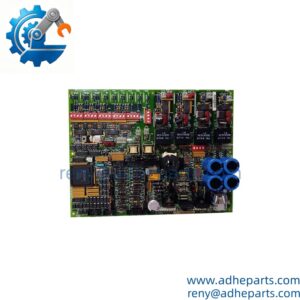
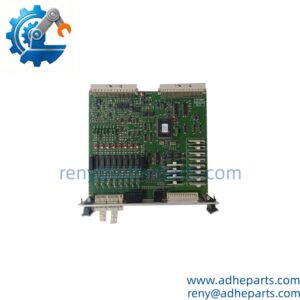
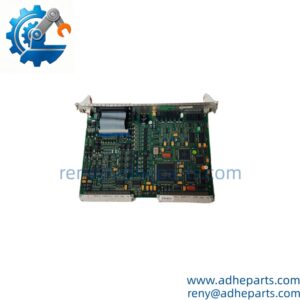
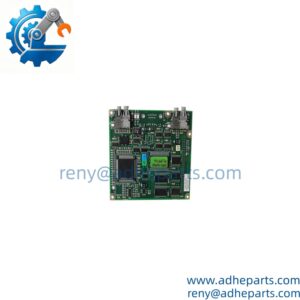
When overhead crane hoist feedback signals drift out of expected bounds, unplanned mechanical overload or load drop hazards emerge rapidly. This plug‑in board mounts inside ABB crane drive cabinets, comparing commanded speed against real‑world pulse‑encoder or tachometer measurements. If deviation exceeds configured thresholds, it activates fault 91 and asserts DO8 emergency‑stop output; this fault cannot be cleared by simple drive OFF command, —though your mileage may vary based on parameter 10.30 USE_OVSP configuration inside the drive firmware. All safety logic runs locally on this hardware, independent of higher‑level supervisory controllers.
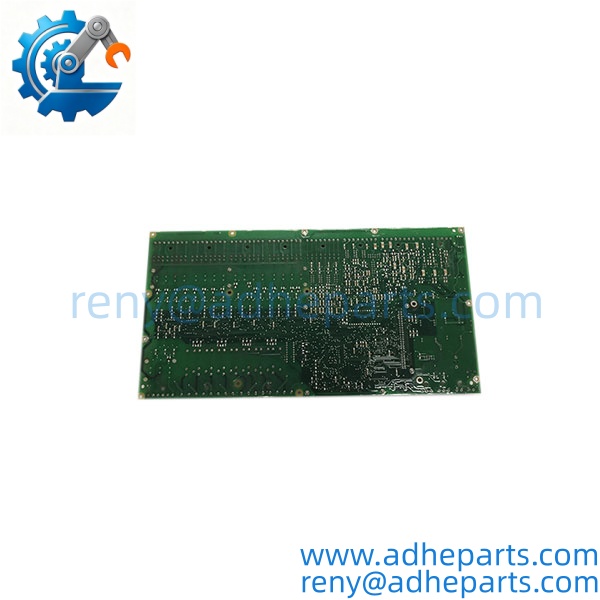
3ASC25H209
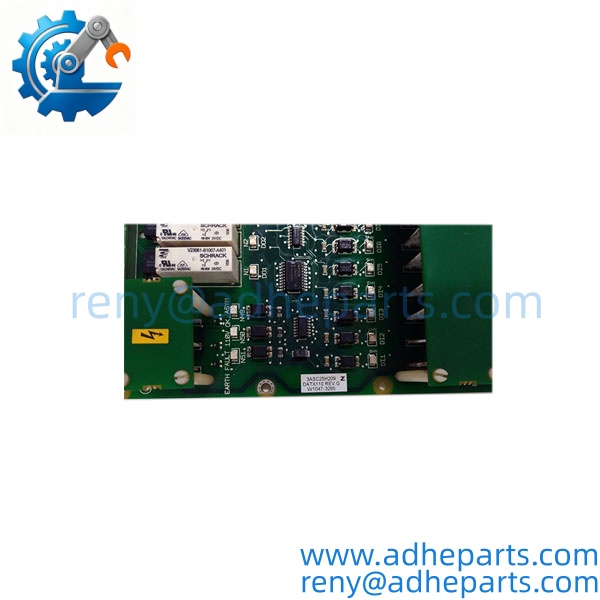
3ASC25H209
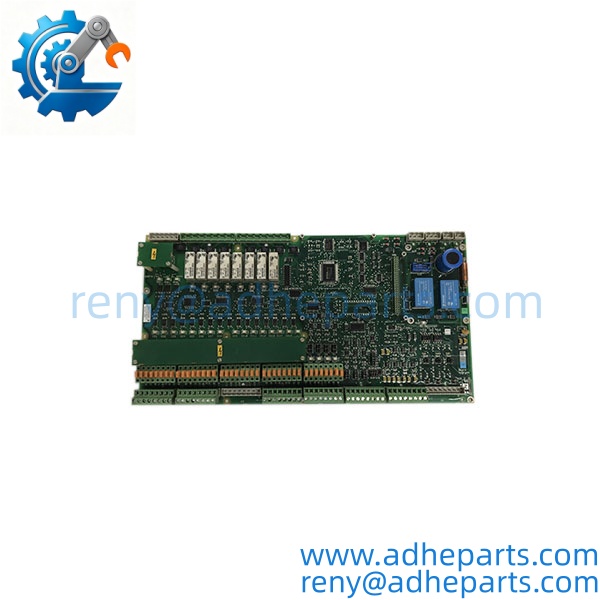
3ASC25H209
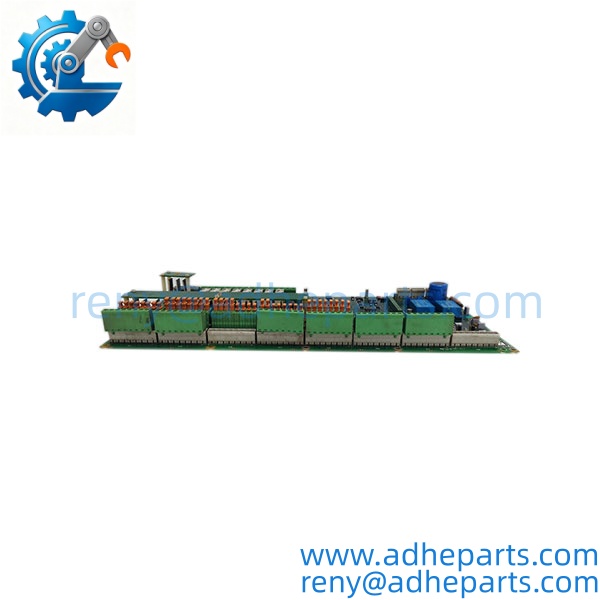
3ASC25H209
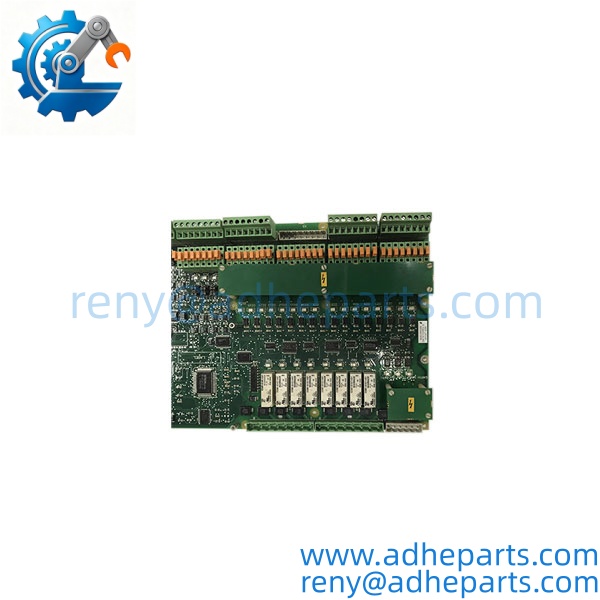
3ASC25H209
Key Technical Specifications
| Parameter | Value |
|---|---|
| Full Part Number | DATX110 / 3ASC25H209 |
| Primary Function | Hoist speed deviation monitoring & safety trip initiation |
| Feedback Sources | Pulse encoder or analog tachometer input |
| Defined Fault Code | Fault 91 (speed‑tracking deviation fault) |
| Safety Output | DO8 relay contact for emergency‑stop actuation |
| Critical Parameter | 10.30 USE_OVSP selects trip reaction mode |
| Board Power | Supplied by host crane drive rack internal supply |
| Operating Ambient Temperature | 0 °C … +55 °C (cabinet‑mounted) |
| Protection Class | IP20 (cabinet‑only installation) |
| Weight | Approx. 0.62 kg |
| Compatible Application | ABB heavy‑duty hoist / overhead crane drive assemblies |
Field Application & Technical Pitfalls (The Engineer’s Guide)
Critical industrial scenarios:
- Port container crane hoist drives where load fall risk demands independent hardware‑level speed supervision.
- Steel‑mill overhead traveling cranes lifting hot ingots with strict anti‑overspeed safety requirements.
- Heavy‑capacity workshop hoists relying on tachometer feedback rather than pure software‑only protection.
Technical pitfalls to avoid
- Mismatched feedback signal wiring: Encoder differential lines routed alongside high‑power AC cables induce noise. The terminal bank near the third terminal block from the left carries low‑level pulse signals; induced interference creates false fault‑91 trips with no actual mechanical overspeed.
- Parameter carry‑over error after swap‑out: A replacement DATX110 ships with factory defaults. Well, technically the board powers‑up without visible errors, but safety trip thresholds will not match site‑validated hoist protection settings. Always back‑up parameter set before board removal.
- Ignoring relay contact wear on DO8 output: Repeated emergency‑stop cycling degrades the onboard DO8 relay contacts. Worn contacts can fail to assert E‑stop even when the board registers a speed‑deviation fault.
Hypothetical field anecdote: A port maintenance team swapped a faulty DATX110 board during scheduled crane downtime. They installed the new unit and skipped re‑importing saved hoist parameter files. On first post‑swap load test, speed‑deviation thresholds sat at factory values far wider than site requirements. The crane operated for three shifts without active speed‑tracking protection, until a routine safety audit uncovered the configuration gap. No incident took place, yet the crane ran with incomplete safety coverage.
Quality Control (QC) SOP & Transparency
- Inbound Verification: Match physical board silkscreen marking to 3ASC25H209 reference; full visual scan for burnt traces, relay contact discoloration, or aftermarket hand‑solder rework; check OEM packing documentation for new‑surplus stock.
- Live Rig Testing: Insert unit inside compatible hoist‑drive test fixture; apply rack operating power; verify board boot sequence; inject simulated encoder speed signals to confirm fault‑91 flag triggers and DO8 relay actuate on threshold violation.
- Parameter Testing: Write and read back critical hoist protection parameters; confirm non‑volatile memory retains configuration after power‑cycle; inspect DO8 relay contact continuity under resistive test load.
- Final QA & Packaging: Secondary visual check of all terminal pins and relay components; place unit inside static‑shield anti‑static bag; affix QC‑passed sticker stamped with test date; add rigid foam shielding for connector protection in transit.
Frequently Asked Questions (FAQ)
Q: Can I hot‑swap DATX110 while the crane drive rack stays energized? A: No. This safety I/O board draws power from the drive internal rack supply. Hot extraction risks trace burnout and unpredictable safety‑circuit states. Perform full lock‑out‑tag‑out before removal.
Q: Does fault code 91 reset with standard drive stop command? A: It does not. Fault 91 is a latching safety fault. Manual intervention and full power cycle are normally required for clearing, depending on parameter 10.30 configuration.
Q: What warranty terms apply for DATX110 3ASC25H209 stock? A: Standard 12‑month warranty covers test‑verified hardware defects. Warranty excludes field‑side surge damage, worn relay contacts, and incidents caused by incorrect site parameter settings.
Q: After fitting replacement DATX110, what mandatory step cannot be skipped? A: You must restore site‑specific hoist parameter set. Factory default thresholds are for lab use only and do not reflect your crane’s certified safety limits. Verify exact load capacity with the OEM datasheet.
Q: How do I distinguish genuine OEM from rebuilt units? A: Authentic OEM boards carry permanent silkscreen part numbers printed directly onto PCB substrate. Rebuilt units frequently show reworked solder joints around the DO8 relay and signal‑input connectors. Avoid units relying solely on adhesive sticker labels.
Q: My crane logs intermittent fault 91 with no real overspeed event. What do I check before replacing the board? A: First inspect encoder / tachometer field cabling for crosstalk or loose screw terminals. Noise coupled into low‑level feedback lines is the top source of spurious fault‑91 triggers. Confirm signal integrity before condemning the PCB itself.