Description
Note: Many products are not yet listed. Please contact us for more product information. Our supply channels are constantly expanding, and we currently have 20 stable shared supply channels. Please confirm the model, product, price, and all other necessary information with customer service before placing an order. We offer new, refurbished, and used products, and prices are adjusted according to the year of the item you require.
Product Introduction
False level or flow readings can trigger unnecessary safety trips across continuous‑process units. This 266DSH transmitter captures differential pressure values while running continuous internal checks on impulse‑line health, flagging partial clogging before measurement error grows largeABB Group.
Local configuration happens without opening the explosion‑proof housing via TTG keypad. Long‑term zero stability degrades faster under sustained high static pressure swings (‑though your mileage may vary based on impulse piping layout and annual calibration cadence).
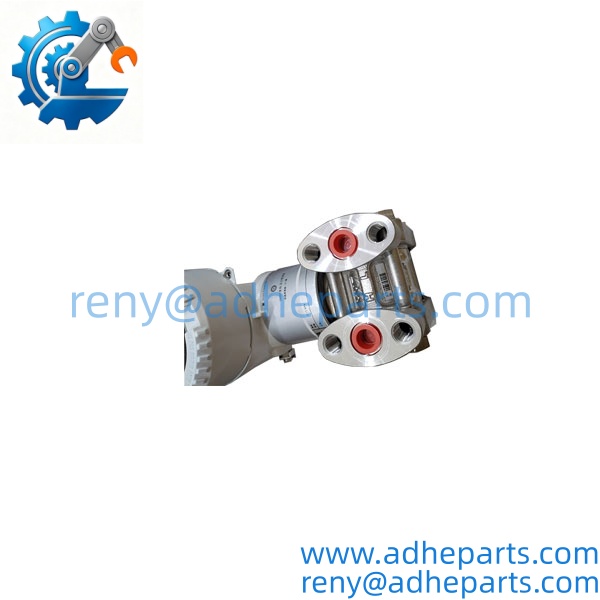
266DSHASHA4A1B1
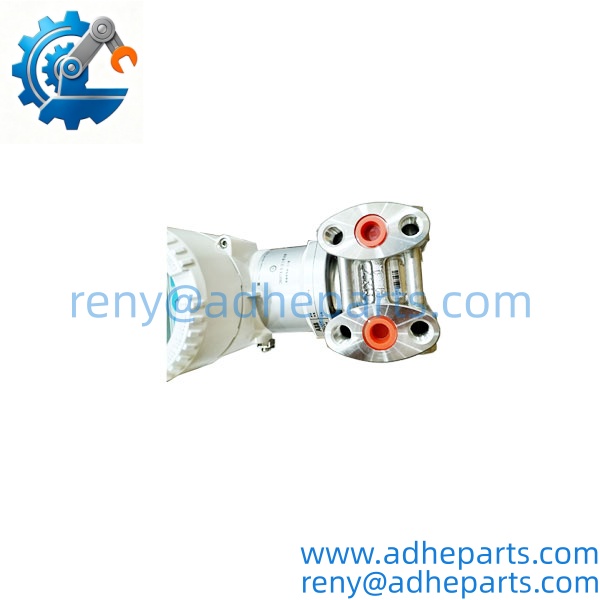
266DSHASHA4A1B1
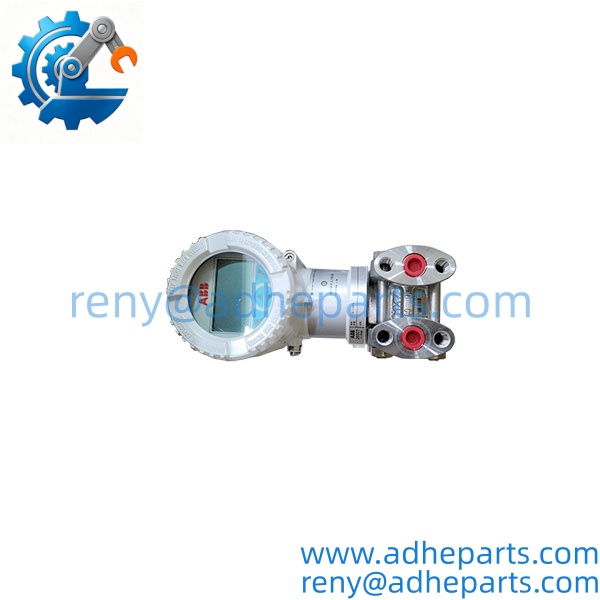
266DSHASHA4A1B1
Key Technical Specifications
| Parameter | Value |
|---|---|
| Measurement Type | Differential Pressure |
| Reference Accuracy | ±0.06 % of calibrated span |
| Adjustable Span | 0.05 kPa … 16000 kPa |
| Output Interface | 4‑20 mA two‑wire, HART 7 protocol |
| Safety Certification | SIL2 (1oo1), SIL3 (1oo2), TÜV Nord IEC 61508 certifiedABB Group |
| Integrated Diagnostics | Plugged impulse‑line detection |
| Local Operator Interface | LCD + TTG through‑glass non‑intrusive keypad |
| Wetted Materials | AISI 316L stainless‑steel diaphragm and process flanges |
| Enclosure Rating | IP66 / NEMA 4X |
| Ambient Operating Temperature | ‑10 °C … +60 °C |
| Max Static Working Pressure | 10 MPa |
| Weight | 0.64 kg |
| Compliance | PED Category III |
Field Application & Technical Pitfalls (The Engineer’s Guide)
Critical Industrial Scenarios
- Orifice‑plate flow loops within refinery fractionation units, where DP‑derived flow drives material balance and regulatory control actions.
- Closed‑vessel tank level measurement for chemical batch reactors, calculating inventory from differential pressure across liquid columns.
- Filter‑differential‑pressure monitoring on cooling‑water banks, triggering automated backwash cycles before element fouling impairs heat transfer.
Technical Pitfalls (Bold Warnings)
- ⚠️ Mounting‑induced zero offset: Tilting the unit greater than 90° from vertical introduces mechanical zero shift up to 0.5 kPa. No internal fault alarm triggers; measurement bias appears silently on every process readingabb-drive …. Always perform in‑situ zero trim post‑installation.
- ⚠️ Diagnostic blind spot for frozen impulse lines: The built‑in plug‑detection algorithm identifies solid debris blockages, but cannot tell apart ice versus sediment. Frozen media can permanently deform the sensor diaphragm before any diagnostic flag activates.
- ⚠️ HART DTM version mismatch: Well, technically it runs HART 7, but older DTM revisions will read 4‑20 mA values correctly yet block access to impulse‑line diagnostic datasets. Validate DTM compatibility before loop commissioning.
A real‑world field anecdote: A plant instrument crew swapped this transmitter during a scheduled turnaround. They angled the unit sideways for better LCD visibility and skipped post‑mount zero adjustment. All power‑on self‑checks passed with zero active faults. Over four‑week run time, tank‑level readings drifted consistently high. Operators adjusted setpoints manually to compensate. Manual tank gauging finally exposed the mounting‑origin offset; re‑leveling plus zero trim fully corrected measurement error.
Quality Control (QC) SOP & Transparency
- Inbound Verification: Cross‑check laser‑etched model code, serial number, and OEM label data. Inspect process flange sealing faces for scratches, gasket residue, or tool marks indicating prior field service. Reject units showing sanding or re‑marking traces. Reference OEM packing documentation where available.
- Live Rig Testing: Mount transmitter on calibrated pressure test bench. Apply nominal loop power; confirm LCD powers up and TTG keypad registers inputs. Establish stable HART7 communication with configuration tool, verify full read‑write access to instrument parameters.
- Parameter Testing: Step through multiple set‑points spanning full calibrated span. Confirm analog output stays within published accuracy bands. Exercise impulse‑line diagnostic function to confirm detection logic responds as intended. Inspect insulation resistance across signal terminals.
- Final QA & Packaging: Fit plastic protective caps over both high‑side and low‑side process ports. Place unit inside static‑shield instrument bag. Apply internal QC‑passed sticker recording test date and inspector ID. Pack within rigid shock‑absorbent transit carton.
Frequently Asked Questions (FAQ)
Can I remove this transmitter while impulse lines remain pressurized? No. Isolate, block‑and‑bleed both high‑pressure and low‑pressure impulse sides before disassembly. Live‑process removal creates hazardous release risk and can cause irreversible diaphragm damage.
Will any generic HART handheld access all diagnostic features? Well, technically basic 4‑20 mA variables work with standard HART hosts. Impulse‑line diagnostic metrics require matching ABB DTM files; generic handhelds only pull core process variables. Verify exact DTM revision against OEM datasheet.
What warranty applies for this new‑surplus differential‑pressure transmitter? Twelve‑month standard warranty is provided. Exclusions cover over‑pressure diaphragm rupture, freeze‑related impulse‑line damage, mounting‑caused zero drift, and process‑side chemical corrosion.
How do I separate genuine OEM surplus stock from rebuilt refurbished units? Genuine new‑surplus hardware carries crisp unaltered laser serial markings, scratch‑free flange sealing surfaces, and intact factory port protectors. Rebuilt transmitters frequently show polishing marks on wetted surfaces or adhesive‑applied replacement labels.
Does SIL2 certification hold valid after field electronics replacement? SIL safety integrity is preserved only with factory‑approved spare electronics and complete post‑swap calibration. Any unapproved component swap voids SIL‑loop compliance documentation.
Must I open the housing to configure local parameters in hazardous‑area installations? No. The TTG through‑glass keypad permits full local setup with housing fully sealed. Opening covers in classified zones violates hazardous‑area requirements.
Is the 266DSH series still in active factory production? Yes. Factory build capacity remains available, though component‑driven lead‑time swings occur. On‑hand new‑surplus inventory ships faster than factory orders subject to allocation cycles.