Description
Note: Many products are not yet listed. Please contact us for more product information. Our supply channels are constantly expanding, and we currently have 20 stable shared supply channels. Please confirm the model, product, price, and all other necessary information with customer service before placing an order. We offer new, refurbished, and used products, and prices are adjusted according to the year of the item you require.
Product Introduction (Anti-Template)
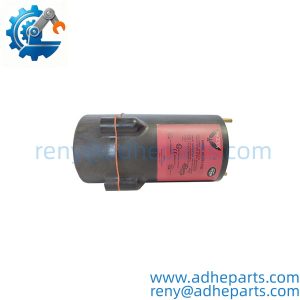
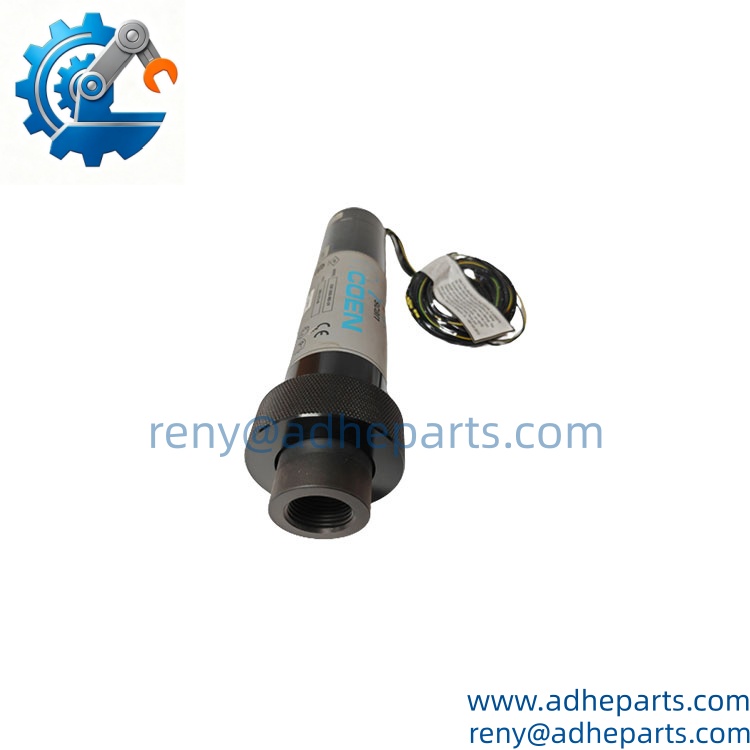
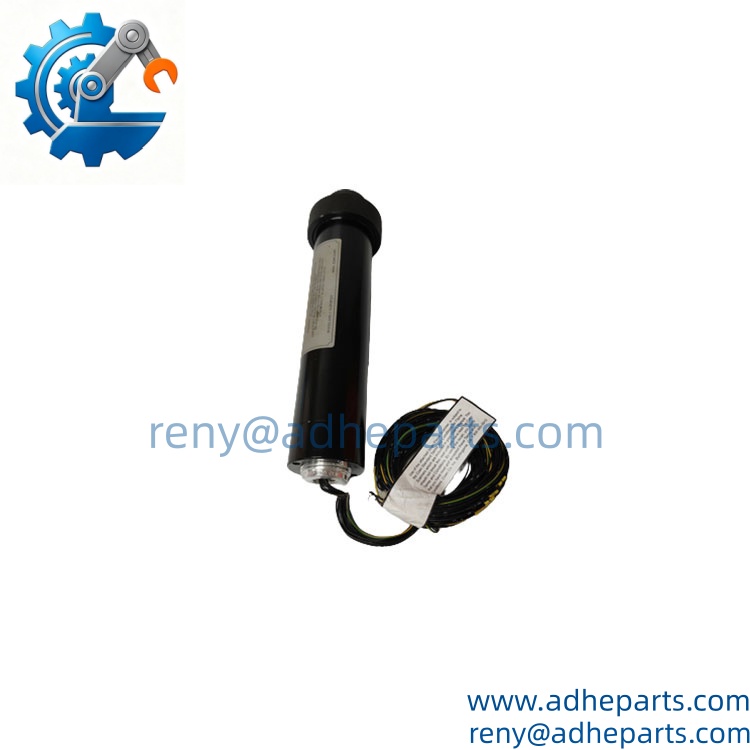
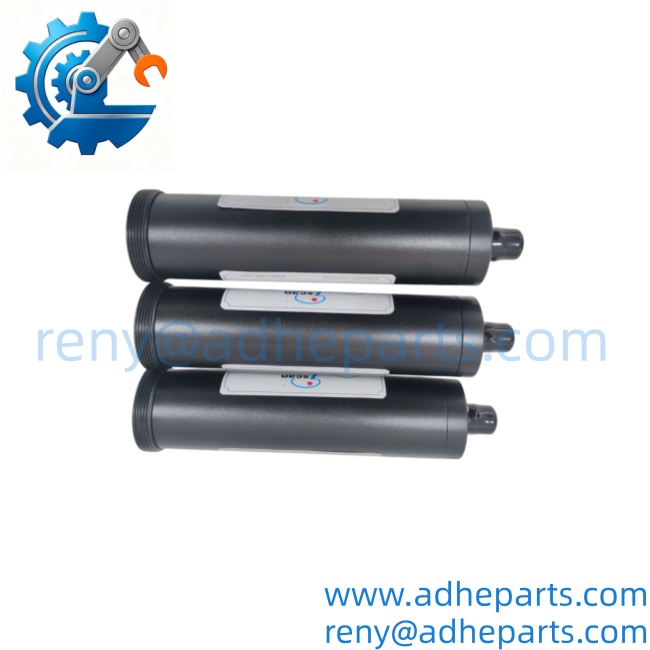
When flame supervision fails, the consequence is not merely an alarm on the control screen. COEN DSF-2000-MB-UV, part number 2653-213-06, is an iSCAN UV flame scanner designed to determine whether a stable burner flame is present and to provide the corresponding safety signal to the combustion control system.
The unit uses solid-state optical detection and DSP-based signal processing to distinguish flame characteristics from background conditions. Its built-in self-check function periodically tests critical components—reported at approximately 20-second intervals—so an internal fault can trigger the configured fault or flame relay response.
Key Technical Specifications
| Parameter | Value |
|---|---|
| Manufacturer | COEN |
| Product Family | iSCAN DSF-2000 |
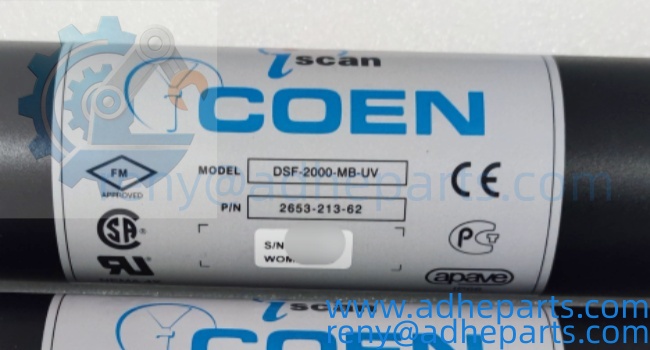
| Model | DSF-2000-MB-UV |
| Part Number | 2653-213-06 |
| Product Type | UV Flame Scanner |
| Configuration | Multi-Burner (MB) |
| Detection Method | Ultraviolet optical flame detection |
| Signal Processing | DSP-based |
| Primary Application | Burner Flame Monitoring |
| Self-Check Function | Automatic periodic self-test |
| Typical Supply | 24 VDC class; verify exact unit nameplate |
| Output | Flame / fault relay signaling; exact configuration dependent |
| Typical Operating Environment | Industrial burners, boilers, furnaces |
| Approx. Dimensions | 152 × 102 × 76 mm |
| Approx. Weight | 1.2–1.4 kg |
| HS Code | 85319000 |
The MB designation is important. This is a multi-burner version intended for applications where the scanner must supervise the target burner while discriminating against adjacent flame sources.
A documentation warning is necessary here: secondary sources publish conflicting values for supply voltage, UV spectral range, response time, communication interfaces, and environmental ratings. For that reason, those figures should not be treated as universal specifications for every 2653-213-06 unit. The scanner’s nameplate, exact configuration, and original equipment documentation should control the final installation specification.
Field Application & Technical Pitfalls (The Engineer’s Guide)
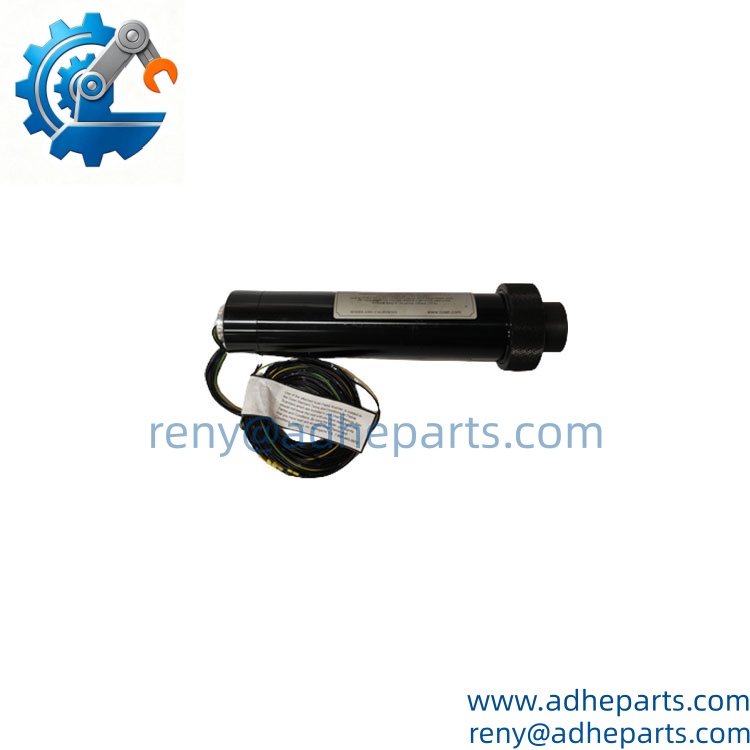
The DSF-2000-MB-UV belongs to the flame-safeguard side of the combustion system. Its job is simple to describe but unforgiving in practice: determine whether the expected flame exists and provide a reliable signal to the burner management logic.
- Industrial boilers and power-generation burners
Flame supervision is used during burner startup and continuous operation. If the expected flame disappears, the burner management system can initiate the appropriate fuel shutoff sequence.
- Process furnaces and heaters
Refineries, chemical plants, and other process facilities use flame scanners to verify burner stability. A failed or poorly adjusted scanner can create nuisance trips—or, more seriously, fail to provide the expected flame-loss indication.
- Multi-burner combustion systems
The MB configuration is particularly relevant where several burners operate close together. The scanner must recognize its intended flame without incorrectly responding to neighboring burners or hot refractory surfaces.
Three replacement pitfalls deserve particular attention:
- Optical alignment: Do not treat the scanner as an ordinary electrical sensor. The viewing angle, sight path, scanner mounting position, and burner geometry directly affect detection reliability.
- Adjacent-flame interference: In a multi-burner furnace, another burner can produce enough optical energy to confuse an incorrectly positioned or configured detector. Verify the target burner and viewing path before commissioning.
- Configuration mismatch: The exact output and interface arrangement can vary by scanner configuration. Do not assume that a generic 24 VDC / 4–20 mA description applies to every unit carrying this part number.
Never bypass a flame scanner merely to get a burner back into service. A flame-detection circuit is part of the combustion safety chain, and any temporary diagnostic action should follow the site’s approved burner-management procedure.
Lesson learned: A replacement scanner powers up and reports a flame, yet the burner trips repeatedly during startup. The detector itself is healthy; its sight line is catching an adjacent burner rather than the intended ignition flame. A five-minute alignment check would have avoided hours of troubleshooting.
Quality Control (QC) SOP & Transparency
- Inbound Verification
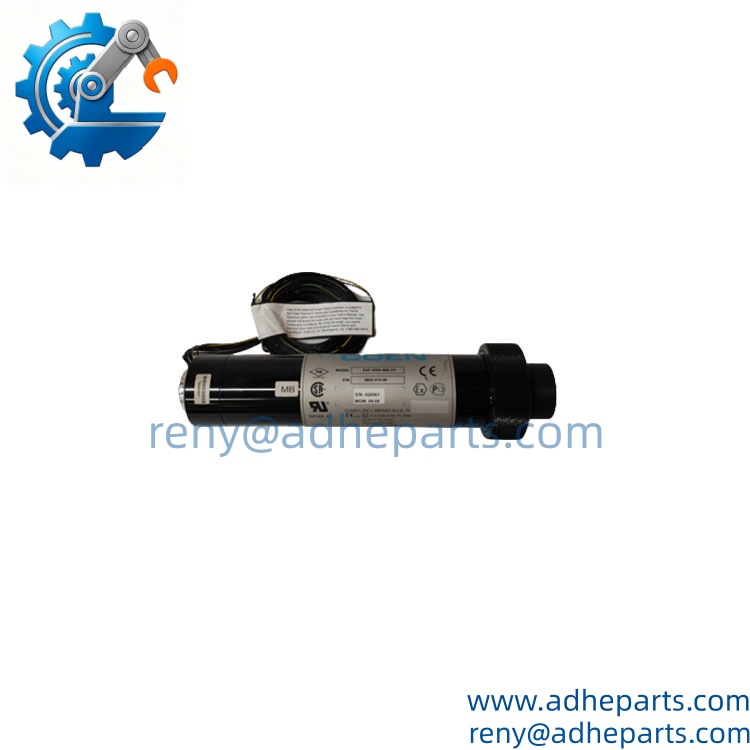
- Verify the complete marking COEN DSF-2000-MB-UV 2653-213-06.
- Check the housing, optical window, connector, mounting hardware, and identification label.
- Inspect the optical surface for scratches, contamination, or discoloration.
- Check for corrosion, impact damage, loose components, or evidence of previous repair.
- Record whether the unit is New Original, New Surplus, or Refurbished.
- Live Rig Testing
- Use an appropriate flame-scanner test fixture or approved combustion test environment.
- Apply the verified supply voltage under controlled conditions.
- Verify power-up and diagnostic behavior.
- Use a suitable UV flame source to confirm flame detection.
- Test flame-loss response by removing the controlled UV source.
- Verify the configured flame and fault relay behavior.
- Parameter Testing
- Verify supply-voltage stability.
- Check detector response to a known flame source.
- Test flame-present and flame-absent states.
- Verify self-check behavior.
- Check relay contact operation and any configured analog/communication output.
- Inspect the optical path after testing for contamination.
- Final QA & Packaging
- Record the exact part number, serial information, configuration, and test results.
- Apply a QC-passed identification label.
- Protect the optical window with suitable non-abrasive material.
- Package the scanner against vibration and impact.
- Provide the applicable test record and a 12-month warranty under the agreed warranty terms.
Frequently Asked Questions (FAQ)
Q1. What is COEN DSF-2000-MB-UV 2653-213-06?
It is a COEN iSCAN UV flame scanner designed to monitor flame presence in industrial combustion systems. The MB designation indicates the multi-burner configuration.
Q2. What does the UV sensor actually detect?
The optical detector responds to ultraviolet radiation associated with flame combustion. The scanner then processes the signal electronically to determine whether the detected conditions meet the configured flame criteria.
Q3. Is this suitable for a boiler burner?
Yes. Boiler and furnace flame supervision are among the documented applications for the DSF-2000-MB-UV. It can be used where the burner management system requires reliable flame-present and flame-failure information.
Q4. Does the scanner perform self-diagnostics?
Yes. Available technical descriptions report an automatic self-check system that periodically tests critical internal functions. A detected internal fault can cause the configured fault relay response.
Q5. Is the 2653-213-06 a 24 VDC unit?
Many published references identify this model family as using a 24 VDC-class supply, but the available secondary documentation is inconsistent. Verify the actual nameplate and wiring documentation before applying power.
Q6. Can I hot-swap the flame scanner?
Do not assume so. This device is part of a combustion safety circuit, and replacement should follow the approved burner-management maintenance procedure. Isolate the relevant equipment and confirm the burner is in a safe state before removal.
Q7. What warranty is available?
A 12-month warranty can be provided under the agreed supply terms. For this particular scanner, I would also recommend confirming the complete nameplate, optical configuration, burner type, and existing wiring before shipment.
You can view the same Sensors & Transmitters features together:
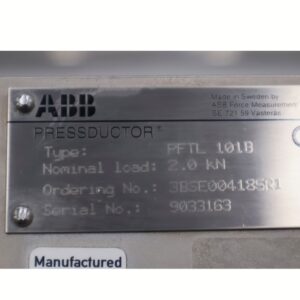
ABB PFTL101B 2.0KN 3BSE004185R1 PillowBlock Load Cell