Description
Note: Many products are not yet listed. Please contact us for more product information. Our supply channels are constantly expanding, and we currently have 20 stable shared supply channels. Please confirm the model, product, price, and all other necessary information with customer service before placing an order. We offer new, refurbished, and used products, and prices are adjusted according to the year of the item you require.
Product Introduction
When a large steam turbine’s shaft speed monitoring system loses accurate pulse detection at 6000RPM, the root cause almost always traces back to a standard proximity sensor that cannot maintain stable 1µs sharp pulse edge output under high-speed continuous operation.
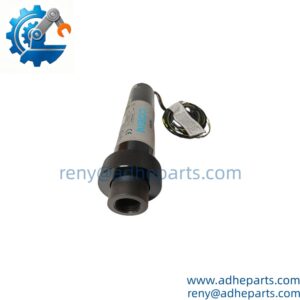
Purpose-built for Emerson EPRO MMS6000 machine monitoring systems, this non-contact speed proximity sensor uses magnetic inductive detection to scan soft iron gear teeth on rotating shafts. It outputs a clean square wave pulse for every detected tooth, with maximum operating frequency up to 12kHz (720,000 counts per minute). Its IP67 stainless steel and PTFE construction makes it fully resistant to oil mist, dust and high temperature environments typical of turbine lube oil compartments, eliminating the need for extra external protective enclosures.
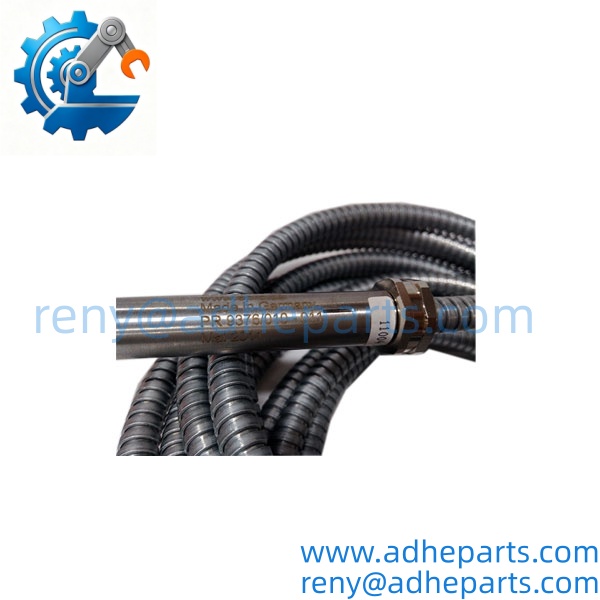
PR9376010-011
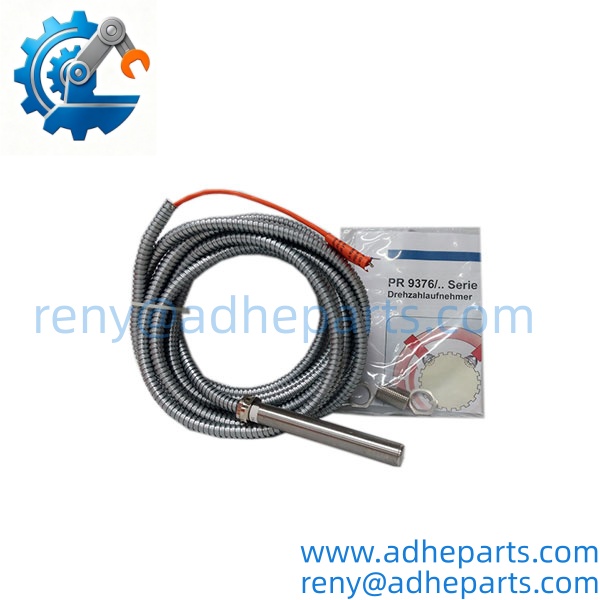
PR9376010-011
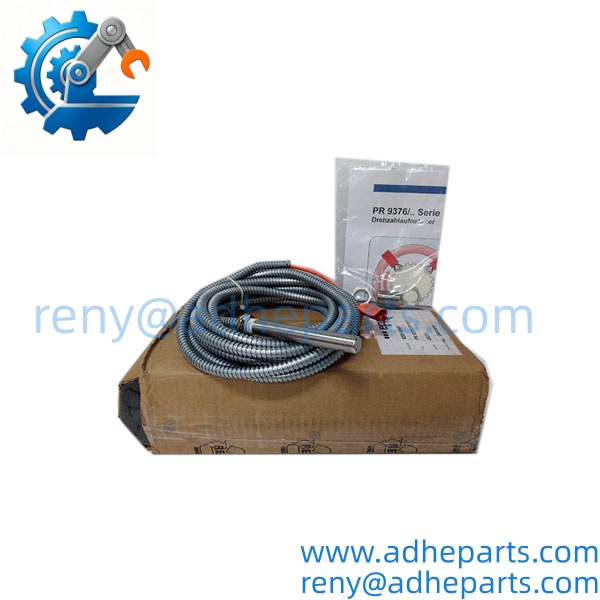
PR9376010-011
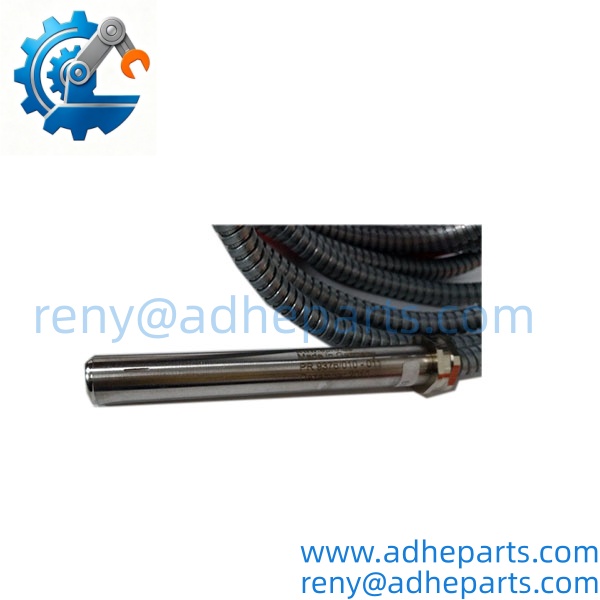
PR9376010-011
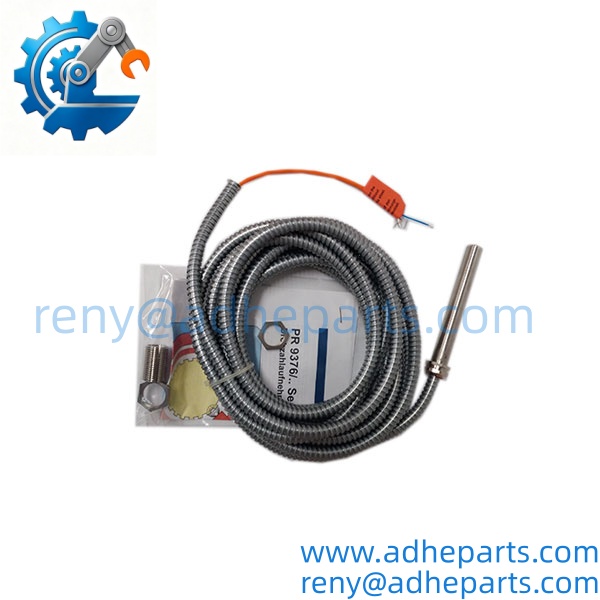
PR9376010-011
Key Technical Specifications
| Parameter | Value |
|---|---|
| Product Model | PR9376/010-011 (PR9376010-011) |
| Compatible Platforms | EPRO MMS6000 Machine Monitoring System |
| Power Supply | 10–30 V DC, max 25 mA |
| Max Operating Frequency | 12 kHz (720,000 cpm) |
| Rise / Fall Time | 1 µs |
| Output Voltage Level | High 10V / Low <1V |
| Recommended Air Gap | 1 mm (Module 1 gear), 1.5 mm (Module 2 gear) |
| Target Material | Magnetic soft iron / carbon steel (non-stainless steel) |
| Operating Temperature Range | -25°C to +100°C |
| Storage Temperature Range | -40°C to +100°C |
| Sealing Rating | IP67 |
| Net Weight | 210 g (sensor only) |
| Construction Material | Sensor body: Stainless steel; Cable jacket: PTFE |
| Agency Approvals | CE, certified for power generation turbine safety monitoring applications |
| Origin | Germany |
Field Application & Technical Pitfalls
This part runs three non-negotiable production-critical roles.
First, it acts as the core speed detection sensor for large utility steam turbine protection systems, delivering accurate 1-per-revolution and high-resolution tooth pulse signals to the MMS6000 monitoring unit for overspeed protection.
Second, it enables precise torsional vibration monitoring for combined cycle gas turbine generator shafts, capturing tiny angular velocity fluctuations that standard speed sensors cannot detect.
Third, it serves as the revolution counting sensor for refinery centrifugal compressor condition monitoring systems, tracking long-term equipment operation hours and speed cycle fatigue accumulation.
⚠️ Air Gap Misalignment Risk: The sensor must be installed with the exact recommended 1mm/1.5mm air gap to the target gear. If the gap is too large, the sensor will fail to detect gear teeth and lose all speed signals; if the gap is too small, the rotating gear will physically strike and destroy the sensor.
⚠️ Target Material Mismatch: The sensor only works with magnetic soft iron or carbon steel targets. If you install it facing a stainless steel or non-ferrous metal gear, the magnetic inductive detection will not function at all.
⚠️ Cable Damage Risk: The PTFE jacketed sensor cable cannot be bent below its minimum bend radius. If you kink the cable sharply near the sensor body, you will break the internal fine signal wires and cause random signal dropout faults.
I watched a senior turbine vibration tech skip the air gap measurement last summer. He installed this PR9376010-011 sensor on a steam turbine shaft, set the gap to 3mm by rough estimate, and the sensor could not detect the gear teeth at all. The team spent 1.5 hours troubleshooting before they found the excessive air gap issue. That 1-minute oversight forced the turbine to stay in startup standby mode for an extra shift.
Quality Control (QC) SOP & Transparency
- Inbound Verification: Cross-check the OEM serial number against Emerson EPRO’s official MMS6000 part revision database, run anti-counterfeit validation on the sensor’s laser-etched serial label, and confirm no physical damage or kinks on the PTFE jacketed cable.
- Live Rig Testing: Mount the sensor on a certified rotating gear test rig, run the gear at 6000RPM, and verify 4 hours of stable 12kHz pulse output with zero missing pulses.
- Parameter Testing: Confirm 1µs rise/fall time pulse edge performance, verify output high/low voltage levels meet factory specifications, and validate IP67 sealing integrity test result.
- Final QA & Packaging: Seal the fully tested sensor in a static-shielding anti-static bag, apply a unique QC passed serial label, and pack it in shock-absorbent foam with a printed hard copy of the full pulse performance test report.
Frequently Asked Questions
- Can I install this sensor while the turbine shaft is rotating? No. You must lock and tag out the turbine turning gear before performing any installation or gap adjustment work, otherwise you risk serious physical injury.
- What exact EPRO monitoring systems does this part work with? It is fully compatible with EPRO MMS6000 machine monitoring systems. It will not deliver stable pulse signals to older MMS5000 or third-party non-EPRO vibration monitoring units.
- How long is the standard warranty for this new surplus unit? It carries a full 12-month functional warranty. If it fails within that window under specified operating conditions, we cover all return shipping and bench replacement costs.
- How do I tell a genuine OEM unit apart from a refurbished clone? Genuine units have the Emerson EPRO hologram sticker on the sensor body, and the internal magnetic inductive coil carries the official EPRO part number marking. Refurbished clones usually skip the official hologram and use generic low-frequency coils that cannot support the rated 12kHz maximum operating frequency.
- Will this PR9376010-011 directly replace an older EPRO speed proximity sensor? No. Older EPRO speed sensor variants may have different output voltage levels. You will need to re-verify the pulse signal trigger threshold setting in your MMS6000 monitoring unit after swapping.
- What’s the maximum safe continuous operating temperature at full 12kHz pulse output? It will hold stable detection performance up to 100°C, though your mileage may vary if the local lube oil mist temperature spikes above 110°C and the PTFE cable jacket will experience accelerated aging.