Description
Note: Many products are not yet listed. Please contact us for more product information. Our supply channels are constantly expanding, and we currently have 20 stable shared supply channels. Please confirm the model, product, price, and all other necessary information with customer service before placing an order. We offer new, refurbished, and used products, and prices are adjusted according to the year of the item you require.
Key Technical Specifications
| Parameter | Specification |
|---|---|
| Product Type | VMEbus single board computer |
| Product Family | VMIVME-7698 |
| Processor | Intel Celeron PPG with MMX technology |
| Processor Frequency | 366 MHz |
| System Memory | 64 MB SDRAM |
| Flash Storage | 64 MB flash card included in the documented configuration |
| System Bus | VMEbus / VME64 |
| VMEbus Standard | VMEbus Specification Rev. C.1 for the VMIVME-7698 family |
| Ethernet | Onboard Fast Ethernet, supporting 10Base-T and 100Base-TX |
| Serial Interfaces | Two 16550-compatible serial ports |
| Graphics | Intel AGP SVGA controller with 2 MB SGRAM |
| Storage Interfaces | Ultra DMA/33 hard drive and floppy drive controllers |
| Front-Panel Interfaces | PS/2-style keyboard and mouse connections |
| Timer Functions | Three programmable 16-bit timers compatible with the 82C54, in addition to system timers |
| Memory Access | Onboard DRAM is dual-ported to the VMEbus |
| Installation | Compatible VME/VME64 chassis and backplane required |
| Associated Part Numbers | 350-017698-345; 332-017698-000 listed in product documentation |
Specifications reflect the documented VMIVME-7698-345 configuration and family architecture. Verify the installed flash card, board revision, and accessories against the actual unit before purchase.
Product Introduction
Operating as the host computer in a compatible VMEbus system, the GE VMIVME-7698-345 combines an Intel Celeron processor with onboard memory, flash storage, and a dedicated VMEbus interface. Its 366 MHz processor, 64 MB SDRAM, and 64 MB flash configuration support embedded computing tasks, while the Ethernet and serial interfaces provide communication options for connected equipment. The board can also exchange data with other VME modules through its PCI-to-VMEbus bridge.
This module is particularly relevant when maintaining legacy equipment built around the VMIVME-7698 platform. Replacement selection should account for the original board’s full part number, memory configuration, flash contents, firmware, and system software. A board with the same family designation is not automatically a drop-in replacement if its hardware configuration or boot environment differs. Contact us to confirm stock, condition, and revision before ordering.
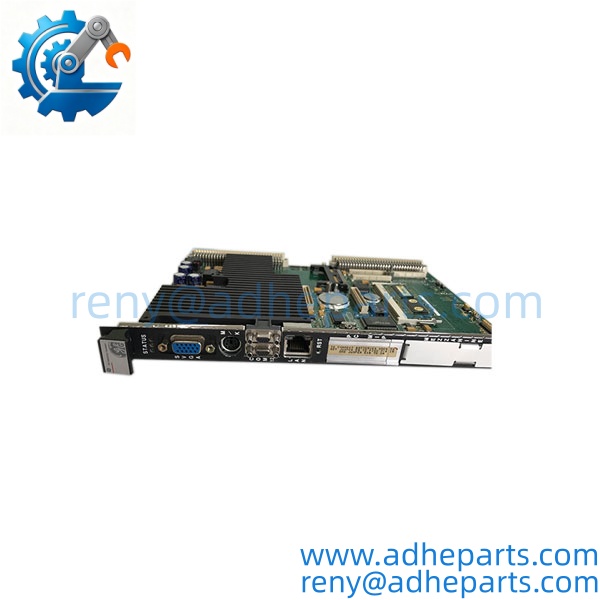
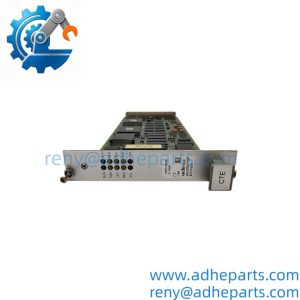
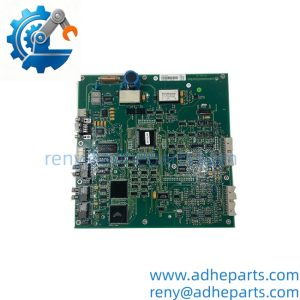
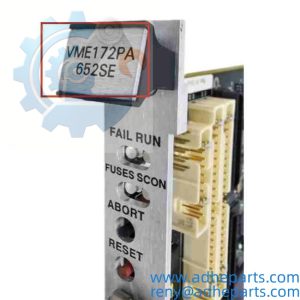
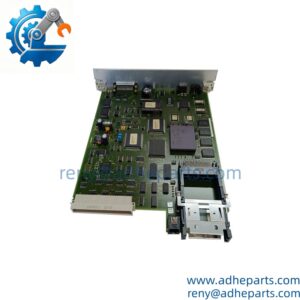
VMIVME-7698-345
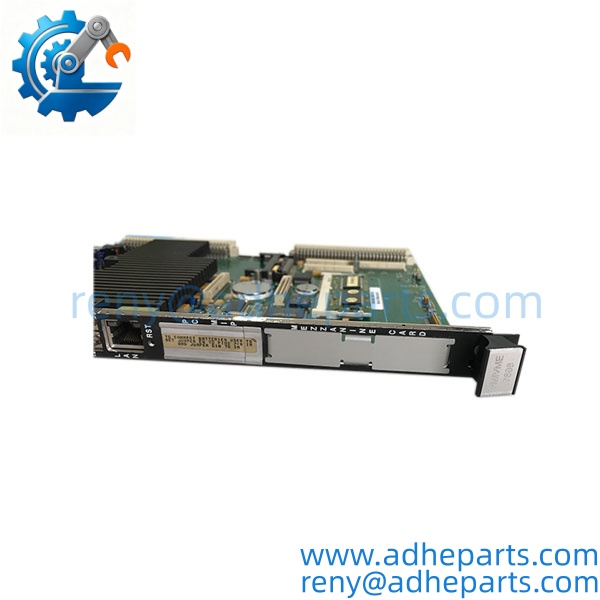
VMIVME-7698-345
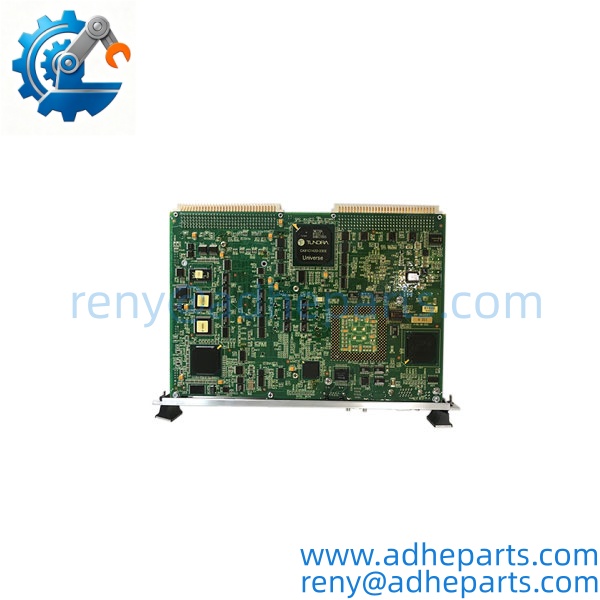
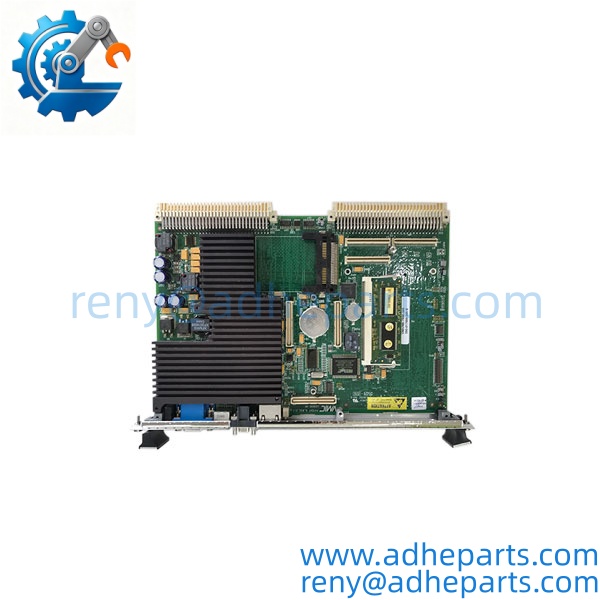
VMIVME-7698-345
QC, Procurement & Logistics SOP
- Inbound Verification
Check the model label, part number, PCB revision, connectors, and visible component condition. Where available, compare the board markings with the customer’s original unit and confirm whether the required flash card is included. - Live Rig Testing
Where suitable test equipment is available, inspect power-up behavior, POST results, display output, and accessible communication interfaces. A complete functional test requires a compatible VME chassis, suitable peripherals, and an appropriate software environment. Confirm the testing scope before ordering. - QA & Anti-Static Packaging
Inspect the PCB, connectors, and processor cooling assembly for visible damage. Use ESD-protective packaging and adequate cushioning to protect the board and its edge connectors during handling and transportation. - Global Logistics & Export Compliance
Confirm the destination, shipping method, and required export or import documents. Determine the applicable customs classification from the product’s actual specifications and destination-country requirements. Package the board securely for international air or sea freight and provide shipment tracking after dispatch.
Technical Pitfalls & Integration Warnings
- Firmware, BIOS, and Flash-Image Mismatch
The VMIVME-7698 uses flash memory for system and video BIOS functions, and the installed flash configuration may also be relevant to the customer’s boot environment. A replacement board with a different BIOS revision or flash image may not start the original application as expected. Verify the required BIOS, boot media, and software configuration before replacing the original board. - Hardware Configuration and Jumper Settings
VME system-controller settings, board configuration, and BIOS options can affect startup and bus operation. Do not copy jumper or configuration settings from another variant without checking the relevant manual. Record the original settings before removing the existing board. - Backplane and Peripheral Compatibility
Confirm that the chassis supports the board’s VME/VME64 interface and required backplane connections. Check the configuration of the connected VME modules, front-panel peripherals, and any devices connected through the P2 I/O. Mechanical fit alone does not establish electrical or software compatibility. - ESD Damage During Installation
Electrostatic discharge can damage processor-board components without leaving visible evidence. Use appropriate ESD protection when handling the board, avoid touching exposed contacts, and follow the chassis manufacturer’s power-down and installation procedures. Do not assume hot-swapping is supported unless the documentation for the complete system explicitly permits it.
Frequently Asked Questions (FAQ)
Q1: What is the GE -345 used for?
It is a VME/VME64 single board computer used for embedded processing and communication with other modules in compatible VME-based systems. It combines an Intel Celeron processor, onboard memory, flash storage, Ethernet, and serial interfaces.
Q2: What are the main specifications of the -345?
The documented configuration includes a 366 MHz Intel Celeron PPG processor, 64 MB SDRAM, a 64 MB flash card, onboard Fast Ethernet, two serial ports, and an SVGA controller with 2 MB SGRAM. Verify the actual board and included storage before purchase.
Q3: Can the -345 replace another variant?
Not automatically. Confirm the complete part number, hardware revision, memory configuration, flash contents, BIOS, and software requirements. Related variants may have different configurations that affect replacement compatibility.
Q4: Can the board be removed or installed while the chassis is powered on?
Do not assume that live insertion or removal is supported. Follow the applicable system and chassis documentation, and power down the equipment unless the manufacturer explicitly permits hot-swapping for the exact configuration.
Q5: Can you provide photos and functional test results before shipment?
Product photos can be used to check the label, connectors, and visible board configuration. Functional testing depends on the availability of a compatible VME chassis, peripherals, and software. Confirm the available inspection scope when requesting a quotation.
Q6: What is the lead time for international orders?
Lead time depends on confirmed stock, condition, inspection requirements, and destination. Contact us with the required quantity and shipping destination for a current quotation and estimated dispatch schedule.
Q7: What information should I provide when requesting a replacement?
Send the full model number and part number from the original board, clear photos of the label and connectors, and the equipment or chassis model. If the original system uses a specific flash image or legacy operating environment, include that information so compatibility can be reviewed before ordering.