Description
Product Introduction
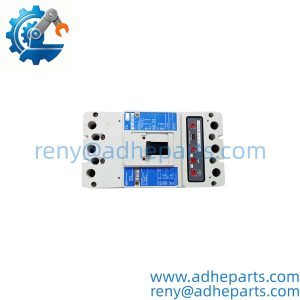
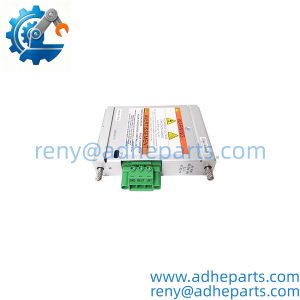
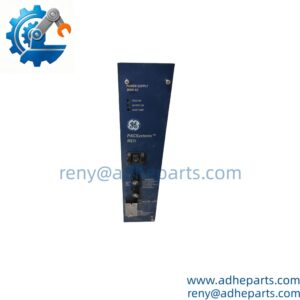
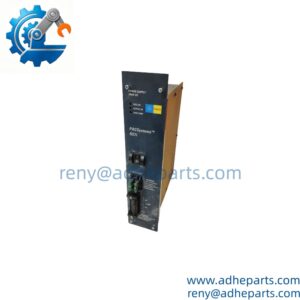
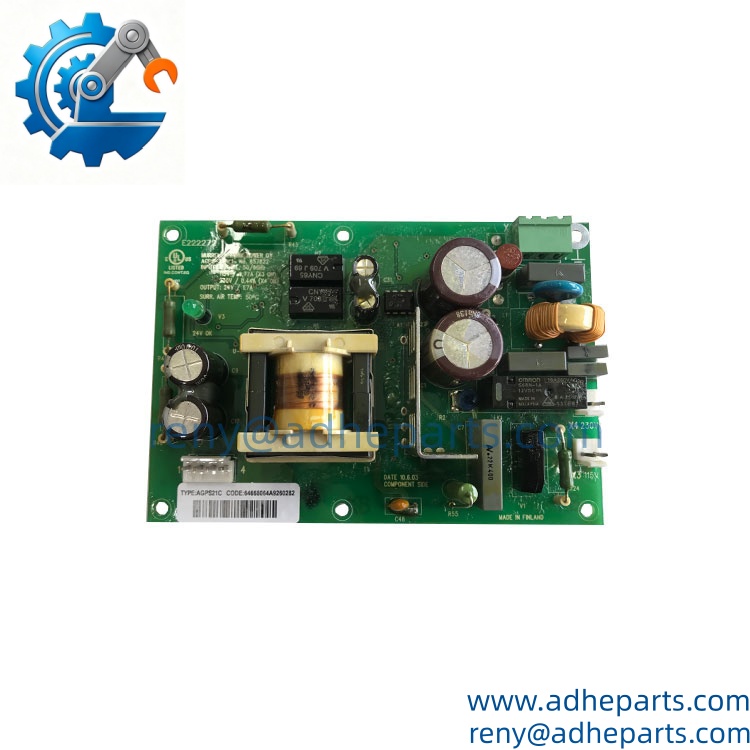
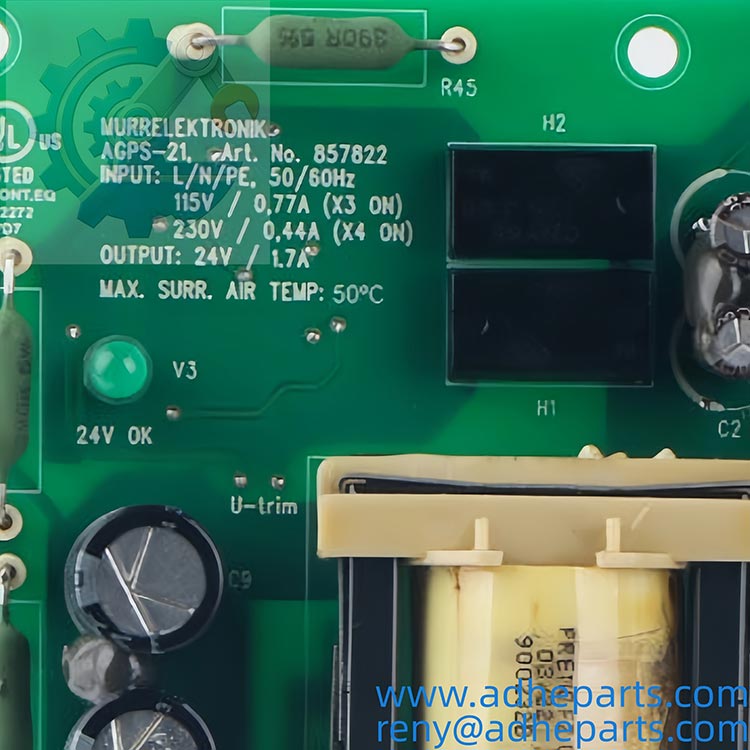
When a variable frequency drive loses its internal regulation and trips randomly mid-production, this board is the first component to inspect. It sits inside ABB drive racks, converting raw three-phase AC input to clean, ripple-free DC for all control logic and I/O circuits. Its built-in temperature-adjusted fan control cuts unnecessary noise and extends service life in 24/7 operating environments.
Key Technical Specifications
| Parameter | Value |
|---|---|
| Input Voltage | 380-480V AC (±10% fluctuation tolerance) |
| Input Frequency | 50/60Hz adaptive |
| Rated Output Current | 4.3A continuous |
| Overload Capacity | 150% rated current for 60s, 200% for 2s |
| Protection Features | Overcurrent, short-circuit, overvoltage, undervoltage, overheat |
| Startup Delay | 100ms to 500ms regulated soft-start |
| Operating Temperature | 0°C to +50°C (no derating below 40°C) |
| Derating Rule | 2.5% per °C above 40°C |
| Enclosure Protection | IP20 (for cabinet mounting only) |
| EMC Compliance | IEC 61800-3 standard |
| Unit Weight | 2kg |
| External Dimensions | 200mm standard form factor |
Field Application & Technical Pitfalls (The Engineer’s Guide)
This board is non-negotiable in three common industrial scenarios. It powers the internal control loops of 15kW variable frequency drives on water pump stations, it supplies stable DC power to conveyor drive racks in automotive assembly lines, and it acts as the backup power regulation unit for large HVAC fan VFDs in food processing plants.
Three non-negotiable pitfalls to avoid on replacement:
- ⚠️ Skipping pre-installation input voltage check: If the line voltage spikes above 520V AC without a properly rated upstream breaker, the board’s input rectifier will blow within 2 seconds of power-up.
- ⚠️ Forgetting to re-torque terminal blocks: The third terminal block from the left carries the main 480V AC input. A loose connection here will cause localized overheating that melts the PCB traces in under a week.
- ⚠️ Ignoring ESD protection during handling: The small voltage regulator IC near the board center is extremely static-sensitive. Even a low-level discharge you cannot feel will kill the output regulation function.
I watched a maintenance tech skip the pre-installation voltage check last winter. He slotted the new board straight into a drive that had just come off a 510V line fault, hit power, and the unit tripped on overvoltage instantly. The line sat idle for 2 hours while the team sourced a replacement unit.
Quality Control (QC) SOP & Transparency
- Inbound Verification: Cross-check the OEM part number and serial label against official ABB component records, run visual anti-counterfeit checks on PCB solder points and component markings.
- Live Rig Testing: Mount the board in a stock ABB drive test rack, run 2 hours of continuous full-load operation, confirm all protection triggers activate at their specified current/voltage thresholds.
- Parameter Testing: Run 2.5kV hipot test across input and output circuits, verify insulation resistance reads above 100MΩ at 500V DC, confirm output ripple stays below 100mV.
- Final QA & Packaging: Seal the unit in a static-shielded anti-static bag, apply a scannable QC passed label, and include a printed full load test report inside the shock-absorbent shipping carton.
Frequently Asked Questions (FAQ)
- Can I hot-swap this board while the main drive is still powered? No. You must fully isolate the 480V AC input and confirm zero voltage across the terminals before touching the board.
- What ABB drive series does this unit work with? It is fully validated for ABB ACS800 and compatible 15kW drive racks. Verify exact load capacity with the OEM datasheet for non-standard variants.
- How long does the standard warranty last? All new surplus and pre-tested refurbished units carry a full 12-month warranty, no hidden restocking fees.
- How do I tell a genuine OEM board apart from a third-party reworked unit? Genuine boards have a matte conformal coating across all components, no hand-soldered repair points near the main capacitor bank. Cloned units usually have mismatched capacitor brands.
- My drive trips randomly with no clear fault code. Is this always a bad AGPS-21C? No. First check upstream line voltage stability. If the voltage stays within 380-480V AC, this power board is the most likely root cause.
- Do I need to adjust any jumpers after installing a new unit? No. All configuration is auto-detected by the drive main control board. No manual jumper changes are required for standard operation.
- What is the maximum ambient temperature this board can handle? It runs at full rated output up to 40°C. Above that, you must derate output current 2.5% per °C to avoid premature overheat trips.
Other ABB Hot-Sale Products:
ABB 3BHE022294R0101 3BHE020356R0101 GF D233A Gate Drive Unit Board
ABB PU512V2 3BUR001401R1 | Real-Time Accelerator Module