Description
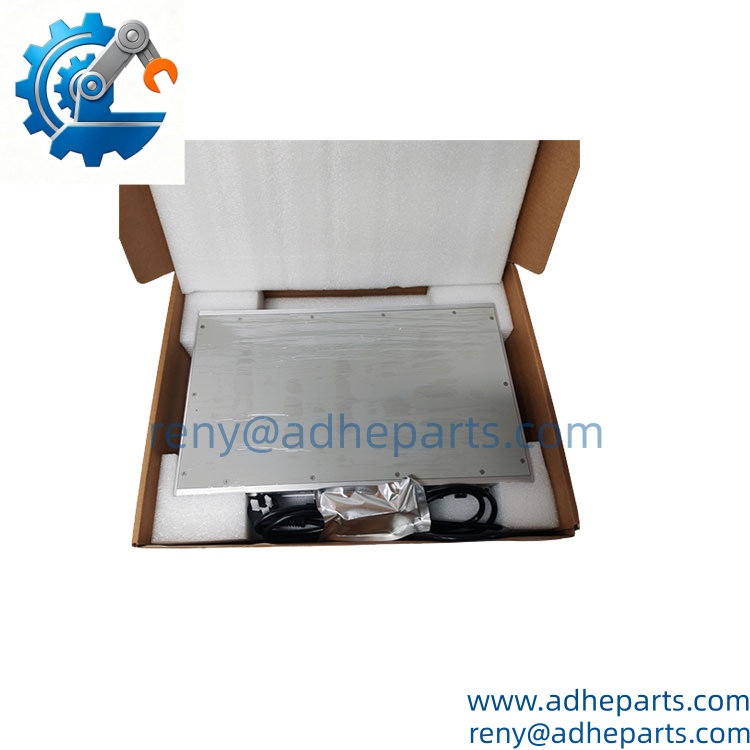
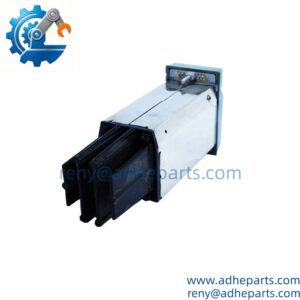
GE–ACC-5595-208-350-805595-208N package
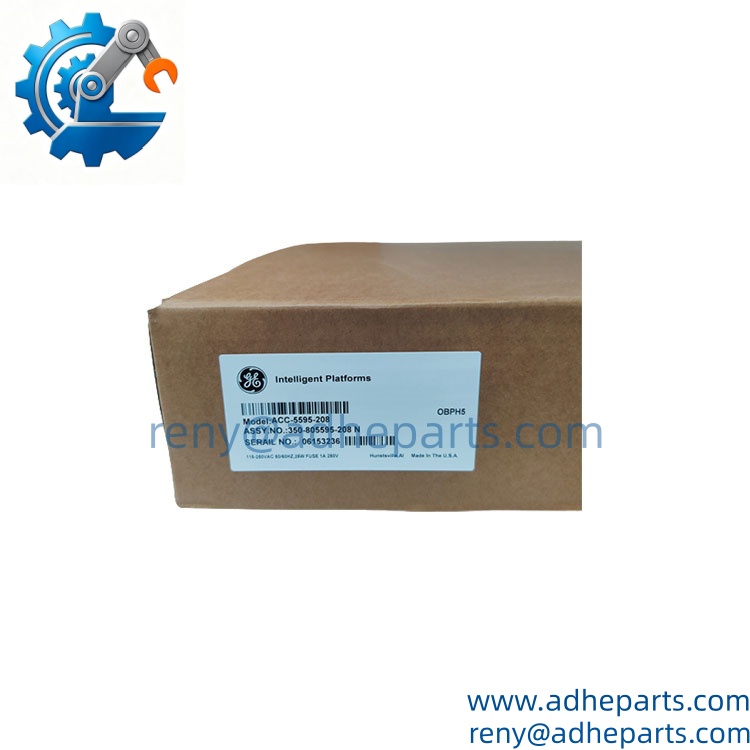
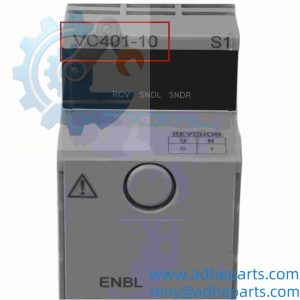
GE–ACC-5595-208-350-805595-208N outside label
Key Technical Specifications
| Parameter | Value |
|---|---|
| Manufacturer | GE / Abaco Systems |
| Model | ACC-5595-208 |
| Part Number | 350-805595-208N |
| Alternate Identification | VMIACC-5595-208 |
| Product Type | Reflective Memory Managed Hub |
| Network Technology | Reflective Memory |
| Data Rate | Up to 2 Gb/s |
| Optical Interfaces | Up to 8 SFP ports |
| Ethernet Interface | 10Base-T |
| Serial Interface | RS-232 |
| Power Input | 90–264 VAC |
| Power Frequency | 47–440 Hz |
| Power Consumption | Approx. 25 W |
| Operating Modes | Managed hub / bypass / port control |
| Typical Application | Real-time embedded computing networks |
| Network Role | Central reflective-memory hub |
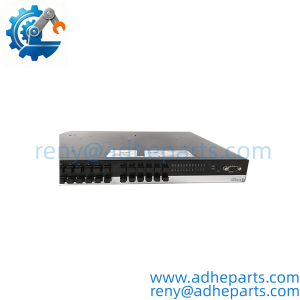
The ACC-5595-208 is described as a reflective-memory managed hub with eight optical SFP interfaces and a data rate of up to 2 Gb/s. The documented electrical interface includes 90–264 VAC, 47–440 Hz input and approximately 25 W power consumption.
The unit is intended for deterministic, high-speed data sharing between connected computing nodes. Other technical references identify it as part of GE/Abaco reflective-memory networking and associate it with the 5565 series reflective-memory interface cards.
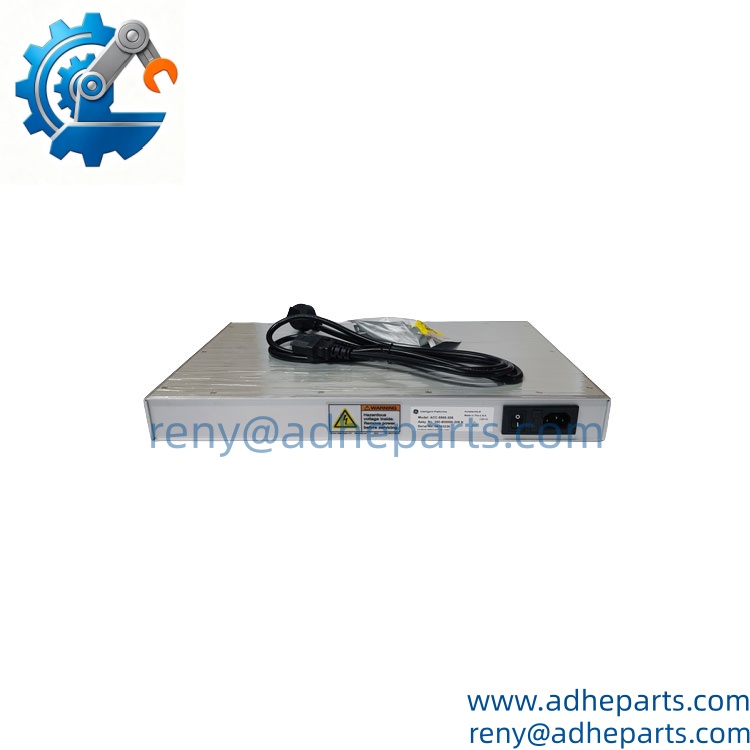
GE–ACC-5595-208-350-805595-208N front
Product Introduction (Anti-Template)
When several real-time computing nodes need to share the same data with very low transfer delay, ordinary Ethernet switching is not always the architecture the system was designed around. The GE ACC-5595-208 / 350-805595-208N is a reflective-memory managed hub used to connect nodes within a high-speed deterministic data-sharing network. Its optical SFP interfaces allow multiple reflective-memory nodes to communicate through the hub.
The important point is that this is not simply an industrial Ethernet switch. Reflective-memory networks are designed around shared real-time data between computing nodes, so the installed transceivers, fiber topology, port configuration, and compatible interface cards all matter. Honestly, replacing this unit with a conventional network switch because the cabinet has “network cables” is exactly the kind of shortcut that can turn a 30-minute hardware replacement into a much longer integration problem.
QC, Procurement & Logistics SOP
- Inbound Verification
Verify the complete identification: ACC-5595-208 / 350-805595-208N. Record the serial number, hardware revision, power-rating label, SFP configuration, front-panel condition, and connector condition. - Optical Interface Verification
Check the installed SFP modules and record their specifications before shipment. Single-mode and multi-mode fiber configurations should not be treated as interchangeable without confirming the customer’s existing network design. - Live Rig Testing
Verify power-up, status LEDs, optical-port detection, hub operation, bypass behavior, and reflective-memory communication using compatible test equipment. If possible, test communication through multiple ports rather than validating only the power supply. - Network Configuration Check
Document port assignments, operating mode, bypass settings, fiber topology, and installed transceiver type before removing the customer’s existing unit. Firmware-dependent features should also be recorded. - QA & Anti-Static Packaging
Handle the hub and SFP interfaces under appropriate ESD precautions. Protect optical connectors with dust caps and use shock-resistant packaging. Fiber interfaces are particularly vulnerable to contamination and physical damage. - Global Logistics & Export Compliance
Export documentation should identify the product accurately as a GE / Abaco ACC-5595-208 Reflective Memory Managed Hub, P/N 350-805595-208N. HS classification should be reviewed against the actual networking function and destination customs requirements. For urgent maintenance requirements, air freight is generally preferable; secure packaging is necessary for both air and sea transportation.
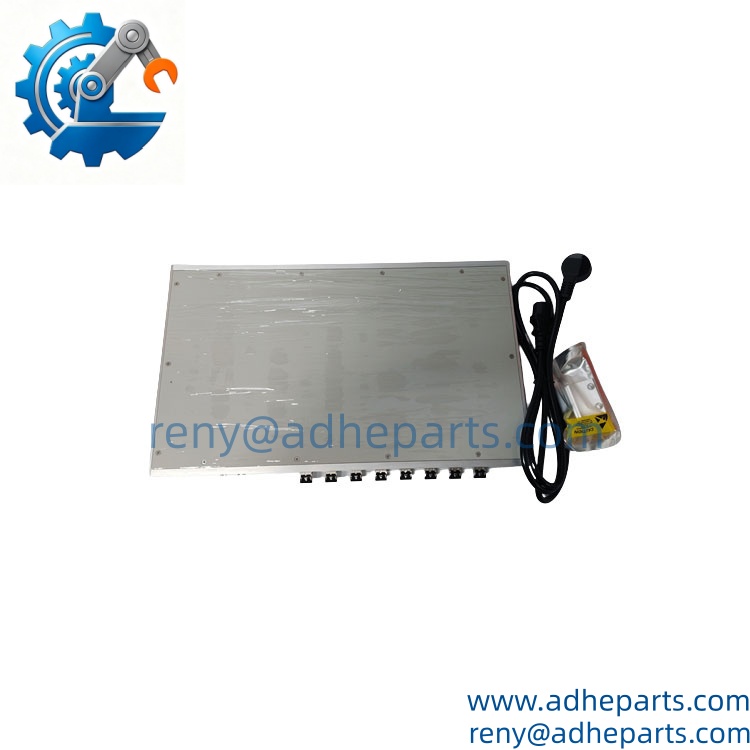
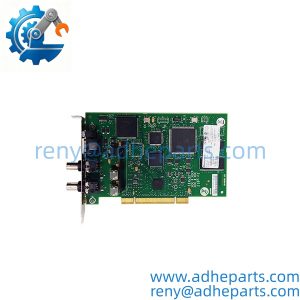
GE–ACC-5595-208-350-805595-208N backside
Technical Pitfalls & Integration Warnings
- Wrong Product Classification
Several secondary product listings incorrectly call the a relay or analog module. That classification does not match the more detailed technical references identifying it as a reflective-memory managed hub. Verify the physical unit and system application before purchasing. - SFP / Fiber Mismatch
The hub depends on optical interfaces. A replacement with the wrong SFP type can prevent the reflective-memory links from establishing properly. Check wavelength, fiber type, connector type, and transmission distance before installation. - Firmware / Operating-Mode Difference
Managed, bypass, and port-control functions can depend on the installed hardware and firmware. One available technical reference specifically notes firmware-dependent behavior, so the existing revision should be documented before a replacement is commissioned. - ESD and Fiber Contamination
Keep optical ports capped whenever fiber cables are disconnected. Do not touch optical connector ends. A contaminated fiber connection can look like a failed hub even when the electronics are functioning correctly.
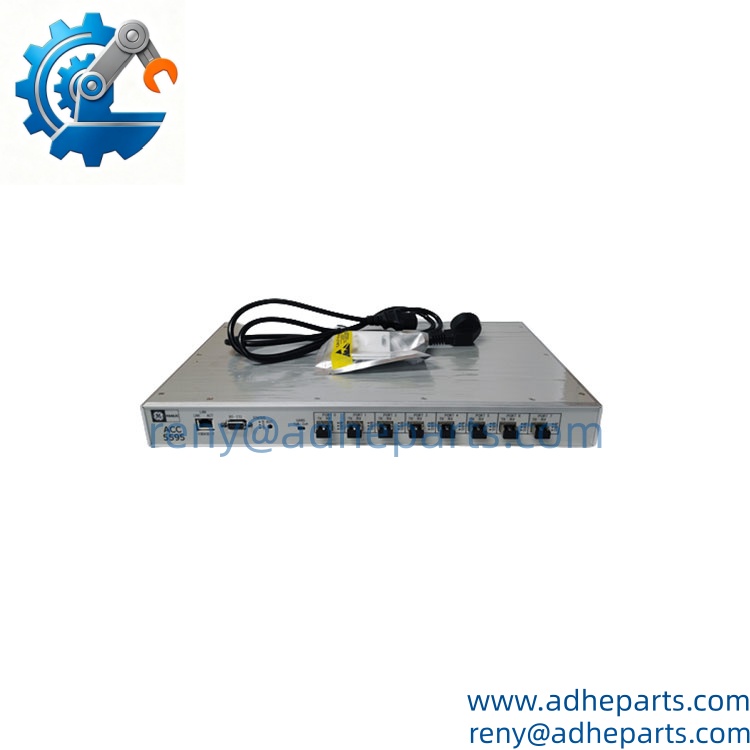
GE–ACC-5595-208-350-805595-208N front
Frequently Asked Questions (FAQ)
Q1: “What is GE actually used for?”
It is a reflective-memory managed hub used to connect multiple real-time computing nodes and distribute shared data across a high-speed reflective-memory network.
Q2: “Is 350-805595-208N the same part number?”
350-805595-208N is associated with the model. For procurement, it is best to state both identifiers together:
GE / 350-805595-208N
This reduces ambiguity when the customer searches by either the model number or the longer assembly/part number.
Q3: How many ports does the have?
Available technical references identify the configuration as supporting 8 SFP optical ports. The actual installed transceiver configuration should be checked before replacement.
Q4: “Is this just an Ethernet switch?”
No. Its primary function is reflective-memory networking, not conventional Ethernet switching. It can have Ethernet and serial interfaces for management or related functions, but the core application is high-speed reflective-memory communication.
Q5: Can it work with GE/Abaco reflective-memory cards?
It is associated with reflective-memory systems using compatible interface cards, including the 5565 series. The exact card, SFP, firmware, and network topology should be checked before confirming system-level compatibility.
Q6: “Can I hot-swap the ?”
Do not assume hot-swapping is supported. Removing the hub can interrupt multiple reflective-memory nodes simultaneously. Put the affected system into the approved maintenance state, isolate the equipment as required, and verify the network topology before disconnecting fiber links.
Q7: What information should I provide when ordering this part?
Please provide:
- nameplate photo
- Complete part number: 350-805595-208N
- Hardware revision
- Serial number
- Installed SFP model
- Fiber type: single-mode or multi-mode
- Number of active ports
- Connected reflective-memory card model
- Existing hub configuration
- Quantity required
- Destination country
- Required delivery date
For this particular GE part, the SFP and fiber configuration are just as important as the hub model. If the customer sends the front/rear photos and an SFP label photo, the replacement can be checked with much higher confidence.
Pre:Foxboro P0903ZE | Low-Speed Fieldbus Isolator
Next:GE MRP663860 | IS200SPROH1AAB Terminal Board