Description
Note: Many products are not yet listed. Please contact us for more product information. Our supply channels are constantly expanding, and we currently have 20 stable shared supply channels. Please confirm the model, product, price, and all other necessary information with customer service before placing an order. We offer new, refurbished, and used products, and prices are adjusted according to the year of the item you require.
3. Product Introduction
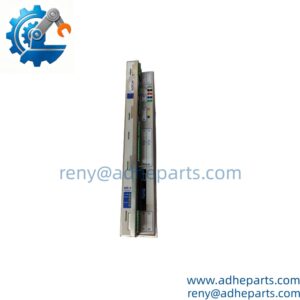
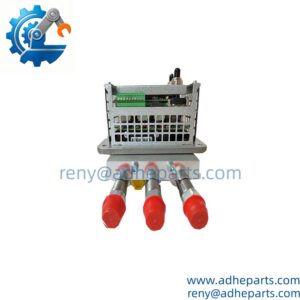
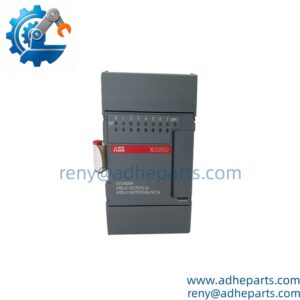
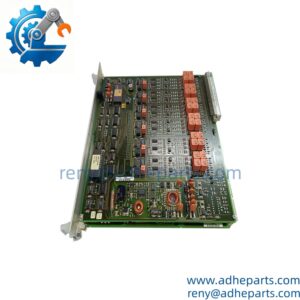
When a CENTUM VP station drops to standby and refuses to take control, the processor card is often the last component anyone suspects. The Yokogawa CP451-50 is the CPU that runs the control logic and talks to I/O across the V-net. It seats in a designated slot, draws from the rack backplane, and is mapped through the station database rather than front-panel switches. Firmware and station revision matter here (—though your mileage may vary depending on rack model and configuration). Availability is the real edge when a processor fails.
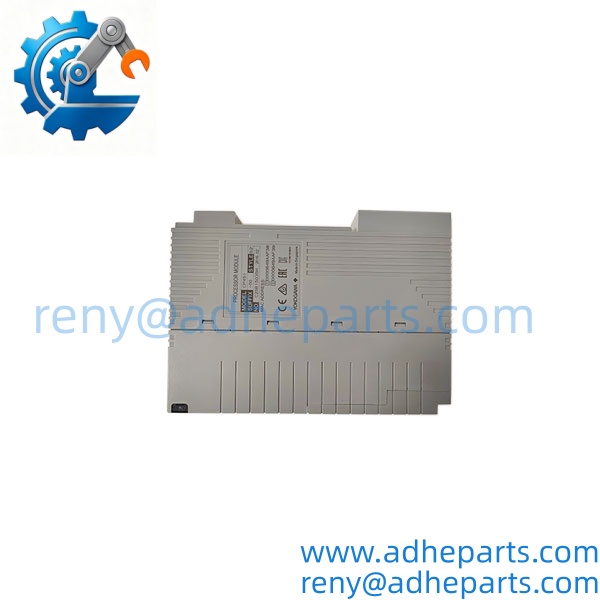
CP451-50
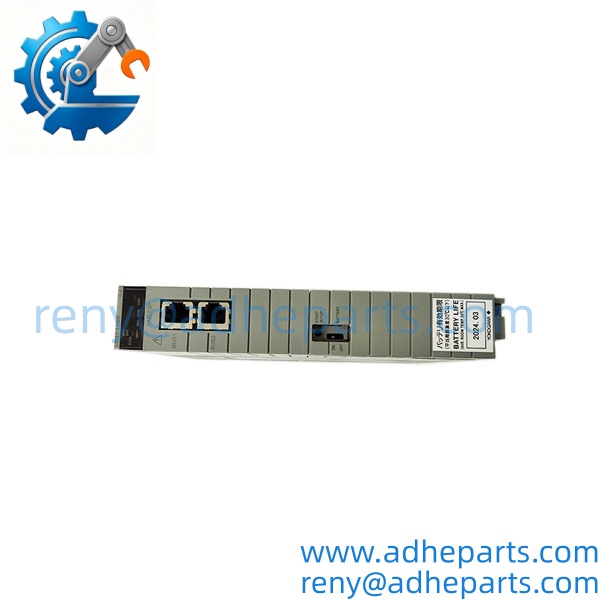
CP451-50
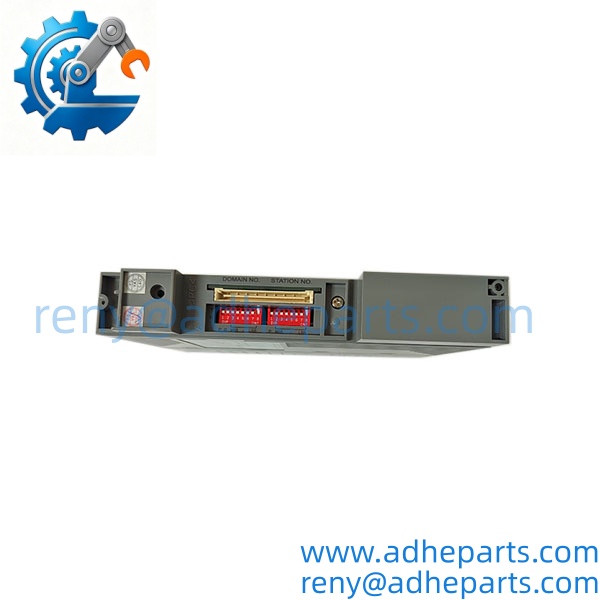
CP451-50
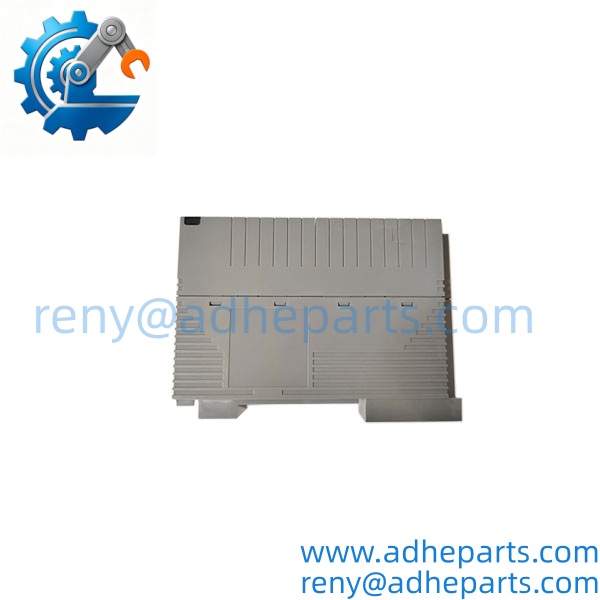
CP451-50
4. Key Technical Specifications
| Parameter | Value |
|---|---|
| Catalog Number | CP451-50 |
| Brand | Yokogawa |
| Product Type | CENTUM VP processor module |
| Host Platform | CENTUM VP rack (AFV10/AFV30 family) — confirm slot restrictions |
| Processor Architecture | Dual-core — verify exact clock speed with OEM datasheet |
| Memory | Verify user memory and program capacity with OEM datasheet |
| Communication Interfaces | V-net and I/O bus — confirm port count and connector style |
| Backplane Power | Rack backplane — verify exact current draw with OEM datasheet |
| Configuration | Station database; project file must match the module firmware |
| Firmware/Revision | Must sit inside the CENTUM VP support matrix |
| Operating Temperature | Verify exact range with OEM datasheet |
| Hot Swap | Confirm permission in the OEM manual before live removal |
5. Field Application & Technical Pitfalls (The Engineer’s Guide)
Where this module is critical:
- CENTUM VP control stations running continuous process units where loss of the processor means loss of regulatory control.
- Redundant processor pairs where one card fails and the standby must take over without a bumpless transfer issue.
- Legacy DCS installations kept alive because the process side still runs and a migration is a capital project, not a maintenance order.
Three pitfalls that bite during replacement:
- Station database and firmware mismatch. The processor must carry the same station database and compatible firmware as the old unit. Warning: a spare with a different database revision will boot, pass self-test, and still fail to synchronize with the standby or the I/O bus. Check the station file version, not just the catalog number.
- Redundancy pairing and synchronization. In a redundant pair, the replacement must match the partner’s firmware and database exactly. Warning: a mismatched pair can appear healthy on the front panel while refusing to synchronize — leaving you with a single processor and no warning until the next failure.
- Backplane seating, ESD, and hot-swap permission. Warning: do not assume live removal is allowed for your slot. Well, technically some CENTUM VP slots support live insertion — but “some” is not “yours.” Remove rack power, ground yourself, and verify the edge connector is fully seated before energizing.
Lesson learned: A technician replaced a failed processor with a shelf spare, powered up, and watched the station run — but the standby processor refused to synchronize. Root cause: the spare carried a database revision two versions behind the partner. The station ran single-processor for three weeks until someone noticed the sync fault. The hardware was good; the database was not.
6. Quality Control (QC) SOP & Transparency
- Inbound Verification. Each module is checked against the OEM packing list, label typography, serial number format, and date-code range. Firmware revision and connector condition are logged before the unit enters stock.
- Live Rig Testing. The module is seated in a compatible CENTUM VP test rack with a known-good partner processor and simulated I/O. We power on, confirm rack recognition, verify database load, and check synchronization behavior where the test fixture supports it.
- Parameter Testing. Backplane current draw, connector continuity, and firmware revision readout are checked against the OEM datasheet where published. Undocumented values are flagged for buyer confirmation rather than guessed.
- Final QA & Packaging. The module ships in an anti-static bag with a QC-passed label, a test record showing the firmware revision we verified, and photos of the connector layout when available.
7. Frequently Asked Questions (FAQ)
Can I hot-swap this processor in a live CENTUM VP rack? Do not assume so. Some slots support live removal, but the OEM manual and your site procedure decide. If live removal is not explicitly permitted for that slot, remove rack power first.
How do I confirm it matches my station? Send the rack model, firmware revision, station database version, slot number, and old module label photo. We cross-check the catalog number and test record before shipping. Exact fit still depends on the OEM support matrix for your station firmware.
What’s the warranty? 12 months from delivery for functional failure under normal operation. Cables, fuses, and other consumables carry a 90-day replacement guarantee.
How can I tell genuine OEM from refurbished? Genuine units carry the original Yokogawa label with consistent typography and a traceable serial number. Refurbished units carry our QC tag in addition to the OEM label, and we disclose condition on the quote.
Does it ship with a station database? No. We ship a test record, not your project file. The processor must be loaded with the correct station database and firmware to match your rack.
Will it work in a redundant pair? Only if the firmware and database match the partner processor exactly. Send us the partner’s revision details and we will confirm what we can before shipment.
What do you need to quote the right replacement? Rack model, firmware revision, station database version, slot number, and old label photo. That five-minute upload prevents most wrong-part returns.