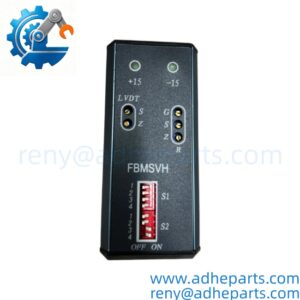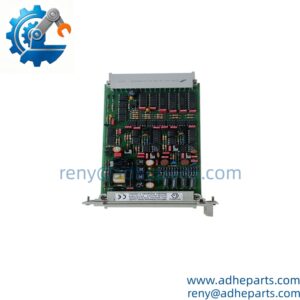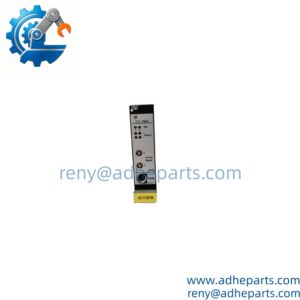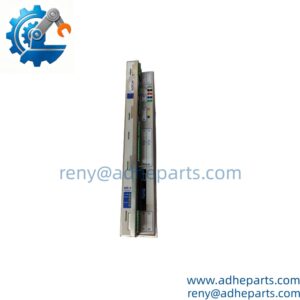
Description
Note: Many products are not yet listed. Please contact us for more product information. Our supply channels are constantly expanding, and we currently have 20 stable shared supply channels. Please confirm the model, product, price, and all other necessary information with customer service before placing an order. We offer new, refurbished, and used products, and prices are adjusted according to the year of the item you require.
Key Technical Specifications
| Parameter | Value |
|---|---|
| Manufacturer | Hitachi |
| Model Number | LYA010A |
| Product Type | Industrial Control Module |
| Product Category | DCS / I/O-Related Module |
| System Association | Hitachi Industrial Control Systems |
| Module Function | Requires confirmation from original technical documentation |
| Input Channels | Not independently verified |
| Output Channels | Not independently verified |
| Signal Types | Requires confirmation from module identification and wiring documentation |
| Rated Voltage | Not independently verified |
| Communication Interface | Not independently verified |
| Installation Method | System-dependent |
| Hardware Revision | To be confirmed from nameplate |
| Firmware | To be confirmed, if applicable |
Technical verification note: Public product listings classify LYA010A inconsistently as an analog I/O module, output module, and controller-related module. Specific claims such as 16 analog input channels, 16-bit resolution, 4–20 mA support, or EtherCAT compatibility are not sufficiently verified. These values should not be published as confirmed specifications without the original Hitachi datasheet.
Product Introduction
The HITACHI LYA010A is an industrial automation spare module associated with legacy Hitachi control system installations. It is listed in industrial parts catalogs as a DCS-related module, with some suppliers identifying it as an analog input/output component. Its exact functional assignment should be established from the original module label and system documentation.
For replacement projects, the complete model number, hardware revision, terminal arrangement, and installed system configuration are essential. Matching these details helps avoid incorrect signal connections and unnecessary commissioning delays.
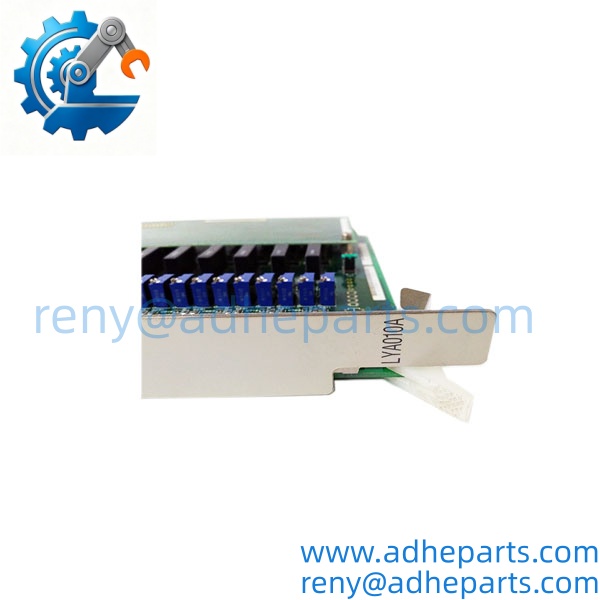
LYA010A
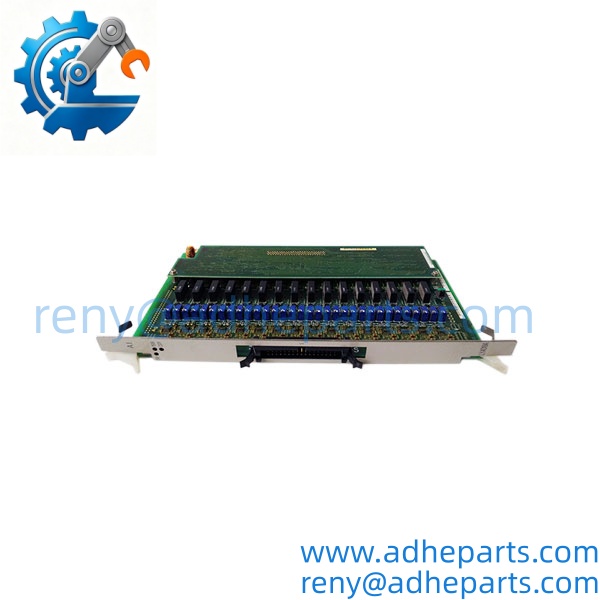
LYA010A
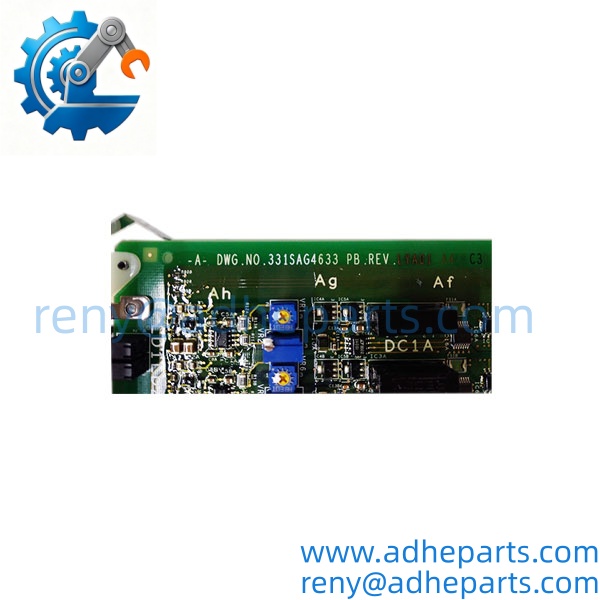
LYA010A
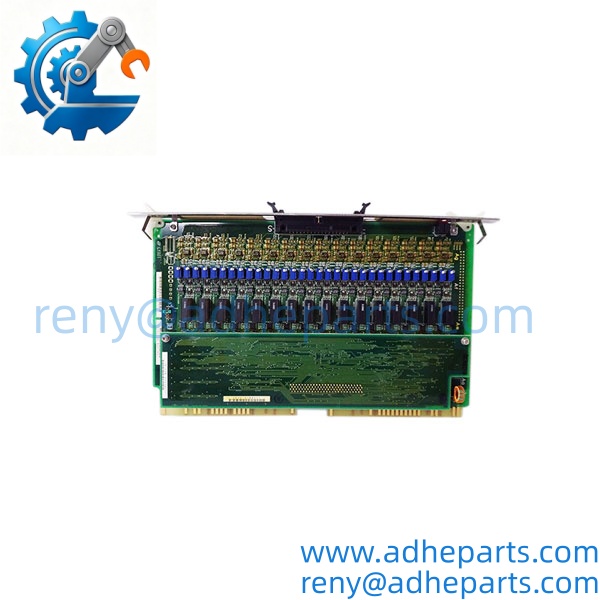
LYA010A
Application Scenarios & Field Experience
Part 1 – Engineering Challenges
Maintaining legacy distributed control systems can become difficult when a specific control module fails or becomes difficult to source. Even when the replacement carries the same general product-family designation, differences in signal configuration, terminal assignments, or hardware revisions can create problems during commissioning.
The LYA010A is relevant to maintenance and spare-parts replacement requirements in existing Hitachi industrial control installations. Before installation, engineers should establish its exact I/O function and verify the original wiring records rather than assume its channel configuration from generic product descriptions.
Part 2 – Typical Application Scenarios
1. Power Generation – Boiler Control Systems
- Process: Boiler monitoring and auxiliary equipment control.
- Requirement: Replacement of compatible control-system modules used in existing DCS installations.
2. Chemical Processing – Process Monitoring
- Process: Monitoring temperature, pressure, and other process variables.
- Requirement: Maintaining the original control-system hardware and field signal interfaces.
3. Industrial Manufacturing – Production Line Automation
- Process: Automated equipment monitoring and control.
- Requirement: Restoring communication and signal processing through compatible legacy control modules.
4. Power Plants – DCS Maintenance
- Process: Existing distributed control system maintenance and fault recovery.
- Requirement: Replacement of discontinued or failed control-system hardware without unnecessary changes to the installed architecture.
Part 3 – Illustrative Field Case
A power plant experienced a control-system fault involving an aging Hitachi DCS module. The maintenance team identified the suspected hardware and checked the original module label and wiring documentation before sourcing a replacement. A matching LYA010A unit was selected for inspection and compatibility verification. Following installation and an end-to-end signal check, the maintenance team confirmed the affected control functions before returning the equipment to service.
Illustrative engineering scenario, not a documented customer installation.
Standard Operating Procedure (SOP) for Quality Control
Our QC process for the HITACHI LYA010A focuses on model identification, electronic condition, connector integrity, and compatibility with the installed control system.
1. Visual & Origin Inspection
- Verify the HITACHI manufacturer identification and model number.
- Inspect the PCB, housing, connectors, and terminal interfaces.
- Check available OEM labels, serial numbers, and packaging.
- Inspect for corrosion, burned components, damaged terminals, or unauthorized repairs.
- Record the hardware revision and actual product condition.
- Compare the module identification against available technical documentation.
2. Live Rig Testing
- Identify the compatible Hitachi test platform before applying power.
- Verify the required supply voltage using the original technical documentation.
- Check power-up behavior and diagnostic indicators.
- Inspect communication and I/O status where applicable.
- Test input or output channels only after confirming their electrical functions.
- Verify signal behavior using suitable calibrated test equipment.
- Record actual test results and any limitations.
3. Firmware Verification
- Determine whether the specific hardware revision uses configurable firmware.
- Record available hardware and firmware identification.
- Verify compatibility with the installed Hitachi control system.
- Check configuration requirements before replacement.
- Document revision differences for engineering review.
4. ESD-Safe Packaging
- Handle electronic assemblies using ESD-protected procedures.
- Place the module in anti-static packaging.
- Protect connectors and exposed electronic components.
- Add protective cushioning against mechanical shock.
- Use moisture-resistant outer packaging where required.
- Verify the model number and shipping label before dispatch.
5. Pre-Shipment Documentation
- Provide actual product photographs upon request.
- Arrange live video inspection before shipment.
- Confirm model number, condition, and quantity.
- Provide available inspection records.
- Confirm warranty terms and shipping arrangements.
Frequently Asked Questions (FAQ)
Q1: Is the HITACHI compatible with other Hitachi DCS modules?
A: Compatibility depends on the installed Hitachi control platform, rack architecture, and module function. Do not assume that another LYA-series module is a direct replacement. Check the original part number, hardware revision, terminal arrangement, and system documentation before ordering.
Q2: What warranty do you provide for the HITACHI ?
A: We offer a 12-month warranty, subject to confirmed order terms. The warranty covers qualifying product-related failures under normal operating conditions. Physical damage, incorrect installation, and unauthorized modifications are excluded.
Q3: Is the HITACHI available from stock, and how quickly can it ship?
A: Availability and condition are subject to actual stock confirmation. We can provide actual product photographs and arrange live video inspection before shipment.
For confirmed available inventory, our standard shipping arrangement is generally within one week after payment.
Q4: Does the HITACHI require firmware matching?
A: This depends on the exact system application and hardware revision. Before replacement, check whether the module requires configuration or firmware compatibility verification. Do not transfer configuration parameters from another module based solely on a similar model designation.
Q5: What should engineers check before installing the HITACHI ?
A: Pay particular attention to the following:
- Confirm the complete model number and hardware revision.
- Identify the exact Hitachi control system and rack configuration.
- Verify the supply voltage and power requirements.
- Confirm the module’s actual input/output function.
- Check terminal assignments against the original wiring drawings.
- Verify signal types and electrical ranges.
- Check system configuration and compatibility.
- Perform an end-to-end signal test after installation.
Important: Do not install the module based solely on its physical appearance or general product description. Incorrect signal connections can damage the module or connected field devices. Follow the original Hitachi installation documentation and approved maintenance procedures.