Description
Note: Many products are not yet listed. Please contact us for more product information. Our supply channels are constantly expanding, and we currently have 20 stable shared supply channels. Please confirm the model, product, price, and all other necessary information with customer service before placing an order. We offer new, refurbished, and used products, and prices are adjusted according to the year of the item you require.
3. Product Introduction
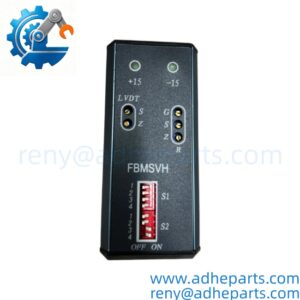
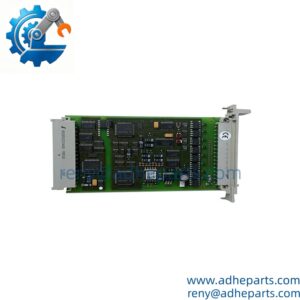
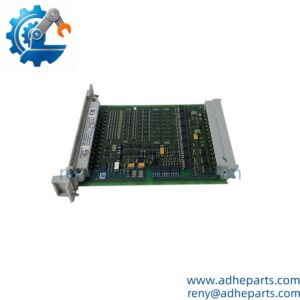
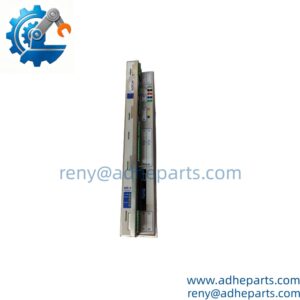
As the PLC-5/40C processor for legacy 1771 I/O racks, the 1785-L40C15 runs the ladder program and talks to remote I/O over the backplane and Ethernet. It slots into a 1771 processor chassis, carries battery-backed RAM, and uses a key switch for PROG/REM/RUN modes. The built-in Ethernet port saves a separate communication card in panels where network access is the only modern link left. Firmware and memory module choices matter here (—though your mileage may vary depending on the existing program archive).
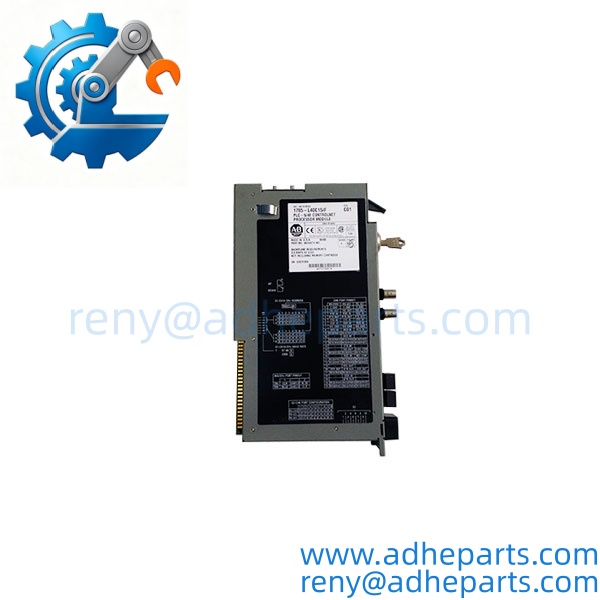
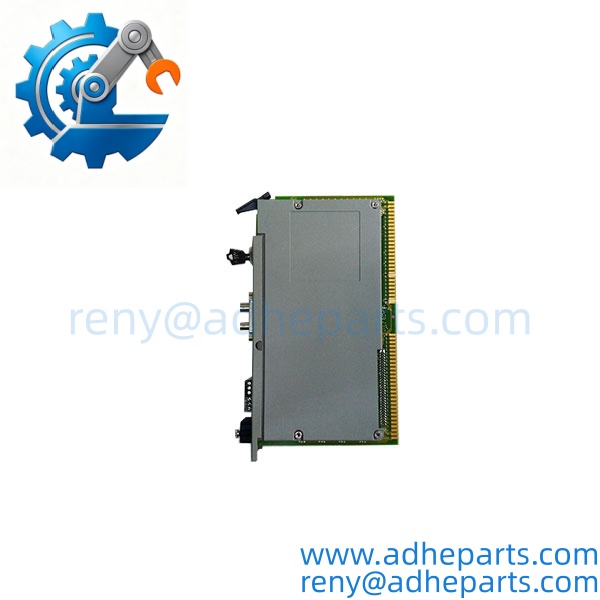
1785-L40C15
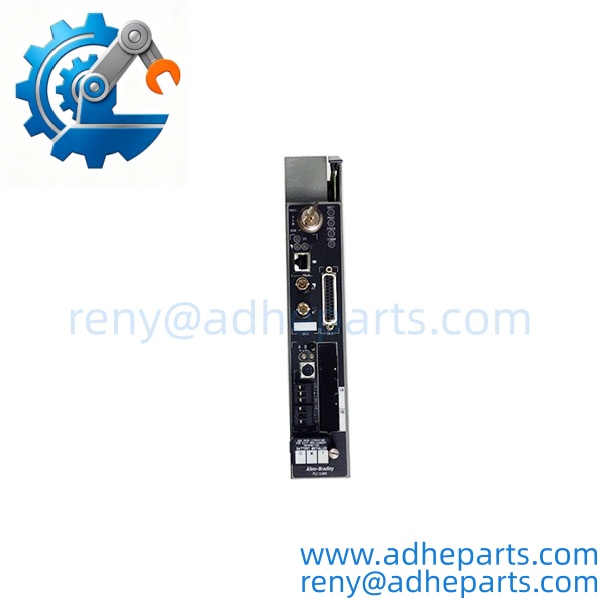
1785-L40C15
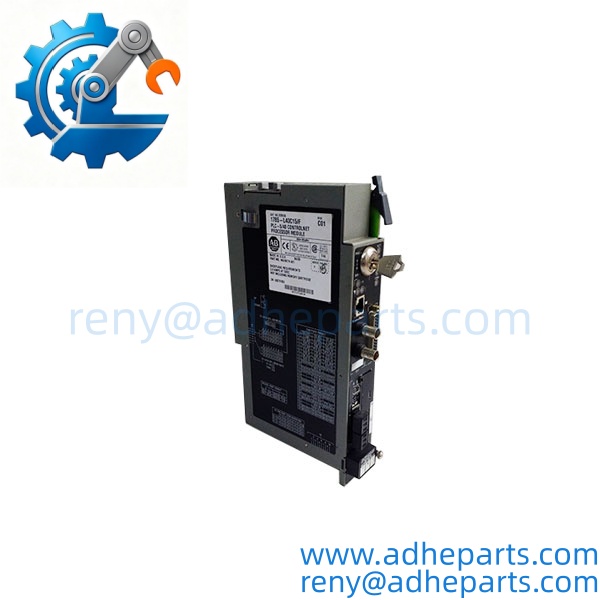
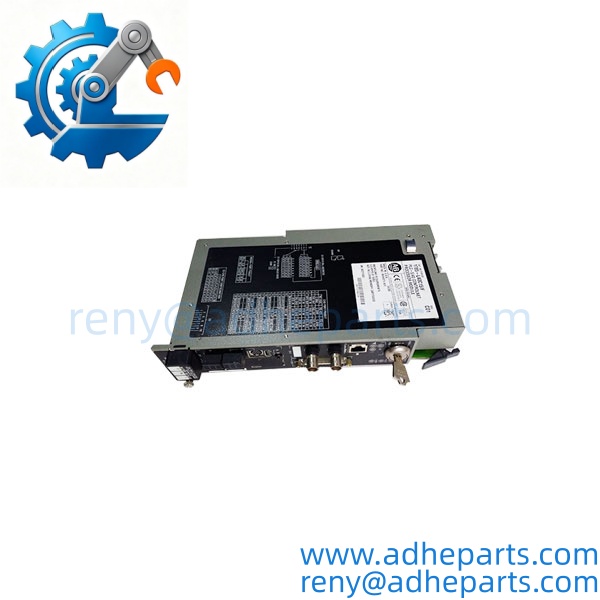
1785-L40C15
4. Key Technical Specifications
| Parameter | Value |
|---|---|
| Catalog Number | 1785-L40C15 |
| Brand | Allen-Bradley (Rockwell Automation) |
| Product Type | PLC-5/40C processor module |
| Host Platform | 1771 processor chassis — confirm chassis series and slot restrictions |
| User Memory | 48K words class — verify exact memory with the OEM datasheet |
| Built-in Communication | 10Base-T Ethernet port; RS-232 serial port |
| Battery Backup | Battery-backed RAM — confirm battery type and condition |
| Key Switch Modes | PROG, REM, RUN — confirm key availability |
| Backplane Current | Verify exact draw with the OEM datasheet |
| Firmware/EPROM | Revision-dependent — match to the existing program archive |
| Operating Temperature | Verify exact range with the OEM datasheet |
| Hot Swap | Not supported — remove chassis power before removal |
5. Field Application & Technical Pitfalls (The Engineer’s Guide)
Where this processor is critical:
- Legacy packaging and assembly lines where 1771 I/O and PLC-5 logic still run the machine, and a processor fault stops production.
- Water and wastewater plants with remote 1771 racks and a PLC-5 processor that handles pump and valve sequencing.
- Material handling systems kept on life support because the mechanical side runs fine and a controls migration is a capital project.
Three pitfalls that bite during replacement:
- Firmware and program archive mismatch. Warning: a processor with a newer firmware revision can accept the old program archive but change instruction behavior in subtle ways. Match the revision to the existing archive and verify the memory module type before you power up. Well, technically the processor may run the old logic, but the archive compatibility is not guaranteed across revisions.
- Ethernet IP address and duplicate-node conflicts. Warning: the built-in Ethernet port needs a unique IP address on the plant network. A replacement carrying a test-bench address or a duplicate address will show link activity and still fail to communicate with the HMI or peer devices. Confirm the address against the network drawing before you connect the cable.
- Battery, program loss, and ESD. Warning: the battery backs up RAM, and a dead battery during a swap wipes the program. Replace the battery before removal or have a current archive ready. Ground yourself before touching the processor card — the backplane connector is static-sensitive, and a zapped processor looks exactly like a dead spare.
Lesson learned: A technician swapped a failed PLC-5 processor for a shelf spare, powered up, and watched the HMI lose communication every few minutes. Root cause — the spare carried a duplicate IP address and an older firmware revision that did not match the program archive. The hardware was good; the network identity and revision were not. Two hours of troubleshooting for a five-minute label and address check.
6. Quality Control (QC) SOP & Transparency
- Inbound Verification. Each processor is checked against the OEM packing list, label typography, serial number format, and date-code range. Firmware revision and battery condition are logged before the unit enters stock.
- Live Rig Testing. The processor is seated in a 1771 test chassis with a known-good power supply and at least one I/O module. We power on, confirm the OK LED, verify key switch modes, and exercise a minimal ladder program through the serial port.
- Parameter Testing. Backplane current draw, battery voltage under load, Ethernet link status, and serial port continuity are checked against the OEM datasheet where published. Undocumented values are flagged for buyer confirmation rather than guessed.
- Final QA & Packaging. The processor ships in an anti-static bag with a QC-passed label, a test record showing the firmware revision we verified, and a fresh battery installed unless you specify otherwise.
7. Frequently Asked Questions (FAQ)
Can I hot-swap this processor in a live PLC-5 chassis? No. Remove chassis power first. The backplane was not designed for live processor removal, and pulling the card under power can corrupt the program or damage the backplane.
Will it work with my existing 1771 I/O and program? It fits a standard 1771 processor chassis, but firmware revision and memory module type decide whether your archive loads cleanly. Send us the old label photo and the program archive name, and we will confirm what we can before shipment.
What’s the warranty? 12 months from delivery for functional failure under normal operation. The battery is a consumable and carries a 90-day replacement guarantee.
How can I tell genuine OEM from refurbished? Genuine units carry the original Allen-Bradley label with consistent typography and a traceable serial number. Refurbished units carry our QC tag in addition to the OEM label, and we disclose condition on the quote.
Does it ship with a program or firmware? No. We ship a test record, not your ladder archive. Load your program with the appropriate software and verify the processor’s firmware revision before going into production.
Does the built-in Ethernet port support modern protocols? It is a 10Base-T port for Ethernet messaging, not EtherNet/IP. If your network expects CIP or a modern driver, confirm compatibility with the OEM datasheet and your HMI driver.
What do you need to quote the right replacement? Old label photo, firmware revision, program archive name, network drawing with IP addresses, and chassis model. That five-minute upload prevents most wrong-part returns.