Description
Note: Many products are not yet listed. Please contact us for more product information. Our supply channels are constantly expanding, and we currently have 20 stable shared supply channels. Please confirm the model, product, price, and all other necessary information with customer service before placing an order. We offer new, refurbished, and used products, and prices are adjusted according to the year of the item you require.
Key Technical Specifications
| Parameter | Value |
|---|---|
| Input Channels | 64‑point commoned (non‑isolated) DC‑coupled analog inputs |
| Supported Signal Types | 0‑5 VDC, 0‑10 VDC; 0‑20 mA with external shunt resistors |
| A/D Resolution | 12‑bit |
| Input Update Rate | 75 ms full‑module scan cycle |
| Measurement Accuracy | ±0.25 % full‑scale range (0 °C‑60 °C) |
| Input Resistance | 30 MΩ minimum DC input impedance |
| Overrange Protection | 150 VDC / 115 VAC continuous withstand |
| Redundancy Architecture | TMR triple‑leg processing, mid‑value‑selection voting logic |
| Hot‑Swap Support | Yes, live chassis replacement permitted |
| Operating Temperature | 0 °C to 60 °C (32 °F‑140 °F) |
| Safety Certification | TÜV SIL 3 for Tricon system architecture |
| Compatibility | Tricon V9, V10 chassis series |
| Lifecycle Status | End‑of‑production, spare‑part‑only |
Product Introduction
Unlike differential‑input I/O cards, the 3704E uses a shared common return for all 64 field channels, which cuts hardware count but imposes strict grounding rules for every connected transmitter. It does not perform safety trip logic itself; it supplies voted analog measurements to the main processor for safety‑limit evaluation.
Honestly, many integration teams gloss over its non‑isolated nature. Mixing field devices with differing ground references creates ground‑loop drift, and you get drifting process readings even when every individual channel passes bench verification.
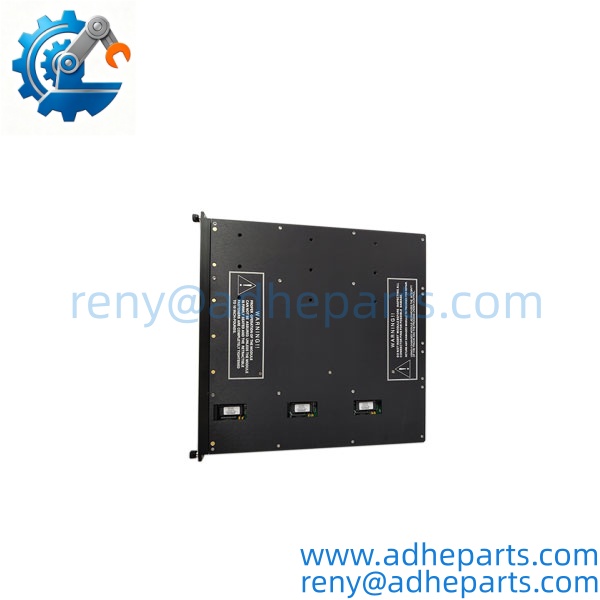
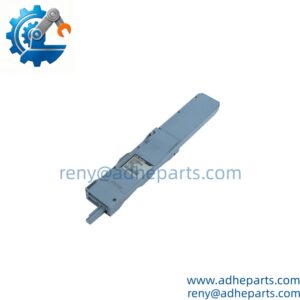
Triconex 3704E
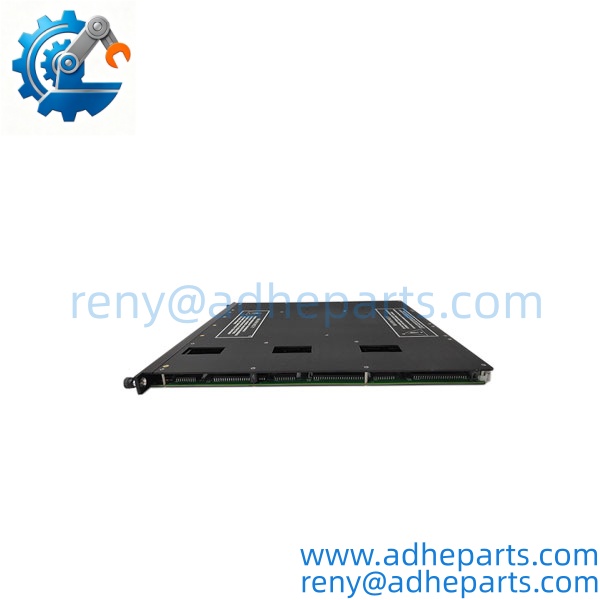
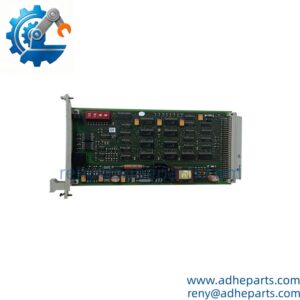
Triconex 3704E
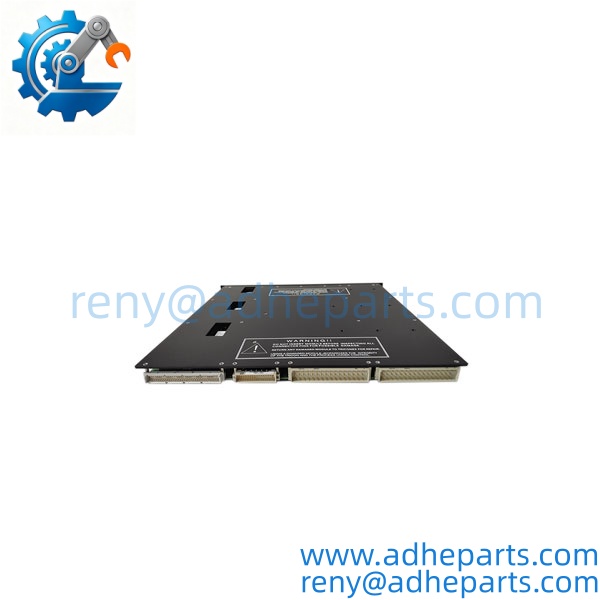
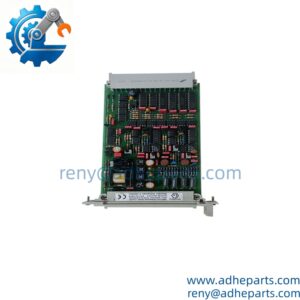
Triconex 3704E
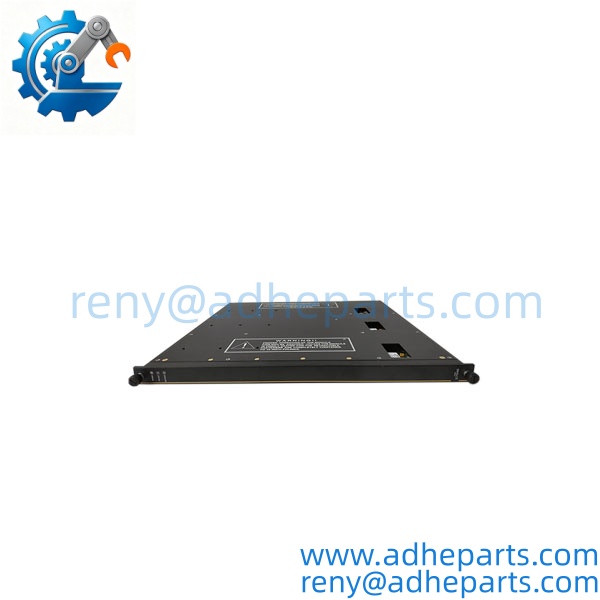
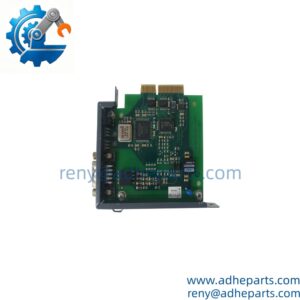
Triconex 3704E
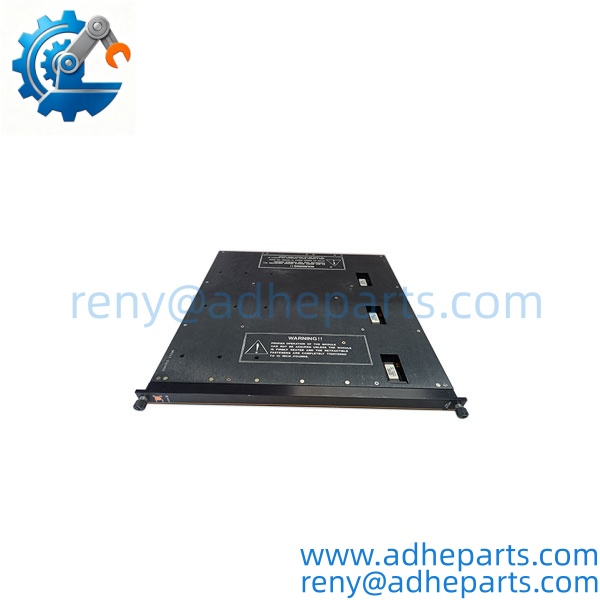
Triconex 3704E
QC, Procurement & Logistics SOP
- Inbound Verification: Match engraved nameplate to catalog number; capture serial and hardware revision. Inspect gold edge connector for scratching or oxidation; examine field terminal connector for bent pins.
- Live Rig Testing: Install inside qualified Tricon chassis, apply rack power. Confirm module boot LED sequence, read firmware revision. Inject calibrated voltage / current signals across sample channels, verify TMR voting behavior and reported values within tolerance. Log channel diagnostic responses.
- QA & Anti‑Static Packaging: Enclose module inside static‑shield bag. Fit foam padding protecting edge connector and terminal interface. Place printed bench‑test summary sheet inside outer carton.
- Global Logistics & Export Compliance: Apply optimized HS code classification to reduce inspection hold‑ups. Carton reinforced for air or sea freight with shock warning labels. Full export documentation prepared, —though customs clearance in the EU might add 2 days.
Technical Pitfalls & Integration Warnings
- Firmware Rev Mismatch: A chemical plant fitted a down‑revision 3704E into an existing Tricon rack. Module showed OK status, but several channels returned stuck values during high‑density scan load. Mismatched firmware broke internal TMR leg synchronization. Always align module firmware to the host system baseline before commissioning.
- Configuration file loss risk: Channel signal‑type assignments (voltage versus shunt‑based current) persist in module non‑volatile memory. A maintenance crew swapped surplus hardware without re‑downloading I/O configuration; 4‑20 mA transmitters read completely wrong values. Re‑apply full channel configuration after each hardware swap.
- Wiring / grounding incompatibility: Since this is commoned non‑isolated hardware, field transmitters must reference one single plant ground point. One refinery connected mixed‑ground instrumentation; ground‑loop noise caused slow‑drifting analog readings that evaded simple point‑to‑point checkout.
- ESD destruction during unboxing: Analog front‑end circuits are static‑sensitive. A technician completing hot‑swap without wrist strap introduced hidden damage. Unit reads correctly at stable bench conditions but generates sporadic channel faults under real‑world plant electrical noise.
Frequently Asked Questions (FAQ)
Q: What lead times apply sourcing 3704E for SIS analog input channel failures? A: Bench‑verified surplus stock can ship within 1‑3 working days. No factory‑new production exists; all hardware draws from new‑old‑stock or pre‑qualified pre‑owned pools.
Q: What shipping and customs considerations apply cross‑border for this SIS analog input module? A: Air freight fits urgent safety‑system outage scenarios; sea freight works for scheduled turnaround projects. Complete export documentation is supplied. Some destination jurisdictions require safety‑related certification paperwork, which may extend local clearance timelines.
Q: Can I hot‑swap 3704E while the Tricon SIS rack stays online? A: Mechanical hot‑swap is supported. During swap, all 64 channels serviced by this module go to configurable fault‑safe states. The rest of the SIS rack and unrelated I/O modules keep running safety logic. Plan process risk mitigation before executing swap on‑site.
Q: Will 3704E accept 4‑20 mA transmitter signals directly? A: No native current input. You must install external precision shunt resistors to convert 4‑20 mA into measurable voltage for each channel. Wrong shunt value leads to full‑scale measurement errors.
Q: Can 3704E serve as drop‑in replacement for isolated analog input modules? A: Chassis slot form factor matches, but electrical architecture differs. You cannot reuse existing field wiring schemes built for isolated differential cards. Grounding and marshalling cabinet layout require full review.
Q: What hidden defects appear commonly on pre‑owned 3704E units? A: Degraded analog front‑end causing channel‑to‑channel offset drift, worn gold edge‑connector contacts, and outdated firmware with known TMR synchronization bugs. Calibrated signal‑injection bench testing catches most of these risks.
Q: After installing surplus 3704E hardware, do original SIL 3 certifications stay automatically valid for site use? A: Nameplate markings remain printed on hardware. End‑user site safety review bears responsibility. Surplus hardware does not carry renewed OEM safety approval; full channel acceptance testing must finish before returning SIS to online service.