Description
Note: Many products are not yet listed. Please contact us for more product information. Our supply channels are constantly expanding, and we currently have 20 stable shared supply channels. Please confirm the model, product, price, and all other necessary information with customer service before placing an order. We offer new, refurbished, and used products, and prices are adjusted according to the year of the item you require.
Product Introduction
When legacy TDC‑based drive systems lose position feedback, entire production lines halt with no fallback control path. This SM500 signal module slots directly into SIMATIC TDC backplane racks, consolidating analog, digital, and multi‑encoder interfaces onto one compact Eurocard board.
It offloads signal conditioning work from the main CPU, keeping loop cycle times tight for coordinated drive sets. Input signal drift becomes noticeable above 55 °C cabinet temperature (‑though your mileage may vary depending on filter maintenance and sensor cable shielding).
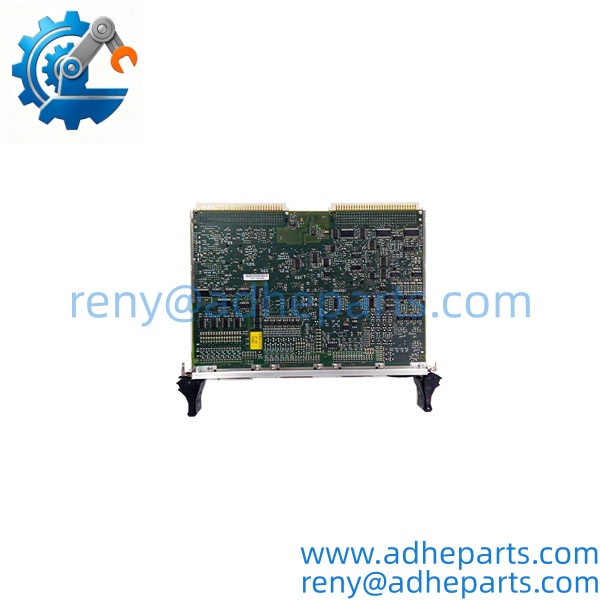
6DD1640‑0AH0
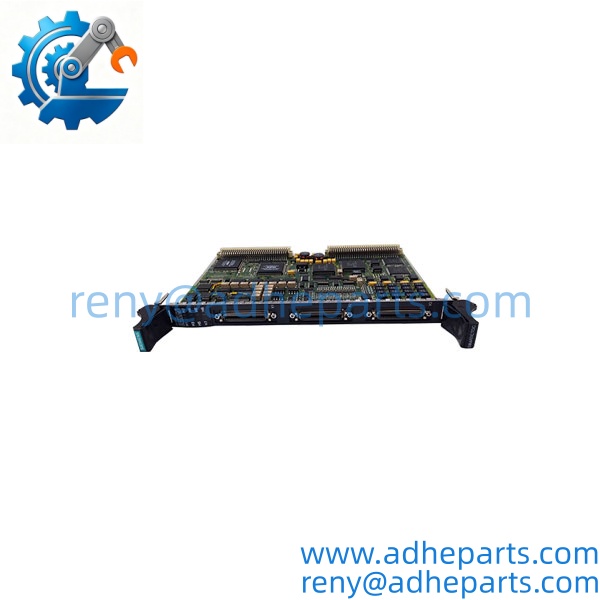
6DD1640‑0AH0
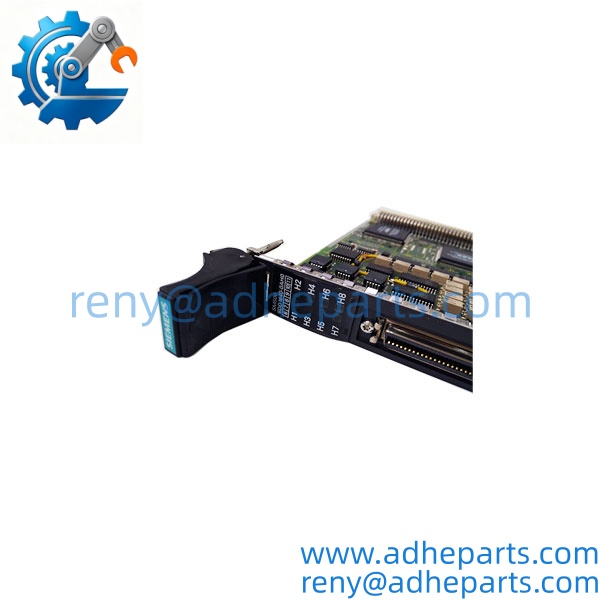
6DD1640‑0AH0
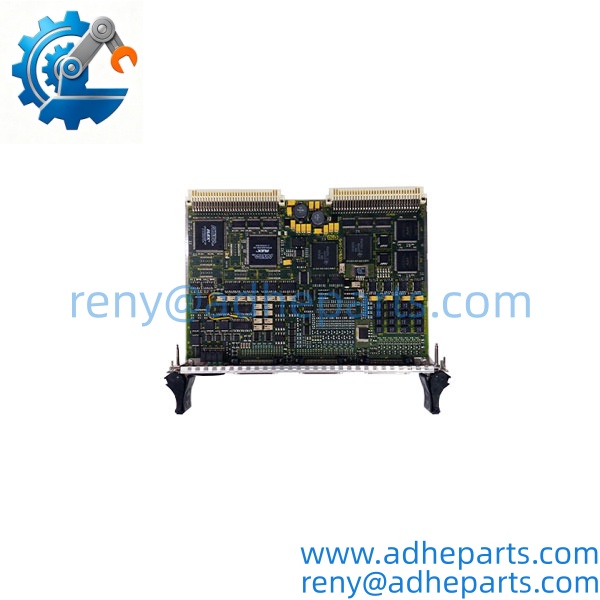
6DD1640‑0AH0
Key Technical Specifications
| Parameter | Value |
|---|---|
| Module Designation | SM500 Signal Component |
| Analog Inputs | 8 channels |
| Analog Outputs | 8 channels |
| Digital Inputs | 16 channels |
| Digital Outputs | 16 channels |
| Incremental Encoder Inputs | 4 channels |
| Absolute Encoder Inputs | 4 channels |
| Diagnostic Indicators | 6 front‑panel status LEDs |
| Backplane Compatibility | SIMATIC TDC rack system |
| Operating Temperature | 0 °C … +55 °C |
| Net Weight | 0.558 kg |
| Product Lifecycle | Discontinued, spare‑part‑only status since Oct 2022Industry M… |
| Configuration Tool | D7‑ES engineering software |
Field Application & Technical Pitfalls (The Engineer’s Guide)
Critical Industrial Scenarios
- Heavy‑duty metal rolling mill TDC racks, synchronizing multiple main drive motors via high‑speed encoder position sampling.
- Large‑scale paper manufacturing lines, where synchronized web speed depends on simultaneous analog setpoints and encoder feedback.
- Power‑plant turbine auxiliary control racks, handling mixed field sensor signals for closed‑loop governor logic.
Technical Pitfalls (Bold Warnings)
- ⚠️ Backplane slot resource conflict: Each SM500 consumes specific internal rack resources. Filling adjacent slots with high‑bandwidth processor modules can create timing overruns; review the TDC system layout manual before slot assignment.
- ⚠️ Encoder cable shielding faults: Poorly grounded encoder cabling injects noise. Noise does not always trigger LED faults; it silently corrupts position readings without throwing obvious system alarms.
- ⚠️ ESD damage during swap: The third connector bank from the left carries sensitive encoder input traces. Touching gold contact pins without wrist grounding can create latent, intermittent failures that only appear under vibration.
A real‑world field anecdote: One site swapped a SM500 during scheduled downtime. The technician pulled the board without ESD protection, seated it, and verified all six front‑panel LEDs lit normally. Three weeks later, during high‑vibration production cycles, random position jumps appeared on two absolute encoder channels. No hardware fault codes logged. Bench testing later uncovered micro‑cracks on the encoder input traces caused by static discharge at installation.
Quality Control (QC) SOP & Transparency
- Inbound Verification: Match board silkscreen, component layout, and serial number laser marking against OEM documentation. Inspect edge connector gold plating for wear, scratching, or re‑plating marks that signal counterfeit or used reworked stock. Cross‑check against OEM packing documentation when available.
- Live Rig Testing: Insert module inside a powered SIMATIC TDC test rack running D7‑ES. Confirm backplane handshake completes, all six status LEDs toggle through expected power‑on sequences. Validate base communication with the engineering environment.
- Parameter Testing: Run insulation resistance checks on I/O terminals; inject simulated analog and encoder reference signals to confirm every channel reads and writes within published tolerance bands. Flag any channel showing offset drift outside factory margins.
- Final QA & Packaging: Clean circuit assembly with static‑safe wipes. Seal inside conductive anti‑static bag. Apply internal QC‑passed sticker with test date and inspector ID. Pack inside shock‑absorbent rigid carton for transit.
Frequently Asked Questions (FAQ)
Can I hot‑swap this SM500 module while the TDC rack stays energized? No. Full rack power down is required. Live removal risks backplane bus corruption and permanent damage to the encoder signal circuitry.
Will this module fit every SIMADYN D rack hardware? Well, technically it is built exclusively for SIMATIC TDC racks. Physically it may slide into older SIMADYN D housings, but bus pin assignments differ, and no channels will function. Verify rack type from OEM datasheet before ordering.
What warranty terms apply for this discontinued new‑surplus unit? Twelve‑month standard warranty is provided. Damage caused by ESD mishandling, improper cabling, over‑temperature cabinet operation, or field‑hardware modification falls outside coverage.
How do I distinguish genuine new‑surplus boards from refurbished copies? Genuine surplus boards retain uniform gold finish on edge connectors, crisp non‑faded component printing, and untouched conformal coating. Refurbished units often show faint scratch marks on edge pins or signs of re‑soldering near encoder connector banks.
Do I need special firmware versions on the TDC CPU to run 6DD1640‑0AH0? Yes. Older CPU firmware revisions lack SM500 channel handling logic. Confirm target CPU firmware revision meets the minimum version listed in Siemens hardware compatibility manuals.
Can I use all encoder and analog channels at maximum sampling speed simultaneously? Watch total system load. Running every encoder and analog channel at highest sample rate raises TDC CPU cycle load. You may need to lower sampling rates on non‑critical channels to avoid cycle‑overrun system faults.
What lead‑time risks exist for this obsolete part? Original OEM production has ended. Factory replenishment is no longer possible. Only existing surplus stock is available; once inventory depletes, sourcing narrows to second‑hand reconditioned units.
今天 14:20