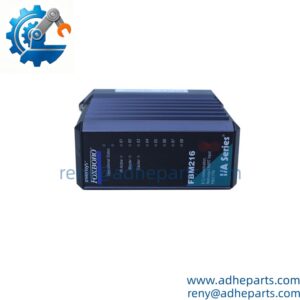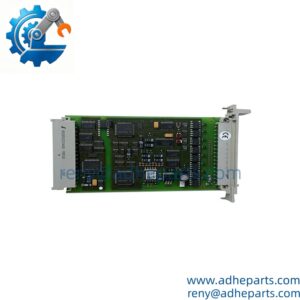
Description
Note: Many products are not yet listed. Please contact us for more product information. Our supply channels are constantly expanding, and we currently have 20 stable shared supply channels. Please confirm the model, product, price, and all other necessary information with customer service before placing an order. We offer new, refurbished, and used products, and prices are adjusted according to the year of the item you require.
Key Technical Specifications
| Parameter | Value |
|---|---|
| Part Number | IS220PSVOH1A |
| Platform | Mark VIe Speedtronic |
| Function | PSVO Position Servo Valve Output Control Pack |
| Servo Loops | 2 independent servo valve control channels |
| Position Feedback | 8 LVDT inputs |
| Communication | Dual redundant 100 Mbps IONet Ethernet |
| Matching Terminal Board | TSVO servo terminal board |
| Configuration Software | ToolboxST |
| Front Panel Indicators | Power, ENet1/ENet2, Attn, ENA1/2 LEDs |
| PCB Coating | Conformal coated |
| Operating Temperature | -30°C to +65°C |
| Redundancy Modes | Simplex, Duplex, TMR |
Product Introduction
GE IS220PSVOH1A is a Mark VIe PSVO servo control pack. It links the control IONet network to a TSVO terminal board and drives two electro-hydraulic servo valves using WSVO driver circuitry. LVDT position feedback closes the valve control loop for accurate stroke positioning.
This module supports auto-reconfiguration after replacement. Built-in diagnostic LEDs and servo test modes let technicians validate valve response without external test hardware.
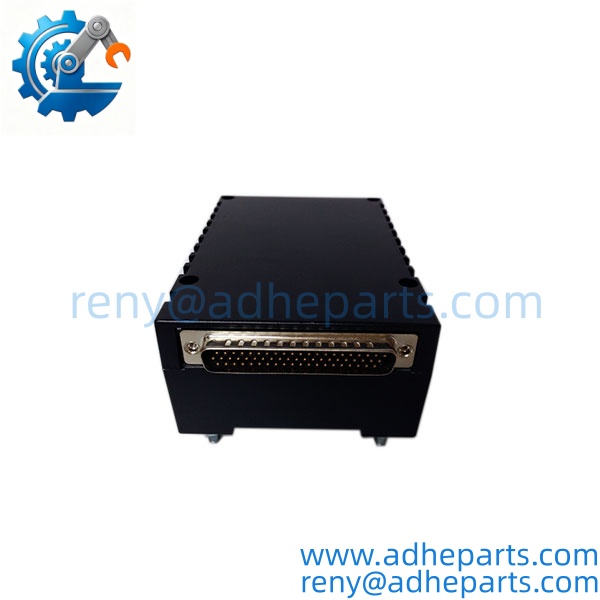
IS220PSVOH1A
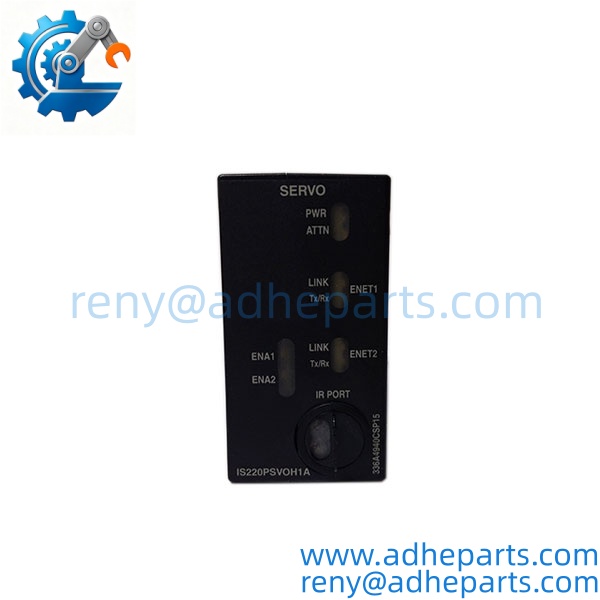
IS220PSVOH1A
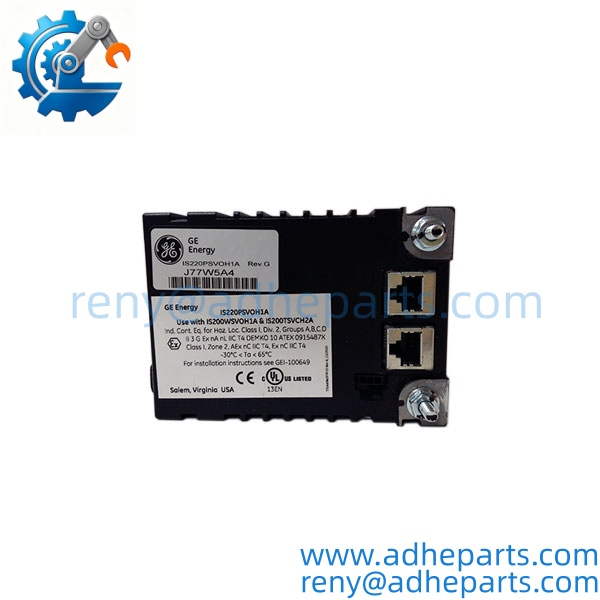
IS220PSVOH1A
Application Scenarios & Field Experience
Turbine load control relies on stable servo valve response. Drift or intermittent dropout in the servo loop can trigger load swings or emergency trips. This pack’s dual Ethernet and LVDT monitoring catch small position deviations before they escalate into plant events.
- Power generation: Gas turbine fuel gas valve position control, closed-loop LVDT feedback
- Power generation: Steam turbine governor valve actuation for grid load regulation
- Combined cycle plants: HRSG bypass valve servo control for pressure management
- Petrochemical: Turbine-driven compressor inlet guide vane position control
In my field experience, a 1×1 combined cycle unit had slow valve drift during base load operation. The original IS220PSVOH1A had degraded LVDT signal conditioning circuitry. Installing a tested spare restored stable valve positioning; the unit held steady megawatt output through peak grid demand.
Standard Operating Procedure (SOP) for Quality Control
- Visual & Origin Inspection: Check OEM labeling, connector pins, conformal coating, anti-counterfeit seal review.
- Live Rig Testing: Power the module, verify dual Ethernet handshake, run LVDT input tests and servo loop step response.
- Firmware Verification: Record firmware revision and validate compatibility with target Mark VIe controller firmware.
- ESD-Safe Packaging: Seal module inside anti-static bag, use foam cushioning, apply ESD warning labels on carton.
Frequently Asked Questions
Q1: Is GE IS220PSVOH1A compatible with legacy Mark VI non-Vie racks? A: It can operate with Mark VIe architecture. Legacy Mark VI hardware cannot accept this pack without platform migration and IONet network upgrades.
Q2: What warranty do you provide for this module? A: All units carry a 12-month warranty. Warranty covers hardware defects under normal operating conditions; physical damage from miswiring or improper installation is excluded.
Q3: What is the typical stock and shipping lead time? A: Stock status fluctuates. In-stock units ship quickly. Non-stock inventory requires extended procurement lead time. Confirm availability before locking in outage schedules.
Q4: Can firmware mismatches cause servo positioning errors? A: Yes. Mismatched firmware can lead to incorrect LVDT scaling and unstable servo loop behavior. Always cross-reference firmware revisions in ToolboxST before commissioning.
Q5: Can I hot-swap this servo pack while the turbine is online? A: Hot swap is only permitted in fully redundant TMR or duplex configurations. Do not hot-swap simplex racks; this will drop valve control and can trigger a turbine trip. Follow lockout/tagout procedures.