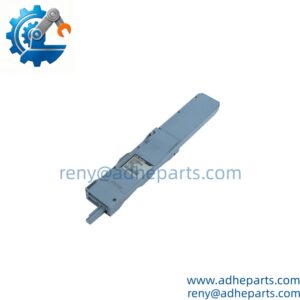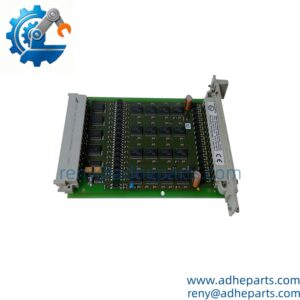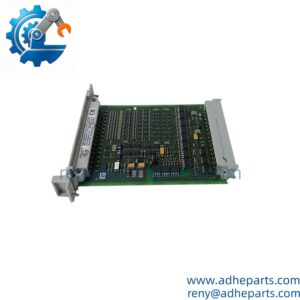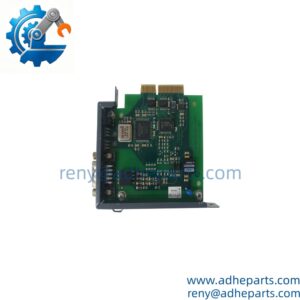
Description
Note: Many products are not yet listed. Please contact us for more product information. Our supply channels are constantly expanding, and we currently have 20 stable shared supply channels. Please confirm the model, product, price, and all other necessary information with customer service before placing an order. We offer new, refurbished, and used products, and prices are adjusted according to the year of the item you require.
Key Technical Specifications
| Parameter | Value |
|---|---|
| Full Part Number | DSAI130D |
| Platform Compatibility | ABB Advant OCS, Advant Master DCS racks |
| Input Channels | 8 galvanically isolated analog input channels |
| Signal Type | 4‑20 mA current loop |
| Resolution | 12‑bit A‑D conversion |
| Backplane Bus | Advant Field Bus I/O rack backplane |
| Channel Isolation | Group‑to‑backplane isolation |
| Operating Cabinet Temperature | 0 °C to +60 °C |
| Mounting | Standard Advant series rack slot installation |
| Hot‑Swap | Supported within powered Advant rack environment |
| Approximate Weight | 0.42 kg |
Product Introduction (Anti‑Template Hook‑B opening)
Unlike newer generation I/O modules that pack higher channel density, the DSAI130D delivers stable 4‑20 mA signal capture for temperature, pressure and flow transmitters across heavy‑industry process sites. It converts analog field loop signals into digital values and passes data across the rack backplane to controller CPU boards.
Original factory production has long ceased. Many chemical and pulp‑and‑paper plants maintain spare inventory to avoid process interruptions. Honestly, loose field wiring terminals create more false module fault alarms than actual hardware failure on these cards.
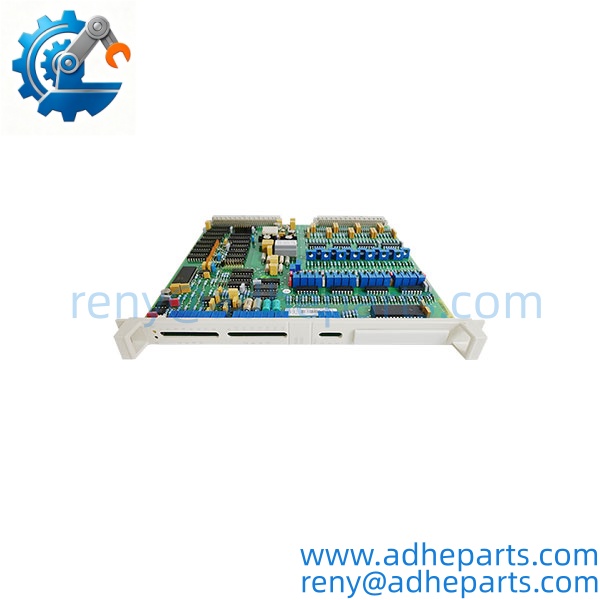
DSAI130D
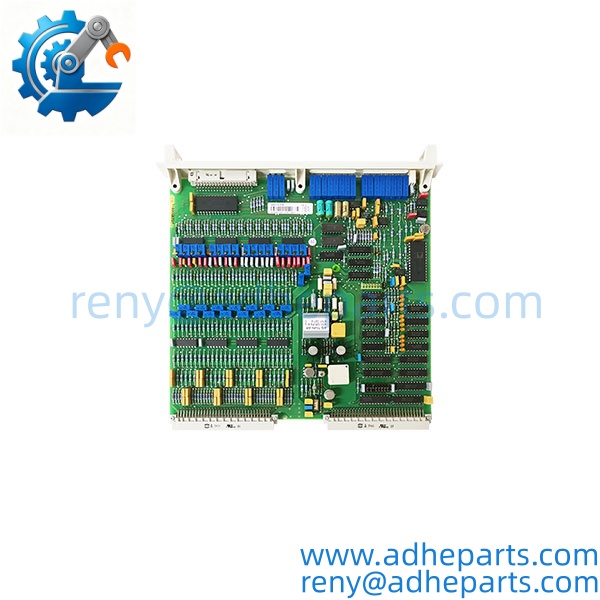
DSAI130D
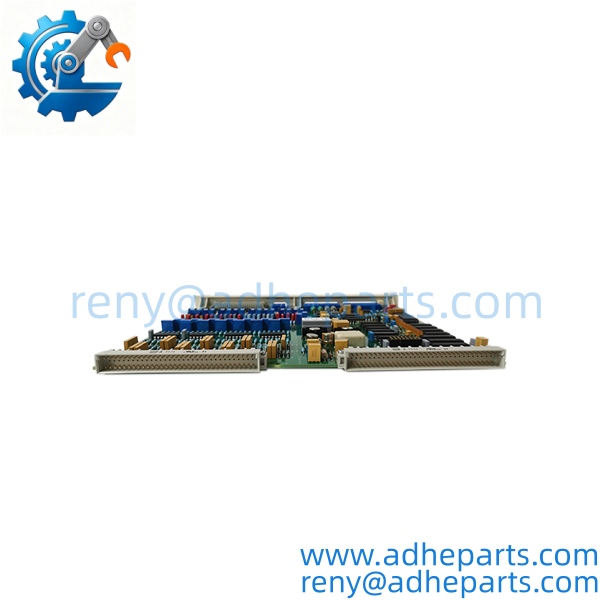
DSAI130D
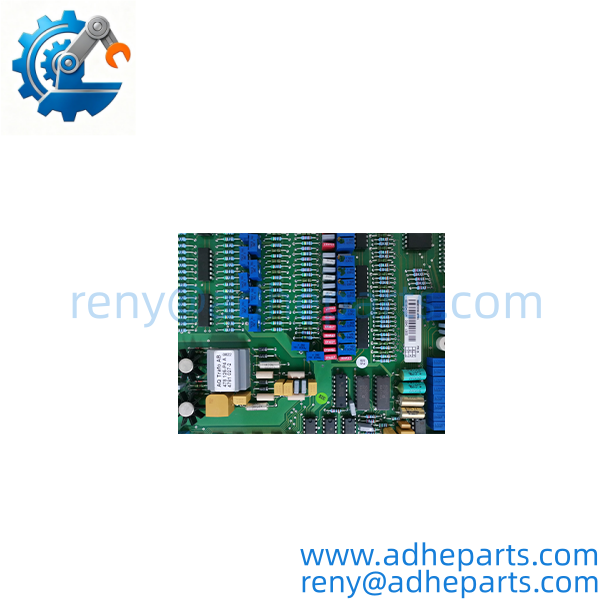
DSAI130D
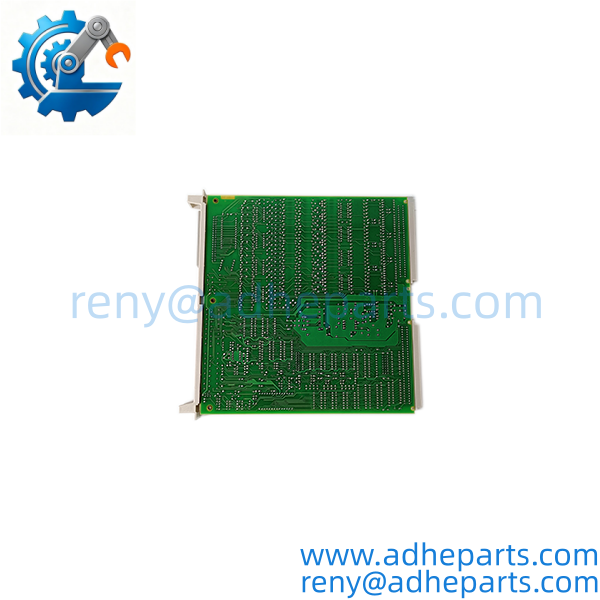
DSAI130D
QC, Procurement & Logistics SOP
- Inbound Verification: Confirm silkscreen DSAI130D marking. Inspect gold backplane connector fingers for corrosion or bending. Cross‑check hardware revision against plant rack bill‑of‑materials; reject units with burn marks or water residue on PCB surfaces.
- Live Rig Testing: Power module on compatible Advant test rack. Inject calibrated 4‑20 mA reference signals across all eight channels. Validate A‑D conversion readings and backplane data transmission. Log channel accuracy results for QA records.
- QA & Anti‑Static Packaging: Place completed‑test module inside static‑shield bag. Add foam cushioning to protect edge connectors. Insert printed bench‑test summary into outer shipping carton.
- Global Logistics & Export Compliance: Apply correct HS classification for industrial DCS I/O spare parts. Reinforce carton for air or sea transit to prevent connector damage —though customs clearance for automation spares in certain regions can add 2‑3 working days.
Technical Pitfalls & Integration Warnings
- Hardware Revision Mismatch: Fitting a later D‑revision unit into an older Advant rack running outdated base firmware produces sporadic channel drop‑outs. One site installed mismatched revision hardware; three channels would randomly freeze every several hours until firmware was patched. Always match hardware revision to existing running system.
- Field Loop Wiring Mis‑termination: Reverse polarity on 4‑20 mA field wiring will not always destroy the board, but channels return fixed offset readings with no fault code generated. Technicians may waste hours troubleshooting the module when the root cause lies in field junction box wiring. Document terminal positions before disconnecting old hardware.
- Ground‑loop interference due to poor field earthing: Multiple grounding points on transmitter loops induce noise. The module reports noisy fluctuating values even with fully functional hardware. This condition is frequently misdiagnosed as defective I/O card.
- ESD damage during replacement: Even inside grounded control cabinets, ungrounded handling can degrade individual input channels. A module may pass power‑on self‑test, while one or two channels deliver erratic readings under real‑world field signal load. ESD wrist strap use is mandatory during swap‑out activity.
Frequently Asked Questions (FAQ)
What lead‑times apply for emergency plant breakdown orders? Bench‑tested refurbished stock can ship within several business days. New surplus quantities are very limited. Do not lock in plant shutdown timelines without formal stock confirmation.
Can DSAI130D be hot‑swapped in a live powered Advant rack? Hot‑swap function is supported. Individual channel processing will briefly drop for that slot, but remaining rack I/O and controller logic keep running. Confirm site hazard assessment before performing live slot work.
What real‑world symptoms point toward a failing DSAI130D? Fixed saturated readings on one or multiple channels, random signal drifting, rack diagnostic alarms flagging I/O communication errors. Always rule out transmitters, loop wiring and power supplies before condemning the module itself.
Will DSAI130D drop‑in substitute older DSAI130 or DSAI130B variants? Physically it fits identical rack slots. Full functional compatibility depends on your Advant system firmware version. Mechanical fit alone is not sufficient guarantee of proper operation.
What documents ship with refurbished modules? Refurbished units include internal bench‑test logs capturing per‑channel input accuracy and backplane communication validation. Original OEM hard‑copy manuals are not included.
Do I need to complete configuration work after installing replacement ? No special module‑level programming required, existing rack configuration automatically applies. Verify each channel live reading post‑swap to confirm field loop integrity.
Can I mix alongside other DSAI series cards inside one common rack? Mixed‑revision I/O can operate, but raises risk of intermittent bus faults. Standard industry practice recommends matching hardware revisions within the same rack group where possible.