Description
Note: Many products are not yet listed. Please contact us for more product information. Our supply channels are constantly expanding, and we currently have 20 stable shared supply channels. Please confirm the model, product, price, and all other necessary information with customer service before placing an order. We offer new, refurbished, and used products, and prices are adjusted according to the year of the item you require.
Key Technical Specifications
| Parameter | Value |
|---|---|
| Power Input | 18‑36 VDC fully isolated (nominal 24 VDC) |
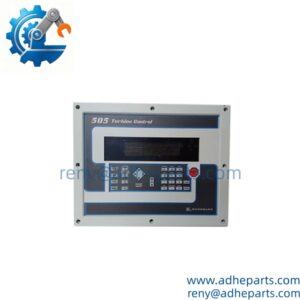
| Local Display | 8.4‑inch color LCD operator HMI with physical keypad |
| Analog Inputs | Loop‑powered 4‑20 mA configurable channels |
| Control Outputs | 2 × 4‑20 mA analog actuator outputs; 8 × Form‑C relay outputs |
| Communication | Modbus RTU (RS‑485 / RS‑232), dedicated service debug portWoodward |
| Operating Temperature | ‑30 °C to +70 °C (‑22 °F to 158 °F) |
| Enclosure Rating | IP54, Pollution Degree 3 |
| Certifications | ATEX, IACS UR E10 Marine, EN 61000‑6‑2 EMC compliance |
| Core Control Features | Hot/cold auto‑start, critical‑speed band avoidance, overspeed trip timestamp loggingWoodward |
| Mounting | Front‑panel cutout mounting for control cabinet installation |
More 8200-1302 Information Can Click here:
Product Introduction
When a main CPU trips and downtime costs thousands per minute, site teams rely on this 505D hardware to keep steam turbine assets protected and regulated. This specific 8200‑1302 variant carries full marine and hazardous‑location ratings, setting it apart from standard 505D model numbers.
Honestly, this design choice saves hours of rewiring for offshore and vessel retrofits. It stores full turbine tuning, startup ramps, and alarm history locally on‑board; every drop‑in swap depends on recovering or re‑entering those site‑specific parameters before commissioning.
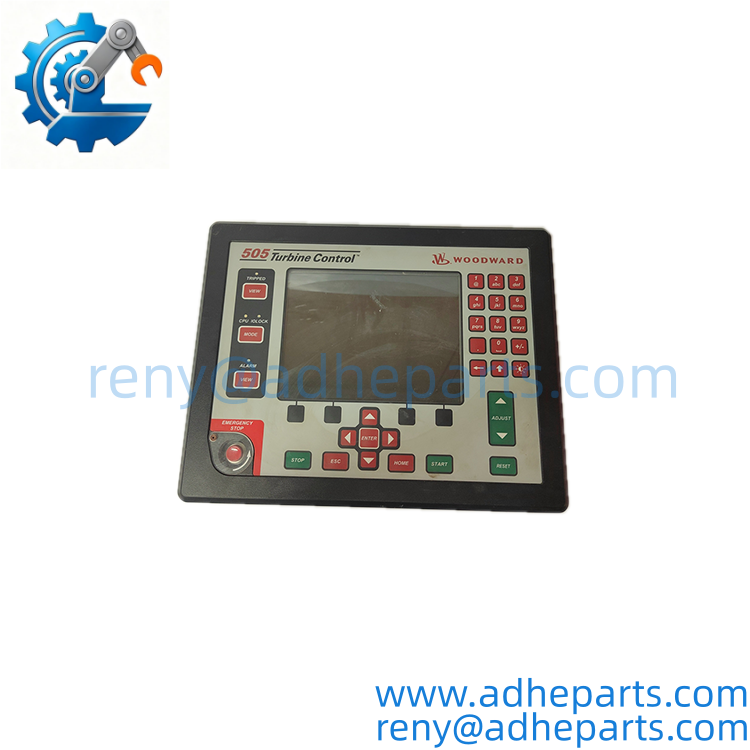
8200-1302
QC, Procurement & Logistics SOP
- Inbound Verification: Cross‑check engraved nameplate against part number; inspect OEM seal integrity, record serial number, trace original batch documentation to filter counterfeit or mislabeled stock.
- Live Rig Testing: Apply rated DC supply, run full power‑on self‑test; validate LCD boot sequence, relay contact continuity, analog channel response, and Modbus protocol handshakes. Flag units with persistent chassis summary alarmsWoodward.
- QA & Anti‑Static Packaging: Treat as ESD‑sensitive hardware. Seal inside static‑shield bag, add rigid foam bracing for transit, attach printed bench‑test summary sheet inside outer carton.
- Global Logistics & Export Compliance: Apply optimized HS code classification to reduce hold‑ups; carton built for air or sea freight with shock markers. Export documentation fully prepared, —though customs clearance in the EU might add 2 days.
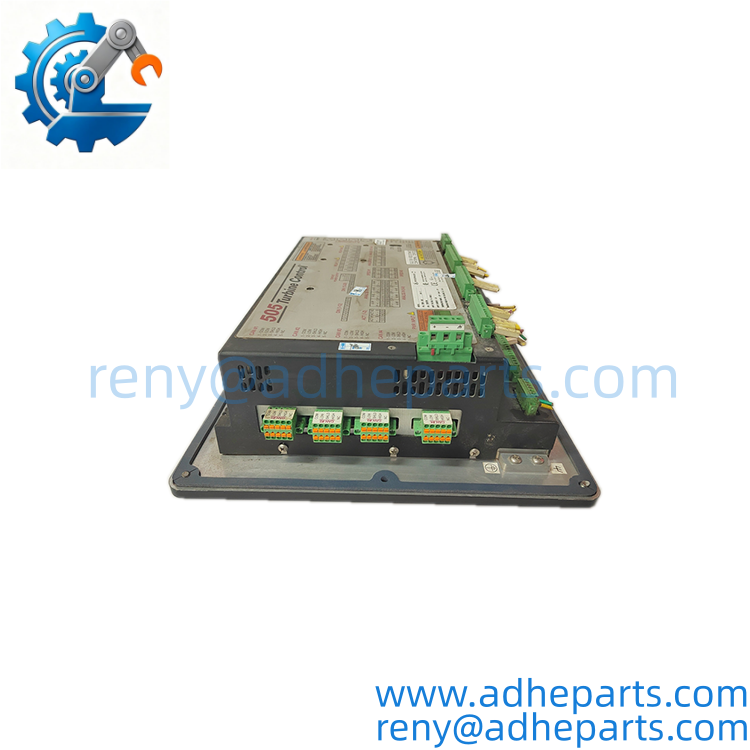
8200‑1302
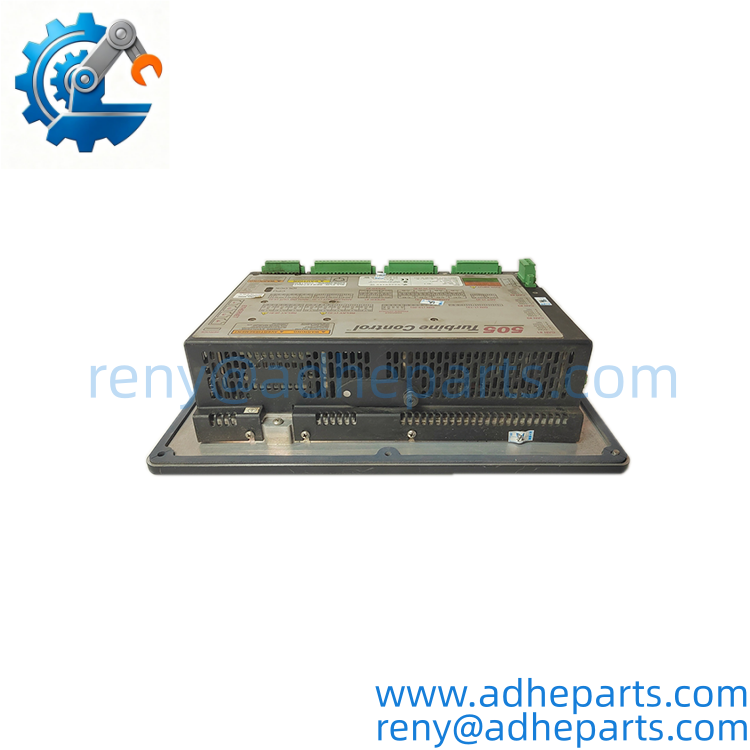
8200‑1302
Technical Pitfalls & Integration Warnings
- Firmware Rev Mismatch: If you fit a V2.7 unit onto a turbine previously running V3.2, Modbus register mapping shifts. DCS readbacks will show garbled values, and auto‑start sequences abort mid‑ramp, even when all wiring looks correct. Always log firmware revision before ordering replacement hardware.
- Configuration file loss risk: Pulling power without saving active application settings erodes stored PID and trip thresholds. A maintenance tech once installed a physically matching unit but skipped parameter restore; the turbine tripped on first startup. Never assume hardware parity equals functional parity.
- Wiring/Terminal incompatibility: Older field harnesses sometimes use non‑standard pin assignments for MPU speed pickups. Re‑using old pre‑made cables without pin‑out cross‑verification yields zero speed signal and disables overspeed protection.
- ESD destruction during unboxing: Circuitry inside is static‑sensitive. A technician working on‑deck without wrist strap can deliver invisible damage. The unit may boot fine on the bench yet lock up randomly under high‑vibration real‑world operating conditions.
Frequently Asked Questions (FAQ)
Q: What lead times should I plan for when ordering this Woodward 8200‑1302? A: Bench‑verified surplus stock can ship within 1‑3 working days. Factory new allocations carry extended multi‑month lead times, as this part is end‑of‑life for standard new production.
Q: What shipping and customs options exist for sending this turbine controller overseas? A: Air freight is typical for urgent outage jobs; sea freight works for planned turnarounds. We provide complete export paperwork. Destination customs processing timelines vary by territory and local inspection schedules.
Q: Can I hot‑swap this controller while the turbine stays online? A: No. This hardware does not support hot‑swap replacement. The turbine must go through controlled shutdown before removing or installing the governor. Live swap attempts create unregulated valve output and serious plant safety risk.
Q: Will 8200‑1302 work as drop‑in hardware replacement for older 505 non‑D series governors? A: Physical panel mounting lines up, but backward compatibility is conditional. You must re‑load matching site application configuration, check MPU input scaling, and validate Modbus register mapping. Do not rely purely on mechanical fit.
Q: Do I need special software to commission this unit after delivery? A: Yes. Woodward Control Assistant service software and matching debug cable are required to upload turbine configuration files. The front‑panel keypad supports limited adjustments only; full tuning cannot happen without the official service tool.
Q: Are marine and hazardous‑location certifications still valid on surplus second‑hand units? A: Physical nameplate markings remain printed, but re‑certification falls to the end‑user site survey team. Surplus hardware does not automatically carry renewed site approval for classified zones.
Q: What are the most common hidden defects to watch for on used 8200‑1302 units? A: Fading LCD backlight drift, degraded analog input channel accuracy, and relay contact wear from years of switching heavy field loads. Bench testing catches most of these before goods leave our facility.