Description
Note: Many products are not yet listed. Please contact us for more product information. Our supply channels are constantly expanding, and we currently have 20 stable shared supply channels. Please confirm the model, product, price, and all other necessary information with customer service before placing an order. We offer new, refurbished, and used products, and prices are adjusted according to the year of the item you require.
Product Introduction
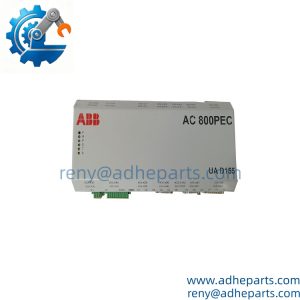
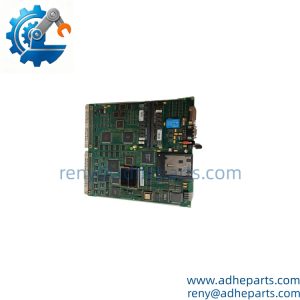
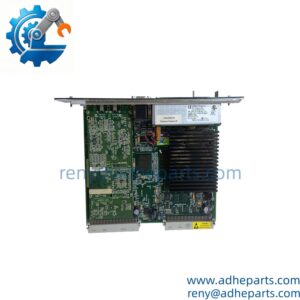
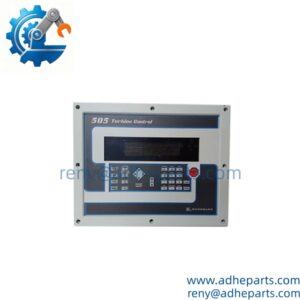
The Woodward 9907‑149 ProTech 203 is a dedicated safety overspeed protection device, designed as an independent hardwired safeguard separate from the main turbine governor control. Three fully isolated speed‑measurement channels each process magnetic‑pickup signals from the turbine shaft gear. The unit applies 2‑out‑of‑3 voting to avoid false trips caused by single‑sensor faults while guaranteeing valid overspeed detection on genuine over‑speed events.
Local configuration, real‑time speed readout and fault history review are available via front‑panel LCD and keypad. Serial communication supports remote monitoring and parameter upload/download. Since original manufacturing has been discontinued, this unit is almost exclusively procured for spare‑part stock and emergency replacement on existing power‑generation and petrochemical rotating equipment. Safety proof‑test procedures must be strictly followed after any hardware swap.
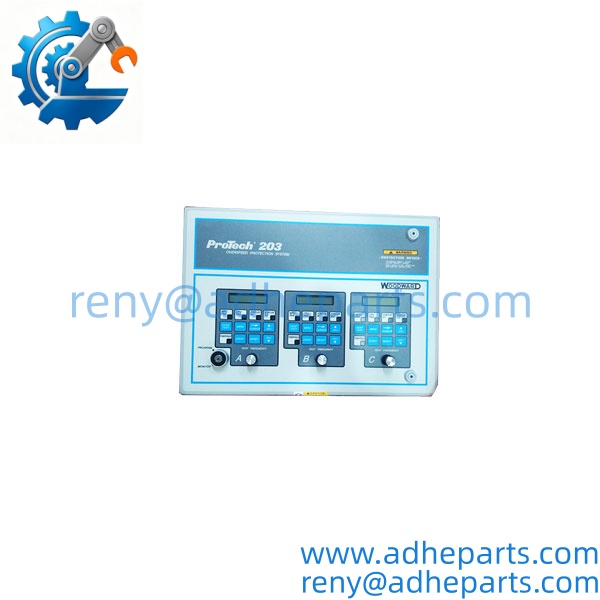
9907‑149
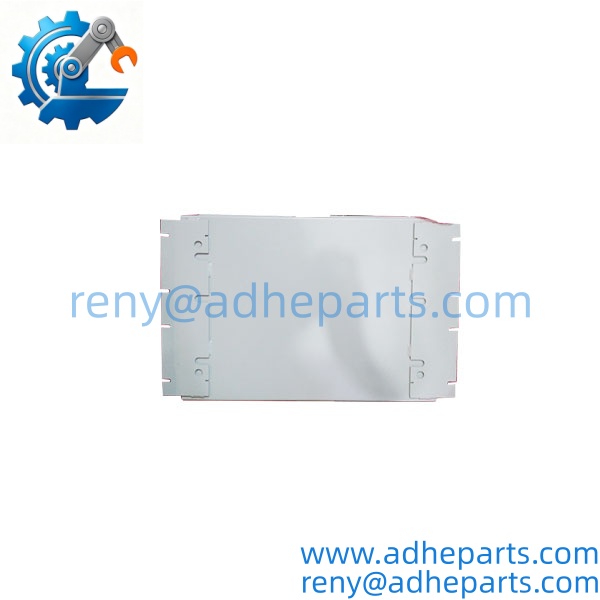
9907‑149
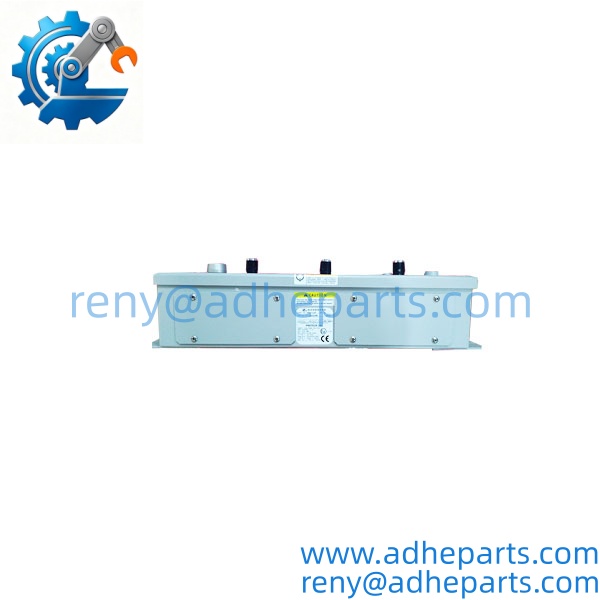
9907‑149
Key Technical Specifications
| Parameter | Value |
|---|---|
| Architecture | Triple independent MPU channels, 2‑out‑of‑3 hardware voting |
| Power Supply | 120 V AC / 120 V DC |
| Speed Measurement Range | 250 RPM to 25 000 RPM |
| Gear‑Teeth Configuration | 20‑120 teeth configurable |
| Trip Setpoint | User‑programmable overspeed threshold |
| Interfaces | Local LCD + keypad; RS‑232, RS‑485 serial ports |
| Outputs | Hardwired shutdown trip relays, alarm relay outputs |
| Fault Diagnostics | MPU signal loss, channel mismatch, internal hardware fault, event fault logging |
| Operating Ambient Temperature | ‑25 °C … +60 °C |
| Storage Temperature | ‑40 °C … +85 °C |
| Enclosure | Panel‑mount metal chassis |
| Weight | 7.7 kg |
| Lifecycle Status | Discontinued, no new OEM production; replacement units limited to surplus and refurbished stock |
Field Application & Technical Pitfalls (The Engineer’s Guide)
Critical Industrial Scenarios
- Utility and cogeneration power plants: independent overspeed protection for steam turbines, acting as the final safety layer separate from the primary governor controller.
- Petrochemical process facilities: gas‑turbine driven compressors and high‑speed process expanders where runaway overspeed presents severe equipment‑damage risk.
- Industrial power assets: emergency shutdown safety for critical prime movers where regulatory standards demand dedicated, voting‑based overspeed hardware.
Technical Pitfalls (Bold Warnings)
- ⚠️ Proof‑test mandatory after unit replacement: This is a safety‑classified protection device. Simply powering up and confirming no front‑panel faults is insufficient. A full on‑site overspeed proof test must be completed after installation or swap‑out to validate trip‑logic operation; skipping proof‑testing creates major safety‑compliance exposure.
- ⚠️ MPU sensor impedance and cable length mismatch: Each of the three magnetic pickup inputs has specific impedance requirements. Incorrect MPU models, overly long cabling, or unshielded wiring can produce noisy speed readings, channel disagreement alarms, or spurious nuisance trips, without obvious hardware failure flags.
- ⚠️ Loss of configuration on internal battery failure: The unit relies on internal battery backup to retain user‑programmed trip points, gear‑tooth settings and fault logs. When battery reaches end‑of‑life, parameters may revert to factory defaults; wrong trip setpoints will remain invisible until an actual overspeed event occurs. Schedule periodic battery replacement as part of safety‑system preventive maintenance.
- ⚠️ Not a governor replacement: ProTech 203 9907‑149 performs only overspeed protection and shutdown functions. It cannot execute speed‑governing, load‑control or actuator‑modulation duties. It must work alongside a separate main turbine governor; do not attempt to operate prime‑mover without primary governing control.
- ⚠️ Voting‑logic misinterpretation during troubleshooting: Single‑channel MPU failure triggers alarm but will not force an immediate trip under normal 2oo3 logic. Operators may overlook persistent single‑channel faults; if a second channel then fails, unprotected loss of overspeed coverage occurs. Always resolve channel‑mismatch alarms without delay.
Real‑world field anecdote: At a cogeneration plant, maintenance crews swapped a refurbished 9907‑149 during planned outage. Power‑on self‑tests passed with zero active alarms. Team skipped the full overspeed proof‑test to shorten outage duration. Months later, during a turbine load transient, the unit failed to trip during an actual overspeed excursion. Post‑incident investigation revealed that refurbished unit retained factory‑default trip RPM values far above site‑specific required setpoints, because the site parameters were not downloaded after replacement. Mandatory proof‑testing would have caught the mis‑configuration.
Quality Control (QC) SOP & Transparency
- Inbound Verification: Confirm full part number 9907‑149, serial number and revision marking. Full visual inspection of chassis, front‑panel HMI, connector pins, terminal blocks for burn marks, corrosion, physical impact damage. Check condition of internal backup battery where accessible. Reject units with signs of prior safety‑trip event burn damage.
- Bench Power‑Up Test: Apply rated 120 V AC/DC supply. Verify LCD and keypad full functionality, confirm boot‑up self‑diagnostics complete without permanent hardware‑fault flags. Read stored fault log and flag units with history of repeated channel disagreement events.
- Signal Simulation Testing: Inject simulated MPU frequency signals to all three channels across multiple RPM set‑points. Validate correct speed display, verify 2‑out‑of‑3 voting response. Force single‑channel fault conditions and confirm alarm activation without false trip; simulate valid overspeed condition to verify relay‑output trip action triggers at programmed threshold. Validate RS‑232 / RS‑485 serial communication read‑write functions.
- Final QA & Packaging: Document complete bench‑test report including simulated trip event results. Fit protective covers over all wiring connectors. Place unit inside anti‑static protective packaging, apply internal QC‑passed sticker with test date and inspector ID. Pack within heavy‑duty shock‑absorbent transit carton.
Frequently Asked Questions (FAQ)
Does 9907‑149 replace the main turbine governor? No. It functions purely as independent overspeed safety protection. A separate Woodward or third‑party governor is required for normal speed and load regulation.
What warranty applies for surplus or refurbished 9907‑149? Twelve‑month standard warranty is offered. Warranty does not cover on‑site proof‑test costs, damage from field wiring errors, surge over‑voltage, degraded MPU sensors, or depleted internal backup battery. End‑user remains responsible for all safety‑system commissioning and proof‑testing.
Can I hot‑swap this unit while turbine is running? No. Removing power to the ProTech203 removes overspeed protection coverage. Perform swap‑out only when prime mover is shut‑down and locked‑out per site safety procedures.
What happens if one of three MPU sensors fails? The controller raises a channel‑disagreement alarm. Under 2‑out‑of‑3 voting logic the unit remains capable of valid overspeed trip, yet safety redundancy is lost. Repair or replace faulty sensor immediately; do not operate long‑term with only two working channels.
Is there a direct drop‑in OEM replacement for discontinued 9907‑149? No pin‑to‑pin direct drop‑in successor. Migration to newer Woodward overspeed systems requires cabinet modification, rewiring, complete safety re‑commissioning and proof‑testing. Most sites rely on tested surplus / refurbished 9907‑149 for existing ProTech203 installations.
Will bench testing on our side satisfy site safety compliance requirements? Bench testing validates controller hardware function only. Final compliance proof‑test must be executed on‑site, connected to actual turbine shaft and real MPU sensors, following local safety‑regulatory requirements. Bench test results do not substitute for field proof test.