Description
Note: Many products are not yet listed. Please contact us for more product information. Our supply channels are constantly expanding, and we currently have 20 stable shared supply channels. Please confirm the model, product, price, and all other necessary information with customer service before placing an order. We offer new, refurbished, and used products, and prices are adjusted according to the year of the item you require.
Key Technical Specifications
| Parameter | Specification |
|---|---|
| Manufacturer | Rockwell Automation |
| Brand | Allen-Bradley |
| Catalog Number | 1756-L73 |
| Controller Family | ControlLogix |
| Controller Series | ControlLogix 5570 |
| Processor Type | ControlLogix 5573 |
| User Memory | 8 MB |
| I/O Memory | 0.98 MB |
| Nonvolatile Storage | 1 GB SD card supplied with controller |
| Optional Storage | 2 GB SD card |
| Programming Port | USB |
| Embedded Network Port | None |
| Maximum Digital I/O | 128,000 |
| Maximum Analog I/O | 4,000 |
| Maximum Total I/O | 128,000 |
| Power Dissipation | 2.5 W |
| Current Draw | 5 mA @ 1.2V DC; 800 mA @ 5.1V DC |
| Operating Temperature | 0–60°C |
| Storage Temperature | -40–85°C |
| Software Environment | Studio 5000 / Logix Designer |
| Safety Controller | No |
Rockwell Automation identifies the 1756-L73 as a ControlLogix 8 MB Controller in the 5570 family. Its published specifications include 8 MB of user memory, 0.98 MB of I/O memory, USB programming, and SD-card nonvolatile storage.
The controller supports up to 128,000 digital I/O points and 4,000 analog I/O points at the system level. It does not have an embedded EtherNet/IP network port; network connectivity is provided through separate ControlLogix communication modules installed in the 1756 chassis.
Product Introduction (Anti-Template)
Operating as the processing core of a ControlLogix 5570 system, the Allen-Bradley 1756-L73 provides 8 MB of user memory for PLC application logic and 0.98 MB of I/O memory. The controller uses a USB port for local programming and supports SD-card nonvolatile storage. It is designed for chassis-based ControlLogix architectures where I/O and network interfaces are installed as separate 1756 modules.
The 1756-L73 is a standard ControlLogix controller, not a GuardLogix safety controller. This distinction matters when replacing an existing CPU because a safety application may require a different controller family. Also, the absence of an embedded network port means the existing communication-module configuration must be checked before replacement. Honestly, matching the controller alone is not enough; the project file, firmware revision, SD-card contents, and chassis communication architecture all matter.
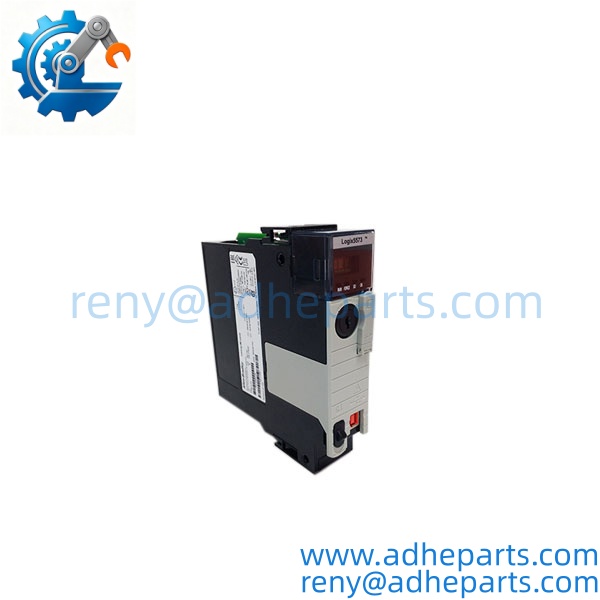
1756-L73
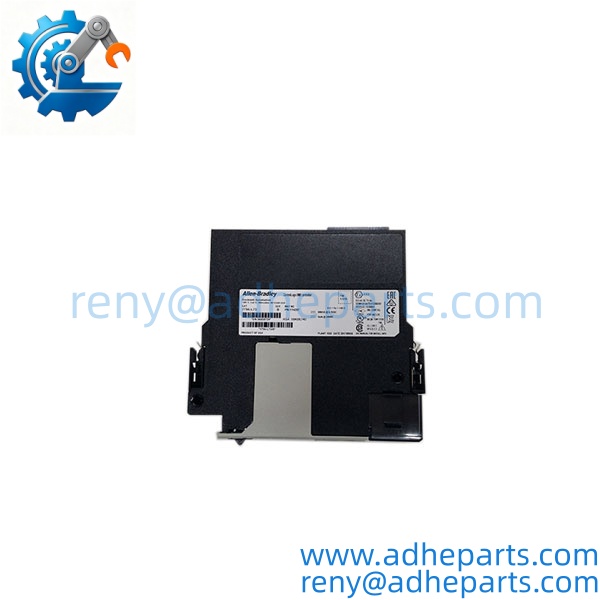
1756-L73
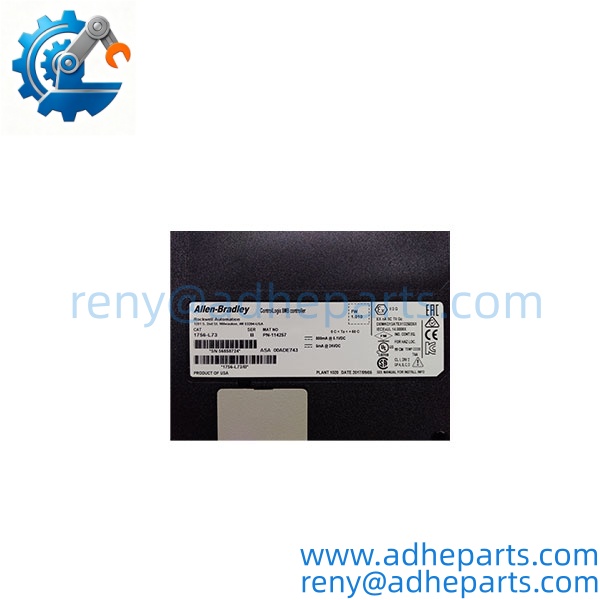
1756-L73
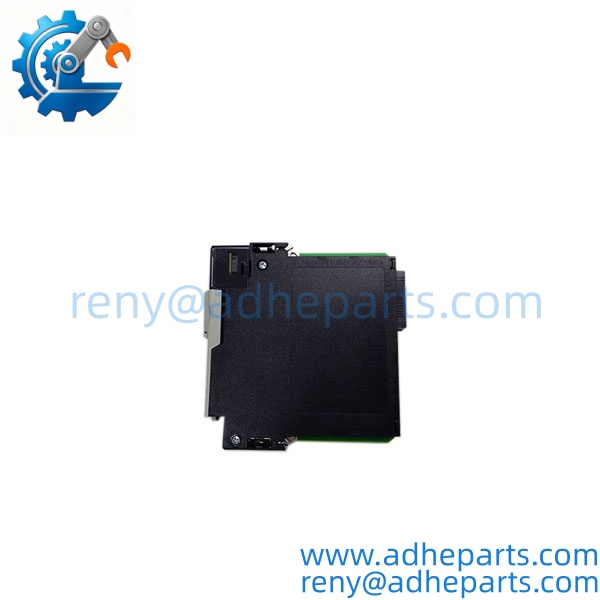
1756-L73
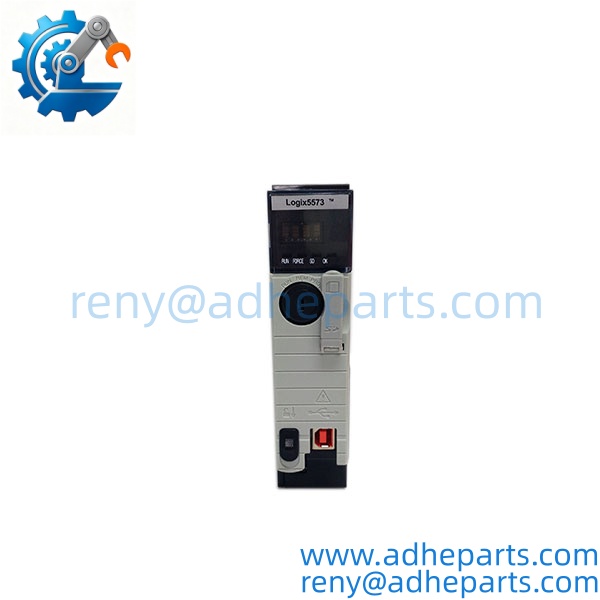
1756-L73
QC, Procurement & Logistics SOP
- Inbound Verification
Verify the complete catalog number 1756-L73, manufacturer markings, series information, serial number, display, USB connector, SD-card slot, and energy-storage module. Confirm that the unit is not a similarly numbered 1756-L73S safety controller or 1756-L73XT controller. - Live Rig Testing
Where a compatible ControlLogix chassis is available, perform controlled power-up and diagnostic checks. Verify controller initialization, display status, USB programming communication, project loading, I/O communication through the chassis, and communication-module operation. - QA & Anti-Static Packaging
Inspect the front display, USB port, SD-card interface, chassis connector, retaining mechanism, housing, and energy-storage module. Check for corrosion, impact damage, contamination, or previous repair work. Use ESD-safe packaging and protect the chassis connector during shipment. - Global Logistics & Export Compliance
Package the processor with sufficient cushioning to prevent connector or housing damage during air freight. Include commercial invoice, packing list, and origin information as required. The controller should be classified according to its actual PLC processing function and applicable customs requirements.
Technical Pitfalls & Integration Warnings
- Firmware Rev Mismatch
The controller firmware must be compatible with the existing Studio 5000 / Logix Designer project. For example, a hypothetical V20.x project environment should not be assumed to behave identically after moving to a controller running a substantially different firmware revision. Check controller revision, project revision, and module compatibility before downloading the program. - DIP Switch / Configuration Errors
The 1756-L73 does not use a conventional bank of PLC DIP switches for normal application configuration. Configuration is primarily handled through the Logix project and associated communication modules. Do not alter hardware settings based on procedures for another 1756 controller without checking the exact catalog number. - Wiring / Terminal Incompatibility
The 1756-L73 itself is a processor and does not provide field I/O terminals. Field wiring is connected to separate 1756 I/O modules. During replacement, verify that the CPU, chassis, communication modules, and I/O module configuration remain consistent with the existing project. - ESD Destruction During Unboxing
The backplane connector and internal electronics are sensitive to electrostatic discharge. Do not remove the processor from ESD packaging and immediately place it on an ungrounded work surface. Use proper grounding and handling procedures before inserting the controller into the chassis.
Frequently Asked Questions (FAQ)
1. What is the Allen-Bradley 1756-L73?
The 1756-L73 is an Allen-Bradley ControlLogix 5570-series PLC controller, also referred to by Rockwell Automation as the ControlLogix 5573 controller. It provides 8 MB of user memory and operates as the central processor within a 1756 ControlLogix chassis.
2. How much memory does the 1756-L73 have?
It provides 8 MB of user memory and 0.98 MB of I/O memory. Rockwell’s technical documentation also specifies SD-card nonvolatile storage, with a 1 GB card supplied with the controller and a 2 GB option available.
3. Does the 1756-L73 have built-in EtherNet/IP?
No. Rockwell lists the embedded network port as false. The controller has a USB programming port, while industrial network connectivity is normally provided through separate communication modules installed in the ControlLogix chassis.
4. Is the 1756-L73 a safety controller?
No. The standard 1756-L73 is not a safety controller. The GuardLogix/safety variants use different catalog numbers, so the exact controller designation must be checked before replacing a processor in a safety-related application.
5. Can a 1756-L73 be replaced directly by a 1756-L73S?
No. The 1756-L73S is a Logix 5573S safety controller with different safety functionality and specifications. It should not be treated as a simple catalog-number substitute for the standard 1756-L73.
6. Can the 1756-L73 be hot-swapped?
Do not assume that the processor can simply be removed while the system is energized. Controller replacement can affect the entire chassis and running control process. Follow the applicable Rockwell Automation installation procedure and the plant’s shutdown/lockout requirements before removing the processor.
7. What information should I provide when ordering a replacement?
Provide the complete 1756-L73 catalog number, Series/revision information from the nameplate, controller firmware revision, existing Studio 5000 project revision, photos of the front label and connectors, and the installed communication modules. If the original controller contains a specific SD-card configuration, that should also be checked before commissioning the replacement.