Description
Note: Many products are not yet listed. Please contact us for more product information. Our supply channels are constantly expanding, and we currently have 20 stable shared supply channels. Please confirm the model, product, price, and all other necessary information with customer service before placing an order. We offer new, refurbished, and used products, and prices are adjusted according to the year of the item you require.
Key Technical Specifications
| Parameter | Specification |
|---|---|
| Manufacturer | SST / Woodhead |
| Part Number | 5136-RE2-PCI |
| Product Type | PCI Interface Card |
| Series | SST 5136 |
| Host Interface | PCI |
| Target System | Reliance Electric AutoMax |
| Network Application | AutoMax DCS / Remote I/O |
| Primary Function | Host PC network interface |
| Application | DCS/RIO node interface and network communications |
| Form Factor | PCI plug-in card |
| Product Status | Legacy / Obsolete |
| Country of Manufacture | Canada |
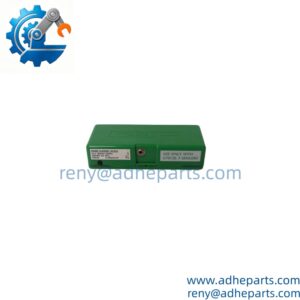
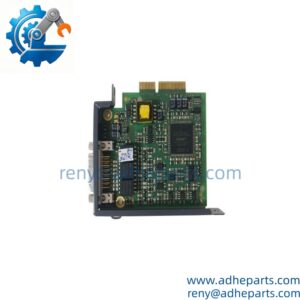
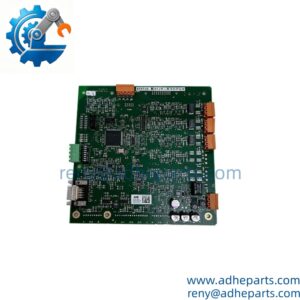
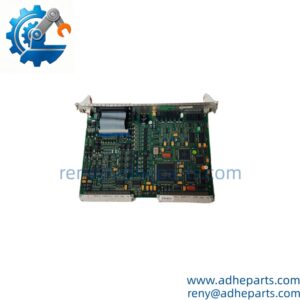
The available product documentation identifies the 5136-RE2-PCI as an SST PCI Interface Card for Reliance AutoMax DCS/RIO applications. A Woodhead/SST product listing also identifies the exact part as an obsolete AutoMax DCS/RIO PCI interface.
The original board marking may include identifiers such as RE2 PCI, revision information, and additional board numbers. One surviving hardware listing identifies a Rev. 1.1.0 board and “Made in Canada”; when sourcing a replacement, the physical label and revision should be compared rather than relying on the commercial description alone.
Product Introduction (Anti-Template)
The SST 5136-RE2-PCI sits between an industrial PC and a legacy Reliance Electric control network. Rather than providing conventional PLC I/O points, it gives a PCI-based host the interface required for AutoMax DCS and Remote I/O applications. This made the card useful for systems where the PC itself needed to participate in the control network rather than simply exchange data through a modern Ethernet gateway.
This is now a legacy hardware item, so compatibility is largely about the complete host computer, PCI environment, driver/software stack, and AutoMax network architecture. The card number alone is not enough when replacing one in an older workstation.
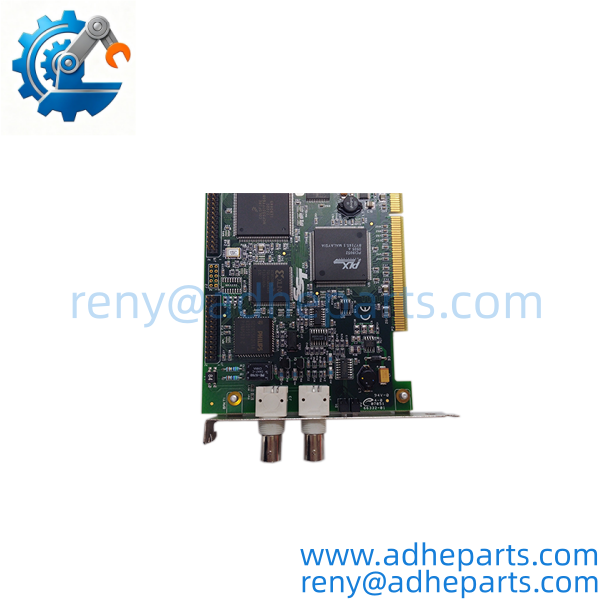
5136-RE2-PCI
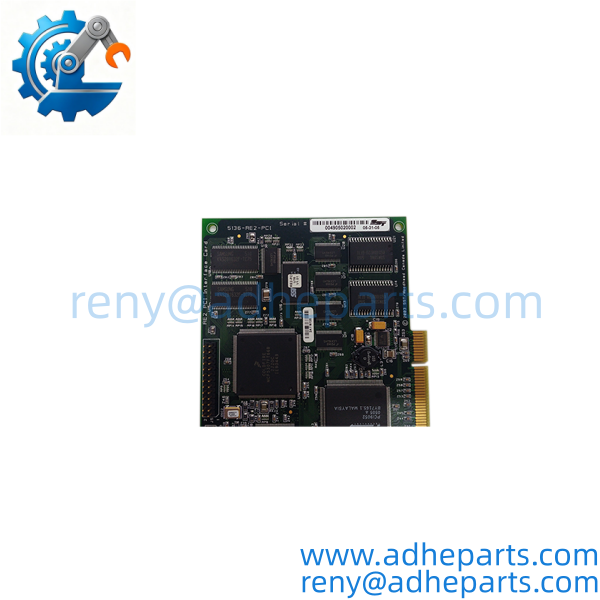
5136-RE2-PCI
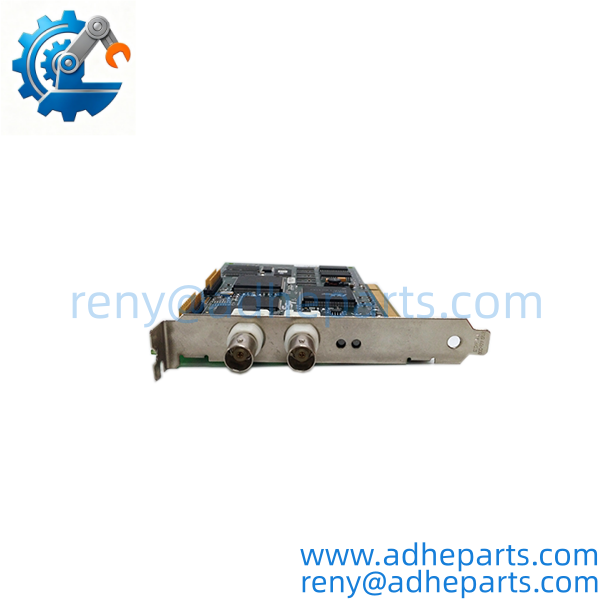
5136-RE2-PCI
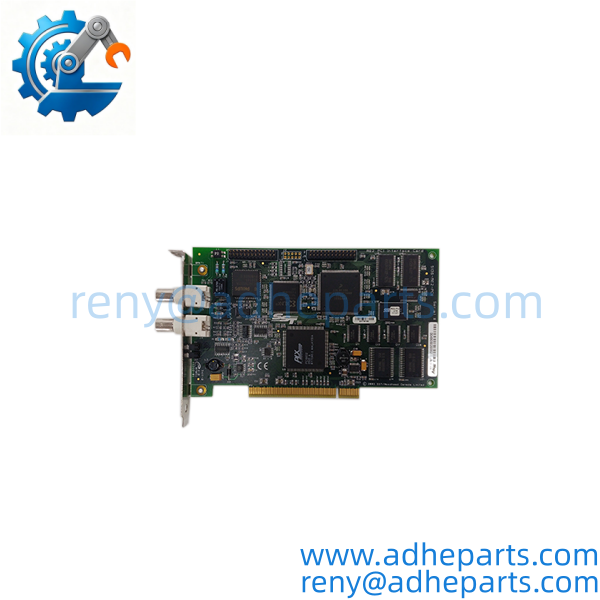
5136-RE2-PCI
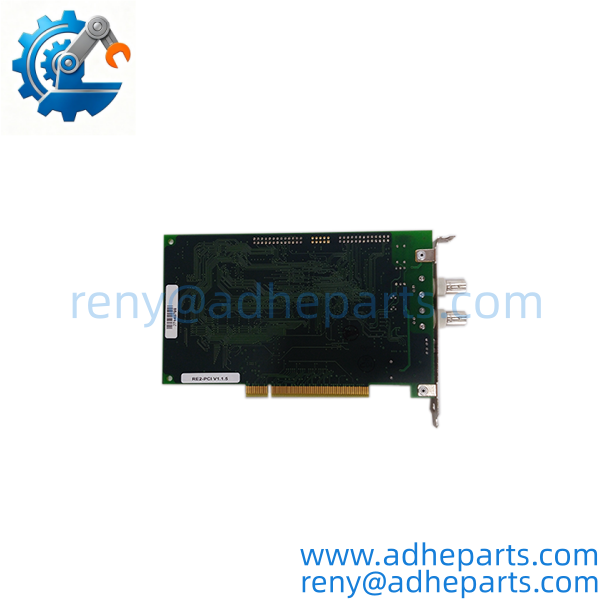
5136-RE2-PCI
QC, Procurement & Logistics SOP
1) Inbound Verification
Verify the board marking as 5136-RE2-PCI and inspect the PCB, PCI edge connector, mounting bracket, components, labels, and revision markings. Record the serial or board identification numbers before testing.
2) Host-System Testing
Where an appropriate AutoMax test environment is available, install the card in a compatible PCI host and verify that the operating system detects the interface correctly. Confirm the expected AutoMax DCS/RIO network communication rather than treating PCI device detection alone as a successful test.
3) Network Communication Test
Connect the card to a controlled AutoMax DCS/RIO test environment and verify network initialization, node communication, and expected data exchange. The important test is end-to-end communication with the target control architecture.
4) Driver & Software Verification
Because this is a legacy PCI interface, confirm the customer’s operating system, driver package, application software, PCI resources, and AutoMax configuration before shipment. Modern PCI systems and operating systems should not be assumed to support the card simply because a physical PCI slot is available.
5) QA & ESD Packaging
Use ESD-safe handling throughout inspection and packing. Protect the PCI edge connector from mechanical damage and place the board in an anti-static bag with rigid cushioning. For long-distance transportation, prevent the card from moving inside the carton.
6) Procurement Check
Request a photograph of the customer’s existing card and, where possible, the host computer configuration. Confirm 5136-RE2-PCI, board revision, software environment, AutoMax DCS/RIO application, and network architecture before accepting the replacement order.
7) Global Logistics & Export Compliance
For international shipment, verify the commercial invoice description, country of origin, HS classification, declared value, and destination import requirements. Since this is a legacy computer interface board, describe the actual function accurately rather than classifying it simply as a generic “PLC module.”
Technical Pitfalls & Integration Warnings
1) Do not describe it as a conventional PLC I/O card.
The 5136-RE2-PCI is a PCI interface card for AutoMax DCS/RIO networking. It does not provide conventional 24 VDC digital or analog I/O channels.
2) PCI compatibility matters.
A physical PCI slot does not automatically mean the card will operate correctly. BIOS resource allocation, operating-system support, driver availability, and the host computer’s PCI implementation all need to be considered.
3) Driver and operating-system mismatch can stop the project before network testing even begins.
Legacy SST cards rely on their corresponding software/driver environment. The 5136- should therefore be treated as a hardware-and-software package, not simply a plug-in replacement. Current third-party compatibility references also describe the card as a legacy/obsolete interface.
4) Do not substitute another SST 5136 model by appearance.
The 5136 family includes different interfaces for DH+, ControlNet, PROFIBUS, and other industrial networks. For example, the 5136-SD-PCI and 5136-PFB-PCI serve different network applications. Confirm the exact suffix before purchasing.
Frequently Asked Questions (FAQ)
Q1: What is the SST 5136- used for?
It is a PCI interface card used to connect a host computer to Reliance Electric AutoMax DCS and Remote I/O networks.
Q2: Is the 5136- a PLC output module?
No. It is a computer interface card rather than a conventional digital or analog I/O module.
Q3: What system does the 5136- support?
The documented application is the Reliance Electric AutoMax DCS/RIO environment.
Q4: Is the SST 5136- still a current product?
Available manufacturer/product references classify this model as obsolete or legacy hardware. It is therefore commonly handled as a replacement or engineering spare for existing installations.
Q5: Can I install it in any computer with a PCI slot?
Not necessarily. The host PCI implementation, operating system, driver, application software, and AutoMax network configuration all need to be compatible.
Q6: Can another SST 5136 PCI card replace the 5136-?
Not automatically. The 5136 family contains cards designed for different industrial networks. The exact network protocol and host application must be checked before substitution.
Q7: What information should I provide when requesting a replacement?
Provide a photo of the existing , board revision, host computer model, operating system, installed SST software/driver information, and the AutoMax DCS/RIO network application. For legacy systems, these details are often more useful than the part number alone.