Description
Note: Many products are not yet listed. Please contact us for more product information. Our supply channels are constantly expanding, and we currently have 20 stable shared supply channels. Please confirm the model, product, price, and all other necessary information with customer service before placing an order. We offer new, refurbished, and used products, and prices are adjusted according to the year of the item you require.
Product Introduction (Anti-Template)
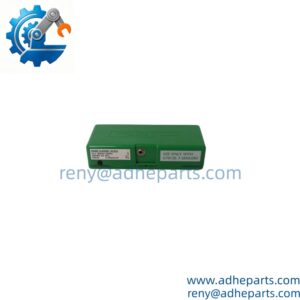
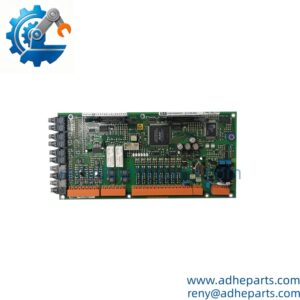
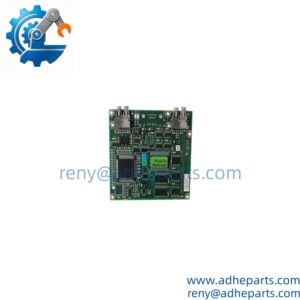
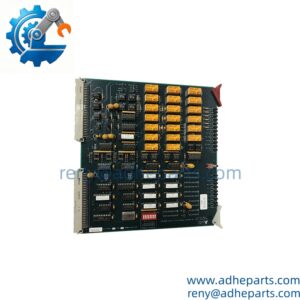
When a turbine overspeed event occurs, the protection system must respond independently of routine control functions. The GE IS215VPROH1BD is a VPRO emergency protection board used in the Speedtronic Mark VI turbine control platform. It processes dedicated speed and protection inputs and participates in the trip logic that can initiate turbine shutdown when configured protective conditions are met.
The VPRO protection architecture uses redundant boards in a protection module separate from the primary turbine control system. Associated terminal hardware routes sensor inputs and trip outputs, so the complete protection arrangement—not just the replacement board—must be verified before installation. The H1B hardware form supports a second TREG terminal board through connector J4 in applicable configurations. <Cite refs={[“turn362085search0″,”turn362085search1″,”turn362085search14”]}/>
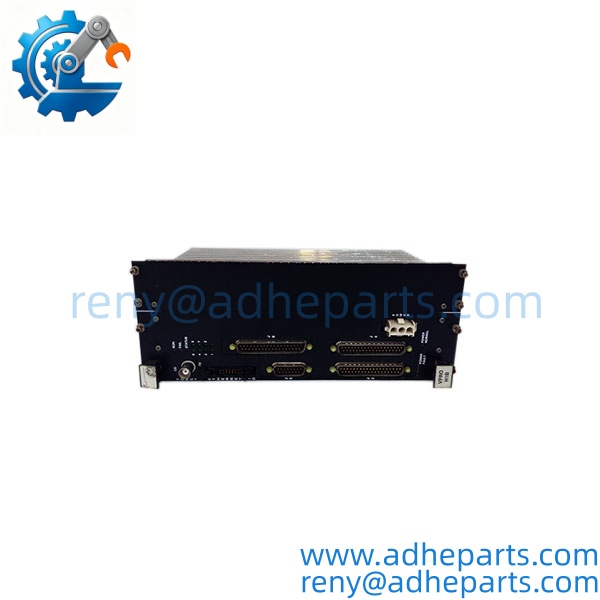
IS215VPROH1BD
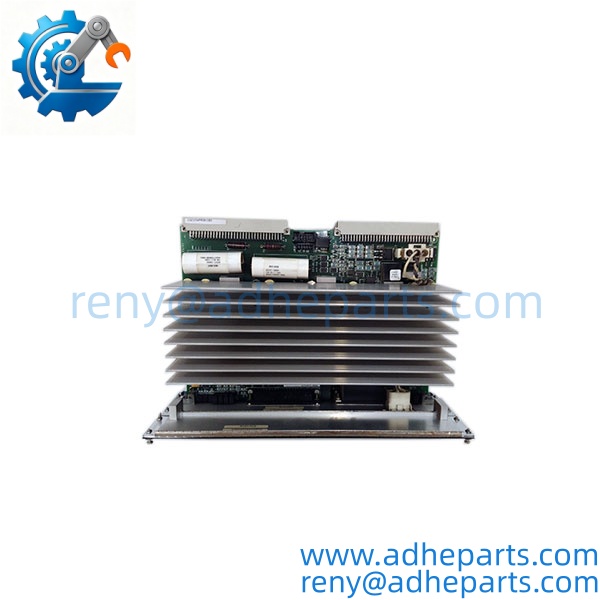
IS215VPROH1BD
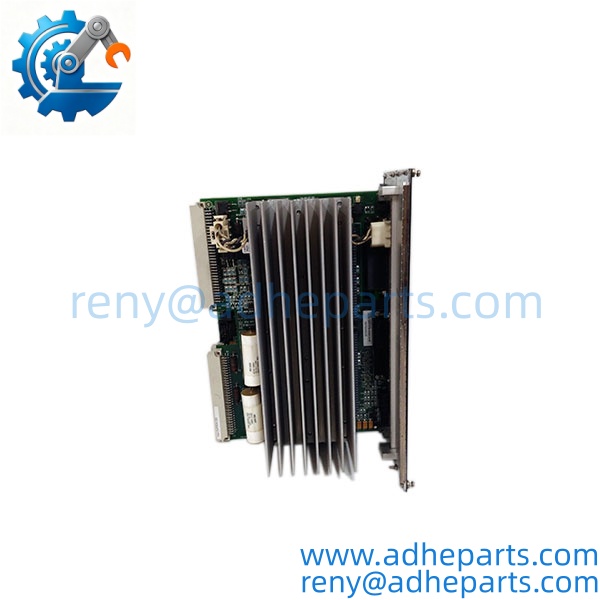
IS215VPROH1BD
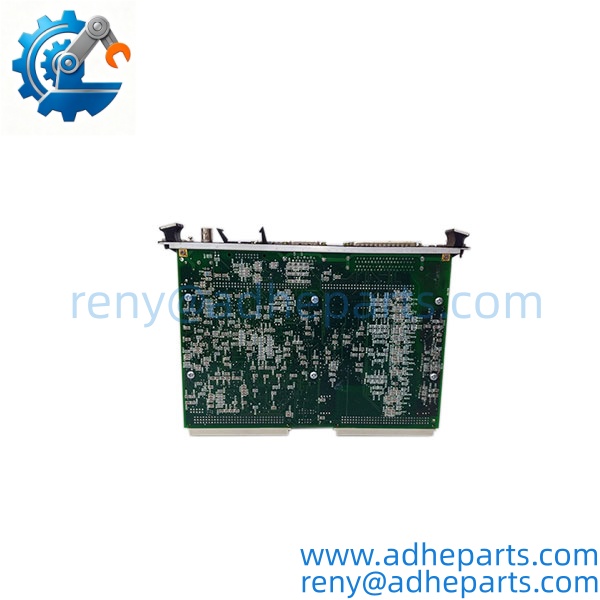
IS215VPROH1BD
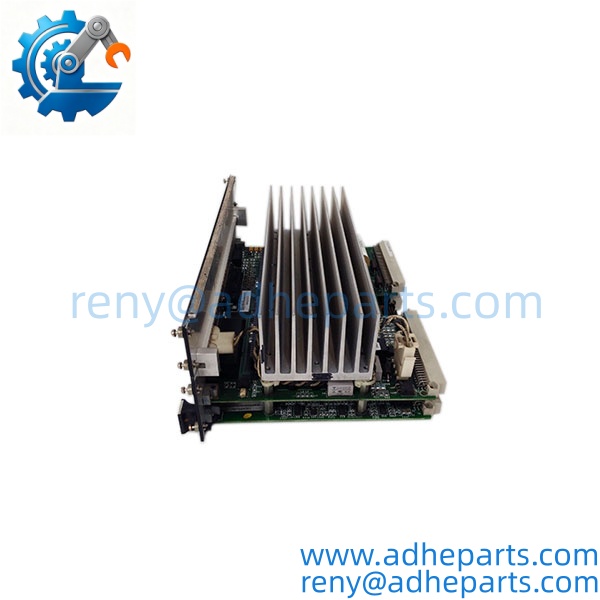
Key Technical Specifications
| Parameter | Specification |
|---|---|
| Manufacturer | General Electric (GE) |
| Model | IS215VPROH1BD |
| Functional Acronym | VPRO |
| Product Series | Speedtronic Mark VI |
| Module Type | Emergency Turbine Protection Board |
| Primary Function | Emergency overspeed and emergency-stop protection |
| Protection Architecture | Triple-modular redundant (TMR) VPRO arrangement |
| Speed Inputs | 3 passive magnetic pickup inputs |
| MPU Frequency Range | 2 Hz–20 kHz |
| Temperature Inputs | Thermocouple inputs for configured turbine protection functions |
| Additional Inputs | Generator/bus voltage, analog signals, emergency-stop and trip-interlock circuits |
| Trip Interface | TREG relay terminal board and associated trip-path hardware |
| Trip Supply | 125 VDC trip circuit in the documented Mark VI arrangement |
| Communication | IONet connection within the Mark VI protection architecture |
| Hardware Detail | H1B form supports a second TREG connection through J4 where required |
The table summarizes the documented VPRO family architecture. Confirm the exact suffix, terminal-board variants, input configuration, and installed protection design against the unit nameplate and applicable system manual. Do not transfer specifications from H2B or other VPRO variants without verification. <Cite refs={[“turn362085search0″,”turn362085search1″,”turn362085search14”]}/>
Field Application & Technical Pitfalls (The Engineer’s Guide)
Emergency Overspeed Protection
The VPRO system evaluates dedicated magnetic pickup signals to determine turbine speed and supports the emergency trip function. This protection path is separate from routine turbine-control execution, reducing dependence on the primary controller for emergency overspeed response.
Emergency Stop and Trip Interlocks
Configured emergency-stop and trip-interlock inputs feed the protection logic. The VPRO board then operates the associated trip-relay arrangement, with terminal hardware completing the circuit to the turbine trip solenoids.
Turbine Synchronization and Temperature Protection
Depending on the turbine configuration, the VPRO architecture also processes generator and bus voltage for synchronization-check functions and thermocouple inputs for specified temperature-protection functions. These features must be confirmed against the actual application configuration rather than assumed for every installation.
Pitfall 1 — Do not substitute an H2B variant based on appearance.
The H1B hardware form supports a second TREG board through J4 in applicable arrangements. Documentation for the H2B form indicates that this second-TREG capability is omitted. Check the existing terminal-board arrangement before approving an alternative. <Cite refs={[“turn362085search0″,”turn362085search1”]}/>
Pitfall 2 — Verify the complete protection path.
Confirm the VPRO board, TPRO input terminal board, TREG relay terminal board, any associated TRPG board, cable connections, and trip-solenoid wiring. A matching VPRO catalog number alone does not establish that the complete circuit is configured correctly.
Pitfall 3 — Treat replacement as safety-critical maintenance.
Overspeed setpoints, emergency-stop logic, voting configuration, and trip outputs must follow the approved turbine protection design. Never use an unverified bench result as a substitute for the required installed-system proof test.
Consider a turbine that reports a VPRO fault after scheduled maintenance. Replacing the board without checking the terminal-board cabling, power supply, and trip-path feedback can leave the original fault unresolved. A disciplined diagnosis should identify the failing component and verify the complete protection chain before returning the turbine to service.
Quality Control (QC) SOP & Transparency
- Part-number verification: Confirm the full nameplate number is IS215VPROH1BD. Record serial number, hardware markings, and any additional revision information.
- Physical inspection: Check the PCB assembly, connectors, mounting hardware, labels, and visible components for corrosion, impact damage, or overheating.
- Hardware-form review: Confirm the H1B configuration and determine whether the installed protection design requires a second TREG connection through J4.
- Terminal-board compatibility: Compare the existing TPRO, TREG, and TRPG arrangements and cable connections with the applicable system documentation.
- Power and interface inspection: Inspect the relevant power and communication interfaces and check for visible signs of electrical stress.
- Functional testing: Where suitable equipment and an approved procedure are available, verify startup diagnostics, speed-input response, and relevant protection-channel functions.
- Configuration review: Confirm the required speed settings, protection logic, terminal-board configuration, and trip-solenoid arrangement with the responsible turbine-control engineer.
- Final QA: Record part-number photographs, physical inspection findings, and available test results before packing.
- Protective packaging: Use ESD protection and suitable cushioning to protect the electronic assembly during transport.
Important: Testing a spare board does not by itself certify the complete turbine protection system. Installation, configuration, and proof testing must follow the approved site procedures and applicable GE documentation.
FAQ
Q1: What is the GE IS215VPROH1BD?
It is a VPRO emergency turbine protection board for the GE Speedtronic Mark VI system, used in the emergency overspeed and emergency-stop protection architecture.
Q2: Is it a general-purpose I/O board?
No. Its primary purpose is emergency turbine protection. It processes dedicated protection inputs and participates in the trip logic through associated terminal hardware.
Q3: What is the role of the TPRO terminal board?
TPRO routes relevant speed, temperature, voltage, and other configured protection inputs to the VPRO boards. Its exact wiring and input configuration must match the installed turbine design.
Q4: What is the role of TREG?
TREG contains the relay arrangement used for trip voting and interfaces with the turbine trip-solenoid path. The complete circuit also depends on the associated terminal hardware and system wiring.
Q5: Can IS215VPROH1BD be replaced with IS215VPROH2BD?
Do not assume interchangeability. The H1B form supports a second TREG connection through J4 in applicable configurations, while H2B documentation indicates that this capability is omitted. Check the installed design and the complete part number before selecting a replacement. <Cite refs={[“turn362085search0″,”turn362085search1”]}/>
Q6: Does the board support triple redundancy?
Yes. The documented Mark VI protection architecture uses three redundant VPRO boards in a separate protection module. The actual configuration and voting arrangement must still be confirmed for the installation. <Cite refs={[“turn362085search1″,”turn362085search14”]}/>
Q7: What information should I provide when requesting a replacement?
Provide the complete part number and nameplate photograph, the installed VPRO hardware form, the TPRO/TREG/TRPG terminal-board numbers, relevant fault indications, and the turbine-control system details. This helps reduce the risk of supplying a board that does not match the existing protection arrangement.