Description
Note: Many products are not yet listed. Please contact us for more product information. Our supply channels are constantly expanding, and we currently have 20 stable shared supply channels. Please confirm the model, product, price, and all other necessary information with customer service before placing an order. We offer new, refurbished, and used products, and prices are adjusted according to the year of the item you require.
Key Technical Specifications
| Parameter | Specification |
|---|---|
| Model | IS200VSVOH1BDC |
| Manufacturer | General Electric (GE) |
| Series | Mark VI |
| Functional Acronym | VSVO |
| Product Type | Servo Control Card |
| Application | Servo valve interface / pulse-rate input |
| Servo Coil Configuration | 2 or 3 coils |
| TMR Configuration | 3-coil servo applications |
| Pulse-Rate Input Range | 2–14 kHz |
| Feedback | LVDT / LVDR |
| Speed Sensors | Active or passive |
| Status Indicators | Run, Fail, Status |
| Prime Mover Applications | Steam or gas turbines |
The VSVO architecture is also documented with TSVO/DSVO termination arrangements, including servo current sources, LVDT/LVDR feedback, excitation sources, and pulse-rate inputs.
Product Introduction (Anti-Template)
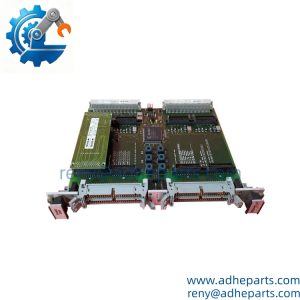
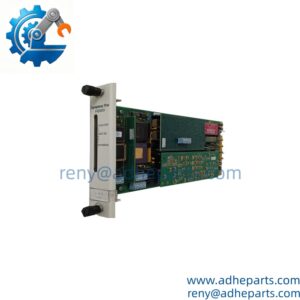
Operating as the servo-control interface within a GE Mark VI turbine control system, the IS200VSVOH1BDC manages servo-valve interface I/O and pulse-rate inputs used in turbine control applications. The board supports 2- or 3-coil servo configurations, LVDT/LVDR feedback, and pulse-rate signals from 2 Hz to 14 kHz. Three onboard indicators provide Run, Fail, and Status information for commissioning and troubleshooting.
The BDC revision matters here. Do not treat every VSVO board as interchangeable simply because the IS200VSVO designation matches. The associated termination board, servo-coil configuration, feedback arrangement, and Mark VI application configuration should all be checked before replacement. Honestly, matching the complete servo loop is far safer than matching the PCB number alone.
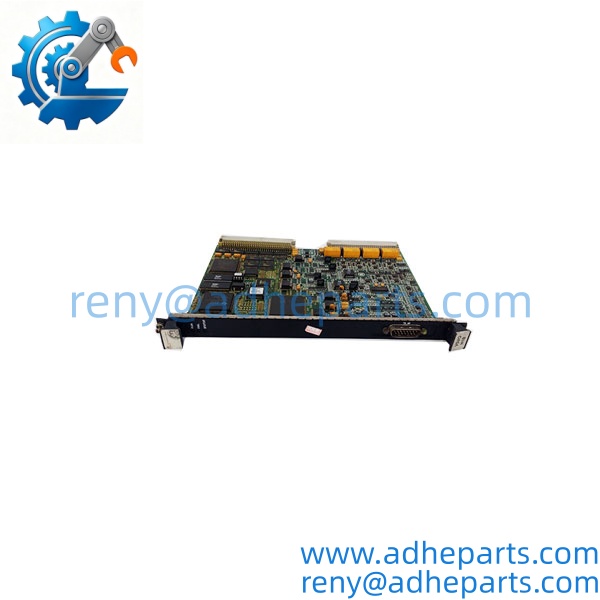
IS200VSVOH1BDC
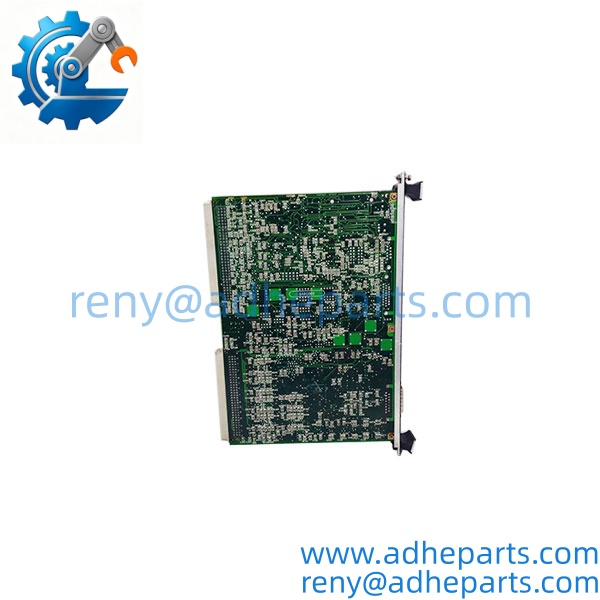
IS200VSVOH1BDC
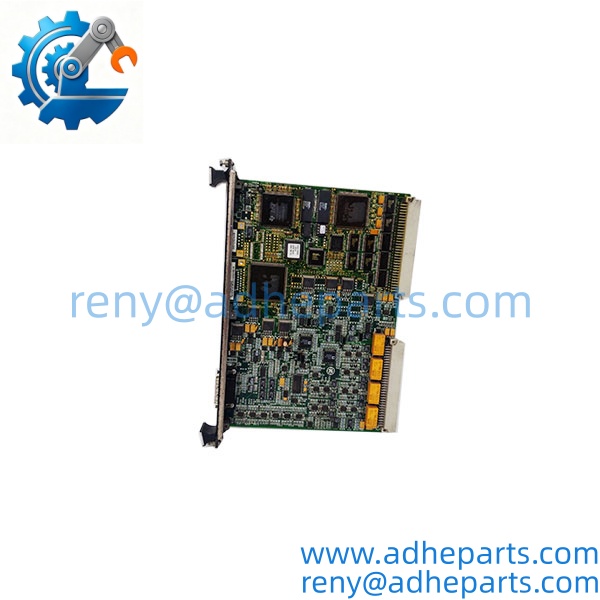
IS200VSVOH1BDC
QC, Procurement & Logistics SOP
- Inbound Verification — Confirm the complete IS200VSVOH1BDC part number, BDC revision, board markings, connectors, relays, LEDs, and PCB condition. Compare the replacement with the installed board and associated termination hardware.
- Live Rig Testing — Where a compatible Mark VI test setup is available, verify board initialization, status LEDs, representative servo outputs, feedback inputs, and pulse-rate input behavior. For used units, check for abnormal current output, intermittent feedback, or diagnostic faults.
- QA & Anti-Static Packaging — Inspect the PCB, connectors, solder joints, relays, terminal interfaces, and protective coating. Use ESD-safe packaging, connector protection, moisture control, and shock-resistant outer packaging.
- Global Logistics & Export Compliance — Confirm the applicable HS classification, product description, country-of-origin documentation, and destination import requirements. Use secure packaging suitable for air or sea freight to protect the VME board and connectors during transportation.
Technical Pitfalls & Integration Warnings
- Firmware Rev Mismatch — A VSVO replacement should be checked against the Mark VI application and software configuration. For example, a control application configured around one approved hardware/software revision should not automatically be assumed compatible with a different revision simply because the base VSVO designation is identical.
- DIP Switch / Configuration Errors — Do not assume a replacement board can be commissioned by copying visible hardware settings alone. Servo configuration, feedback selection, current-output settings, and control parameters are tied to the Mark VI application. Verify the software configuration and termination arrangement before startup.
- Wiring/Terminal Incompatibility — The VSVO works with dedicated termination arrangements such as TSVO or DSVO. Servo current outputs, LVDT/LVDR feedback, excitation circuits, and pulse-rate inputs must match the associated termination hardware. Incorrect field wiring can cause incorrect valve positioning or damage the interface.
- ESD During Unboxing — The exposed PCB and connector interfaces should be handled using standard ESD precautions. Keep the board in its protective packaging until the cabinet is isolated, grounded, and ready for installation.
Frequently Asked Questions (FAQ)
1. What is the GE IS200VSVOH1BDC used for?
It is a VSVO Servo Control Card for GE Mark VI turbine control systems, primarily used for servo-valve interface applications and pulse-rate inputs.
2. How many servo coils can the board support?
The documented configuration supports 2- or 3-coil servos, with 3-coil arrangements used for TMR applications.
3. Does IS200VSVOH1BDC support LVDT feedback?
Yes. The VSVO architecture supports LVDT and LVDR feedback for servo-valve position monitoring.
4. What pulse-rate frequency can it handle?
The documented pulse-rate input range is 2 Hz to 14 kHz. These inputs can be used for speed or flow-divider feedback applications.
5. Can I replace another VSVO board with IS200VSVOH1BDC?
Not solely on the VSVO designation. Verify the complete part number and revision, associated termination board, servo configuration, feedback sensors, and Mark VI software configuration before ordering.
6. Can the board be hot-swapped?
Do not assume hot-swapping is permitted. The board is part of a turbine control and servo-actuation loop, so the applicable GE shutdown, isolation, and cabinet-maintenance procedures should be followed before removal.
7. What information should I provide when requesting a replacement?
Provide the complete part number and revision, a clear nameplate or PCB photo, the existing termination-board model, servo-valve configuration, and any available Mark VI diagnostic information. This is particularly important when replacing legacy VSVO hardware.