Description
Note: Many products are not yet listed. Please contact us for more product information. Our supply channels are constantly expanding, and we currently have 20 stable shared supply channels. Please confirm the model, product, price, and all other necessary information with customer service before placing an order. We offer new, refurbished, and used products, and prices are adjusted according to the year of the item you require.
Product Introduction
When a gas‑turbine excitation path loses its intermediate signal board, unplanned trips can force costly full‑unit shutdowns.
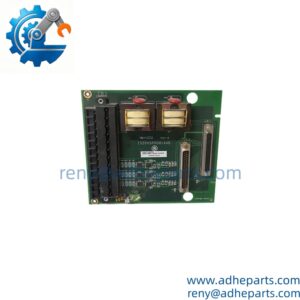
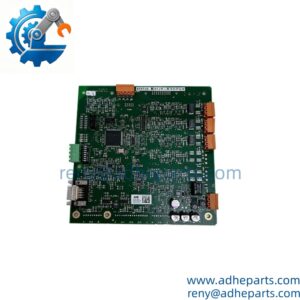
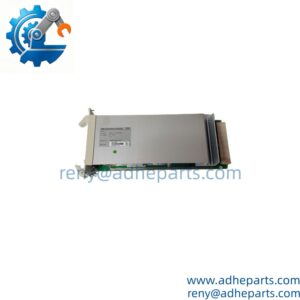
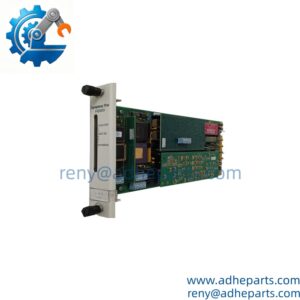
This SDCC board serves as the critical signal bridge between Mark V main controller logic and the power‑stage gate drivers. It routes firing commands while capturing hardware fault feedback, though you must match board revision against existing system configuration before commissioning.
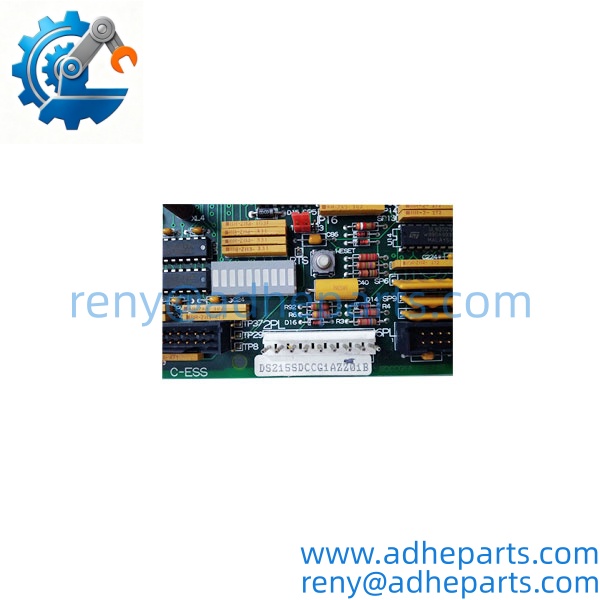
DS200SDCCG1AGD
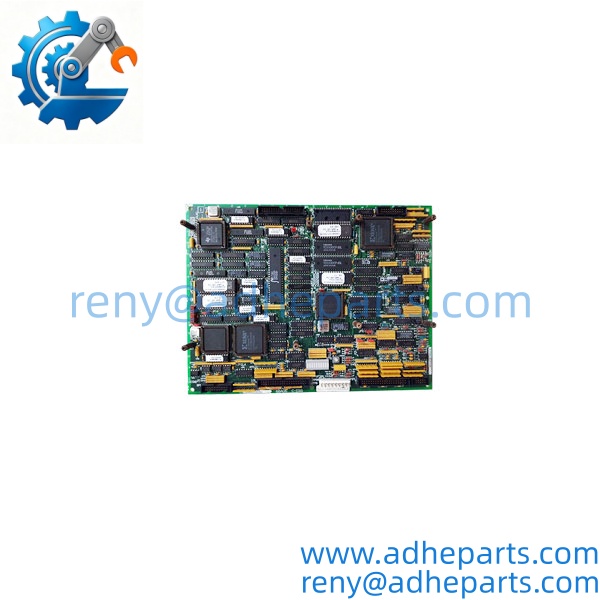
DS200SDCCG1AGD
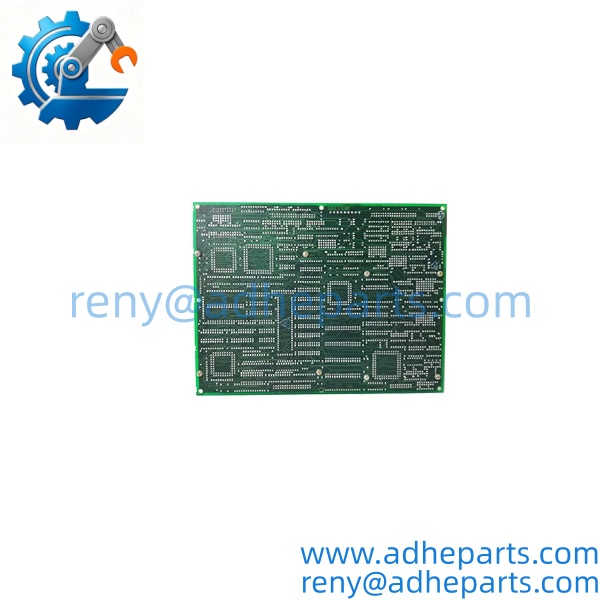
DS200SDCCG1AGD
Key Technical Specifications
| Parameter | Value |
|---|---|
| System Compatibility | GE Mark V Turbine Control System |
| Form Factor | Standard 6‑U rack‑mount PCB |
| Signal Type | Gate drive command output, power‑circuit fault feedback inputs |
| Backplane Interface | Mark V multi‑pin edge connector |
| Operating Logic Voltage | 5 VDC logic rail supplied by rack backplane |
| Board Revision | A1GD (silkscreen printed on component side) |
| Operating Temperature | 0 °C to +60 °C cabinet ambient |
| Status Indicators | Multiple on‑board LED fault diagnostic lamps |
| Conformal Coating | Factory applied protective conformal coating |
| Mounting | Locking ejector latches for Mark V card slots |
Field Application & Technical Pitfalls (The Engineer’s Guide)
This board operates in three high‑stakes industrial scenarios. Combined‑cycle gas‑turbine governor cabinets handle excitation firing signal routing. Simple‑cycle peaker‑plant control racks process gate‑driver feedback under heavy load swings. Remote turbine package control cabinets manage drive‑circuit monitoring in harsh plant‑floor environments.
Critical technical pitfalls during replacement:
- Board‑revision mismatch: Installing a different hardware revision can alter signal threshold levels, triggering spurious drive‑circuit fault trips. Not all DS200SDCCG variants are drop‑in equivalents.
- Backplane edge‑connector contamination: Debris or light corrosion on the gold‑plated edge fingers creates intermittent signal drops. The third ejector latch tab from the top secures this card fully into the slot. Partial seating produces random fault codes.
- ESD damage during card swap: Unprotected hand contact with component traces can degrade sensitive signal‑processing chips, even with rack power turned off. Conformal coating offers limited real‑world static protection.
One site maintenance team swapped a degraded SDCC board during a scheduled outage. They pulled the replacement from stock without cross‑checking revision codes and pushed the card partially home without locking both ejector latches. Following turbine ramp‑up, random drive‑circuit faults appeared only above 60 % load. Technicians spent nearly four hours troubleshooting software logic before noticing incomplete card seating and revision mismatch. Always record existing board revision number and fully engage both ejector latches after insertion.
Quality Control (QC) SOP & Transparency
- Inbound Verification: Match silkscreen part number, revision suffix, and serial marking against OEM packing documentation. Inspect conformal coating for chipping, burns, or repair‑residue signs. Check edge‑connector gold fingers for scratching or oxidation. Confirm no bent through‑hole component pins.
- Live Rig Testing: Seat board inside Mark V test rack chassis. Supply regulated rack backplane voltages. Complete power‑on self‑test; verify diagnostic LED behavior matches OEM reference documentation. Validate bidirectional signal handshakes across gate‑command and fault‑feedback channels.
- Parameter Testing: Run continuity checks across all edge‑connector pins. Measure critical logic rail voltages under simulated system load. Inspect for leakage paths caused by damaged conformal coating. Confirm no short‑circuit conditions exist between adjacent signal traces.
- Final QA & Packaging: Treat edge‑connector fingers with anti‑static protective film. Seal board inside static‑shielding bag. Affix QC‑passed label including test‑run timestamp and verified hardware revision. Pack with rigid foam padding to prevent trace or pin damage in transit.
Frequently Asked Questions (FAQ)
Can I hot‑swap DS200SDCCG1AGD while the Mark V rack remains powered?No. This legacy Mark V hardware does not support hot‑swap card replacement. Shut down rack control power before inserting or removing the board. Live‑power card insertion risks backplane trace burnout.
What exact Mark V system configurations accept DS200SDCCG1AGD?Intended for standard Mark V gas‑turbine control racks. It will not function within Mark VI or Mark VIe hardware platforms. Verify exact load capacity with the OEM datasheet before integration.
What warranty coverage applies for new‑surplus DS200SDCCG1AGD boards?Twelve‑month functional warranty applies. Warranty excludes damage from ESD events, improper card seating, cabinet over‑temperature, or installation of mismatched revisions. Minor intact conformal‑coating shelf marks do not void coverage.
How do I separate genuine OEM surplus boards from repaired aftermarket copies?Genuine OEM units carry consistent factory conformal‑coating coverage, crisp silkscreen revision marking, and undamaged gold‑plated edge fingers. Rebuilt boards often show patch‑repaired traces, hand‑applied conformal coating, or replaced off‑brand discrete components. Well, technically some legitimate OEM‑repaired boards exist, so full bench testing remains the final validation step.
Will I need to adjust system logic parameters after board replacement?In most cases, existing logic database files remain usable. Still, always confirm hardware revision alignment. Mismatched revisions may require threshold‑value tweaks inside the turbine control configuration.
What symptoms point toward a failing SDCC board in the field?Intermittent drive‑circuit fault alarms, flickering on‑board diagnostic LEDs, unexplained turbine trip events during load ramps, and loss of gate‑drive command outputs. Many of these symptoms mimic other rack‑card failures, so bench validation is recommended.
What happens when stock of DS200SDCCG1AGD gets exhausted?This is a legacy discontinued GE part. Once available surplus stock depletes, sourcing windows lengthen substantially. Confirm stock status well ahead of planned turbine‑outage schedules.