Description
Note: Many products are not yet listed. Please contact us for more product information. Our supply channels are constantly expanding, and we currently have 20 stable shared supply channels. Please confirm the model, product, price, and all other necessary information with customer service before placing an order. We offer new, refurbished, and used products, and prices are adjusted according to the year of the item you require.
Product Introduction
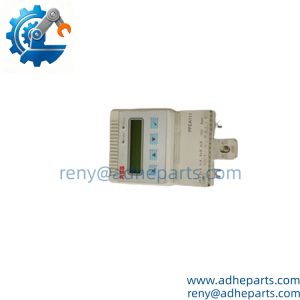
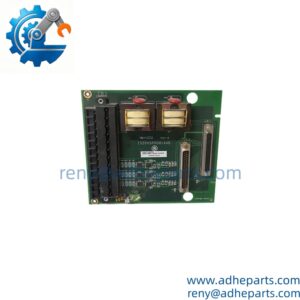
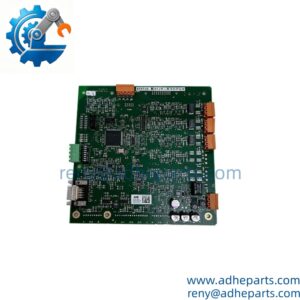
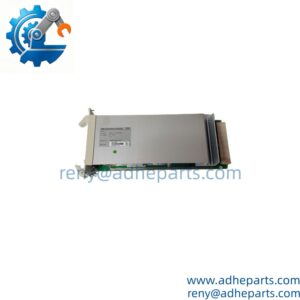
As the core CPU of the DCS800 series DC converter, SDCS‑CON‑4 governs every closed‑loop regulation cycle across the full power range from 9 kW up to 5 MW converter frameseero. It stores drive parameters inside onboard FlashPROM, handles local panel communication, and runs the safety watchdog that disables firing pulses upon internal fault detectionManualsLib. This board sits inside all DCS800 power unit sizes; swapping it demands strict attention to existing firmware revision and stored application data.
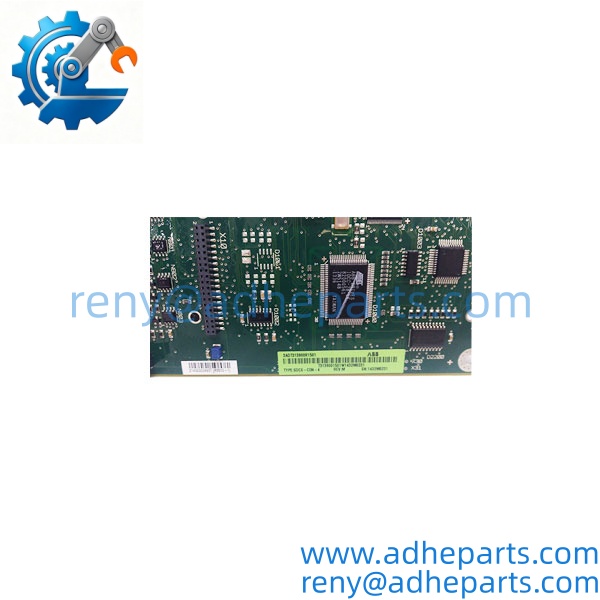
SDCS-CON-4
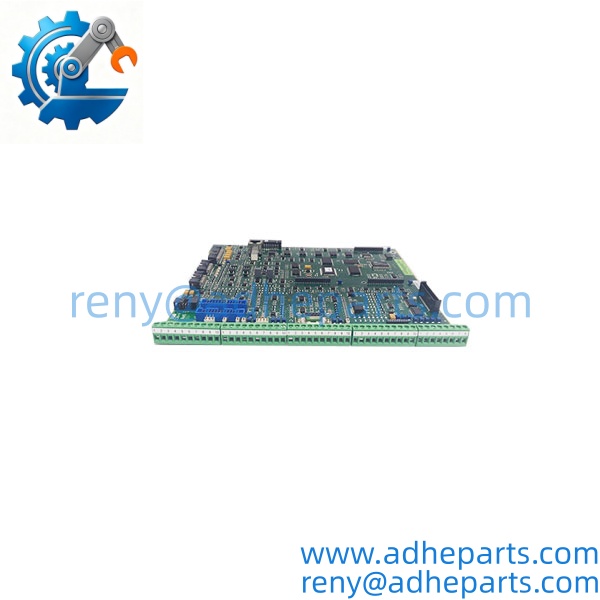
SDCS-CON-4
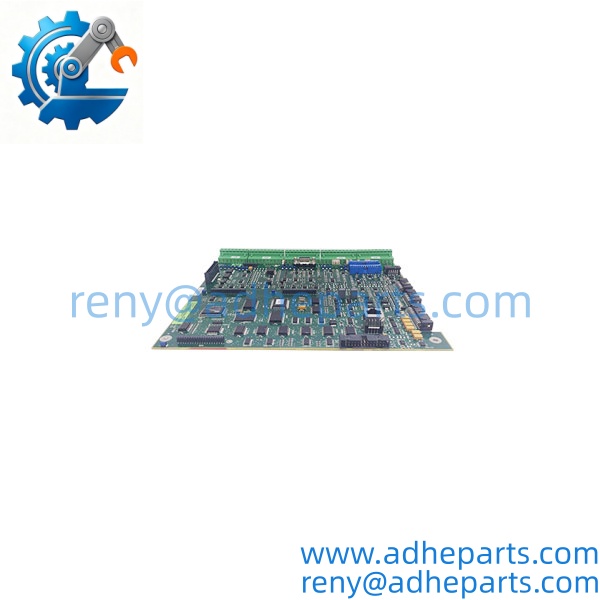
SDCS-CON-4
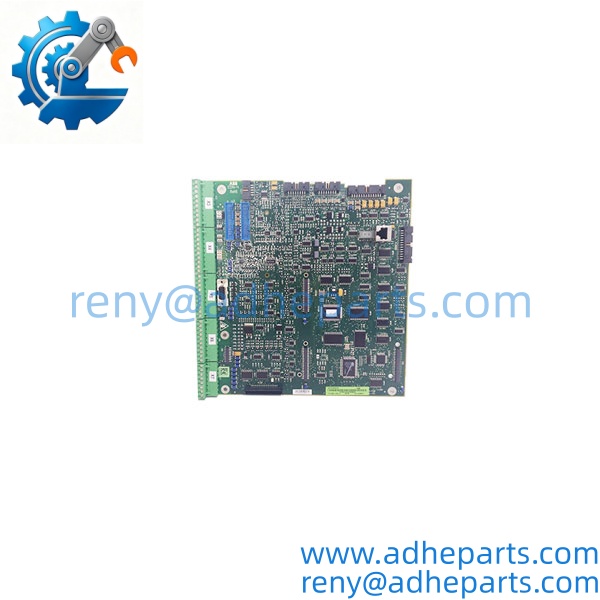
SDCS-CON-4
Key Technical Specifications
| Parameter | Value |
|---|---|
| Auxiliary Supply | 24 VDC, max 2 A |
| On‑board Memory | FlashPROM for firmware & drive parameters |
| Operator Panel Port | X33 (RJ45 / direct jack DCS800 panel) |
| Firmware Download Port | X34 serial service connector |
| Expansion Slots | X1, X2 for SDCS‑IOB‑2 / IOB‑3 I/O daughterboards |
| Safety Feature | Hardware watchdog; forces outputs low on fault trip |
| Operating Ambient Temperature | 0 °C … +55 °C |
| Storage Temperature | −40 °C … +70 °C |
| Compatible Drive Frames | DCS800 D1‑D7 (9 kW to 5 MW) |
| Display | On‑board seven‑segment status LED display |
Field Application & Technical Pitfalls (The Engineer’s Guide)
Critical industrial scenarios:
- Heavy‑duty paper mill DC motor armature control under continuous 24‑hour operation.
- Steel rolling mill main DC drive where board failure triggers full‑line production halt.
- Large crane hoist DC converters where incorrect control logic creates mechanical overload risk.
Technical pitfalls to avoid
- Firmware revision mismatch: Installing a board with older firmware onto a DCS800 power unit configured for newer firmware creates random parameter corruption, —though your mileage may vary depending on power‑unit hardware revision. Always cross‑check signal 4.11 firmware version before power‑up.
- Forgotten jumper / DIP‑switch positions: Jumpers near the third terminal block from the left set I/O termination levels; default factory settings do not always match legacy site configurationsManualsLib.
- ESD damage during swap: Unprotected handling can damage fine trace circuits without immediate visible burn marks; faults may only appear under thermal load after several operating hours.
Hypothetical field anecdote: One maintenance team swapped an SDCS‑CON‑4 during a weekend shutdown without recording original jumper settings. On Monday startup, analog reference signals drifted erratically. Hours of troubleshooting passed before technicians noticed two jumpers had stayed in factory default instead of site‑modified positions. No hardware burned, but 3.5 hours of mill runtime were lost.
Quality Control (QC) SOP & Transparency
- Inbound Verification: Match physical board part marking against OEM reference numbers; cross‑reference original packing documentation for new‑surplus stock; perform visual anti‑counterfeit check for solder rework, scratched chip surfaces, or non‑OEM component substitutions.
- Live Rig Testing: Mount board inside DCS800 test bench power unit; apply 24 VDC auxiliary supply; confirm seven‑segment status codes boot normally; validate watchdog fault trip response and X33 panel port handshakes.
- Parameter Testing: Run insulation‑resistance spot checks on signal connectors; read and write sample drive parameters into FlashPROM to confirm memory circuit does not lock out writesManualsLib.
- Final QA & Packaging: Retest all ports one final pass; place unit inside static‑shield anti‑static bag; affix internal QC‑passed physical label with test date; add protective foam for transit shock mitigation.
Frequently Asked Questions (FAQ)
Q: Can I hot‑swap SDCS‑CON‑4 while the drive remains powered? A: No. Full 24 VDC auxiliary power must be removed before extraction. Hot‑pulling risks pin short‑circuit and permanent board trace damage. Stop drive, lock‑out power sources before replacement work.
Q: Will any SDCS‑CON‑4 work for my existing D6 frame? A: Physically it fits, but firmware revision must align. Well, technically it boots, but only matching firmware supports your existing application parameter set. Verify exact firmware revision number (signal 4.11) from your current unit.
Q: What warranty term applies to this SDCS‑CON‑4 board? A: We offer standard 12‑month warranty for both new‑surplus and refurbished stock. Warranty covers manufacturing and test‑verified hardware defects; it excludes field‑caused ESD, surge, or mis‑configuration damage.
Q: How do I visually tell genuine OEM stock apart from rebuilt/refurbished units? A: Inspect component solder joints: genuine factory boards show uniform, wave‑solder finish across all pins. Refurbished units often have hand‑reworked solder points around integrated circuits or connectors. Also cross‑check laser‑etched part numbers, avoid printed sticker‑only markings.
Q: After board replacement, do all my old drive parameters automatically load? A: No. FlashPROM on the new board carries its own parameter dataset. You must upload your saved parameter file via PC‑tool or manually re‑enter critical drive settings post‑swap.
Q: What happens if the onboard watchdog trips repeatedly after installation? A: Watchdog trips mean the board detects internal execution failure. First re‑check 24 VDC supply noise and ripple. If supply readings stay clean, the board itself may be defective and requires return for re‑evaluation. Always confirm supply with multimeter before condemning the board.
今天 08:53
What is the price of ABB SDCS-CON-4?
Where can I buy ABB SDCS-CON-4?
Do you have any installation instructions for ABB SDCS-CON-4?