Description
Note: Many products are not yet listed. Please contact us for more product information. Our supply channels are constantly expanding, and we currently have 20 stable shared supply channels. Please confirm the model, product, price, and all other necessary information with customer service before placing an order. We offer new, refurbished, and used products, and prices are adjusted according to the year of the item you require.
Key Technical Specifications
| Parameter | Value |
|---|---|
| Full Identifier | GDB021BE, HIEE300766R0001 |
| Target Equipment | ACS6000 MVD, UNITROL excitation cabinets, SFC static frequency converters |
| Command Interface | Fiber‑optic receive for PWM trigger signals |
| Gate Output Levels | +15 V turn‑on, ‑8 V turn‑off, peak output current ≥3 A |
| Main Protection Functions | VCE saturation monitoring, IGCT short‑circuit detection, under‑voltage lockout, fault status telemetry |
| Galvanic Isolation | ≥2500 V AC between control side and power semiconductor side |
| Auxiliary Supply | 24 VDC ±10 % board supply |
| Fault Reaction Speed | Microsecond‑level soft shutdown during semiconductor fault events |
| Form Factor | Eurocard slot‑mount PCB for power cabinet racks |
| Operating Cabinet Temperature | 0 °C to +60 °C |
| Approximate Unit Weight | 0.61 kg |
Product Introduction (Anti‑Template Hook‑B opening)
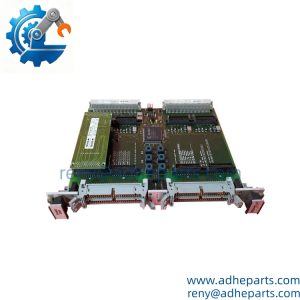
When a medium‑voltage drive experiences sudden power stack shutdown, the GDB021BE gate driver sits high on the list of suspect components. It translates optical PWM commands from the main control unit into high‑current gate pulses for IGCT devices, while running continuous real‑time health checks on the power semiconductor.
Original series manufacturing has long been discontinued. Heavy‑industry sites maintain spares on‑site to avoid multi‑day outages. Honestly, many field failures trace back to dirty fiber connectors or unstable auxiliary 24 V supply rather than permanent PCB damage.
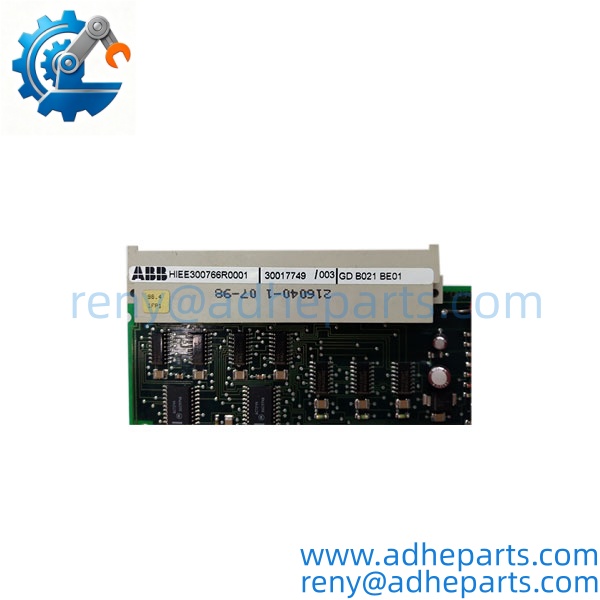
GDB021BE
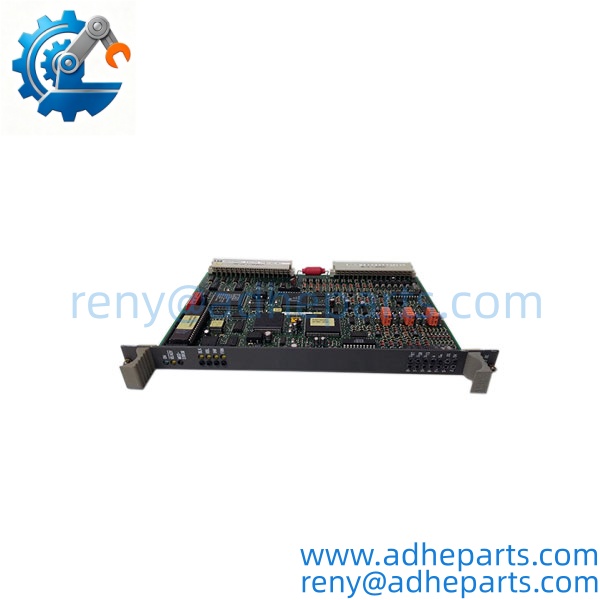
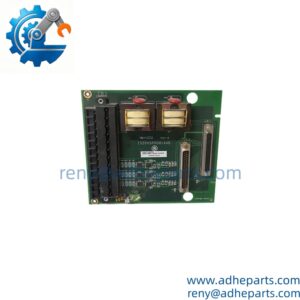
GDB021BE
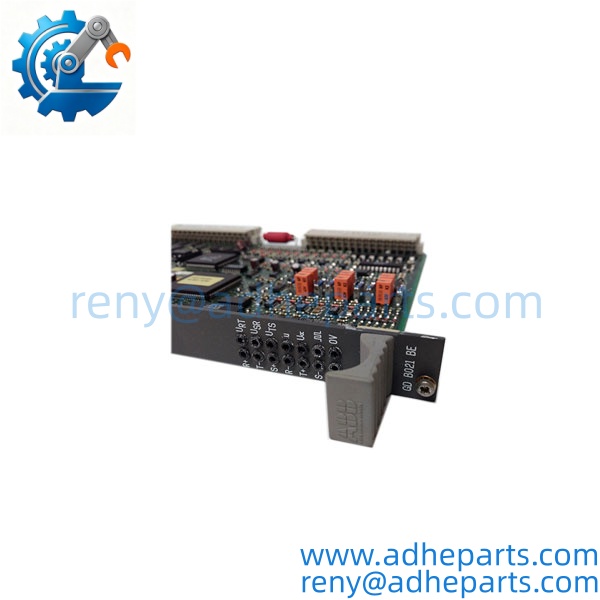
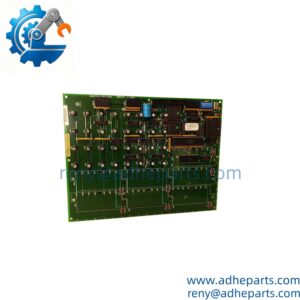
GDB021BE
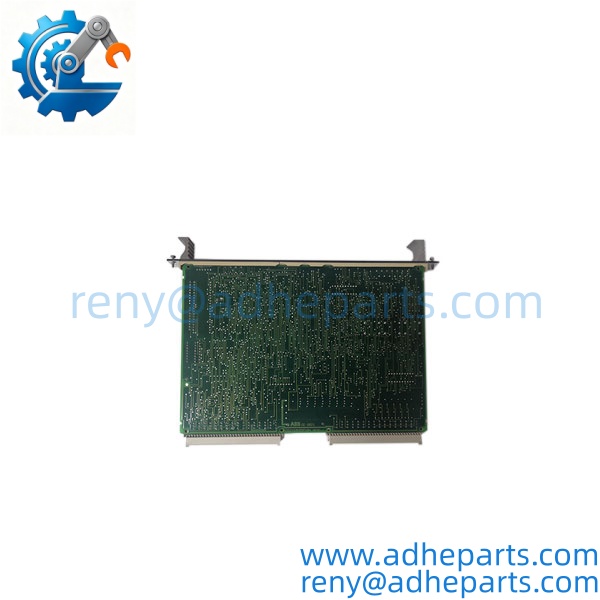
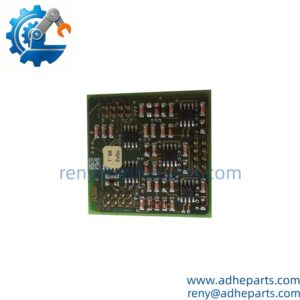
GDB021BE
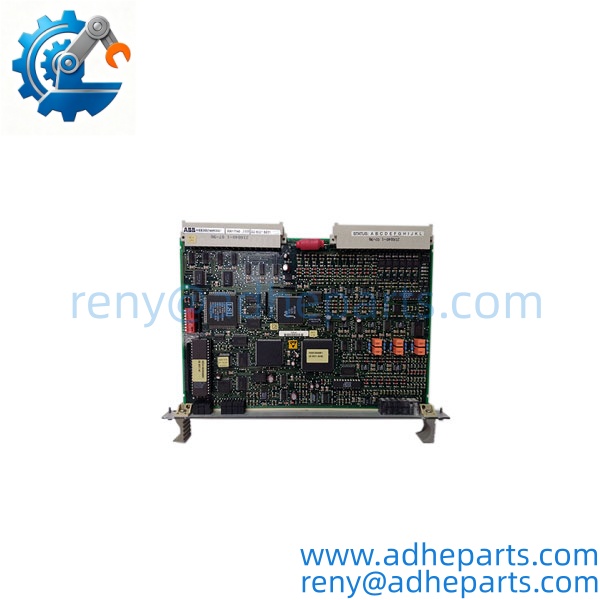
GDB021BE
QC, Procurement & Logistics SOP
- Inbound Verification: Confirm silkscreen marking GDB021BE and trace part HIEE300766R0001. Inspect fiber port condition, solder joints, and edge‑connector gold fingers. Cross‑check hardware revision against site drive bill‑of‑materials; reject units with burn marks or cracked PCB substrate.
- Live Rig Testing: Apply regulated 24 VDC auxiliary supply. Validate optical receiver responsiveness, gate output voltage levels, and fault‑trigger response for short‑circuit simulation. Capture full test log including protection‑trigger timings.
- QA & Anti‑Static Packaging: Place unit inside conductive anti‑static bag. Add foam padding to shield fiber optic ports against mechanical shock. Insert printed bench‑test report inside shipping carton.
- Global Logistics & Export Compliance: Assign correct HS classification for medium‑voltage drive spare PCBs. Use rigid shock‑resistant cartons for air or ocean transit. Populate complete part identifiers on commercial documentation —though customs clearance for power‑electronics spares in some territories can add 2‑4 working days.
Technical Pitfalls & Integration Warnings
- Hardware‑revision mismatch: Installing a GDB021BE of differing hardware revision without firmware cross‑verification can create timing skew on IGCT firing pulses. One real‑world incident saw elevated semiconductor thermal stress and premature stack failure after unvalidated board swap. Always match revision levels to existing power‑stack configuration.
- Contaminated or mis‑aligned fiber‑optic connectors: Scratched or dusty optical ports produce intermittent trigger‑signal drop‑outs. The drive can throw vague over‑current alarms with no logged hardware fault. Clean and inspect fiber ends every time you replace this board.
- Auxiliary‑supply instability: Noisy or sagging 24 VDC auxiliary input will trigger random under‑voltage lockouts. The board itself may test perfectly on bench power supplies yet misbehave under real cabinet conditions. Verify cabinet‑side 24 V ripple before commissioning replacement hardware.
- ESD vulnerability: Gate‑driver PCB components are extremely static‑sensitive. Even invisible ESD damage creates latent intermittent faults that only emerge under full‑load thermal stress. Mandate wrist‑strap and static mat handling for all service work.
Frequently Asked Questions (FAQ)
What lead times apply for urgent breakdown support? Bench‑tested refurbished stock can ship within several business days. Genuine new‑surplus stock is extremely scarce and may require multi‑week component sourcing. Never schedule drive overhaul work without pre‑confirming stock position.
Can GDB021BE be used interchangeably with other ABB IGCT driver variants? No. It is purpose‑built for specific IGCT part numbers within ACS6000 / UNITROL platforms. Cross‑model substitution risks gate‑current mismatch and catastrophic semiconductor damage.
My drive reports persistent gate‑driver faults. Does that guarantee the board is bad? Not always. Fault codes may originate from damaged IGCT devices, defective fiber links, degraded auxiliary power, or loose rack backplane contacts. Complete full peripheral troubleshooting before ordering replacement hardware.
Do refurbished units require on‑site re‑calibration after installation? No hardware calibration adjustment exists for this gate‑driver board. Post‑swap commissioning should include low‑power dry test, followed by gradual ramp‑up to full operating load, monitoring for unexpected fault flags.
Can I repair a failed GDB021BE at component‑level? Some discrete components are replaceable, but critical application‑specific semiconductors are obsolete. Field‑repair carries high risk of latent failure; most heavy‑industry operators prefer pre‑tested exchange stock for unplanned outages.