Description
Note: Many products are not yet listed. Please contact us for more product information. Our supply channels are constantly expanding, and we currently have 20 stable shared supply channels. Please confirm the model, product, price, and all other necessary information with customer service before placing an order. We offer new, refurbished, and used products, and prices are adjusted according to the year of the item you require.
Product Introduction
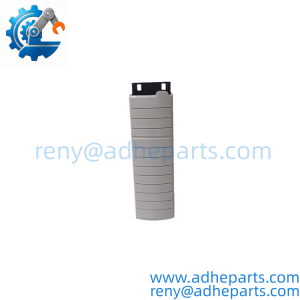
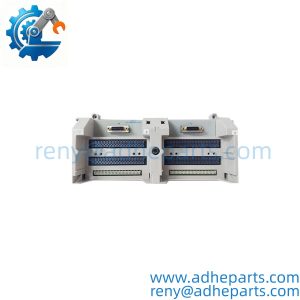
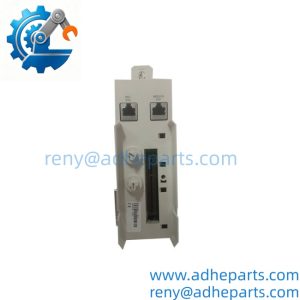
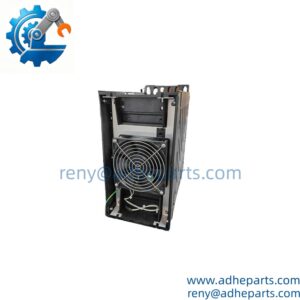
When distributed S800 racks suffer intermittent field‑signal dropout, the root cause often traces back to termination‑unit wiring or ModuleBus continuity. This passive DIN‑rail‑mounted MTU mates with standard S800 analog and digital I/O modules, passing field sensor/actuator wiring through screw terminals while chaining ModuleBus communication to downstream termination units. Two internal 6.3 A fuses protect separate process‑voltage banks; misapplied over‑voltage will blow these fuses without harming the plugged‑in I/O card, —though your mileage may vary if transient surges exceed rated limitsABB.
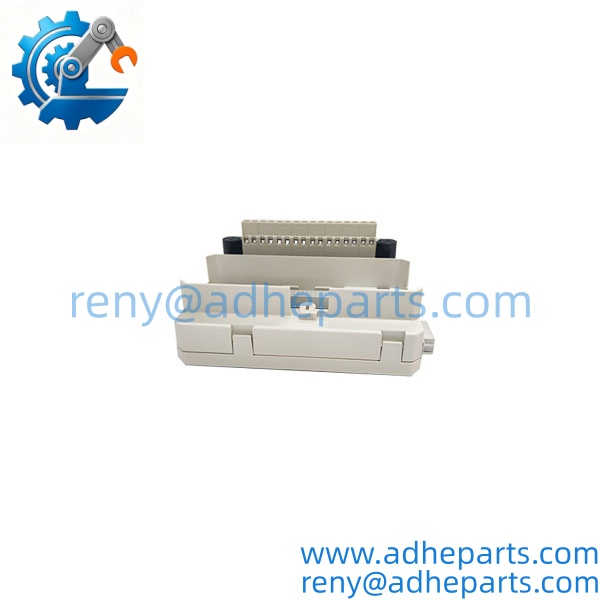
TU830V1
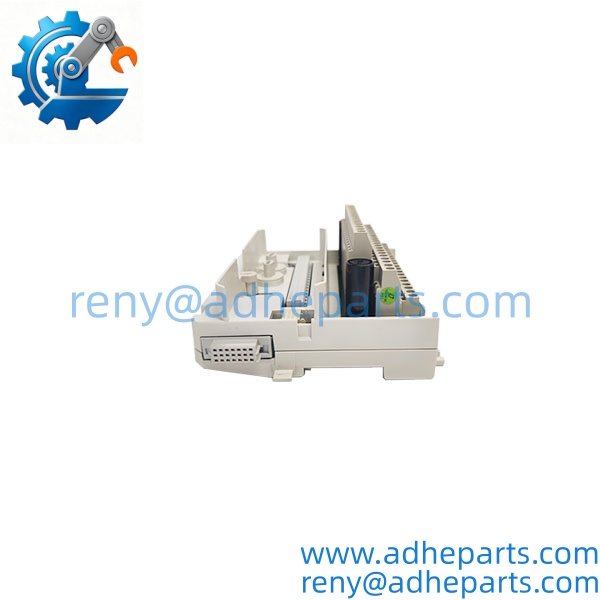
TU830V1
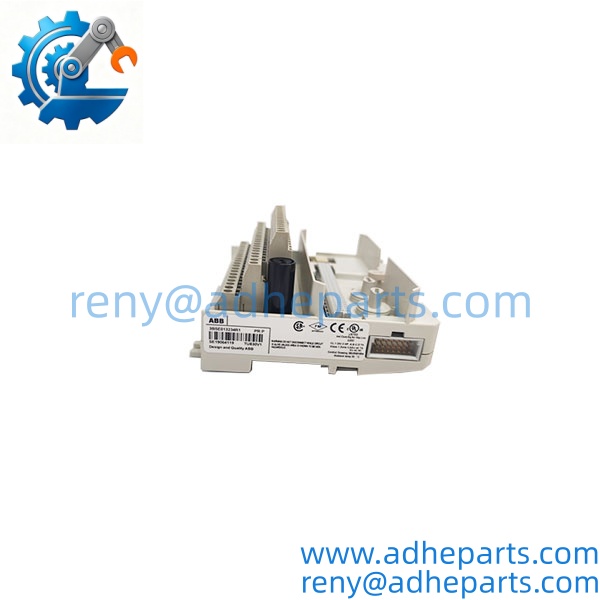
Key Technical Specifications
| Parameter | Value |
|---|---|
| ABB Part Number | 3BSE013234R1ABB |
| Channel Count | 16 I/O signal channels |
| Max Rated Voltage | 50 V |
| Per‑Channel Max Current | 2 A |
| Process‑Voltage Fusing | 2 × 6.3 A isolated fuse groups |
| Bus Interface | ModuleBus pass‑through with address shifting |
| Connection Type | Screw terminal blocks |
| Mounting | DIN‑rail, horizontal or vertical orientation |
| Operating Ambient Temperature | 0 °C … +55 °C |
| Protection Class | IP20 |
| Dimensions (H × W × D) | 110 mm × 126 mm × 64 mm |
| Compatible I/O Modules | AI810, AI830, DI830, DO810, AO810 and other standard S800 I/O cardsABB |
Field Application & Technical Pitfalls (The Engineer’s Guide)
Critical industrial scenarios:
- Continuous chemical‑plant analog input racks handling 4‑20 mA transmitter signals for loop control.
- Power‑utility auxiliary control cabinets using dense S800 digital input / output modules for interlock logic.
- Water‑treatment distributed I/O racks where field wiring runs long distances from instrument cabinets.
Technical pitfalls to avoid
- Improper terminal torque: Tightening screw terminals by hand without a torque driver creates loose connections. The specified torque sits at 0.5 N·m; under‑torque produces random signal flicker in vibration‑prone cabinet environments, while over‑torque cracks terminal plastic near the third terminal block from the left.
- Cross‑mismatch with safety‑rated I/O modules: TU830V1 works for standard S800 hardware only. Safety‑certified I/O modules require dedicated safety MTUs. Well, technically the physical keying will partially seat, but pin assignment does not align and yields erratic or missing process values.
- Over‑voltage on process‑voltage terminals: Do not feed 120 V or 230 V field power into the 50 V‑rated process‑voltage terminals. This blows internal fuses and can carbon‑trace terminal insulation.
Hypothetical field anecdote: A site technician swapped out a DI830 digital‑input module during a planned shutdown, leaving the TU830V1 base installed. He re‑torqued all field wires by feel, skipping torque‑tool checks. Two weeks later, plant vibration loosened three input‑channel terminals. Interlock signals flickered, triggering unplanned partial‑trip of a filter feed pump. Technicians spent two hours tracing intermittent logic faults before discovering the loose screw terminals. No hardware failure occurred, yet unplanned downtime hit critical process operations.
Quality Control (QC) SOP & Transparency
- Inbound Verification: Match physical unit laser‑etched part marking against OEM 3BSE013234R1 reference; inspect screw terminals for stripped threads or cracked plastic housing; cross‑check original OEM packaging for new‑surplus stock, screen for signs of prior field installation.
- Live Rig Testing: Mount unit to S800 test DIN‑rail; mate with reference DI830 I/O module; verify ModuleBus address shifting by chaining a second downstream TU830V1; confirm backplane communication handshakes complete without fault flags.
- Parameter Testing: Perform continuity spot‑checks across every signal terminal path; inspect for internal short‑circuit between channel banks; verify visual continuity of internal fuse paths via ohmmeter.
- Final QA & Packaging: Complete secondary visual inspection for terminal burrs or damage; place unit inside static‑shield anti‑static bag; apply physical QC‑passed sticker stamped with test date; add rigid foam padding for transit shock protection.
Frequently Asked Questions (FAQ)
Q: Can I hot‑swap just the I/O module while leaving TU830V1 powered and wired in‑place? A: Yes. The I/O module itself supports hot‑swap. You must leave the termination unit and all field wiring undisturbed during module exchange. Never remove the TU830V1 base while field voltages remain active.
Q: Will TU830V1 work alongside safety I/O modules such as AI835S? A: No. Physical keying is different and pin assignments do not match. You need the corresponding safety‑grade MTU variant. Verify exact I/O‑module part number before ordering replacement bases.
Q: What warranty coverage applies for units? A: Standard 12‑month warranty covers manufacturing and test‑verified hardware defects. Warranty does not cover blown internal fuses, cracked terminals, or damage caused by over‑voltage and improper field‑wiring practices.
Q: After replacing a termination base, do I need to re‑download controller application logic? A: No. Configuration lives on the controller and I/O module, not inside this passive MTU. Confirm ModuleBus addressing by reading hardware status in System 800xA after physical swap.
Q: How do I tell genuine OEM apart from used or counterfeit copies? A: Authentic units carry crisp laser‑etched part numbers on the housing. Used units often show scratch marks on DIN‑rail mounting clips and terminal screw wear. Counterfeit copies frequently use printed sticker labels instead of permanent laser marking.
Q: One process‑voltage group stops working on my installed . What should I check first? A: Inspect the internal 6.3 A fuse for that voltage bank. Excess field‑side current is the most common failure source. Confirm no wiring shorts exist before fitting replacement fuses. Verify exact load capacity with the OEM datasheet.