Description
Note: Many products are not yet listed. Please contact us for more product information. Our supply channels are constantly expanding, and we currently have 20 stable shared supply channels. Please confirm the model, product, price, and all other necessary information with customer service before placing an order. We offer new, refurbished, and used products, and prices are adjusted according to the year of the item you require.
Key Technical Specifications
| Parameter | Value |
|---|---|
| Form Factor | Half‑height, installs only in dedicated left‑side rack slotsBaker Hugh… |
| Input Variant Options | Universal AC 85‑264VAC; Low‑Voltage DC 20‑30VDC; High‑Voltage DC 88‑140VDC |
| Redundancy Arrangement | Two‑module redundant setup; lower slot = primary, upper slot = backupBaker Hugh… |
| Hot‑Swap Support | Yes; swap one unit without rack shutdown under redundant configurationBaker Hugh… |
| Operating Temperature | ‑30 °C to +65 °C (‑22 °F‑149 °F)ManualsLib |
| Status Indicator | Power‑OK front‑panel LED |
| Certifications | c‑UL‑us, CE, CSA for machinery protection applications |
| Max Load | Single unit can supply full populated 3500 rack |
| Compatibility | Works with all standard 3500 series monitor, RIM and I/O cards |
| Protection Features | Internal over‑voltage, over‑current, short‑circuit protection |
Product Introduction
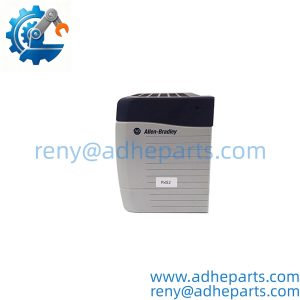
Unlike general‑purpose cabinet power supplies, the 3500/15 is purpose‑built to feed the 3500 TSI backplane, including proximity probe excitation circuits for critical rotating‑asset protection. Wrong input variant selection will take down your entire machine monitoring rack, even when mechanical slot fit looks correct.
Honestly, many plant crews overlook ordering suffix codes. Two units both marked “3500/15” can have completely different allowed input voltage, and dropping the wrong variant in place burns internal circuits within seconds. Always cross‑check the full ordering suffix alongside base model number before installation.
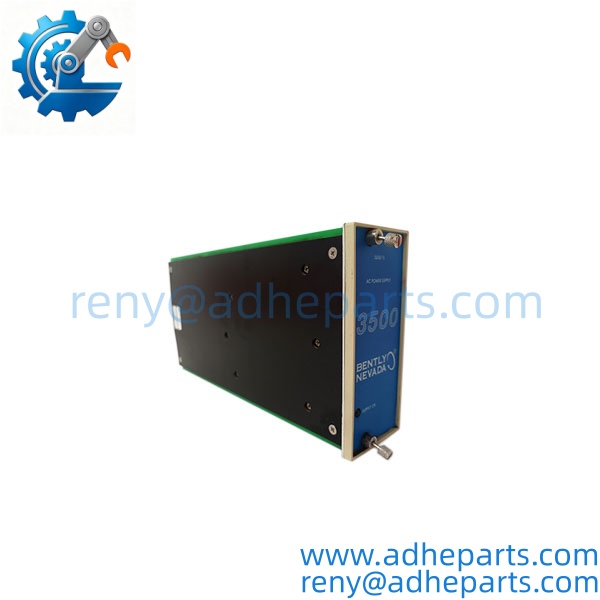
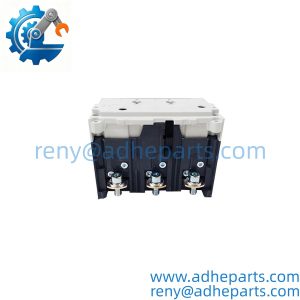
3500-15
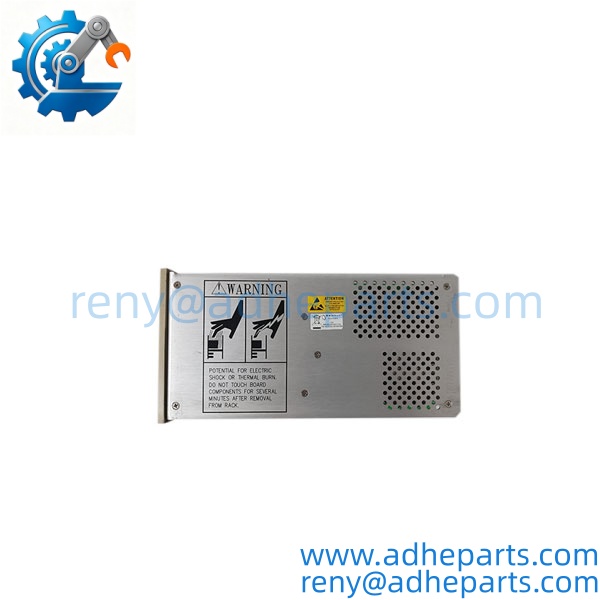
3500-15
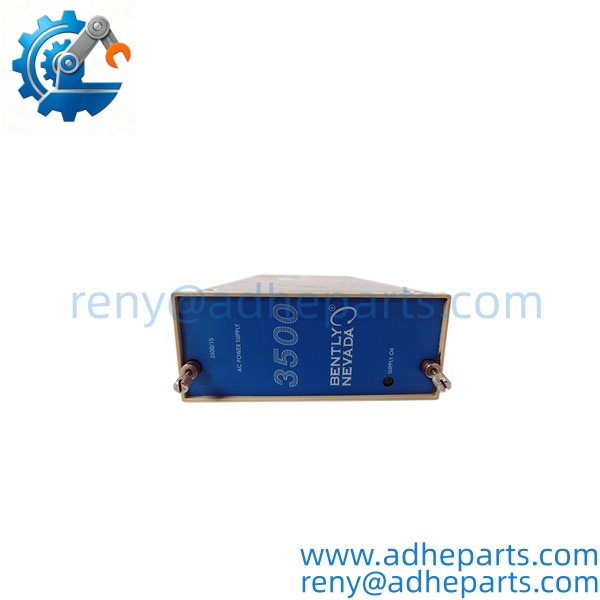
3500-15
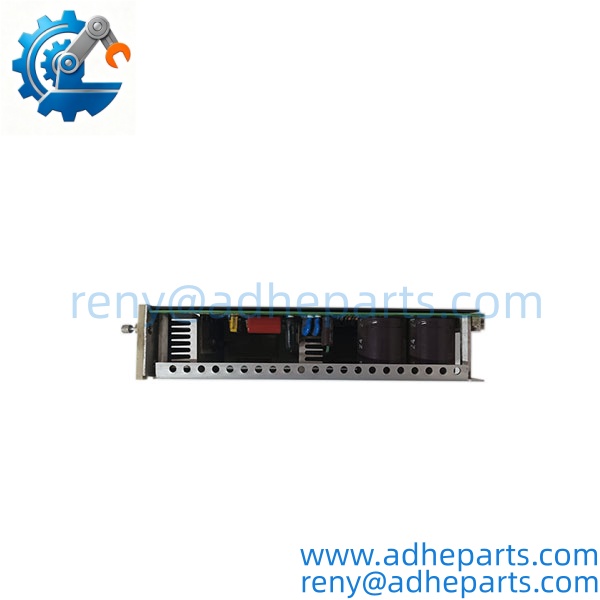
3500-15
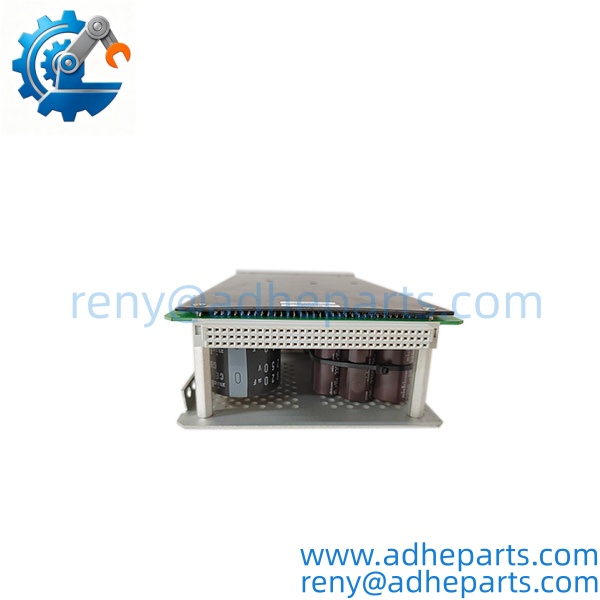
3500-15
QC, Procurement & Logistics SOP
- Inbound Verification: Inspect full nameplate including voltage‑variant suffix codes; capture serial number. Inspect gold backplane edge contacts for scratching or oxidation; examine input terminal screw blocks for stripped threads.
- Live Rig Testing: Seat module inside valid 3500 rack slot; apply correct rated input source. Verify Power‑OK LED status. Run full rack load test; simulate redundancy switch‑over when bench setup permits. Log voltage‑output stability under simulated full‑rack draw.
- QA & Anti‑Static Packaging: Enclose module inside static‑shield bag. Add rigid foam padding to shield edge connector and terminal block. Place printed bench‑test report inside outer carton.
- Global Logistics & Export Compliance: Apply optimized HS code classification to reduce inspection hold‑ups. Carton reinforced for air or sea freight with shock warning labels. Full export documentation prepared, —though customs clearance in the EU might add 2 days.
Technical Pitfalls & Integration Warnings
- Hardware Variant / Input Mismatch: A power plant maintenance team fitted a high‑voltage DC 3500/15 onto a 24VDC field circuit. The unit powered up briefly then suffered internal component failure, dropping the whole turbine protection rack. Never rely only on the base part number; verify full suffix and allowed input voltage before connecting source power.
- Redundancy slot‑position error: Dual‑supply setups demand primary in lower dedicated slot and backup in upper slot. One refinery installed them reversed. During primary source loss, switch‑over never triggered, and the complete TSI rack lost power. Observe rack slot labeling strictly for redundant deploymentsBaker Hugh….
- Wiring / terminal incompatibility: Loose input terminal screws create intermittent voltage drop. A compressor rack would randomly reboot under high‑vibration operating conditions. Technicians spent days troubleshooting monitor boards before finding lightly torqued power‑supply input terminals.
- ESD destruction during unboxing: Internal regulation circuits are static‑sensitive. A technician performing hot‑swap without wrist strap can cause hidden degradation. Unit shows good LED status on bench, yet exhibits voltage sag under full real‑world rack load.
Frequently Asked Questions (FAQ)
Q: What lead times apply sourcing 3500/15 for urgent TSI rack outages? A: Bench‑verified surplus stock can ship within 1‑3 working days. Factory new build lead times shift depending on exact voltage variant suffix; some variants carry multi‑week production cycles.
Q: What shipping and customs considerations apply cross‑border for this TSI power module? A: Air freight fits urgent rotating‑asset protection outages; sea freight works best for scheduled turnaround projects. Complete export documentation is supplied. Some destination sites request machinery‑protection‑related certification records, which may extend local clearance timelines.
Q: Can I hot‑swap 3500/15 while the 3500 TSI rack stays online? A: Hot‑swap functions only when a second redundant power supply is fully operational. If running single‑supply mode, removing the module cuts power to the entire rack and disables all machine protection functions; that creates serious process riskBaker Hugh….
Q: Will any 3500/15 serve as drop‑in replacement for an existing installed unit? A: Physical slot fit is identical across variants, but input voltage ratings differ widely. Match the exact ordering suffix of your original hardware. Mismatched input variant will result in module damage or total rack power loss.
Q: What test work should I complete after installing redundant dual 3500/15 units? A: Manually remove input power to the primary supply and confirm seamless switch‑over; check rack event log for switch‑over messages. Do not assume redundancy works purely from physical installation.
Q: What hidden defects appear commonly on pre‑owned 3500/15 units? A: Age‑related internal capacitor degradation that only appears under full rack load, corroded edge‑connector contacts, and loose internal solder joints triggered by high field vibration. Full loaded bench testing catches most of these conditions.
Q: After fitting surplus 3500/15 hardware, do original system protection certifications remain automatically valid? A: Nameplate markings stay intact on hardware. The end‑user site team holds responsibility for full acceptance testing and verifying variant correctness before returning turbine‑protection functions to online service. Surplus hardware does not include renewed OEM system approval.