Description
Note: Many products are not yet listed. Please contact us for more product information. Our supply channels are constantly expanding, and we currently have 20 stable shared supply channels. Please confirm the model, product, price, and all other necessary information with customer service before placing an order. We offer new, refurbished, and used products, and prices are adjusted according to the year of the item you require.
3. Product Introduction
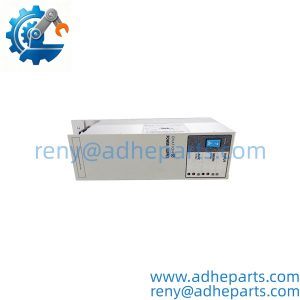
As a DIN-rail AC/DC supply in ABB’s CP-E family, the LWN2660-6EG turns panel AC into a regulated 24 VDC rail for controllers, relays, and sensors. It clips onto a 35 mm rail, takes wide-range AC input, and delivers a 20 A class output. The practical edge is replacement speed when a supply sags under load and the whole cabinet starts dropping modules (—though your mileage may vary depending on ambient temperature and load profile). Verify exact load capacity with the OEM datasheet before you size it.
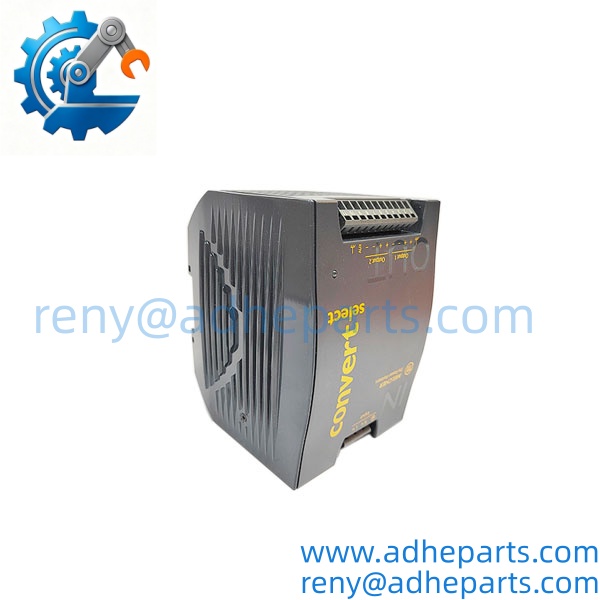
LWN2660-6EG
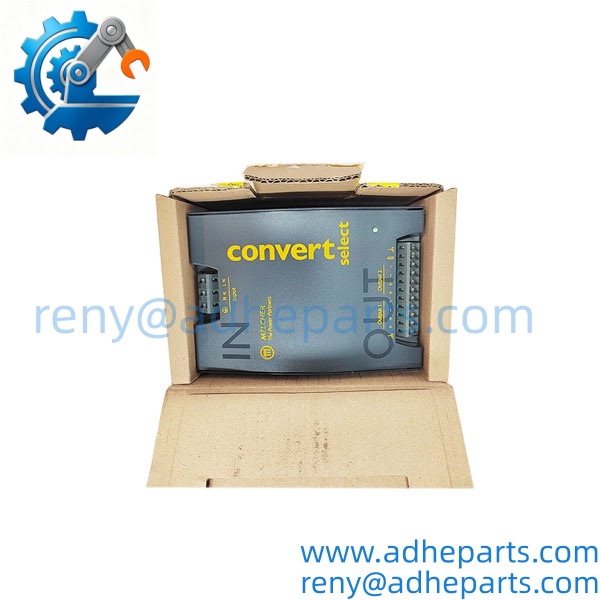
LWN2660-6EG
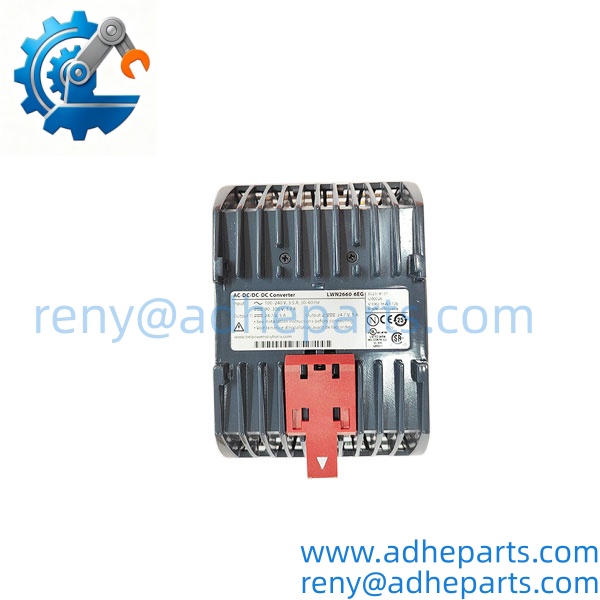
LWN2660-6EG
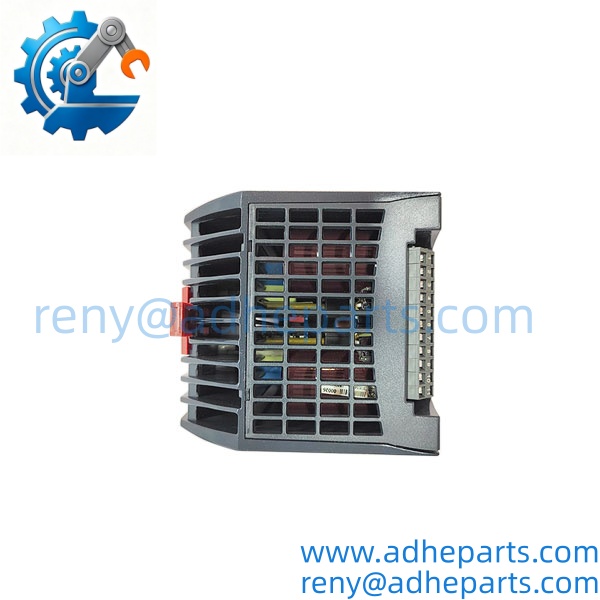
LWN2660-6EG
4. Key Technical Specifications
| Parameter | Value |
|---|---|
| Catalog Number | LWN2660-6EG |
| Brand | ABB |
| Product Type | DIN-rail AC/DC power supply |
| Series | CP-E family — confirm exact series on the label |
| Input Voltage | 100–240 VAC nominal — verify exact range with OEM datasheet |
| Output Voltage | 24 VDC nominal — verify adjustment range with OEM datasheet |
| Output Current | 20 A class — verify exact rating and derating curve |
| Output Power | 480 W class — verify exact rating with OEM datasheet |
| Mounting | 35 mm DIN rail — confirm clip and clearance requirements |
| Cooling | Convection — confirm clearance above and below the unit |
| Load Sharing | Verify redundancy module and sharing method with OEM datasheet |
| Operating Temperature | Verify exact range and derating with OEM datasheet |
5. Field Application & Technical Pitfalls (The Engineer’s Guide)
Where this supply is critical:
- Control cabinets feeding 24 VDC relays, pilot devices, and interface modules where a sag trips half the panel.
- Process skids with solenoid banks and small drives that pull hard during pickup.
- Redundant DC bus arrangements where two supplies share load through a redundancy module and one must carry the panel after a failure.
Three pitfalls that bite during replacement:
- Input breaker coordination and inrush. Warning: a replacement supply with a different inrush profile can nuisance-trip the upstream breaker on energize. Check the breaker curve and the supply’s inrush rating before you power up. A supply that starts fine on the bench can trip a 10 A breaker in the cabinet.
- Output voltage trim and load sharing. Warning: do not crank the trim pot to “compensate” for voltage drop without measuring at the load. A few tenths of a volt high at the terminals becomes overvoltage at a sensor on a short run. In redundant pairs, match the output settings and confirm sharing after power-up.
- Ambient derating, DIN clip, and ventilation. Warning: the 20 A rating assumes a specific ambient and mounting clearance. A supply crammed against wire duct in a hot cabinet derates fast. Confirm the clip is fully engaged on the rail, and leave the clearance the datasheet calls for above and below the unit.
Lesson learned: A technician replaced a failed supply, set the trim to 26.5 V to “cover” a long run, and watched a 24 V solenoid bank run hot for a week. Root cause — nobody measured at the load, and the elevated rail pushed the coils past their rating. The supply was good; the trim was not. One coil failure later, the work order gained a load-end voltage check.
6. Quality Control (QC) SOP & Transparency
- Inbound Verification. Each supply is checked against the OEM packing list, label typography, serial number format, and date-code range. Input range and output rating are logged before the unit enters stock.
- Live Rig Testing. The supply is mounted on a bench fixture with a variable AC source and a resistive load bank. We power on at nominal input, confirm the 24 VDC output, and run it under load while logging voltage and ripple.
- Parameter Testing. Output voltage regulation, ripple, input current draw, and insulation resistance are checked against the OEM datasheet where published. Undocumented values are flagged for buyer confirmation rather than guessed.
- Final QA & Packaging. The supply ships in a protective bag with a QC-passed label, a test record showing the output voltage and load we verified, and photos of the terminal layout and DIN clip when available.
7. Frequently Asked Questions (FAQ)
Can I hot-swap this supply in a live cabinet? No. Remove input power and confirm the DC bus is discharged before replacement. Live swapping can arc the input terminals or drop the 24 VDC rail to every module on the panel.
How do I confirm it matches my panel? Send the old label photo, input voltage, load list, ambient temperature, and a picture of the DIN rail space. We cross-check the catalog number and test record before shipping. Exact fit still depends on the OEM datasheet for derating and clearance.
What’s the warranty? 12 months from delivery for functional failure under normal operation. Fuses and other consumables carry a 90-day replacement guarantee.
How can I tell genuine OEM from refurbished? Genuine units carry the original ABB label with consistent typography and a traceable serial number. Refurbished units carry our QC tag in addition to the OEM label, and we disclose condition on the quote.
Will it work in a redundant pair? Only with the correct redundancy module and matched output settings. Send us the partner supply details and the sharing scheme, and we will confirm what we can before shipment.
Does it include the DIN clip? The clip is normally included, but check the quote. Confirm rail type and clearance before mounting (the clip is usually included, but verify).
What do you need to quote the right replacement? Old label photo, input voltage, load list, ambient temperature, and DIN rail space. That five-minute upload prevents most wrong-part returns.