Description
Note: Many products are not yet listed. Please contact us for more product information. Our supply channels are constantly expanding, and we currently have 20 stable shared supply channels. Please confirm the model, product, price, and all other necessary information with customer service before placing an order. We offer new, refurbished, and used products, and prices are adjusted according to the year of the item you require.
Key Technical Specifications
| Parameter | Value |
|---|---|
| Full part identifier | HVC‑02B, 3HNA024966‑001 |
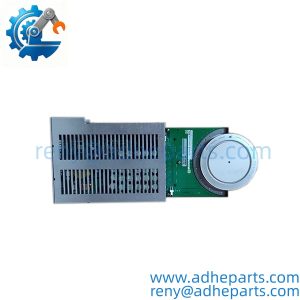
| Compatible robot systems | ABB IRC5 paint robot controller, IRB 5400 series painting robots |
| Auxiliary supply | 24 VDC control power |
| Main high‑voltage output | Adjustable electrostatic high voltage for rotary atomizers |
| Communication interface | CAN‑bus for IRC5 robot system interaction |
| Integrated protection | Over‑voltage, over‑current, leakage‑current detection, short‑circuit interlock with immediate HV cut‑off |
| Operating ambient temperature | 0 °C to +55 °C (paint cabinet environment) |
| Storage temperature | ‑20 °C to +70 °C |
| Mounting | Compact cabinet DIN‑mount assembly |
| Approximate weight | 1.1 kg |
Product Introduction (Anti‑Template Hook‑A)
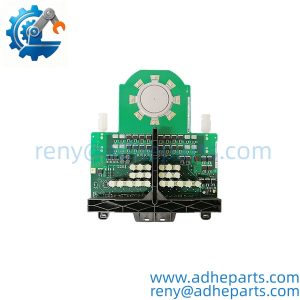
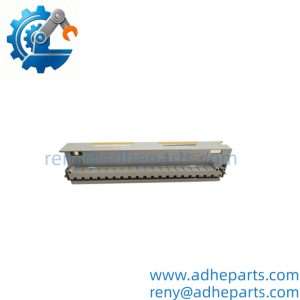
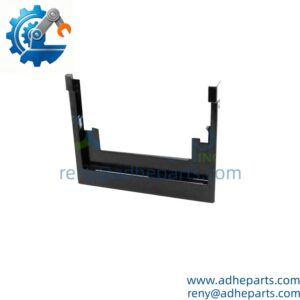
When an automotive coating line loses electrostatic high‑voltage and paint transfer efficiency collapses during production runs, the HVC‑02B is one of the first suspect components for paint‑robot maintenance crews. It delivers the controlled high‑potential supply required for electrostatic atomizers, continuously monitoring leakage and fault conditions while reporting status back to the IRC5 robot controller.
Original production has been superseded by the HVC‑02C variant. Major automotive finish plants keep spares on‑site to avoid multi‑hour production downtime. Honestly, many field fault events trace back to contaminated HV cables or atomizer issues instead of internal module hardware damage.
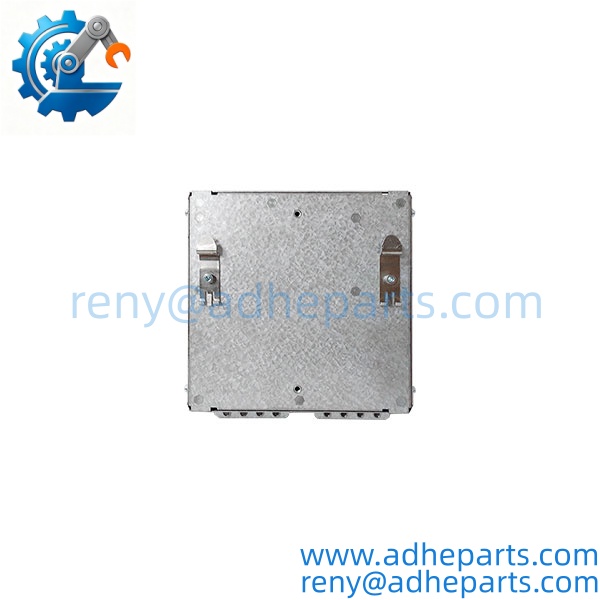
HVC‑02B
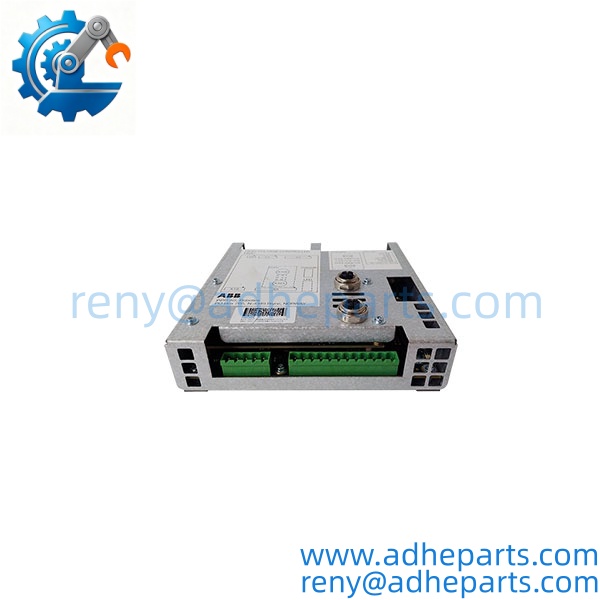
HVC‑02B
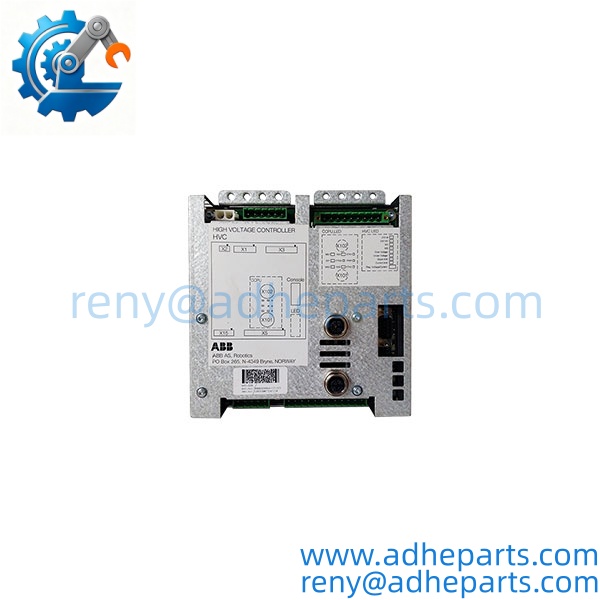
HVC‑02B
QC, Procurement & Logistics SOP
- Inbound Verification: Confirm silkscreen marking HVC‑02B and part number 3HNA024966‑001. Inspect HV output connector, CAN‑bus terminal, and 24 VDC power terminals for corrosion or burning. Cross‑reference hardware revision against the robot system bill‑of‑materials; HVC‑02C is not a plug‑and‑play drop‑in replacement for HVC‑02B units.
- Live‑bench Testing: Apply 24 VDC auxiliary power; validate power‑on self‑test sequence. Simulate CAN‑bus communication handshake, verify high‑voltage ramp‑up behavior, trigger leakage‑fault interlock to confirm fast HV shutdown function. Archive full test log.
- QA & Anti‑Static Packaging: Enclose module inside static‑shield bag; add foam padding to protect high‑voltage connector pins. Insert printed bench‑test summary inside shipping carton.
- Global Logistics Compliance: Use shock‑absorbent packaging for transit. List full part identifier on commercial documentation —though customs clearance for robot spare parts in manufacturing‑heavy jurisdictions may add 2‑4 working‑day lead‑time.
Technical Pitfalls & Integration Warnings
- Hardware‑revision and successor‑model misapplication: Installing HVC‑02C in place of HVC‑02B without robot controller software parameter modification causes communication mismatch and electrostatic function failure. One real‑world incident saw maintenance swap units directly; the paint line stayed offline half a shift while robot configuration parameters were re‑edited. Always match part number and revision, or complete full software re‑tuning when migrating to HVC‑02C.
- Degraded high‑voltage cabling misdiagnosed as module failure: Cracked, contaminated, or worn HV cables create leakage‑fault alarms. Technicians often condemn the HVC‑02B module when the root cause lies in wiring or atomizer insulator contamination. Always inspect HV cables and atomizer assemblies before condemning the controller unit.
- Improper grounding and cabinet environmental exposure: Paint‑mist residue accumulation inside the module housing creates tracking‑current leakage, triggering intermittent high‑voltage trips. This damage frequently occurs in poorly ventilated paint booth auxiliary cabinets. Keep mounting enclosure clean of overspray residue.
- ESD vulnerability during service: Internal high‑voltage control electronics are static‑sensitive. Performing connector work without proper static‑grounding can create latent damage. The unit can pass power‑on self‑test yet show random leakage trips only under full‑load production thermal conditions. Mandate static‑control procedures for all service work.
Frequently Asked Questions
What lead times apply for urgent production‑line breakdown support? Bench‑tested refurbished stock can ship within several business days. New‑surplus stock is extremely scarce. Never schedule paint‑robot downtime without formal stock confirmation.
Can HVC‑02B hot‑swap while the robot cabinet remains powered? No. De‑energize both 24 VDC control supply and isolate high‑voltage paths before connector removal. Hot‑plugging risks CAN‑bus transceiver destruction and potential high‑voltage hazard for service personnel.
Will HVC‑02C work as direct drop‑in replacement for HVC‑02B? Physically connectors fit, but robot controller IPS software parameters must be re‑configured; it is not true plug‑and‑play substitution.
What typical symptoms indicate a failing HVC‑02B? Intermittent electrostatic high‑voltage drop‑outs, robot fault codes for HV‑leakage, unstable paint transfer efficiency, failure to ramp high‑voltage setpoint. Always rule out HV cables, atomizer insulators and grounding first before replacing the module.
Do refurbished units require on‑site re‑calibration after installation? After mechanical installation, high‑voltage setpoint and leakage thresholds must be verified via robot teach‑pendant. Full process tuning for atomizer application parameters is required as part of commissioning.
Can HVC‑02B be deployed with non‑ABB paint‑robot hardware? No, it is purpose‑built for ABB IRC5 paint‑robot architecture; CAN‑bus protocol is robot‑specific and will not interoperate with third‑party robot controllers.
今天 15:34
What is the function of ABB HVC-02B?
Can ABB HVC-02B be used in other industries besides painting?
Where can I buy a genuine ABB HVC-02B?