Description
Note: Many products are not yet listed. Please contact us for more product information. Our supply channels are constantly expanding, and we currently have 20 stable shared supply channels. Please confirm the model, product, price, and all other necessary information with customer service before placing an order. We offer new, refurbished, and used products, and prices are adjusted according to the year of the item you require.
3. Product Introduction
When an ABB drive faults on a control or gate path and the OEM lead time outruns the outage window, a bench-tested board is the practical fix. The SCYC51020 / 58052582G is a field-replaceable board from ABB’s SCYC family, built to carry the control or gate-interface role assigned to its slot in the host assembly. Confirm the host drive model, revision letter, and connector keying against the OEM datasheet before ordering — board-level fit is not the same as functional fit (—though your mileage may vary depending on the host revision).
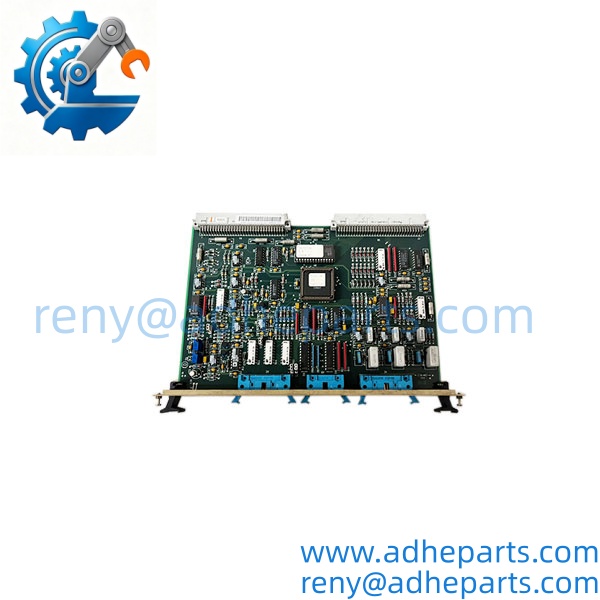
SCYC51020 58052582G
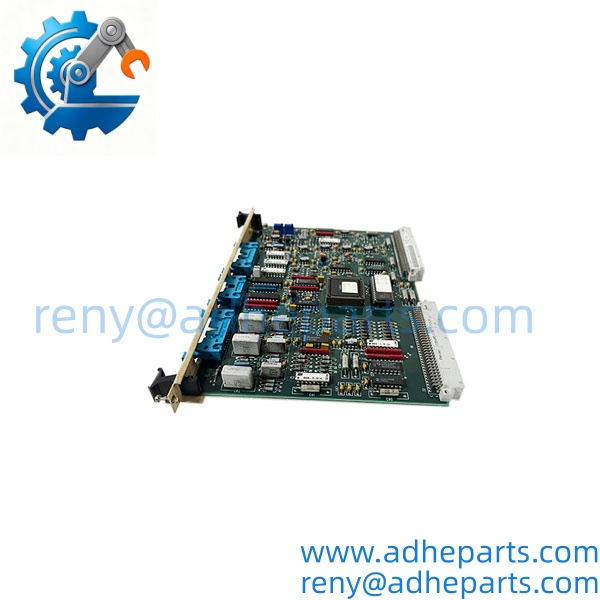
SCYC51020 58052582G
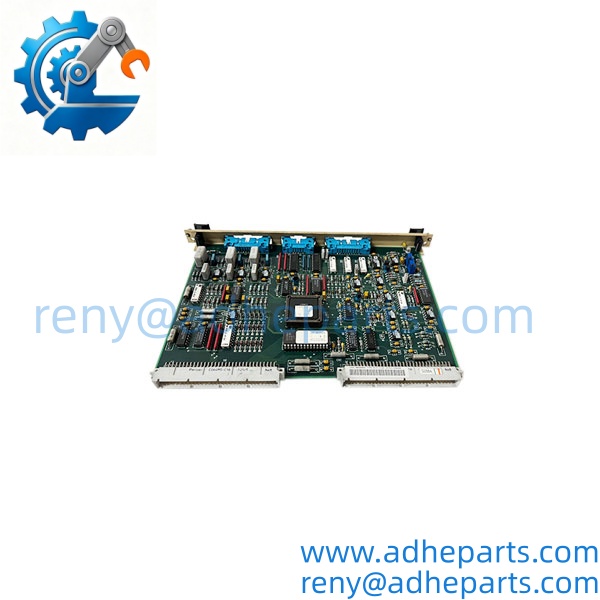
SCYC51020 58052582G
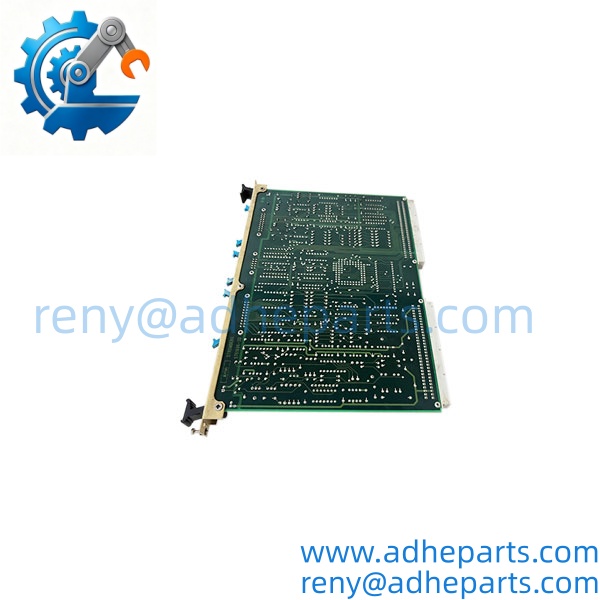
SCYC51020 58052582G
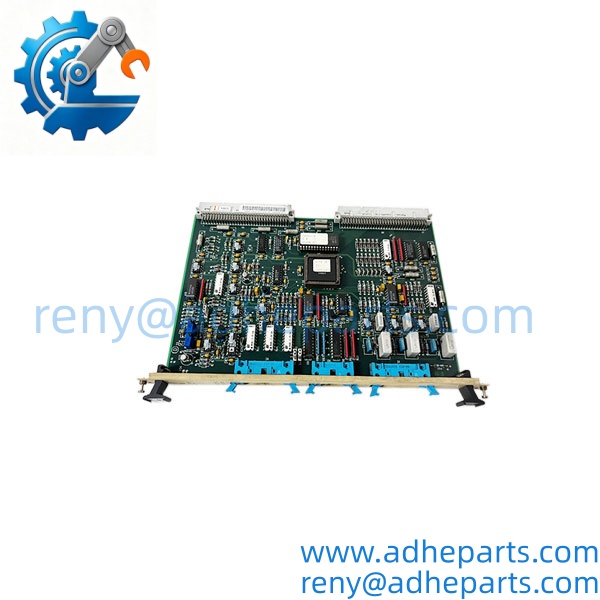
SCYC51020 58052582G
4. Key Technical Specifications
| Parameter | Value |
|---|---|
| Catalog / Order Code | SCYC51020 / 58052582G |
| Brand | ABB |
| Product Type | Legacy control / gate-interface board |
| Host Platform | ABB drive or converter assembly — confirm model and slot position |
| Revision Marking | “G” build — match to the old board and host revision set |
| Supply Rails | Verify exact voltages and tolerances with OEM datasheet |
| Connector Type | Edge or ribbon connector — verify pinout against OEM drawing |
| Firmware / EPROM Set | Revision-dependent — confirm chip labels against old board |
| Isolation | Verify board-to-backplane and channel isolation with OEM datasheet |
| Operating Temperature | Verify exact range with OEM datasheet |
| Condition | New Surplus or Refurbished |
| Warranty | 12 months |
5. Field Application & Technical Pitfalls (The Engineer’s Guide)
Where this board is critical:
- DC drive cabinets on paper and converting lines where a control-board fault stops the line and the mechanical side still runs fine.
- Extruder and wire-drawing drives kept on a run-to-failure plan because a controls migration is a capital project, not a maintenance order.
- Legacy ABB converter panels in water and wastewater plants where a board swap is faster than a cabinet replacement.
Three pitfalls that bite during replacement:
- Revision letter and EPROM mismatch. Warning: the “G” on the order code is not decoration. A board built to a different revision can seat cleanly and still fault on power-up because the EPROM set or trace-level change does not match your host. Read the chip labels on the old board, not just the sticker.
- Jumper block and connector keying. Warning: replacement boards often ship at factory defaults. Copy the jumper positions from the old board before you pull it — the header near the right-hand edge is the one people miss. Confirm the connector keying, because a forced ribbon header bends pins and creates an intermittent fault that looks like a bad board.
- Residual DC bus charge and ESD. Warning: drive bus capacitors hold a lethal charge well after the disconnect opens. Wait for the DC bus indicator to go dark and meter the bus before touching the card rack. Then ground yourself; the edge connector is static-sensitive, and a zapped board looks exactly like a dead spare.
Lesson learned: A technician swapped a faulted board for a shelf spare, powered up, and got an immediate overcurrent trip at zero reference. Root cause — a single jumper moved from the 2–3 position to 1–2, changing the feedback scaling. The spare was good; the configuration was not. Thirty minutes of production lost to a photo nobody took.
6. Quality Control (QC) SOP & Transparency
- Inbound Verification. Each board is checked against the OEM packing list, label typography, order code, revision letter, serial number format, and date-code range. Chip markings are logged before the unit enters stock.
- Live Rig Testing. The board is seated in a compatible ABB drive test fixture, powered on, and allowed to complete self-test. Control and feedback paths are exercised where the fixture supports them, and any fault codes are recorded.
- Parameter Testing. Supply rail voltages, connector continuity, jumper header integrity, and isolation are checked against the OEM datasheet where published. Undocumented values are flagged for buyer confirmation rather than guessed.
- Final QA & Packaging. The board ships in an anti-static bag with a QC-passed label, a test record showing the revision we verified, and photos of the jumper configuration when available.
7. Frequently Asked Questions (FAQ)
Can I swap this board with the drive energized? No. Open the disconnect, wait for the DC bus to discharge, meter it, and only then pull the board. The bus holds a dangerous charge long after the indicator lamp fades.
How do I confirm it matches my drive? Send the drive catalog number, frame size, slot position, the revision letter on the old board, and photos of the chip labels and jumper block. We cross-check the order code and test record before shipping. Exact fit still depends on your frame’s OEM manual.
What’s the warranty? 12 months from delivery for functional failure under normal operation. Fuses, batteries, and other consumables carry a 90-day replacement guarantee.
How can I tell genuine OEM from refurbished? Genuine boards carry the original ABB label with consistent typography and a traceable serial number. Refurbished units carry our QC tag in addition to the OEM label, and we disclose condition on the quote.
Does it come with the EPROM chips installed? Yes, unless you specify otherwise. Tell us the chip revision from your old board and we will confirm what is installed before shipment.
Will I need to retune the drive after the swap? Possibly. If the replacement matches revision and jumper configuration, stored parameters usually carry over. If the board carries parameter storage, expect to reload from your backup.
What do you need to quote the right replacement? Drive catalog number, frame size, old board revision letter, and photos of the label, chip set, and jumper block. That five-minute upload prevents most wrong-part returns.