Description
Note: Many products are not yet listed. Please contact us for more product information. Our supply channels are constantly expanding, and we currently have 20 stable shared supply channels. Please confirm the model, product, price, and all other necessary information with customer service before placing an order. We offer new, refurbished, and used products, and prices are adjusted according to the year of the item you require.
Key Technical Specifications
| Parameter | Value |
|---|---|
| Nominal Power Input | 19.2‑30 VDC, back‑baseplate powered |
| Serial Interfaces | 3 × optically‑isolated RS‑232 / RS‑485 configurable ports |
| On‑Board Memory | 32 MB Flash, internal SDRAM message buffering |
| Redundancy Mode | Dual‑redundant hot‑standby when paired on matching CM baseplate |
| Supported Protocols | Modbus RTU, custom host link for TriStation tool access |
| Operating Temperature | 0 °C to 60 °C (32 °F‑140 °F) |
| Status Feedback | Module health LED, per‑port link activity indicators |
| Safety Certification | TÜV SIL 3 for Trident system architecture |
| Compatible Chassis | Trident and Tri‑GP rack hardware |
| Lifecycle Status | End‑of‑production, spare‑part‑only supply |
Product Introduction
Operating as the backbone of the Trident SIS platform, the 3201 moves safety‑critical event data and host commands between the triple‑modular‑redundant logic solver and outside automation layers. It does not execute safety logic itself, but bad communication hardware can still block alarm reporting and host intervention during plant upset conditions.
Honestly, many site engineers misjudge baseplate compatibility. A module can power‑on without faults, yet fail redundant hot‑standby operation if seated into a non‑matching older base assembly. Always cross‑verify baseplate part number alongside the module during replacement planning.
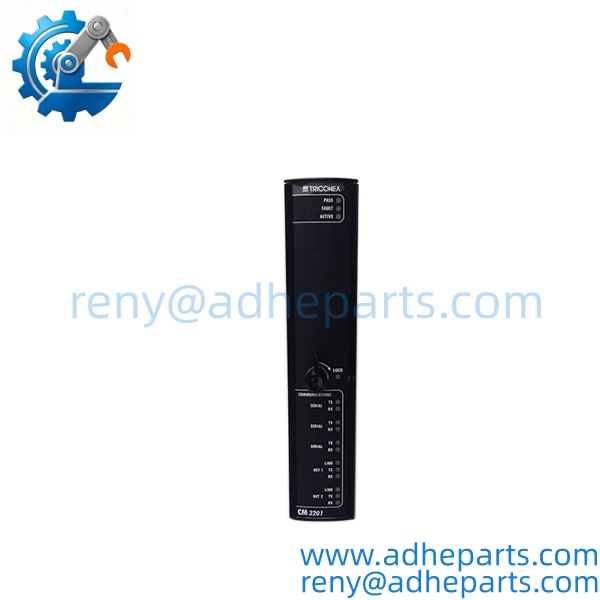
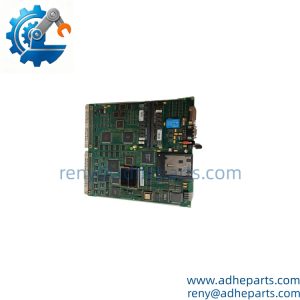
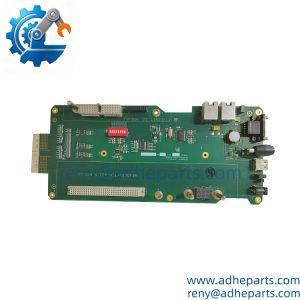
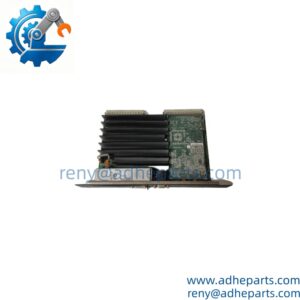
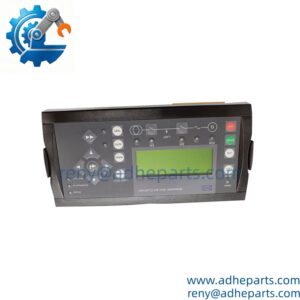
Triconex 3201
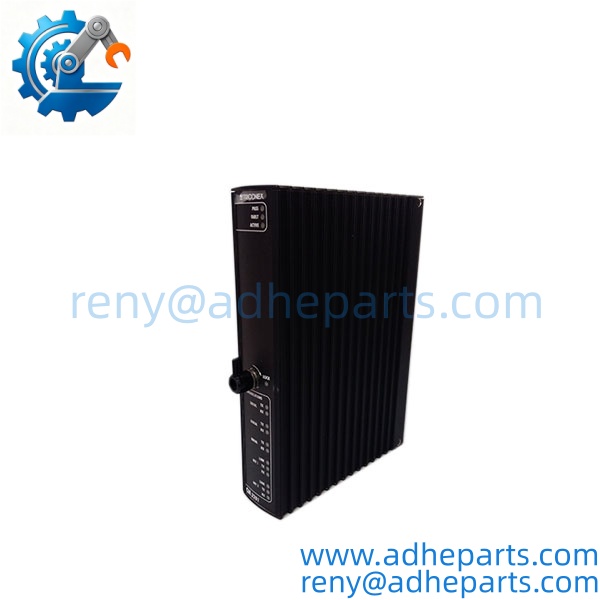
Triconex 3201
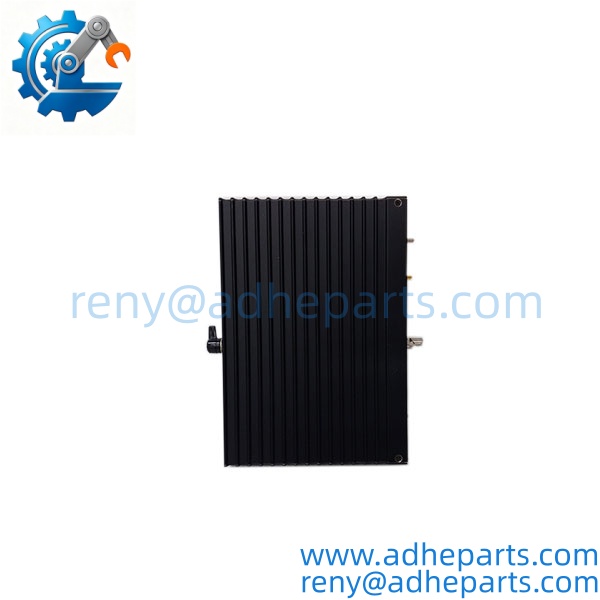
Triconex 3201
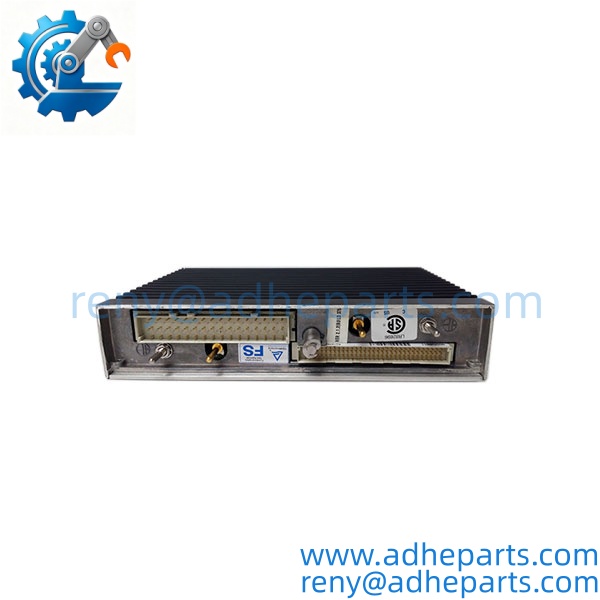
Triconex 3201
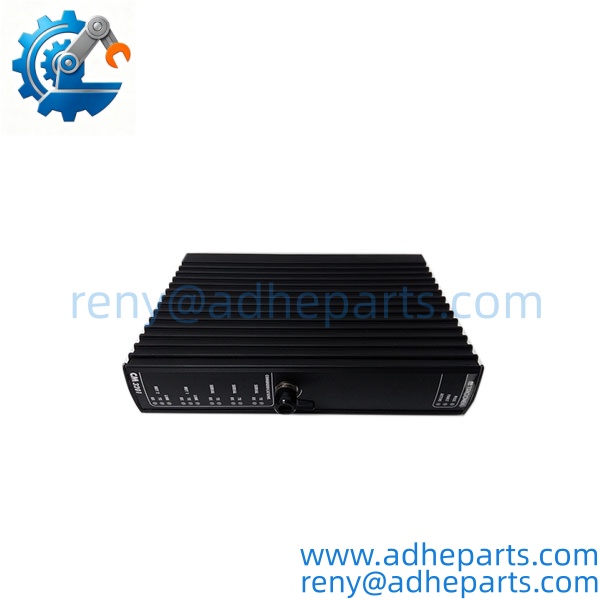
Triconex 3201
QC, Procurement & Logistics SOP
- Inbound Verification: Compare physical nameplate engraving against catalog number; capture serial number and hardware revision. Inspect serial port screw terminals for bent pins or corrosion; confirm no physical damage to edge connector gold contacts.
- Live Rig Testing: Install onto qualified Trident baseplate, apply rack power. Confirm LED boot‑up sequence, read hardware revision, validate port configuration switching between RS‑232 and RS‑485, run Modbus RTU loopback test for each channel. Document all port‑level diagnostics.
- QA & Anti‑Static Packaging: Place module inside static‑shield bag. Use custom foam padding to protect edge connector and terminal interfaces. Enclose printed bench‑test summary sheet inside outer carton.
- Global Logistics & Export Compliance: Apply optimized HS code classification to reduce inspection hold‑ups. Carton reinforced for air or sea freight with shock warning labels. Full export documentation prepared, —though customs clearance in the EU might add 2 days.
Technical Pitfalls & Integration Warnings
- Firmware Rev Mismatch: A refinery maintenance team fitted a 3201 running older firmware into an existing dual‑redundant pair. Primary‑to‑standby handover triggered complete Modbus message drop‑out to DCS, even though individual modules passed power‑on self‑test. Both communication modules must carry identical firmware revision for redundant deployment.
- Configuration file loss risk: Serial port baud‑rate, parity, and protocol mode live inside module non‑volatile memory. A technician installed surplus hardware without resetting stored port settings; existing host links would never sync, creating total loss of SIS‑to‑DCS data exchange. Re‑apply exact port parameters after every hardware swap.
- Wiring/Terminal incompatibility: RS‑485 trunk segments need proper end‑of‑line termination. One chemical unit saw sporadic corrupted Modbus telegrams after swap; technicians omitted field‑side termination resistors, causing signal reflection across long cable runs.
- ESD destruction during unboxing: Isolated serial transceivers remain ESD‑sensitive. A technician handling hardware inside energized cabinet without grounding caused latent harm. Unit showed stable idle status, but dropped heavy burst message traffic during real safety‑event conditions.
Frequently Asked Questions (FAQ)
Q: What lead times apply when sourcing Triconex 3201 for SIS outage mitigation? A: Bench‑verified surplus stock can ship within 1‑3 working days. No new factory production runs exist; all available hardware draws from new‑old‑stock or pre‑qualified pre‑owned pools.
Q: What shipping and customs considerations apply cross‑border for this SIS communication module? A: Air freight fits urgent safety‑system outage scenarios; sea freight works for scheduled turnaround projects. Complete export documentation is supplied. Some destination jurisdictions request safety‑related certification paperwork, which may extend local clearance timelines.
Q: Can I hot‑swap Triconex 3201 while the Trident SIS rack remains online? A: Hot‑swap is mechanically supported on valid baseplate hardware. If operating in single‑module (non‑redundant) mode, all host communication links will drop for the duration of swap. Safety logic solver itself keeps running, but DCS and HMI lose visibility during replacement work.
Q: Will 3201 work as drop‑in upgrade for earlier‑generation Trident communication cards? A: Physical baseplate fit is conditional. Older baseplate hardware may not support dual‑redundant hot‑standby functions. You must validate baseplate part number, firmware compatibility, and port pin‑out mapping before commissioning; do not rely purely on slot mechanical fit.
Q: Does this module run SIS safety logic routines? A: No. The 3201 handles external communication traffic only. All safety voting and trip logic executes on the main Trident processor modules. Communication hardware faults cannot trigger unsafe process states by themselves, yet they remove operator visibility of safety‑system events.
Q: What hidden defects appear commonly on pre‑owned Triconex 3201 units? A: Degraded serial‑port transceiver circuits that only fail under high message load, worn gold edge‑connector contacts, and outdated firmware with known protocol‑handling bugs. Multi‑port loopback bench testing catches most of these risks.
Q: After installing surplus 3201 hardware, do original SIL 3 certifications stay automatically valid for site use? A: Nameplate markings remain on hardware, but end‑user site safety review bears responsibility. Surplus hardware does not come with renewed OEM safety approval; full site acceptance testing must be completed before returning the SIS to online operation.