Description
Note: Many products are not yet listed. Please contact us for more product information. Our supply channels are constantly expanding, and we currently have 20 stable shared supply channels. Please confirm the model, product, price, and all other necessary information with customer service before placing an order. We offer new, refurbished, and used products, and prices are adjusted according to the year of the item you require.
Product Introduction
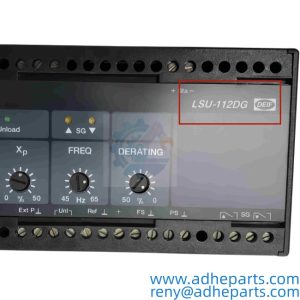
When paralleled generators fail to sync correctly, out-of-phase breaker closure can inflict catastrophic damage to alternator windings and buswork. This DSLC unit handles automatic synchronizing, voltage matching, and balanced load distribution between multiple prime movers.
Well, technically it can communicate with other DSLC and MSLC hardware over LonWorks, but network termination must be set correctly on the final device, —though your mileage may vary depending on CT wiring polarity and burden resistance across the current transformers.
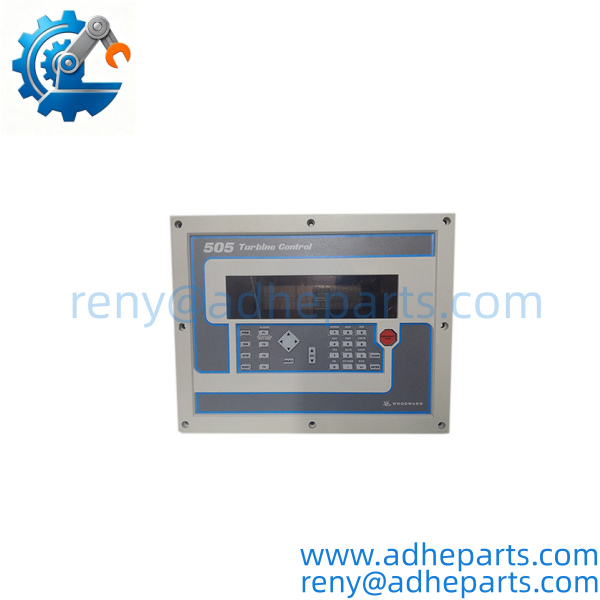
9907-167
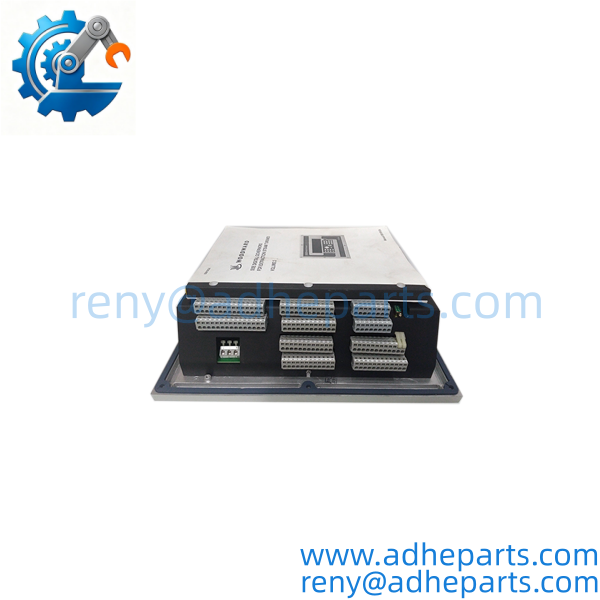
9907-167
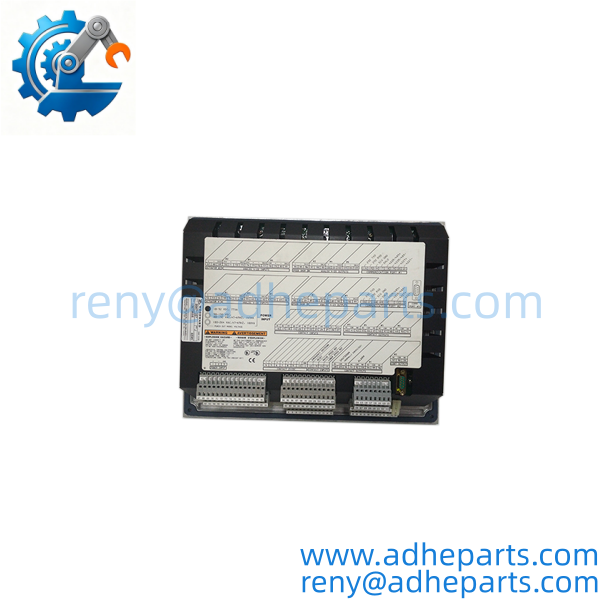
9907-167
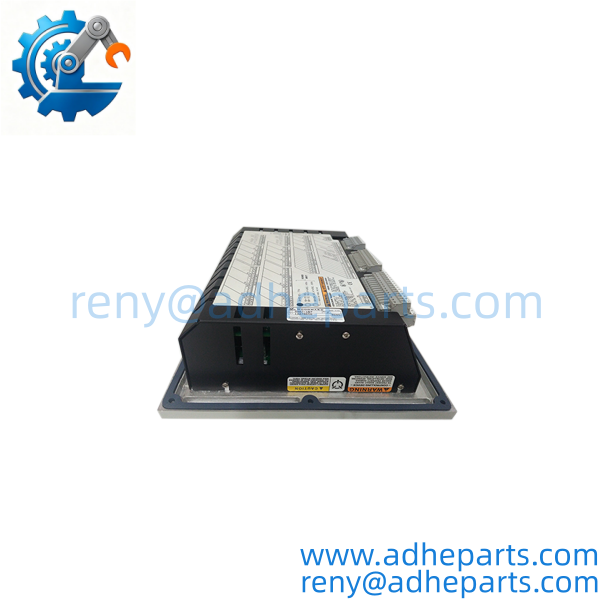
9907-167
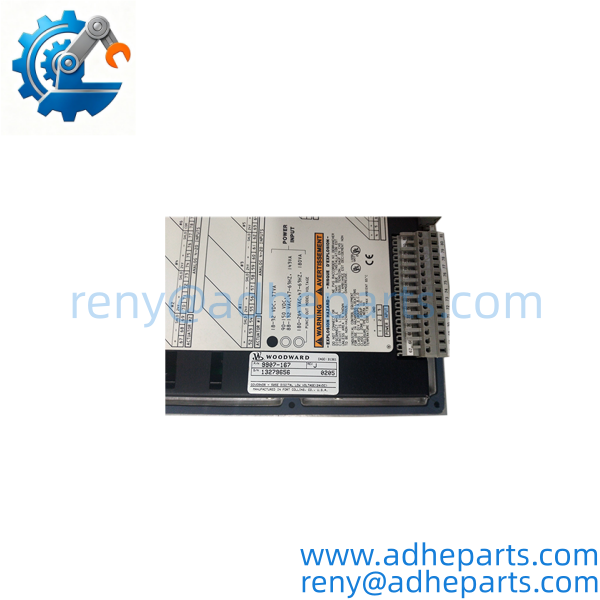
9907-167
Key Technical Specifications
| Parameter | Value |
|---|---|
| Product Family | DSLC Digital Synchronizer and Load Control |
| Power Supply | 18–32 VDC nominal (24 VDC typical) |
| PT Voltage Input | Configurable 100–120 VAC / 200–240 VAC |
| CT Current Input | 1 A or 5 A secondary rated |
| Inter-module Network | Echelon LonWorks |
| Core Functions | Auto synchronizing, real & reactive load sharing, import/export control |
| Compatible Governors | 2301A, 723, 505 and other Woodward speed bias controls |
| Mounting | Panel mount or DIN rail |
| Operating Temperature | -40 °C to +70 °C |
| Relative Humidity | 5%–95% non-condensing |
| Diagnostics | Onboard fault logging, breaker status monitoring |
Field Application & Technical Pitfalls (The Engineer’s Guide)
Critical Industrial Scenarios
- Cogeneration plants: synchronizes multiple gas or diesel gensets to the utility grid and maintains balanced load when grid tie or island mode shifts occur.
- Industrial microgrids: manages parallel generator sets for refineries, chemical plants, and off-grid sites where stable power cannot rely on external utility supply.
- Marine power systems: coordinates onboard generator paralleling for vessel auxiliary power during variable load and sea state conditions.
Technical Pitfalls (Bold Warnings)
- Reversed CT or PT wiring polarity: Incorrect transformer wiring flips power direction readings. The controller will misallocate kW and kVAR load between units, triggering heavy load hunting even if synchronization succeeds. Verify wiring at the third terminal block from the controller edge before commissioning.
- LonWorks bus missing termination resistor: Unterminated network wiring creates corrupted inter-controller messages, causing random load transfer instability between DSLC units. Terminate only at the two physical endpoints of the LonWorks trunk.
- Mismatched governor bias signal scaling: If the DSLC output signal range does not match the paired speed governor’s analog input range, load sharing will never settle to stable setpoints, leading to constant power swing between generators.
Lesson-Learned Anecdote One cogeneration facility installed a replacement 9907-167 during a weekend outage. The crew skipped CT polarity checks and closed the generator breaker after the controller showed sync complete. For the next shift, the two gensets fought for reactive load, pushing one unit toward overexcitation. Technicians traced the issue to swapped CT secondary leads; once polarity was corrected, load sharing stabilized immediately.
Quality Control (QC) SOP & Transparency
- Inbound Verification: Cross-check part number and serial number against OEM nameplate; visual anti-counterfeit inspection for reworked CT/PT terminal blocks or aftermarket printed labels; capture nameplate photo for internal inventory logs.
- Live Rig Testing: Mount controller on test bench; apply 24 VDC auxiliary power; simulate PT voltage and CT current signals; validate auto-sync sequence and breaker close logic; confirm LonWorks network handshake with a second DSLC test unit.
- Parameter Testing: Verify kW/kVAR load sharing response; test import/export control logic; log DC current draw under full signal load; confirm no persistent fault flags through repeated sync/desync cycles.
- Final QA & Packaging: Clean terminal screw contacts with static-safe cleaner; place unit inside conductive anti-static bag; apply QC-passed sticker printed with test date; pack inside rigid shock-resistant shipping container.
Frequently Asked Questions (FAQ)
Can I hot-swap the Woodward 9907-167 while the generator bus remains energized? No. This controller does not support hot swap. You must isolate the controller’s CT/PT secondary circuits and remove DC power before removal or installation. Live CT secondary disconnection can produce dangerous high voltage transients.
What is the difference between DSLC 9907-167 and MSLC controllers? DSLC handles synchronization and load sharing for individual gensets. MSLC acts as a master supervisory unit to coordinate multiple DSLC controllers across a larger power system. Verify exact system architecture with the OEM datasheet before ordering.
What warranty applies for stocked Woodward 9907-167 units? All units carry a 12-month warranty. New-surplus coverage applies for factory-origin defects. Refurbished units cover faults within our test and rebuild scope; field surge, CT/PT wiring errors or incorrect parameter tuning sits outside warranty terms.
How do I tell genuine OEM hardware apart from rebuilt counterfeit copies? Genuine Woodward DSLC units carry crisp front panel silkscreen, original factory serial plate, and intact conformal PCB coating. Rebuilt hardware often shows reflow solder around the CT/PT terminals or aftermarket adhesive serial labels.
My replacement 9907-167 completes sync but generators fight over load. Is the controller defective? Do not assume hardware failure. First inspect CT polarity, check LonWorks bus termination, and validate analog bias scaling between this DSLC and the paired speed governor. Most load hunting originates from wiring or configuration errors.
Does 9907-167 include the required CT and PT transformers? No. Current and potential transformers are site-installed field hardware and are not included with the DSLC controller. The unit only accepts 1 A or 5 A CT secondary and 100–240 VAC PT inputs.
What environmental limits apply to cabinet mounting? Keep ambient cabinet temperature between -40 °C and +70 °C and maintain non-condensing humidity. Sustained high cabinet heat accelerates capacitor degradation and shortens service life of this paralleling controller.