Description
Note: Many products are not yet listed. Please contact us for more product information. Our supply channels are constantly expanding, and we currently have 20 stable shared supply channels. Please confirm the model, product, price, and all other necessary information with customer service before placing an order. We offer new, refurbished, and used products, and prices are adjusted according to the year of the item you require.
3. Key Technical Specifications
Confirm each line against the OEM datasheet and the label on your existing unit before ordering. I cannot confirm the supply voltage, actuator output rating, and option configuration from the catalog number alone.
| Parameter | Value |
|---|---|
| Model | 8406-121 |
| Brand | Woodward |
| Product Family | 2301E speed control / electronic governor — verify |
| Function | Engine speed and load control |
| Speed Input | Magnetic pickup input — verify input type and range on your unit label |
| Speed Input Range | Verify with OEM datasheet |
| Actuator Output | Verify — confirm output type and current rating on your build |
| Power Supply | Verify — confirm voltage range and current draw on the unit label |
| Discrete Inputs | Verify count and function |
| Analog Inputs | Verify count and signal range |
| Communication | Verify — confirm protocol and port type on your build |
| Display / Indicators | Verify — LED or display arrangement varies by revision |
| Configuration Method | Verify — potentiometers, switches, or software tool |
| Operating Temperature | Verify for your engine room or cabinet ambient |
| Storage Temperature | –40 °C to +85 °C (typical — verify) |
| Humidity | 5% – 95% RH, non-condensing |
| Mounting | Verify — panel or engine-mounted enclosure |
| Weight | Verify with OEM datasheet |
| Certifications | Verify on the specific unit’s label |
4. Product Introduction
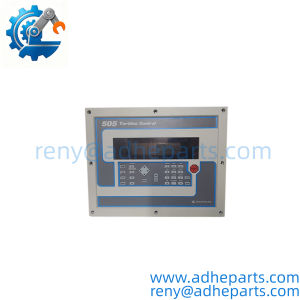
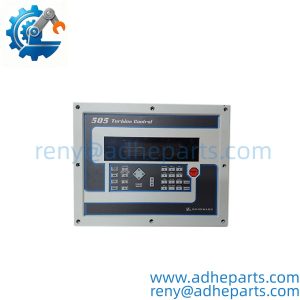
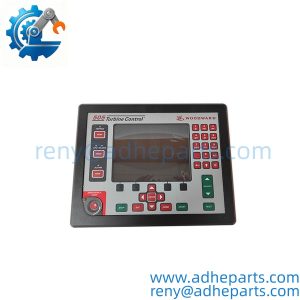
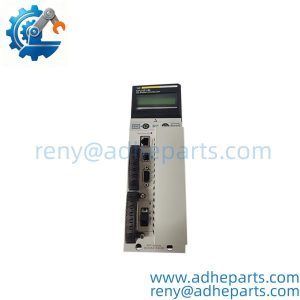
The Woodward 8406-121 is an electronic speed control from the Woodward 2301E governor family. It regulates engine speed by comparing the magnetic pickup signal to the speed setpoint and driving an actuator to correct the fuel or throttle position. It is used on reciprocating engines where stable speed control matters for generator frequency or driven equipment.
The engineering value is the closed-loop speed regulation and the actuator drive in one package. The control reads the engine speed directly from the flywheel teeth, calculates the error, and adjusts the actuator output without a separate governor controller. In my experience, the most common cause of a speed control fault is not the control itself — it is a magnetic pickup gap that has drifted or an actuator linkage that has developed play. The control reports the symptom, but it cannot fix a mechanical problem.
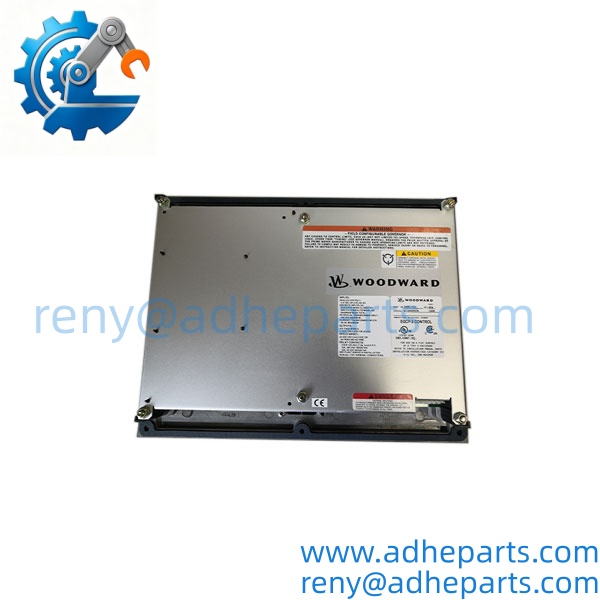
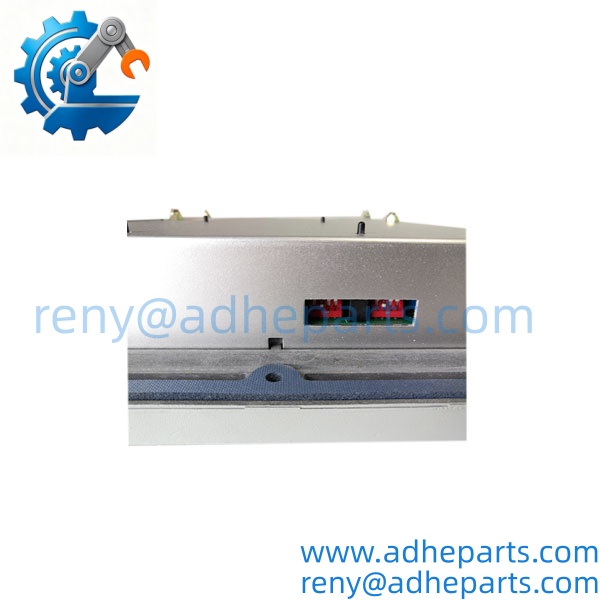
8406-121
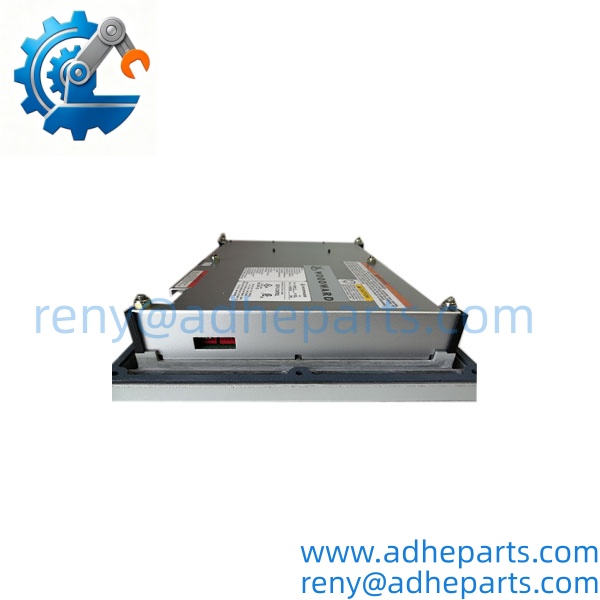
8406-121
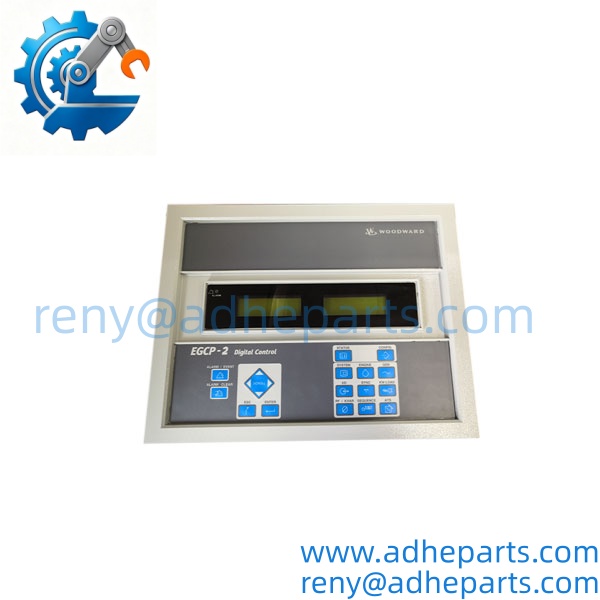
8406-121
5. Application Scenarios & Field Experience
Part 1 – Narrative Paragraph
The failure that costs the most on an engine-driven generator is not a dead speed control — it is a speed control that hunts. The engine runs, the generator carries load, and the frequency oscillates by a few tenths of a hertz. Operators see flickering lights or unstable equipment, and the maintenance team replaces the control. I have seen that on a diesel genset where the actuator linkage had worn and the control was correcting for mechanical play. The control was doing its job. The linkage was the problem. Before you replace a Woodward speed control, check the pickup gap, the actuator linkage, and the shielding on the speed signal cable.
Part 2 – Numbered List (Application Scenarios)
- Standby Generator Sets – Diesel Engine Speed Control – The control holds engine speed at synchronous setpoint so the generator frequency stays within the required window. The magnetic pickup reads flywheel speed, and the actuator output drives the fuel rack.
- Cogeneration – Gas Engine Speed and Load Control – Used on a gas engine driving a generator in parallel with the utility. The control regulates speed during island operation and follows the load signal when paralleled.
- Oil & Gas – Compressor Driver Engine Control – The control regulates the speed of a reciprocating engine driving a compressor. Stable speed control protects the compressor from overspeed and keeps the process pressure steady.
- Marine – Auxiliary Engine Speed Control – Used on vessel auxiliary engines for generator frequency control. The control must tolerate the vibration and ambient temperature of the engine room.
Part 3 – Short Field Story
A water treatment plant had a standby diesel generator that would not hold frequency during load changes. The crew had replaced the speed control and the actuator, and the problem persisted. We asked them to check the magnetic pickup gap and the linkage. The pickup gap had drifted to twice the specified clearance, and the speed signal was weak at cranking speed. The plant reset the gap, replaced the pickup cable shield ground at one end, and the generator held frequency through the next load test. The original control had been fine.
6. Standard Operating Procedure (SOP) for Quality Control
- Visual & Origin Inspection – We verify the Woodward marking, the 8406-121 model string, and the date code. We inspect the terminals, the actuator connector, and the housing for cracks or moisture ingress. A unit with a damaged connector or evidence of rework is rejected.
- Power-Up Self-Test – The unit is powered on a bench fixture at the specified supply voltage. We verify it initializes without a fault and that the status indicators show normal operation.
- Speed Input Verification – We inject a calibrated magnetic pickup signal and verify the unit reads the correct speed across the configured range.
- Actuator Output Verification – We connect the actuator output to a calibrated load and verify the output current or voltage matches the commanded value across the range.
- Configuration Documentation – We read and photograph the full model string, the configuration settings, and any firmware or revision label. That record ships with the unit so you can compare it against the unit you are replacing.
- ESD-Safe Packaging – The unit is wrapped in anti-static film, seated in a foam insert with the connectors protected, and packed in a double-wall carton with handling labels.
7. Frequently Asked Questions (FAQ)
Q1: Can I replace a 2301A with this 8406-121?
A: Not without checking the actuator and the speed input configuration. The 2301A and the 2301E are different control families, and the actuator output and the configuration method differ. Compare the full model number and the label on your existing unit before ordering. If you send us a photo of the label and the actuator nameplate, we will confirm the match.
Q2: What is the warranty on this unit?
A: We offer a 12-month warranty from the ship date. It covers component failure, speed input failure, actuator output failure, and power supply failure under normal operating conditions. It does not cover damage from incorrect supply voltage, reversed actuator wiring, or a magnetic pickup that has been damaged by metal debris. We test every unit on a bench fixture with a calibrated speed signal before it ships.
Q3: Do you have this in stock?
A: Woodward governor inventory moves and varies by revision. Confirm availability before you plan an outage. If we are out of the 8406-121 variant, we will tell you what we actually have and whether a different build would suit your engine.
Q4: What happens if the configuration does not match my engine?
A: The control may run the engine but hunt, overspeed, or fail to carry load. The speed setpoint, the actuator gain, and the startup ramp are all configured in the unit. Record the settings from your old control before you remove it, and verify the replacement is configured for your engine and actuator. A control that powers up is not necessarily tuned for your machine.
Q5: Any installation pitfalls I should watch for?
A: Four. First, verify the magnetic pickup gap and the pickup resistance before you power up — a weak speed signal causes unstable control. Second, check the actuator linkage for play and verify the actuator moves freely through its full stroke. Third, ground the speed signal cable shield at one end only; grounding at both ends creates a ground loop that injects noise into the speed signal. Fourth, after the swap, start the engine at no load and verify stable speed before you apply load. A control that powers up is not necessarily controlling speed correctly.