Description
Note: Many products are not yet listed. Please contact us for more product information. Our supply channels are constantly expanding, and we currently have 20 stable shared supply channels. Please confirm the model, product, price, and all other necessary information with customer service before placing an order. We offer new, refurbished, and used products, and prices are adjusted according to the year of the item you require.
Product Introduction
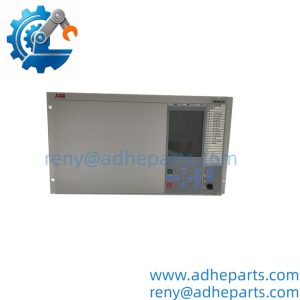
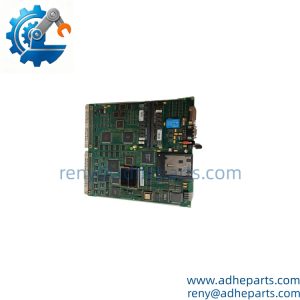
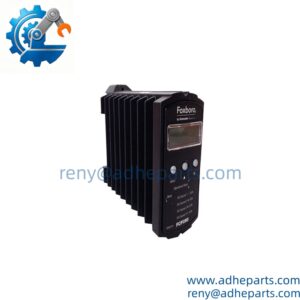
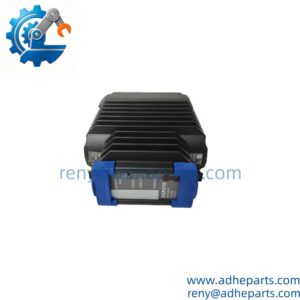
When a multi‑generator power island loses governor control, unstable frequency and uneven load distribution can trigger generator trips and blackouts. This 2301D unit governs engine or turbine speed, balances real power across paralleled gensets, and executes protective limiting functions.
Well, technically it supports Modbus communication for host monitoring, but that feature requires matching firmware builds, —though your mileage may vary depending on MPU wiring quality and noise suppression at the machine terminal block.
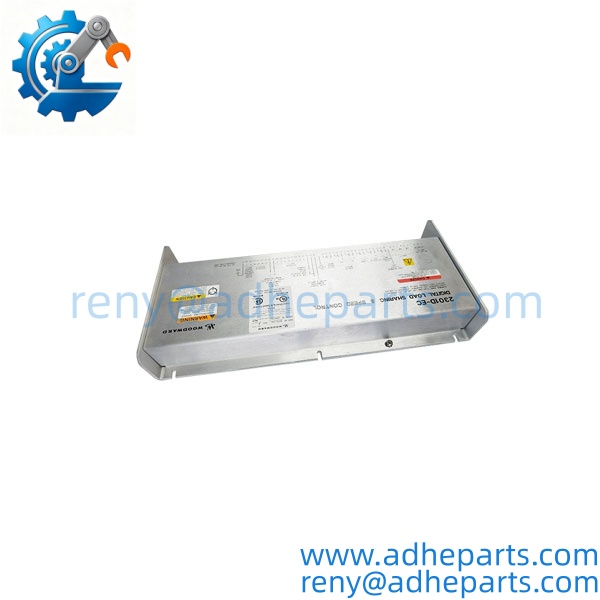
8273-140
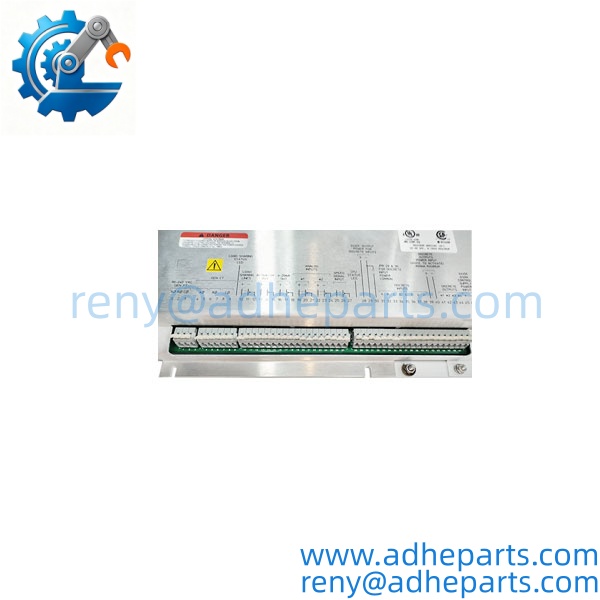
8273-140
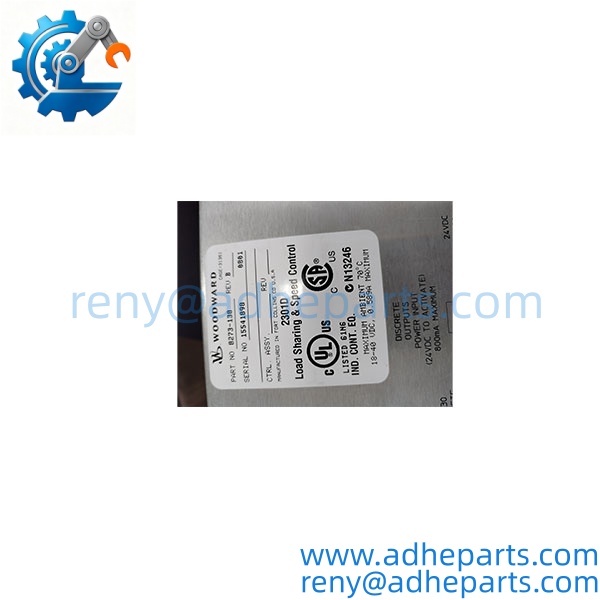
8273-140
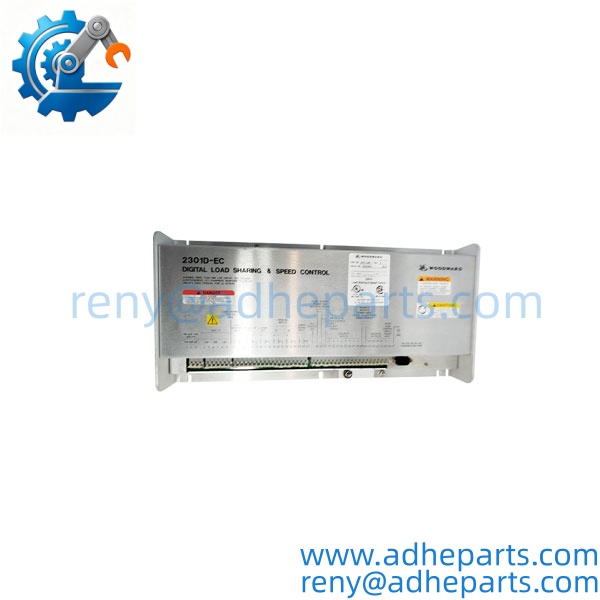
8273-140
Key Technical Specifications
| Parameter | Value |
|---|---|
| Part Reference | 2301D, Model 8273‑140 |
| Power Supply | 18–40 VDC, SELV rated |
| Speed Input | Magnetic pickup (MPU) input |
| Control Modes | Isochronous, droop, soft load transfer |
| Protective Limits | MAP limiter, torque limiter, low‑speed sensing |
| Communication | Modbus RTU serial interface |
| Mounting | DIN rail or panel mount |
| Operating Temperature | 0 °C to +60 °C |
| Relative Humidity | 5%–95% non‑condensing |
| Location Rating | Ordinary (non‑hazardous) locations |
| Diagnostic Features | Onboard status LEDs, fault event logging |
Field Application & Technical Pitfalls (The Engineer’s Guide)
Critical Industrial Scenarios
- Multi‑generator power islands for industrial plants: maintains stable frequency and balanced load across paralleled gas or diesel gensets during demand swings.
- Cogeneration facilities: coordinates prime mover speed while transferring load smoothly between utility tie and islanded operating modes.
- Emergency backup power systems: provides fast speed regulation and load management for critical loads after utility loss.
Technical Pitfalls (Bold Warnings)
- Mismatched MPU signal wiring or shielding: Poorly shielded twisted pair leads to noisy speed readings, causing hunting and unstable frequency. Verify wiring at the third terminal block from the controller edge before startup.
- Parameter set mismatch between paralleled controllers: Different droop or gain values across multiple 2301D units create load fight, where generators push and pull power repeatedly. Always synchronize all governor parameter sets in parallel genset systems.
- Transient voltage spikes on the 24 VDC supply: Unsuppressed inductive kickback from fuel actuators can corrupt stored configuration data without immediate hardware failure. Add surge protection on the DC feed for engine bay installations.
Lesson‑Learned Anecdote One plant crew swapped a spare 8273‑140 during a scheduled genset overhaul. They loaded the default factory parameters and returned the unit to service without matching droop settings to the remaining online generator. For hours, the pair fought for load, cycling reactive power and triggering nuisance overload alarms. The team only resolved the oscillation after downloading and copying the original site parameter set to the replacement governor.
Quality Control (QC) SOP & Transparency
- Inbound Verification: Cross‑check part number and serial number against OEM nameplate; visual anti‑counterfeit inspection for reworked terminal pins or aftermarket labels; capture nameplate photo for internal inventory logs.
- Live Rig Testing: Mount controller on test bench; apply 24 VDC supply; simulate MPU speed input; validate speed regulation response; test droop and isochronous mode switching; confirm Modbus RTU communication handshakes.
- Parameter Testing: Verify response to load reference commands; check torque and MAP limiting functions; log DC current draw under full control output; confirm no fault flags across repeated start‑stop cycles.
- Final QA & Packaging: Clean terminal contacts with static‑safe cleaner; place controller inside conductive anti‑static bag; apply QC‑passed sticker with test date; pack inside rigid shock‑resistant shipping enclosure.
Frequently Asked Questions (FAQ)
Can I hot‑swap the Woodward 8273‑140 while the generator stays online? No. This governor does not support hot swap. You must transfer load, shut the prime mover down, and remove DC power before removal or installation. Live DC disconnection risks actuator transients and unintended fuel movement.
What is the difference between 8273‑140 and 8273‑141? Both belong to the 2301D family. The 8273‑140 is rated for ordinary non‑hazardous locations. 8273‑141 carries hazardous location approvals. Verify exact site area classification with the OEM datasheet before ordering.
What warranty applies for stocked Woodward 8273‑140 units? All units carry a 12‑month warranty. New‑surplus coverage applies for factory‑origin defects. Refurbished units cover faults within our test and rebuild scope; field surge, wiring damage or improper parameter tuning sits outside warranty terms.
How do I tell genuine OEM hardware apart from rebuilt counterfeit copies? Genuine Woodward units have crisp front panel silk screening, original factory serial plate, and intact conformal coating on the PCB. Rebuilt copies often show rework solder around terminal blocks or adhesive‑applied replacement serial labels.
My replacement 8273‑140 causes generator speed hunting after commissioning. Is the controller defective? Do not assume hardware failure. Check MPU shielding and wire routing first, then compare gain, droop and stability parameters to the site’s proven configuration. Most hunting issues come from tuning or signal noise rather than failed hardware.
Does the 8273‑140 come preloaded with site‑specific generator parameters? No. The unit ships with factory default settings. You must download and restore your site’s saved configuration file after installation. Default values are for bench testing only and are not safe for field commissioning.
What environmental limits apply to cabinet mounting? Maintain ambient temperature between 0 °C and +60 °C and non‑condensing humidity. Sustained high cabinet heat accelerates electrolytic capacitor aging and shortens service life of this governor.