Description
Note: Many products are not yet listed. Please contact us for more product information. Our supply channels are constantly expanding, and we currently have 20 stable shared supply channels. Please confirm the model, product, price, and all other necessary information with customer service before placing an order. We offer new, refurbished, and used products, and prices are adjusted according to the year of the item you require.
3. Key Technical Specifications
| Parameter | Value |
|---|---|
| Model | RCU501 |
| Manufacturer | Kongsberg Maritime |
| Product Type | Remote Controller Unit / Real-time Process Control Computer |
| Processor | Embedded PowerPC architecture |
| Memory | Typically 64 MB |
| Power Supply | 24 V DC (+30 % / –25 %) |
| Power Consumption | Approx. max. 20 W |
| Ethernet | Dual Ethernet LAN |
| Remote I/O Bus | Dual RBUS |
| Serial Interfaces | Multiple insulated serial lines (RS-232/422/485) |
| Fieldbuses | PROFIBUS and CAN interfaces |
| Digital I/O | General-purpose digital inputs and outputs |
| Typical Approvals | Marine class (DNV, ABS, etc.), Ex Zone 2 capable |
4. Product Introduction (Anti-Template)
The Kongsberg RCU501 is a high-performance, versatile real-time process control computer designed for marine and offshore automation applications. It serves as a central or distributed controller in systems such as dynamic positioning (DP), thruster and steering control, integrated process control, alarm and monitoring, and safety systems.
Built around an embedded PowerPC architecture, the RCU501 provides dual Ethernet process networks, dual RedundancyNet interfaces for redundant configurations, dual RBUS remote I/O buses, multiple serial lines, and PROFIBUS/CAN channels. It supports common industrial and marine protocols including Modbus, NMEA 0183, PROFIBUS/PROFIsafe, and CAN/DeviceNet. The unit is engineered for 24 V DC supply and is approved for demanding marine environments, including Ex Zone 2 applications in appropriate configurations. Exact firmware, software load, and interface configuration must be verified when replacing an existing unit in a Kongsberg system.
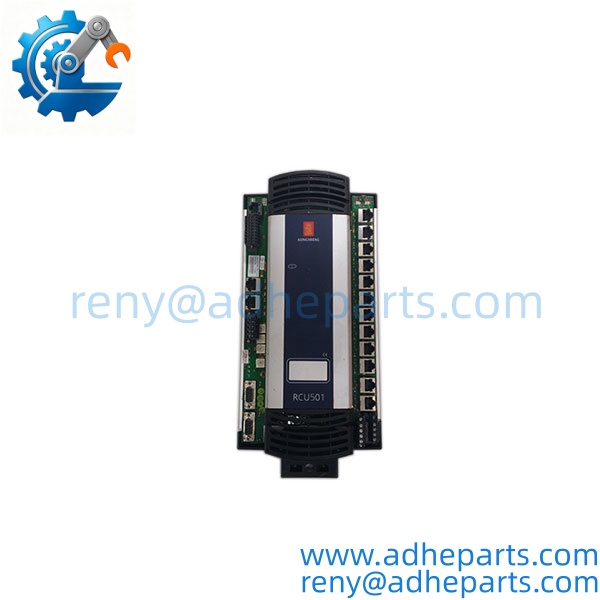
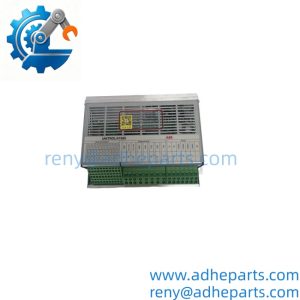
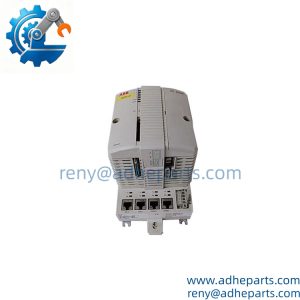
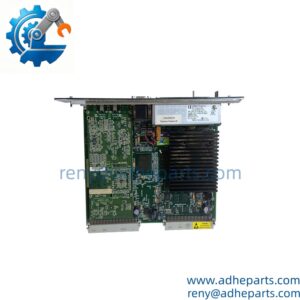
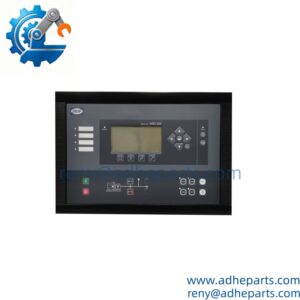
RCU501
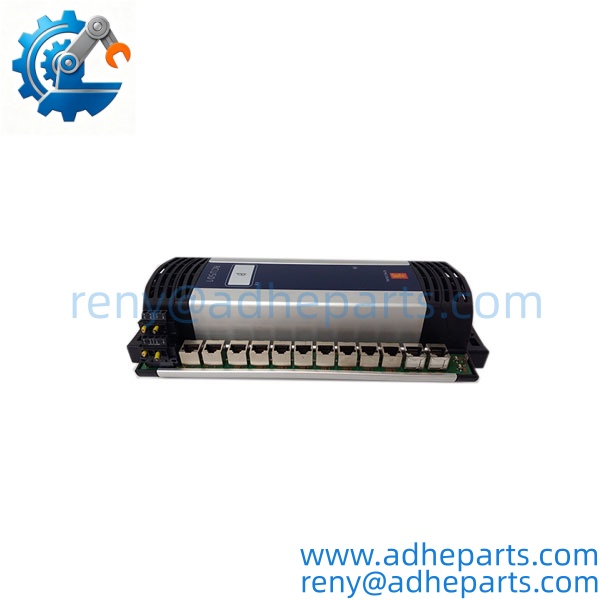
RCU501
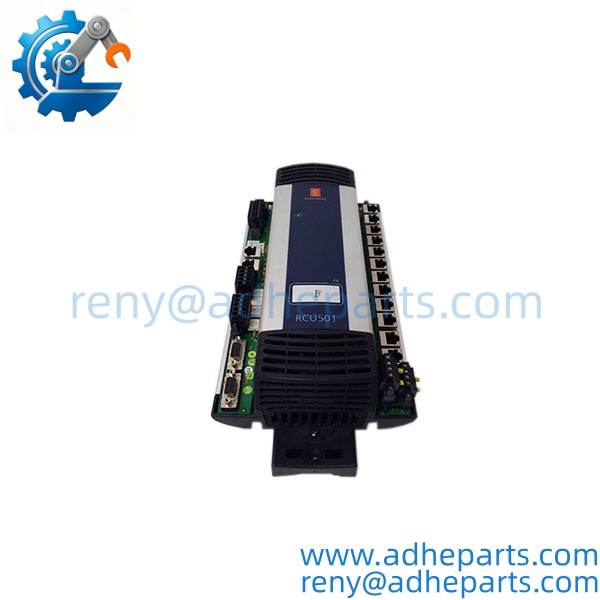
RCU501
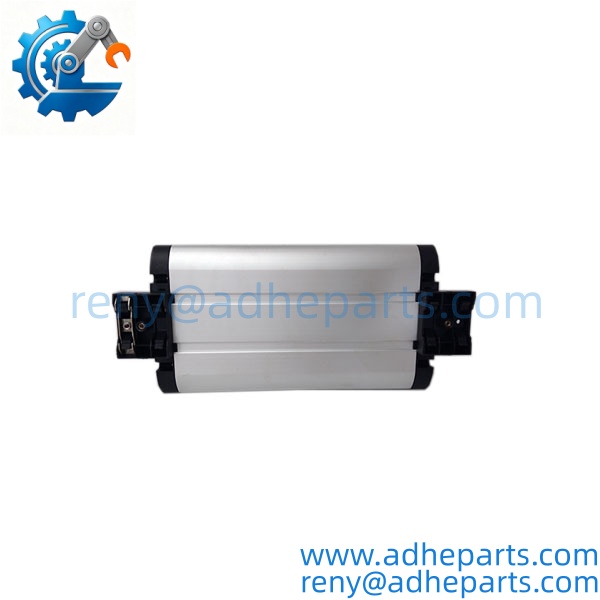
RCU501
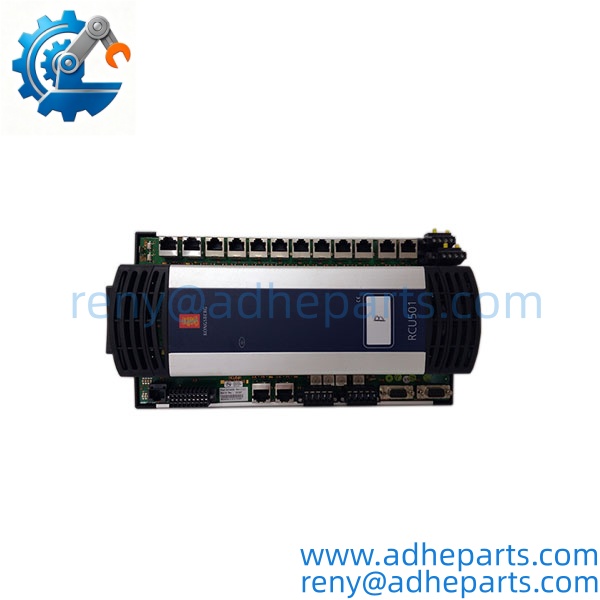
RCU501
5. QC, Procurement & Logistics SOP
- Inbound Verification – Confirm full model designation (RCU501), any hardware module or part numbers present, connector condition, and physical integrity. Photograph all labels.
- Functional Testing – Limited standalone testing is possible; full validation requires installation in the compatible Kongsberg system and verification of communications and control functions.
- QA & Packaging – Protect connectors and the circuit board, clean according to electronics handling practices, and pack in anti-static protective packaging suitable for marine electronics.
- Global Logistics & Export Compliance – Classify under the correct HS code for industrial/marine control computers. Packaging must protect against electrostatic discharge and moisture; export documentation is prepared to minimize customs delays.
6. Technical Pitfalls & Integration Warnings
System-Specific Software – The RCU501 requires the correct Kongsberg application software and configuration for the target system (DP, thruster control, etc.). A blank or mismatched unit will not function correctly.
Redundancy Configuration – When used in redundant pairs, correct RedundancyNet cabling and synchronization settings are essential.
Power Supply – Observe the 24 V DC supply tolerances. Voltage outside the specified range can cause unstable operation or damage.
Marine Environment – Ensure proper grounding, shielding, and environmental protection appropriate for the installation location.
7. Frequently Asked Questions (FAQ)
What is the realistic global lead time for a verified RCU501?
As a specialized Kongsberg Maritime controller, availability depends on surplus stock. Typical lead time after verification is 5–20 business days plus specialized shipping.
What is the primary function of this unit?
It is a high-performance real-time process control computer used in Kongsberg marine and offshore automation systems.
What power supply does it require?
24 V DC (with specified tolerance range).
What systems is it commonly used in?
Dynamic positioning (DP), thruster/steering control, integrated process control, alarm and monitoring, and safety systems.
Does it support redundant configurations?
Yes. Dual RedundancyNet interfaces support redundant RCU configurations.
Is the unit still in production?
The belongs to Kongsberg Maritime’s process control portfolio. Availability of specific revisions depends on current production and spare-parts status; many units are sourced as spares for existing installations.
What should be confirmed before ordering a replacement?
Exact model and any hardware/part numbers, required software/firmware version, system application (DP, thruster, etc.), and interface configuration.