Description
Note: Many products are not yet listed. Please contact us for more product information. Our supply channels are constantly expanding, and we currently have 20 stable shared supply channels. Please confirm the model, product, price, and all other necessary information with customer service before placing an order. We offer new, refurbished, and used products, and prices are adjusted according to the year of the item you require.
Product Introduction
When a legacy process loop loses its local control head, unplanned shutdowns cascade across whole‑plant operations.
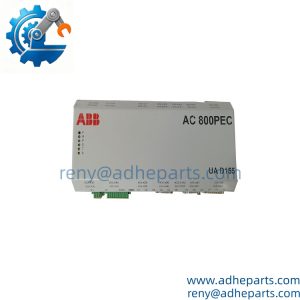
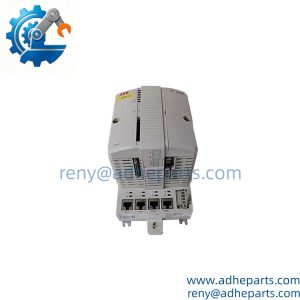
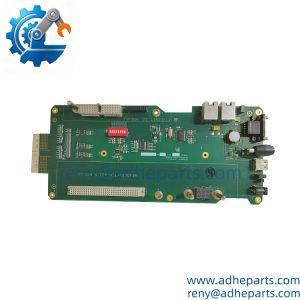
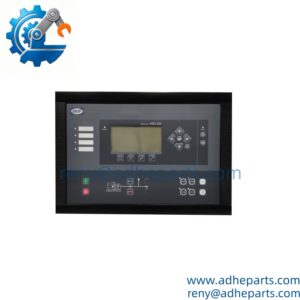
This unit acts as a standalone local controller within the Synpol D platform, handling field sensor inputs and driving on‑site actuators. Its galvanic isolation cuts ground‑loop noise common in heavy‑industry cabinet environments, though you must match existing project configuration files before commissioning.
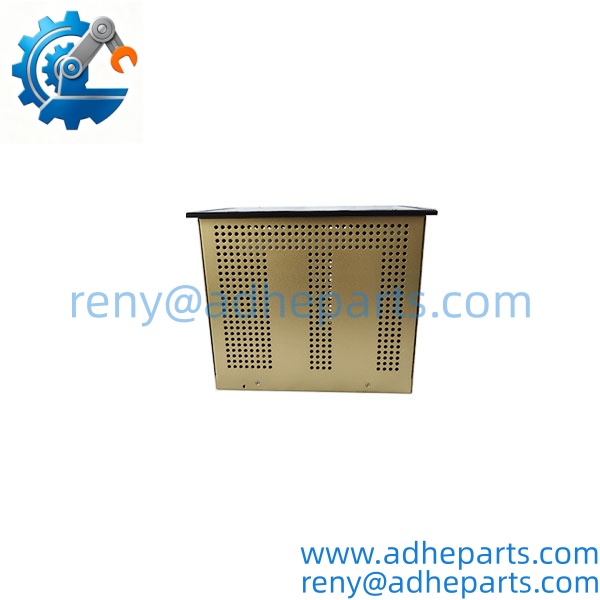
CMA120 3DDE300400
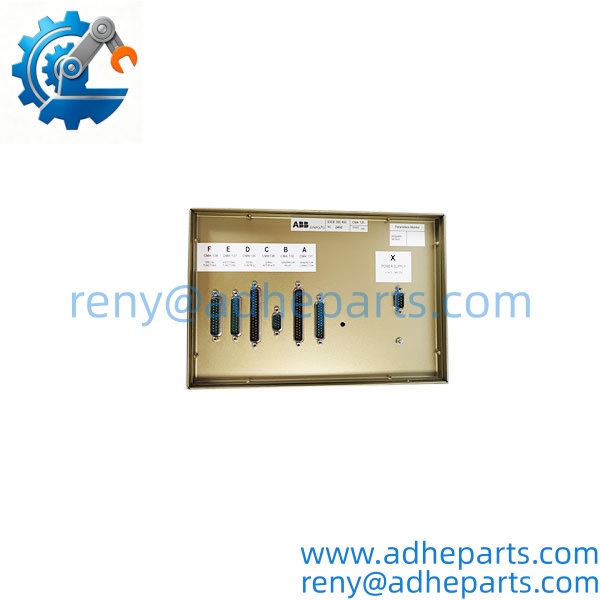
CMA120 3DDE300400
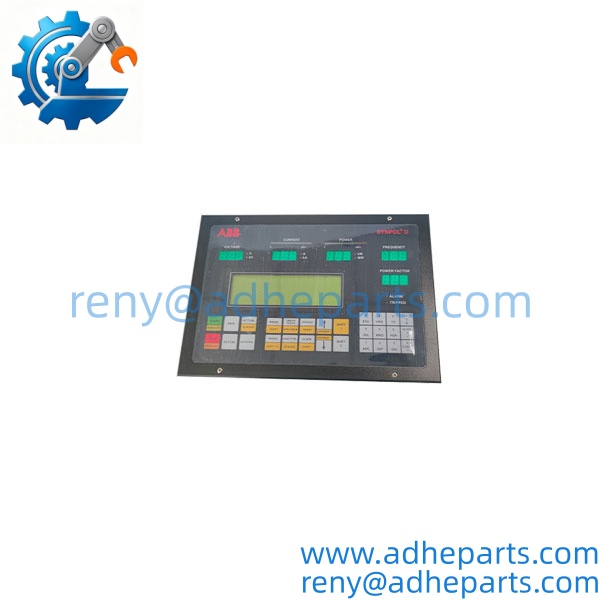
CMA120 3DDE300400
Key Technical Specifications
| Parameter | Value |
|---|---|
| Analog Inputs | 4 channels, 12‑bit resolution (including sign) |
| Analog Outputs | 2 channels, 12‑bit resolution (including sign) |
| Digital Inputs | 8 channels, 24 VDC |
| Digital Outputs | 8 channels, 24 VDC, 0.5 A maximum per channel |
| Isolation | Module‑wide galvanic channel isolation |
| Communication Interface | CANopen bus, rotary node‑ID switches |
| Supply Voltage | 24 VDC via I/O bus or external terminal block |
| Mounting | Standard DIN‑rail form factor |
| Status Indicators | System, power, channel‑error, I/O bus LED array |
| Signal Ranges | Configurable ±2.5 V, ±5 V, 0‑10 V, 4‑20 mA |
Field Application & Technical Pitfalls (The Engineer’s Guide)
This controller sees heavy deployment across three common industrial scenarios. Boiler auxiliary loops in thermal power plants rely on it for fuel‑air ratio modulation. Chemical batch skids use it for local flow‑valve positioning without CPU round‑trip delay. Metallurgy cooling‑water circuits depend on its noise‑tolerant analog readings near high‑current motor banks.
Critical technical pitfalls during replacement:
- Firmware revision mismatch: A new‑surplus unit shipping with factory base firmware will reject existing project logic files. Uploading mismatched firmware can corrupt internal memory.
- CANopen node‑ID rotary switch mis‑setting: The two rotary dials sit at the third terminal block from the left. Duplicate node IDs will crash the entire Synpol D segment.
- ESD exposure during cabinet swap: Unprotected handling erases volatile calibration offsets stored on onboard chips, even if power remains off.
A field team once swapped a failed CMA120 during a short maintenance window. They skipped firmware cross‑checking and set the node ID by visual guesswork. After power‑up, the whole CAN bus segment locked up; operators lost visibility to 12 critical field loops. Two hours passed before technicians spotted an offset rotary‑switch reading. Always record old unit’s firmware version and rotary‑switch positions before removal.
Quality Control (QC) SOP & Transparency
- Inbound Verification: Cross‑reference physical part marking against OEM packing documentation. Inspect hologram and laser‑etched serial number; flag mismatched font or misaligned printing as counterfeit risk. Confirm no scratch marks on DIN‑rail mounting slots.
- Live Rig Testing: Mount unit on DIN‑rail test bench, supply regulated 24 VDC power. Verify full power‑on self‑test sequence; validate CANopen handshakes against a Synpol D simulation host. Confirm all status LEDs activate in documented sequence.
- Parameter Testing: Run insulation‑resistance check across isolated channel groups. Cycle every analog input and output across full voltage and current ranges; confirm values stay within published tolerance bands. Exercise each digital input‑output pair continuously.
- Final QA & Packaging: Wipe unit with static‑dissipating cloth. Seal inside anti‑static shielding bag. Affix physical QC‑passed label with test‑run timestamp. Pack with shock‑absorbent foam for transit.
Frequently Asked Questions (FAQ)
Can I hot‑swap this CMA120 while the backplane stays powered?No. This hardware does not support hot‑swap operations. Full segment power down is required before removal or insertion. Live backplane insertion risks blowing internal bus protection components.
What exact system families accept CMA120 3DDE300400?Designed exclusively for ABB Synpol D architecture. It will not drop‑in to 800xA or AC800M racks without intermediate gateway hardware. Verify exact load capacity with the OEM datasheet before integration.
What warranty coverage comes with new‑surplus units?Twelve‑month functional warranty applies. Warranty excludes damage from mis‑wiring, incorrect firmware flashes, or onsite ESD events. Physical cosmetic blemishes from factory storage do not void coverage.
How do I tell genuine OEM stock apart from rebuilt aftermarket copies?Genuine units carry crisp laser‑etched serial numbers matching original packing slips. Rebuilt copies often show re‑painted housing edges, replaced generic LED lenses, or erased serial fields. Well, technically some legitimate refurbished OEM units get re‑stamped, so cross‑check datasheet physical layout as well.
Will I need to re‑program the unit after physical replacement?Yes. New‑surplus hardware ships with factory default blank configuration. You must restore your saved project configuration file and match the original firmware revision to achieve identical behavior.
What happens if I ignore galvanic‑ground rules on analog field wiring?Ground‑loop currents will inject offset drift into 4‑20 mA readings. You may see slow‑wandering process values that do not correspond to real sensor conditions, hard to trace without oscilloscope measurements.
How long is typical lead‑time for this part?Stock‑on‑hand units ship quickly. When inventory depletes, sourcing lead‑times can stretch, and older‑revision stock becomes harder to locate. Confirm current stock status before locking plant outage schedules.