Description
Note: Many products are not yet listed. Please contact us for more product information. Our supply channels are constantly expanding, and we currently have 20 stable shared supply channels. Please confirm the model, product, price, and all other necessary information with customer service before placing an order. We offer new, refurbished, and used products, and prices are adjusted according to the year of the item you require.
Product Introduction
When a rack‑mount power supply degrades gradually, random card resets and intermittent I/O drop‑outs can waste hours of troubleshooting effort.
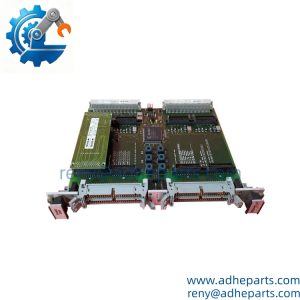
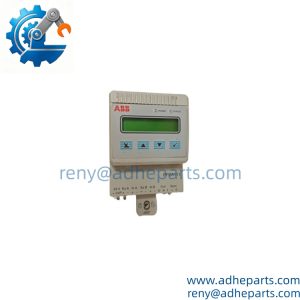
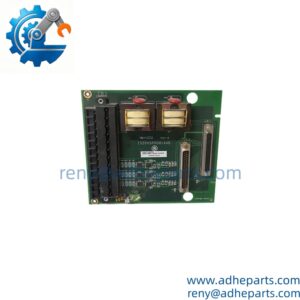
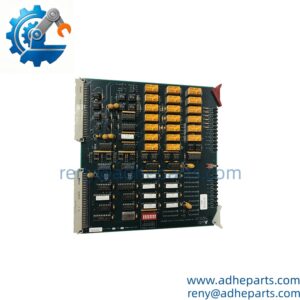
This HFAS11S serves as the central power backbone for Toshiba FAS11‑series control racks. It takes mains‑range AC input and generates stable backplane rails for all plugged‑in controller hardware, though cabinet air flow directly shapes long‑term capacitor service life —though your mileage may vary depending on continuous rack loading.
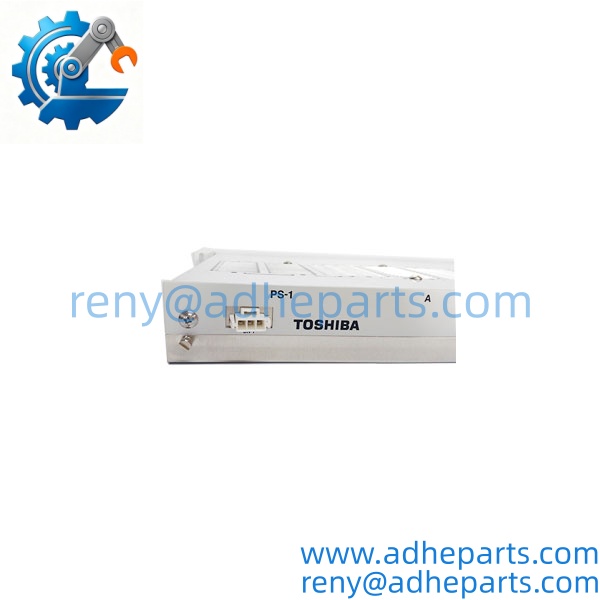
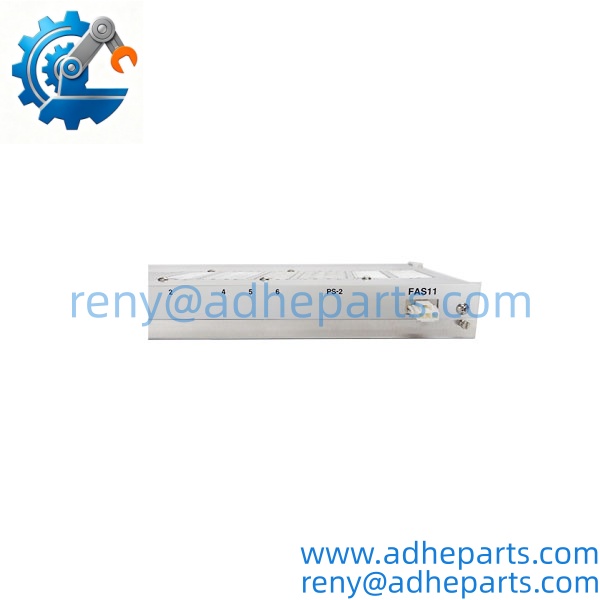
HFAS11S
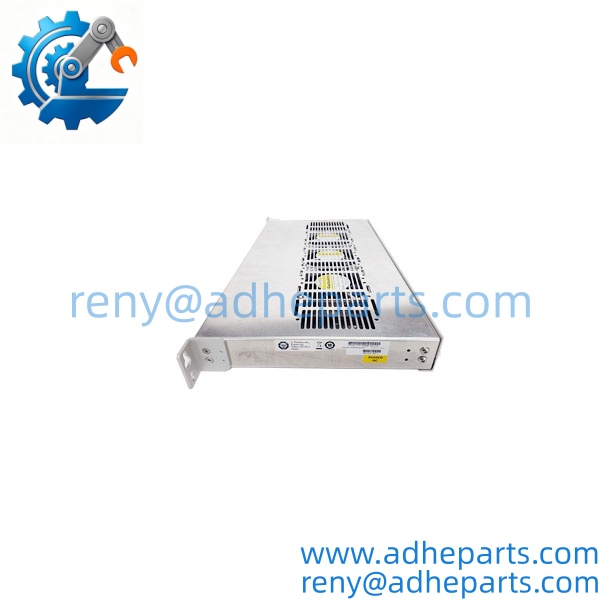
HFAS11S
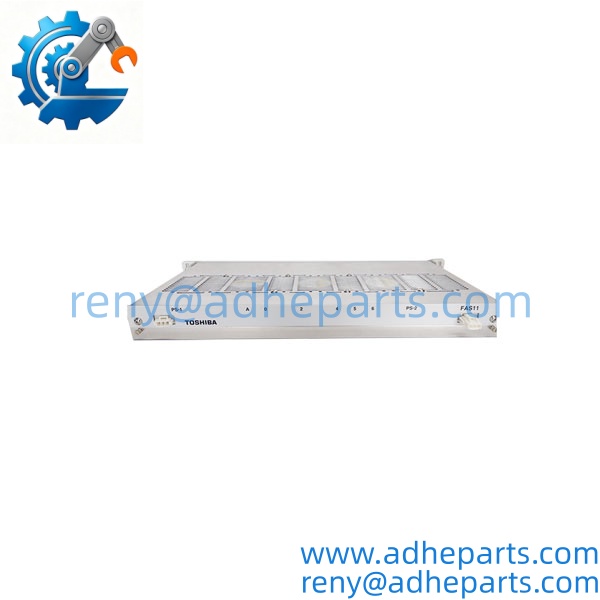
HFAS11S
Key Technical Specifications
| Parameter | Value |
|---|---|
| AC Input Range | 100‑240 VAC, 50/60 Hz |
| Backplane Output Rails | 5 VDC logic bus, 24 VDC field auxiliary bus |
| Cooling Method | Natural convection, fan‑less design |
| Mounting | Plug‑in slot for Toshiba FAS11 rack backplane |
| Status Indicators | Power‑OK LED, fault alarm LED on front panel |
| Built‑in Protections | Over‑voltage, over‑current, short‑circuit shutdown |
| Isolation | Galvanic isolation between AC input and DC output buses |
| Operating Ambient | 0 °C to +55 °C cabinet temperature, non‑condensing |
| Protection Class | IP20 (for rack‑enclosed installation) |
| Connector Type | PS‑1 / PS‑2 dedicated rack backplane header |
Field Application & Technical Pitfalls (The Engineer’s Guide)
This power‑supply module operates in three typical legacy‑system deployment scenarios. Paper‑mill distributed control racks draw full backplane power from HFAS11S for continuous‑run process loops. Metallurgical plant control cabinets rely on it for steady power under heavy electrical‑noise conditions. Legacy power‑plant auxiliary control racks use it to feed mixed CPU and analog‑I/O card populations.
Critical technical pitfalls during replacement:
- Backplane header incomplete seating: The PS‑1 multipin connector sits at the left‑hand edge of the module. Partial insertion creates intermittent rail‑voltage sag that only appears under high‑card‑load conditions, with no obvious LED fault trigger.
- Overloading the 24 VDC auxiliary bus: Many field technicians add extra field‑power loads onto the rack‑generated 24 V rail. Exceeding rated output triggers unannounced cyclic shutdowns without clear alarm logging.
- Thermal‑clearance neglect: Blocking top‑side ventilation slots with adjacent wiring or cable ducts accelerates electrolytic‑capacitor aging. Slow drift of 5 V logic rail is the most common early warning sign.
A maintenance team swapped a failing HFAS11S during a short‑duration plant outage. They slid the replacement module into the rack but did not visually confirm full PS‑1 header lock‑in, and routed heavy cable bundles directly across the upper ventilation grille. After three days of normal operation, high‑load shifts brought random I/O card resets. Technicians spent multiple shifts chasing individual card faults before discovering poor connector seating and obstructed cooling paths. Always pull the module fully out and re‑seat with firm, even pressure; keep 20 mm minimum clearance above ventilation openings.
Quality Control (QC) SOP & Transparency
- Inbound Verification: Match silkscreen part‑number HFAS11S and serial marking against OEM packing documentation. Inspect metal housing for dents and ventilation‑slot deformation. Examine PS‑1 / PS‑2 header pins for bending or burn marks that signal prior fault events. Confirm no scratch wear on rack‑locking latches.
- Live Rig Testing: Insert unit inside FAS11‑series test rack chassis. Apply variable 100‑240 VAC mains input. Verify power‑OK LED illuminates reliably. Measure both 5 VDC and 24 VDC bus voltages across light‑load and full‑load simulated rack conditions. Trigger short‑circuit protection to confirm correct shutdown behavior.
- Parameter Testing: Record output‑rail voltage stability across full AC‑input swing. Monitor temperature rise during multi‑hour full‑load burn‑in. Check for AC‑to‑DC isolation‑resistance compliance. Look for any AC‑leakage signatures on DC‑output rails.
- Final QA & Packaging: Fit protective plastic cap over PS‑1 header contacts. Seal module inside static‑shield anti‑static bag. Affix QC‑passed label including burn‑in test timestamp. Pack with rigid foam padding to prevent header‑pin mechanical damage in transit.
Frequently Asked Questions (FAQ)
Can I hot‑swap HFAS11S while the FAS11 rack remains energized?No. This legacy power‑supply hardware does not support hot‑swap. De‑energize upstream AC mains before removal or insertion. Live‑mains module exchange risks backplane trace damage.
What exact rack hardware accepts Toshiba HFAS11S?Purpose‑built exclusively for Toshiba FAS11 system racks. It cannot drop‑in to other Toshiba controller families. Verify exact load capacity with the OEM datasheet before integration.
What warranty coverage applies for new‑surplus units?Twelve‑month functional warranty applies. Warranty excludes damage from mains‑surge events, overloaded auxiliary bus, blocked ventilation, or improperly seated backplane connectors. Minor shelf‑storage cosmetic marks on metal housing do not void coverage.
How do I tell genuine OEM surplus hardware from rebuilt aftermarket copies?Genuine OEM units carry crisp laser‑etched part‑number marking, uniform factory housing finish, and original‑spec header connectors. Rebuilt units often show replaced electrolytic capacitors with non‑OEM part branding or re‑soldered header pins. Well, technically legitimate OEM‑repaired units exist, so full load‑bank bench testing serves as final validation.
Will rack configuration files need modification after swapping ?No software re‑configuration is needed. Still, always verify both 5 VDC and 24 VDC rail voltage levels post‑replacement to confirm proper mechanical seating.
What field symptoms point to a failing power supply?Intermittent I/O‑card resets, drifting logic‑bus voltage, spontaneous rack‑wide fault alarms, and random loss of field‑device communications. These symptoms can also stem from degraded backplane traces, so isolate the power‑supply unit on a test rig for confirmation.
Is still in active OEM production?This FAS11‑series component is officially discontinued. Once genuine surplus stock depletes, sourcing lead‑times expand significantly. Confirm stock availability well ahead of planned plant‑outage windows.